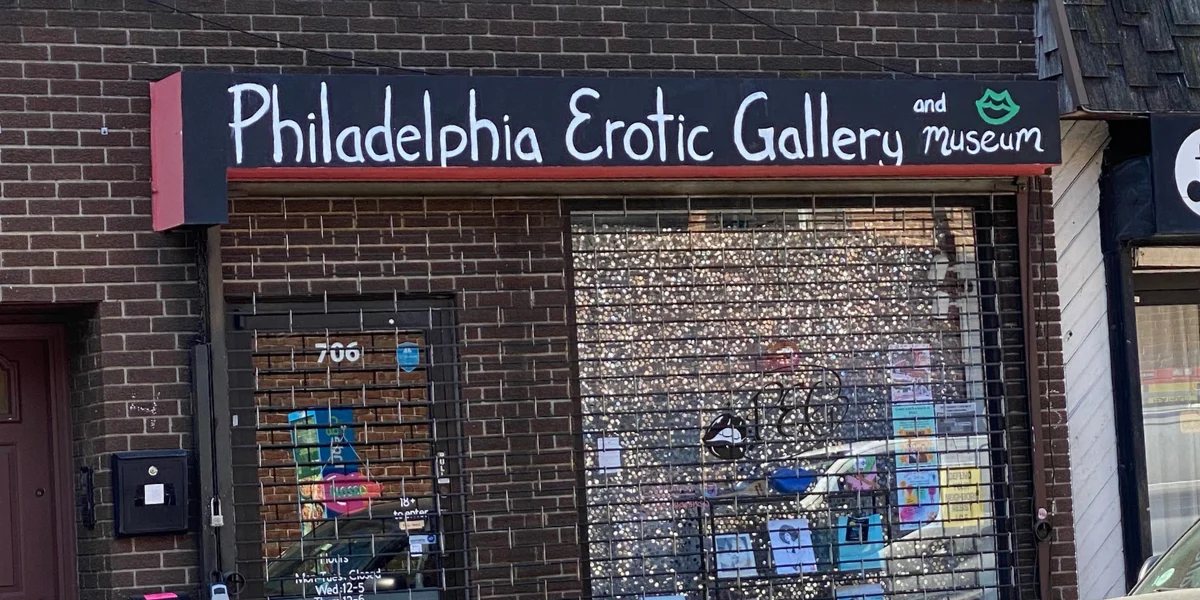
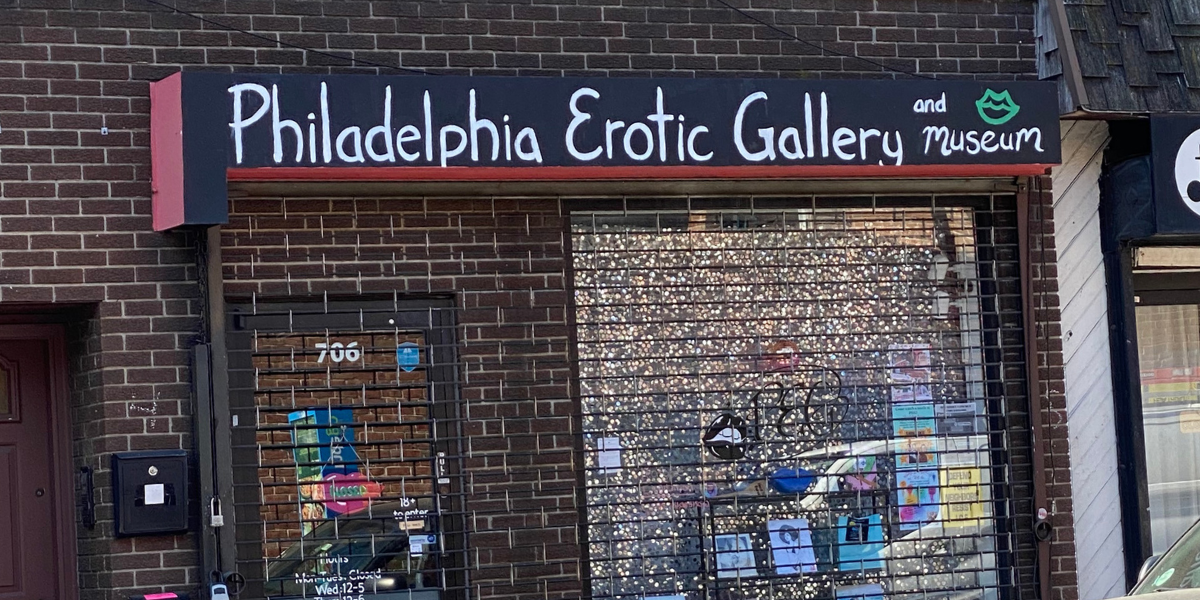
The landscape of Philadelphia’s cultural institutions underwent a significant expansion in December 2025 with the opening of the Philadelphia Erotic Gallery and Sex Museum, an institution colloquially known by the acronym PEG. Situated in the historic South Street district, PEG stands as the city’s first and only museum dedicated exclusively to the intersection of human sexuality, gender identity, and erotic art. By combining the aesthetic sensibilities of a contemporary art gallery with the rigorous archival mission of a history museum, PEG seeks to document and celebrate the diverse sexual cultures of Philadelphia, ranging from the turn-of-the-century "peep shows" to the modern-day kinky and LGBTQ+ communities.
Founded by erotic artist Stevie Laney and her partner Tobias Olson, the museum is the physical manifestation of a community-building project that began years prior. The institution’s primary objective is to foster an interactive, communal space where the city’s sexual past, present, and future can be explored through a lens of education and sex positivity. In an era where digital censorship and shifting political climates often drive sexual expression underground, PEG provides a permanent, physical sanctuary for historical ephemera and contemporary creative works that might otherwise be lost to time.
The Genesis of the Philadelphia Erotic Gallery
The conceptual roots of the Philadelphia Erotic Gallery can be traced back to 2021, when Stevie Laney launched Very, a magazine dedicated to erotic art. The publication quickly garnered a dedicated following, signaling a demand for a dedicated space where artists and enthusiasts could gather in person. Laney and Olson recognized that while Philadelphia possessed a rich and often hidden history of sexual subcultures, there was no centralized repository for its artifacts or a public venue for its art.
The transition from a digital and print magazine to a brick-and-mortar museum was driven by the rapid growth of this community. Laney noted that as the magazine’s network expanded, so did the necessity for a space that could host performances, educational workshops, and historical exhibitions simultaneously. The result is a facility designed to bridge the gap between "high art" and historical documentation, ensuring that the narratives of marginalized sexualities—including bisexual, kinky, and underground communities—are preserved with the same dignity as mainstream historical records.
Structural Overview and Interactive Curation
The Philadelphia Erotic Gallery is divided into four distinct rooms, each serving a specific pedagogical or aesthetic purpose. This layout is designed to guide visitors through a chronological and thematic journey of human sexuality.
The Rotating Exhibition Room
This space is dedicated to temporary installations, allowing the museum to highlight the work of over 80 different artists at any given time. By maintaining a rotating schedule, the gallery ensures that its content remains reflective of current social dialogues and contemporary artistic movements. The diversity of the artwork is a cornerstone of Laney’s curatorial philosophy, encompassing a spectrum that includes LGBTQ+ perspectives, "vanilla" erotica, and kinky subcultures.
The Interactive Anatomy Room
Departing from the traditional "do not touch" policy of most museums, PEG features a "please touch" anatomy room. This exhibit is designed to encourage tactile exploration and dispel the discomfort often associated with nudity and sexual organs. Notable installations include a large-scale, interactive pink vulva and a diorama of anatomical models designed for tactile engagement. This room serves an educational function, promoting body positivity and a healthier, more playful relationship with human biology.
The Historical Hallway
One of the most significant sections of the museum is the hallway dedicated to historical ephemera. Here, visitors can find framed magazines, photographs, and flyers that document Philadelphia’s sexual history. The collection includes a "Pleasure Menu" from a historical brothel, personals ads from 1990s-era fetish magazines, and kinky cartoons from various decades. A particularly significant artifact is a 1980 flyer for a "meet the author" event at the Gay Community Center, promoting the memoir Barry and Alice: Portrait of a Bisexual Marriage. Such items highlight the museum’s commitment to preserving bisexual history, a field that remains understudied in traditional academic and historical circles.
Historical Context and the South Street Legacy
The decision to locate PEG on South Street was a deliberate choice rooted in the neighborhood’s history. Historically, South Street has served as a sanctuary for artists, activists, and the LGBTQ+ community. Since the mid-20th century, the area has been a hub for counterculture and creative expression, making it the ideal environment for a museum that challenges social taboos.
The surrounding community has reportedly been highly supportive of the museum’s presence. This acceptance is indicative of a broader cultural shift in Philadelphia toward embracing its identity as a progressive urban center. By establishing a permanent home on South Street, PEG contributes to the neighborhood’s ongoing legacy as a place where diverse identities can be explored and celebrated without the threat of marginalization.
Addressing the Challenges of Digital and Political Censorship
A major motivation for the establishment of the physical museum is the increasing prevalence of censorship in digital spaces. Laney has expressed concern that current social media algorithms and administrative policies are making it increasingly difficult for erotic artists to share their work or for historians to archive sexual subcultures online.
"Things are harder and harder to find online," Laney observed, noting that the museum serves as a safeguard against the "shadowbanning" and deletion of content that often plagues sex-positive creators. As the national political climate fluctuates, there is a perceived risk that sex-negative sentiments could drive sexual cultures further underground. PEG acts as a bulwark against this trend, asserting that the history of human sexuality is a vital component of the broader human experience and deserves a public, accessible platform.
Economic Impact and Community Engagement
Beyond its role as a museum, PEG operates as a multi-functional community center. The gallery hosts a variety of monthly events, including:

- Film Screenings: Showcasing erotic cinema and documentaries on sexual history.
- Figure Drawing Classes: Providing a safe and professional environment for artists to study the human form.
- Open Mic Nights: Allowing for the expression of poetry, prose, and performance art related to gender and sexuality.
The museum also features a gift shop that is free to enter, offering erotic art, jewelry, books, and apparel. This commercial aspect helps sustain the institution while providing a marketplace for local artists to sell their work. To ensure accessibility, the museum implements a "pay what you want" policy on Wednesdays, while standard admission is set at a modest $12.
Implications for Public Health and Education
The Philadelphia Erotic Gallery plays a subtle but important role in public health and sex education. By normalizing conversations around nudity and sexual orientation, the museum helps reduce the stigma that can often prevent individuals from seeking reproductive healthcare or discussing sexual boundaries. The interactive exhibits are designed to replace shame with curiosity, a shift that many educators believe is essential for fostering healthy adult relationships and personal well-being.
The museum’s focus on "body positivity" is particularly relevant in the modern era, where unrealistic standards of beauty are often propagated by mainstream media. By showcasing a diverse range of bodies in its art and historical archives, PEG reinforces the idea that all bodies are worthy of representation and respect.
Future Projections and Institutional Growth
Looking forward, the founders of PEG have expressed interest in expanding the facility to include a cafe or lunch spot, further cementing its status as a destination for both tourists and locals. Laney and Olson are also actively seeking to grow the museum’s permanent collection. They have issued an open call for the donation or loan of artifacts related to Philadelphia’s sexual history, inviting the public to contribute to the city’s collective memory.
The museum’s growth trajectory suggests a rising interest in "niche" or specialized museums that cater to specific cultural identities. As tourism in Philadelphia continues to evolve, institutions like PEG provide unique attractions that distinguish the city from other major metropolitan areas.
Conclusion: A Claim for Cultural Visibility
The Philadelphia Erotic Gallery and Sex Museum represents more than just a collection of provocative art; it is a claim for the importance of cultural visibility. In preserving the ephemera of brothels, the flyers of early gay rights movements, and the contemporary expressions of kinky and queer artists, PEG ensures that the full spectrum of Philadelphia’s history is told.
As Stevie Laney noted, the museum’s mission is rooted in the belief that sexuality should not be a source of discomfort or secrecy, but a subject of study, play, and celebration. By uplifting the art and history of these communities, PEG serves as a vital reminder that sexual culture is an integral part of the human story—one that must be preserved, protected, and shared for generations to come.