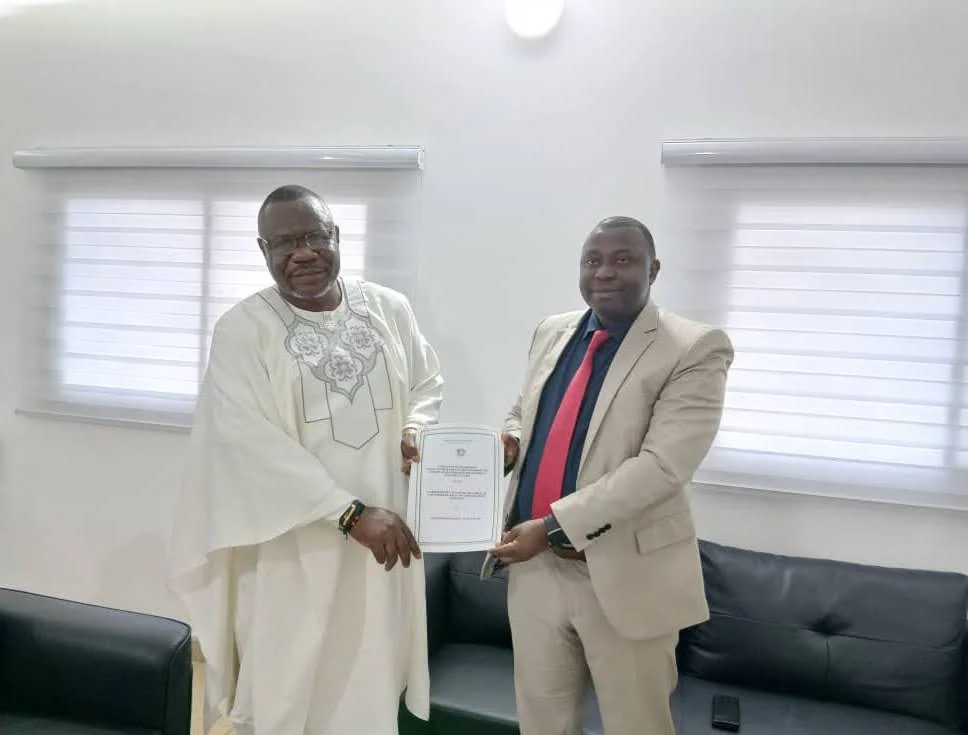
The Government of Mozambique’s National Youth Institute has officially designated World Education, a JSI Initiative, as the primary partner for the Eu Sou Capaz (I Am Capable) Technical Assistance and Training Activity. This strategic partnership, supported by the World Bank, represents a significant expansion of the Empowering Adolescent Girls to Earn and Read (EAGER) vision, a multi-national initiative spanning Mozambique, Zimbabwe, and Madagascar. The award marks a pivotal moment in the Mozambican government’s efforts to dismantle the systemic barriers that prevent adolescent girls from completing their education and transitioning into the formal economy. By focusing on scaling government-led interventions, World Education aims to address the complex intersection of social, economic, and behavioral factors that contribute to high school dropout rates among young women across the country.
The Eu Sou Capaz initiative is designed to move beyond traditional educational support by integrating transformative life-skills education with tangible material assistance and community-level advocacy. World Education’s role will specifically center on two primary objectives: strengthening the institutional capacity of the National Youth Institute to manage and scale these interventions, and implementing a data-driven social and behavior change (SBC) strategy. This approach is intended to reshape the cultural and structural landscape, ensuring that girls not only enroll in school but remain there until completion, equipped with the skills necessary for economic independence.
Contextual Background: The EAGER Strategic Vision
The EAGER project is a regional response to a shared crisis in Southern and Eastern Africa: the persistent gender gap in secondary school completion and economic participation. In Mozambique, where the National Youth Institute oversees the Eu Sou Capaz program, the challenges are particularly acute. Data from the World Bank and UNESCO indicate that while primary school enrollment has seen steady increases over the last decade, the transition to secondary education remains a critical bottleneck for girls.
The broader EAGER framework, which receives substantial financing from the World Bank, recognizes that the obstacles to girls’ education are rarely limited to a lack of classrooms or teachers. Instead, they are rooted in a "triple threat" of poverty, harmful traditional practices, and lack of agency. By aligning the Eu Sou Capaz program with the EAGER vision, the Government of Mozambique is leveraging regional best practices while tailoring solutions to the specific linguistic and cultural contexts of its provinces, from the northern reaches of Cabo Delgado to the southern hubs of Maputo.
Addressing the Root Causes of School Attrition
The core philosophy of the Eu Sou Capaz model is that access to education is insufficient if the environment surrounding the student is hostile to their success. Obert Darara, World Education’s Country Lead in Mozambique, emphasizes that the program is designed to identify and remove "invisible barriers." These barriers often manifest as deeply ingrained socio-cultural norms, including the prioritization of male education, the prevalence of early and forced marriages, and the high incidence of teenage pregnancy.
According to recent demographic health surveys in Mozambique, nearly 46% of girls are married before the age of 18, and a significant percentage of school dropouts are attributed to early pregnancy. Furthermore, the distance to schools in rural areas exposes girls to risks of gender-based violence (GBV), creating a climate of fear that discourages attendance. World Education’s strategy utilizes human-centered design (HCD) to redesign educational systems around the actual lived realities of these girls. This involves consulting with the girls themselves to understand their daily schedules, safety concerns, and the economic pressures their families face.
Chronology and Implementation: The Pilot in Sofala Province
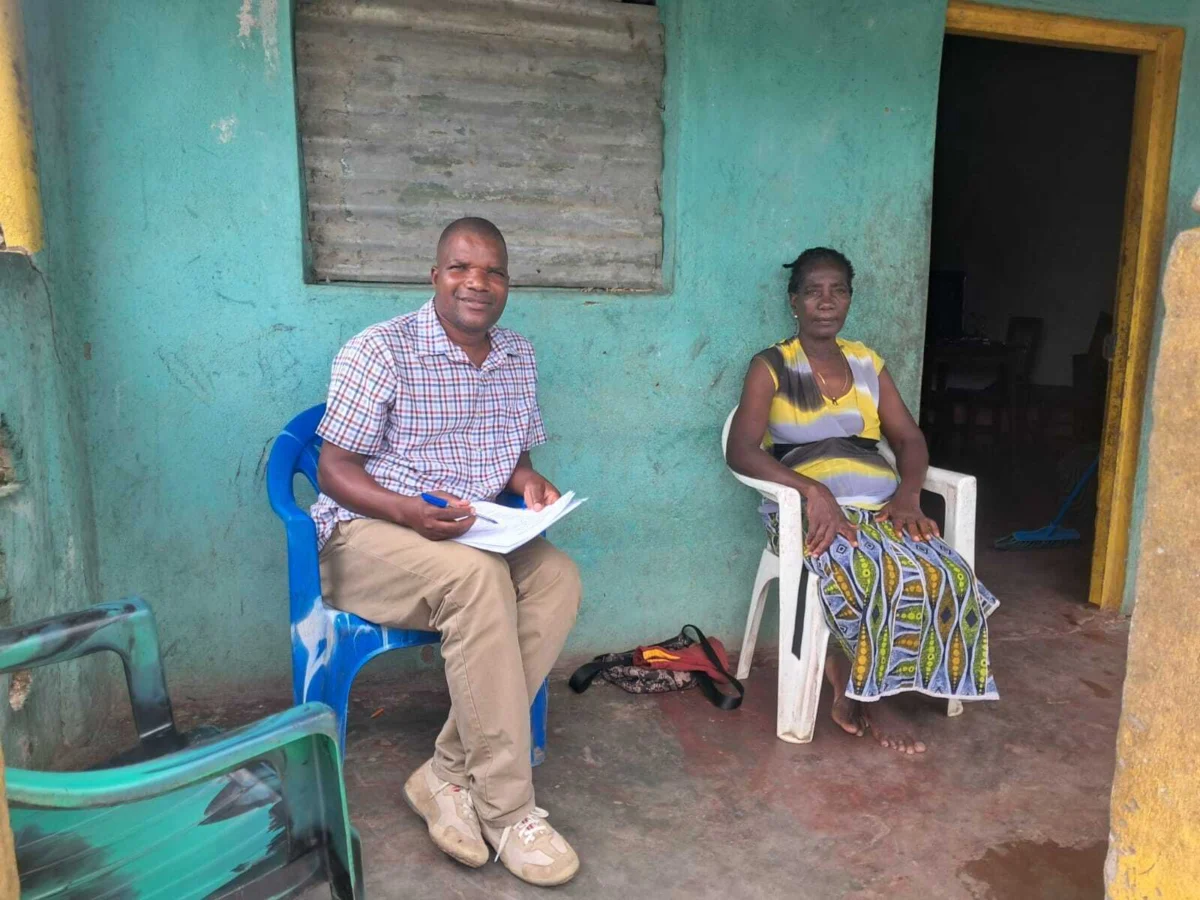
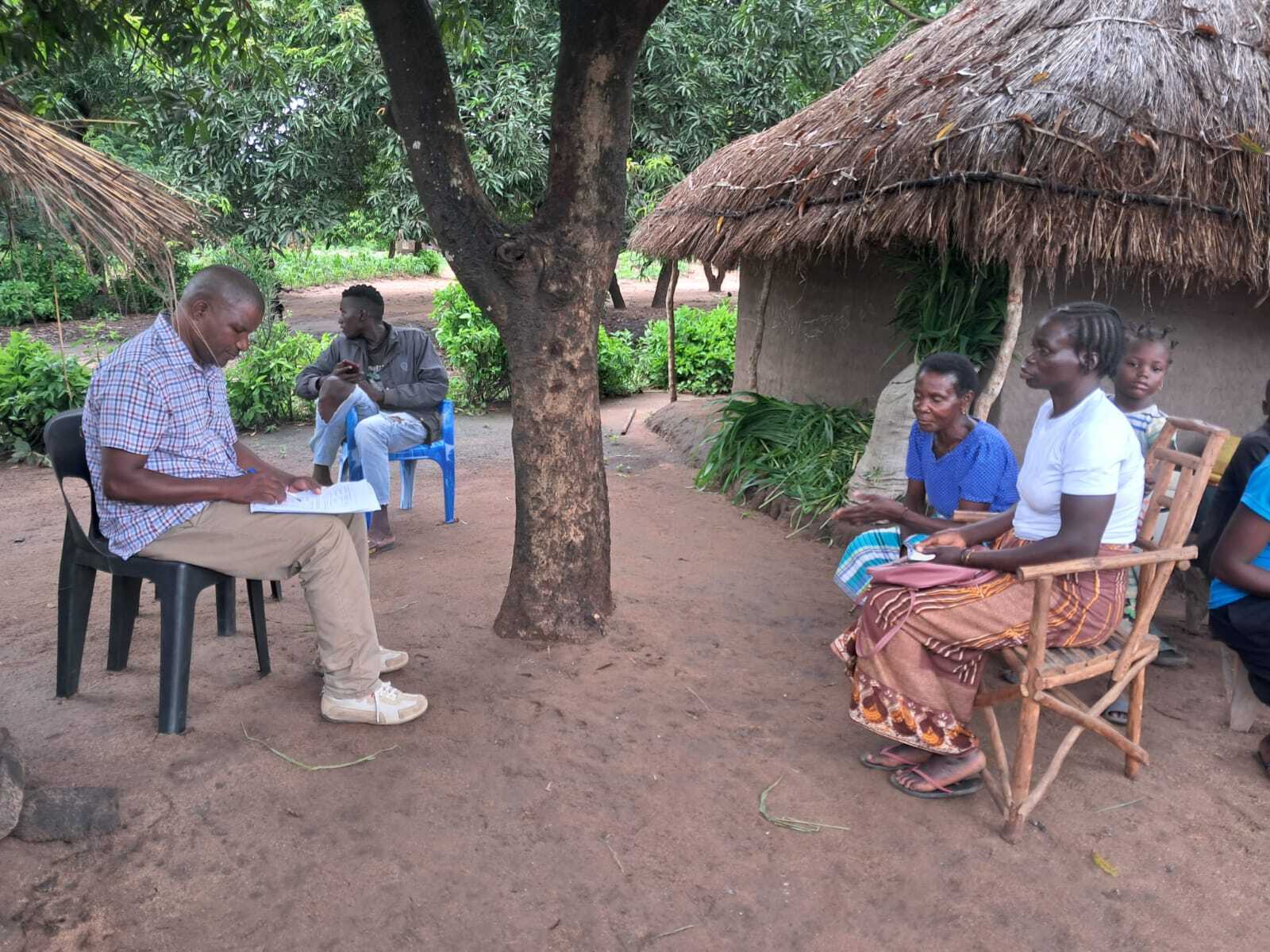
The implementation of the Technical Assistance and Training Activity follows a rigorous timeline of assessment and pilot testing. Recently, World Education personnel, including Alberto Domingos, conducted extensive field work in the Sofala Province to pilot the Community Leader Mapping Tool. This tool is a critical component of the program’s community mobilization strategy, designed to identify and engage the most influential figures within a village—including traditional chiefs, religious leaders, and elders.
The timeline for the current phase of Eu Sou Capaz involves:
- Initial Assessment and Tool Development: Establishing baseline data on dropout rates and identifying key "hotspots" where girls are most at risk.
- Community Leader Mapping (Pilot Phase): Conducting one-on-one interviews and focus groups in provinces like Sofala to refine the engagement strategy.
- Capacity Building for the National Youth Institute: Training government officials in program management, monitoring, and evaluation to ensure the sustainability of the initiative.
- Scale-up and Implementation: Rolling out the social and behavior change campaigns alongside the distribution of material support, such as school uniforms and bicycles, which reduce the logistical barriers to attendance.
By engaging community leaders early, the project seeks to build a local support network that can advocate for girls’ education from within the community, rather than imposing external mandates.
Supporting Data and Regional Expertise
World Education brings a 15-year history of regional impact to the Eu Sou Capaz initiative. Their previous work in Southern Africa has provided a blueprint for the current activity. Over the past decade and a half, World Education and its parent organization, JSI, have successfully implemented programs that have reached hundreds of thousands of adolescent girls. Their data-driven approach has historically resulted in:
- A measurable reduction in school dropout rates in targeted districts through the use of early warning systems.
- The training of thousands of community volunteers and teachers in gender-sensitive pedagogy and GBV prevention.
- The establishment of safe-space clubs where girls receive life-skills training, including reproductive health education and financial literacy.
In Mozambique, this expertise is being applied to ensure the Eu Sou Capaz model is both nationally scalable and locally responsive. The project utilizes a "lead by example" strategy, where successful graduates of the program return to their communities to serve as mentors, providing a visible pathway to success for younger girls.
Official Responses and Strategic Implications
The award of this technical assistance activity has been met with optimism by both international development partners and local stakeholders. The World Bank’s involvement underscores the economic imperative of the project. Analysis suggests that for every additional year a girl remains in secondary school, her potential future earnings increase significantly, which in turn contributes to the national GDP and reduces the cycle of intergenerational poverty.
The National Youth Institute has expressed that the integration of World Education’s technical expertise will allow the government to transition from a service-delivery model to a systems-strengthening model. This means that instead of merely providing aid, the government is building a robust infrastructure capable of identifying at-risk students and intervening before they leave the school system.
Obert Darara’s statement highlights the shift toward human-centered design: “By integrating social and behavior change with human-centered design, we are supporting the National Youth Institute to redesign systems around girls’ realities, ensuring enrollment leads to achievement.” This focus on "achievement" rather than just "enrollment" represents a sophisticated evolution in educational policy, acknowledging that a seat in a classroom is only valuable if the student is supported, safe, and motivated to learn.
Broader Impact: Education as a Catalyst for Change
The implications of the Eu Sou Capaz activity extend far beyond the classroom. By addressing the root causes of gender inequality, the program serves as a catalyst for broader social change. When girls are educated and empowered, they are more likely to delay marriage, have fewer and healthier children, and participate in the labor force.
The project also places a heavy emphasis on life-skills education, which includes training in negotiation, self-advocacy, and rights awareness. In regions where gender-based violence is a persistent threat, these skills are life-saving. By teaching girls how to navigate complex social environments and providing them with the tools to report abuse, the program strengthens the overall protection framework for children in Mozambique.
Furthermore, the focus on "Technical Assistance and Training" ensures that the impact of this award will outlast the duration of the contract. By training Mozambican officials and community leaders, World Education is transferring critical skills in data management, behavioral science, and project implementation to the local workforce. This focus on local ownership is essential for the long-term success of the EAGER vision.
As the Eu Sou Capaz initiative continues its rollout, the focus remains on the individual girls in provinces like Sofala. The success of the program will ultimately be measured not just by the number of uniforms distributed or the number of leaders mapped, but by the number of girls who walk across the stage at their secondary school graduation, ready to contribute to the future of Mozambique. Through the combined efforts of the National Youth Institute, World Education, and the World Bank, the "invisible barriers" to education are finally being made visible—and being systematically dismantled.