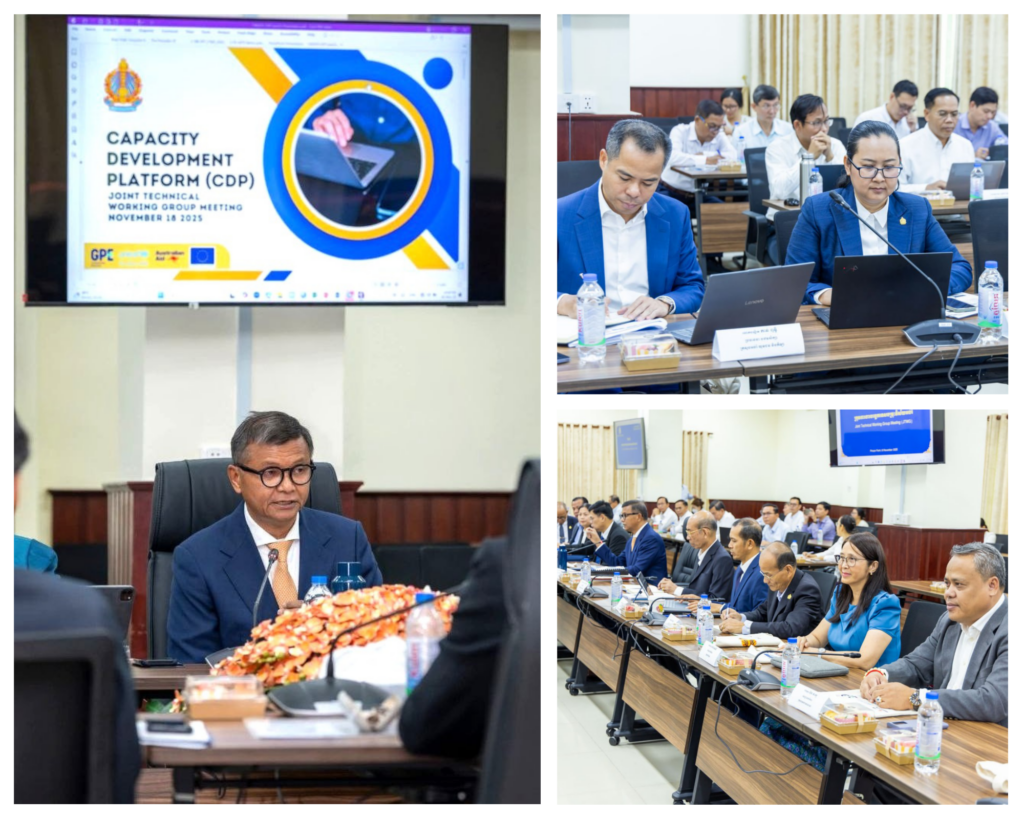
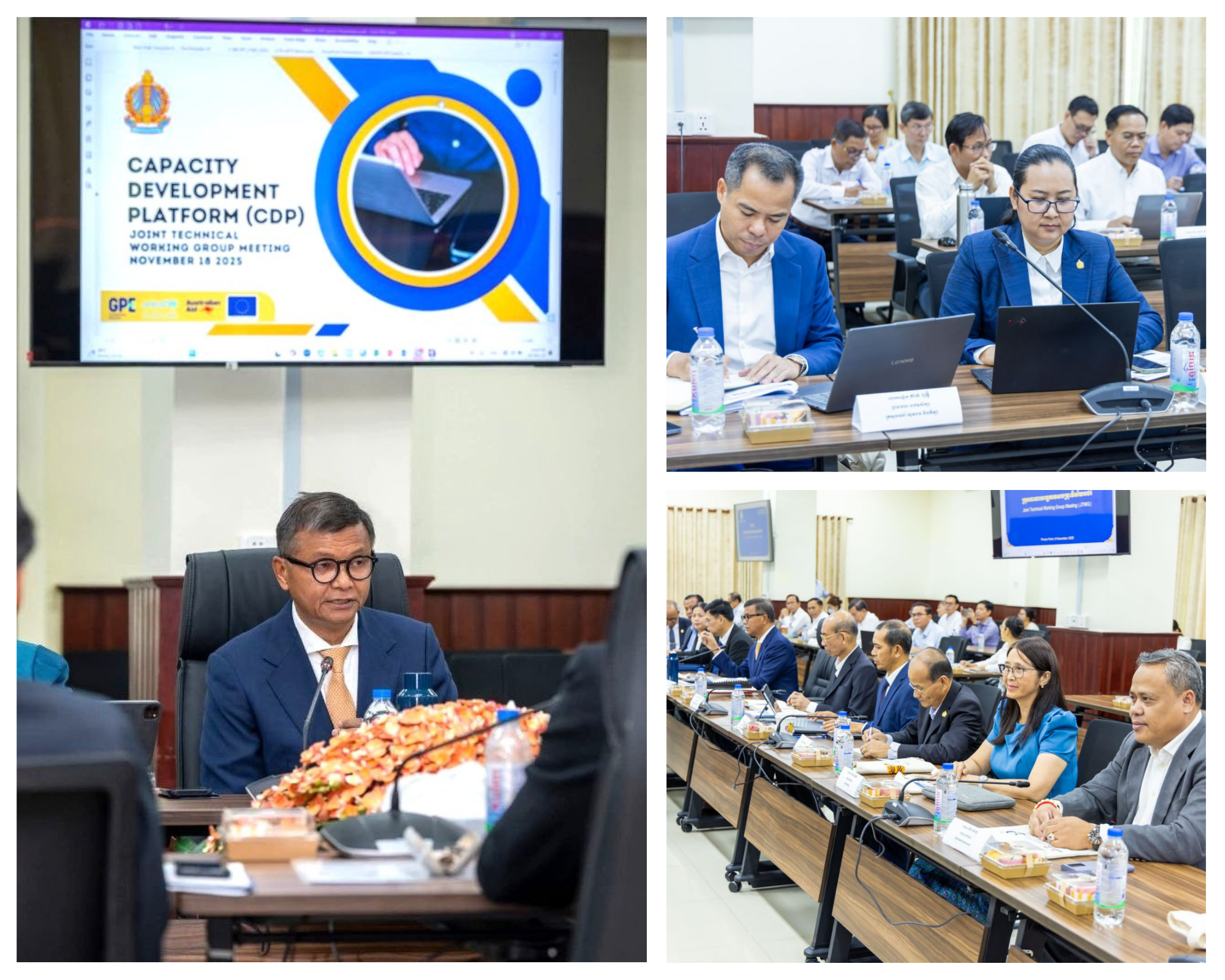
In a landmark development for Southeast Asian education, Cambodia’s Ministry of Education, Youth, and Sport (MoEYS), in close coordination with UNICEF and international development partners, officially inaugurated the Capacity Development Platform (CDP) in November 2025. This sophisticated digital ecosystem is designed to serve as the primary vehicle for teacher professional development across the Kingdom, providing a centralized, accessible, and accredited framework for educators to enhance their pedagogical skills. Co-designed by World Education, an initiative of JSI, and supported by a multi-donor funding consortium including the Global Partnership for Education (GPE), the European Union (EU), and the Australian Department of Foreign Affairs and Trade (DFAT), the CDP represents a pivotal shift from traditional, localized training models to a unified national digital infrastructure.
The launch of the CDP comes at a critical juncture in Cambodia’s broader "Pentagonal Strategy," which prioritizes human capital development and the digital transformation of the economy. By integrating teacher training into a digital-first environment, the MoEYS aims to bridge the persistent gap between urban and rural educational quality, ensuring that even the most remote educators have the tools necessary to deliver high-standard instruction. The platform is not merely a repository for content but a comprehensive management system that tracks professional credits, facilitates qualification upgrades, and aligns educator growth with national career progression frameworks.
Strategic Context and the Drive for Digital Transformation
The genesis of the Capacity Development Platform lies in the lessons learned during the global shift toward remote learning and the subsequent realization that digital literacy is no longer an optional skill for educators. In Cambodia, the education sector has faced historical challenges related to geographical accessibility and the equitable distribution of training resources. Prior to the CDP, professional development often required teachers to travel to provincial capitals or the national capital, Phnom Penh, leading to significant disruptions in classroom instruction and high administrative costs.
The CDP addresses these logistical hurdles by offering a "blended learning" model. This approach combines the flexibility of online modules with the depth of in-person instruction, allowing for a more sustainable and continuous form of professional growth. The platform’s introduction is part of a multi-year effort to modernize the Cambodian civil service, specifically within the education sector, which employs a significant portion of the country’s public workforce. By digitizing these processes, the MoEYS is creating a more transparent, data-driven system for monitoring teacher competencies and identifying areas where further institutional support is required.
Human-Centered Design: Bridging the Digital Divide
A cornerstone of the CDP’s development was the commitment to human-centered design. Recognizing that technology is only as effective as its adoption rate, World Education and MoEYS conducted extensive field research to understand the specific constraints faced by Cambodian teachers. This research highlighted three primary barriers: inconsistent internet connectivity in rural provinces, a reliance on smartphones rather than laptops for digital access, and a wide spectrum of baseline digital literacy among the teaching workforce.
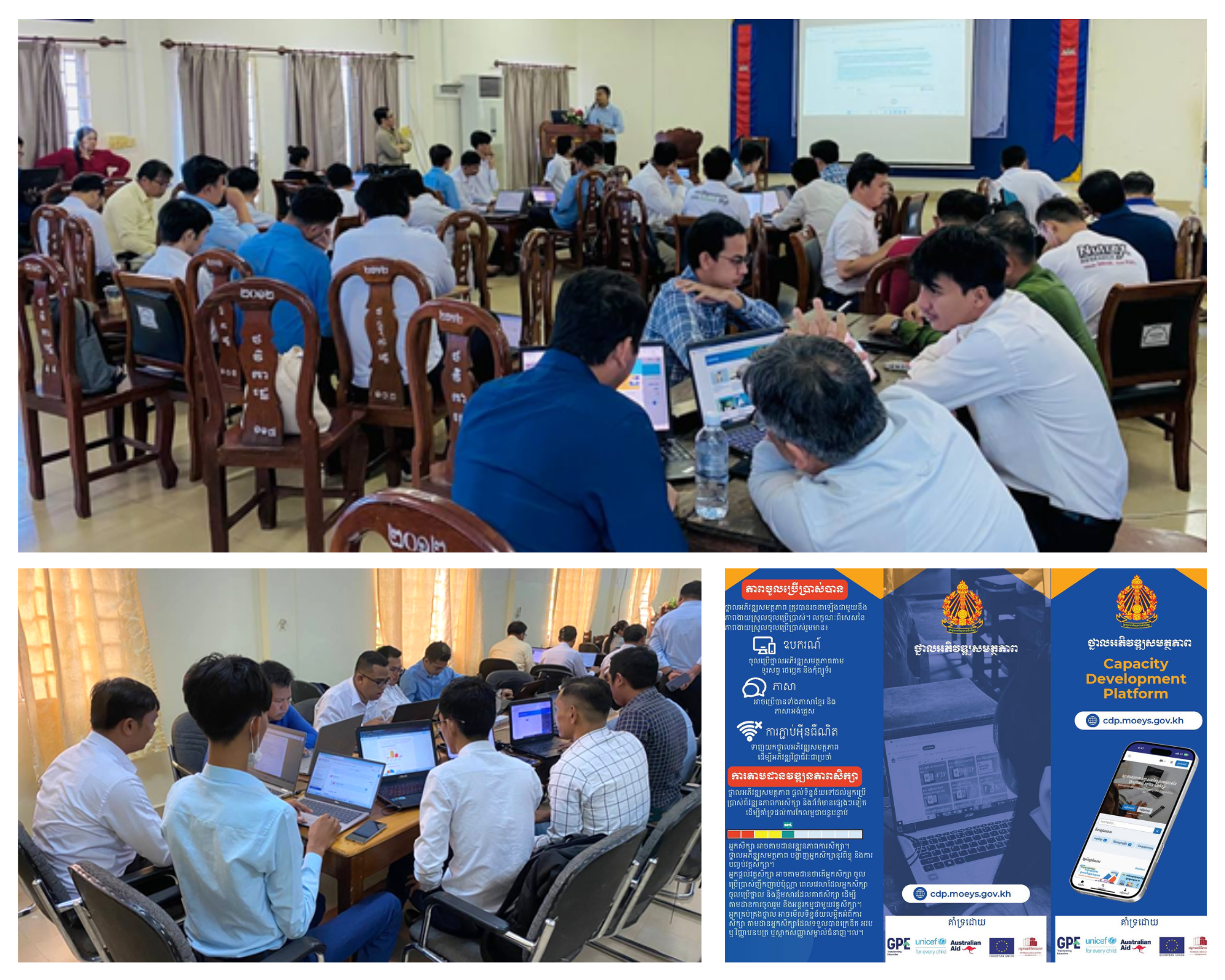
To mitigate these challenges, the CDP was engineered to operate efficiently in low-bandwidth environments. The interface is optimized for mobile devices, ensuring that teachers can access course materials, participate in forums, and complete assessments using the hardware they already own. Furthermore, the platform was designed with an intuitive user experience (UX) to accommodate educators who may be less familiar with complex digital management systems. This focus on accessibility ensures that the platform does not inadvertently widen the digital divide but instead serves as a tool for inclusion.
Chronology of Development and Implementation
The journey toward the November 2025 launch was marked by several critical milestones that emphasized collaborative governance and technical rigor:
- Conceptualization and Stakeholder Alignment (2023–2024): Following the pandemic-era disruptions, the MoEYS identified the need for a centralized digital training hub. Consultations were held with UNICEF and World Education to align the platform with the National Education Strategic Plan.
- Co-Design and Prototyping (Late 2024): Technical teams from World Education worked alongside the MoEYS Department of Digital Transformation to build a prototype that integrated with existing government databases.
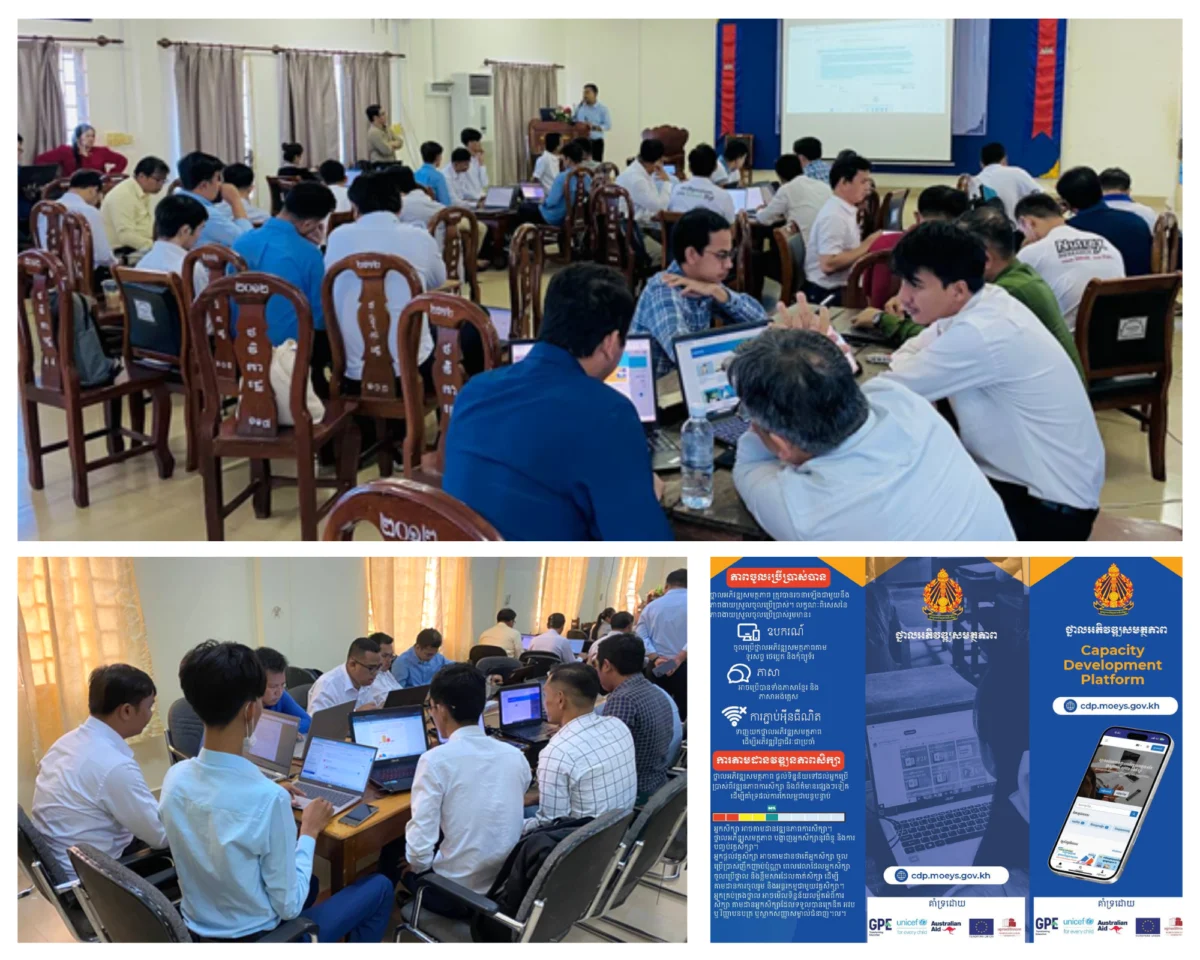
- Capacity-Building Workshops (May 2025): Two major rounds of workshops were conducted on May 5-6 and May 19-20, 2025. During these sessions, MoEYS staff and lead educators were trained on the platform’s administrative backend and pedagogical tools. These workshops were essential for fostering local ownership of the system.
- Beta Testing and Security Audits (August–October 2025): The platform underwent rigorous testing in selected districts to ensure data security and system stability under high user loads.
- National Launch (November 2025): The platform was officially opened to all educators nationwide, accompanied by a high-level ceremony featuring government officials and international dignitaries.
Institutional Integration and Career Progression
One of the most significant features of the CDP is its direct link to the national career progression system. Unlike standalone training programs, the credits earned through the CDP are officially recognized by the MoEYS for salary increments, promotions, and the attainment of higher professional designations. This integration provides a tangible incentive for teachers to engage in lifelong learning.
To ensure long-term sustainability, a dedicated governance group within the MoEYS has been established to oversee the platform’s operations. World Education has played a vital role in this transition, moving from a lead development role to a supportive technical capacity. Ownership of the CDP has been fully transferred to the Department of Digital Transformation, which has received specialized training in cybersecurity, server management, and content updates. This ensures that the Cambodian government has the sovereign capability to maintain and scale the platform without indefinite reliance on external consultants.
Impact Metrics and Early Successes
Since its inception, the adoption rate of the CDP has exceeded initial projections, signaling a high demand for digital professional development. Data released following the launch indicates the following:
- Total Registered Users: Over 44,000 educators have created profiles on the platform.
- Enrolled Learners: More than 23,000 teachers are actively enrolled in at least one accredited course.
- Course Diversity: The platform currently hosts modules ranging from Early Grade Reading (EGR) and mathematics pedagogy to Information and Communication Technology (ICT) and the application of Artificial Intelligence (AI) in the classroom.
The impact of these courses is already being felt at the classroom level. Mrs. Proeut Sanh, a primary school teacher from Kralanh District in Siem Reap Province, noted that the ICT modules have fundamentally changed her approach to instruction. By utilizing digital tools and AI for lesson planning, she has been able to create more interactive and participatory environments for her students, moving away from rote memorization toward active engagement.
Official Responses and Strategic Vision
At the launch ceremony, H.E. Dr. Hang Chuon Naron, Deputy Prime Minister and Minister of Education, Youth, and Sport, emphasized the transformative nature of the initiative. He remarked that the CDP is a "transformative step in Cambodia’s journey toward quality teacher education." He further stated that by digitizing professional development, the ministry is "empowering our educators with the tools, knowledge, and support they need to inspire learning and improve outcomes" for the next generation of Cambodian citizens.
International partners have also lauded the project as a model for regional cooperation. Representatives from UNICEF and the donor consortium (GPE, EU, and DFAT) highlighted that the CDP aligns with global targets for Sustainable Development Goal 4 (Quality Education). They noted that the platform’s success lies in its ability to harmonize international best practices with local context, ensuring that the technology serves the pedagogical goals rather than the other way around.
Analysis of Broader Implications and Future Outlook
The implementation of the CDP has broader implications for the Southeast Asian region. As neighboring countries look to modernize their education systems, Cambodia’s experience provides a blueprint for how to build a resilient, scalable, and inclusive digital infrastructure. The platform demonstrates that with the right combination of political will, international partnership, and human-centered design, it is possible to bypass traditional infrastructure limitations.
Looking ahead, the MoEYS and World Education are focused on the "Phase 2" expansion of the CDP. This includes the development of new content specifically designed to help teachers meet mandatory national standards for in-service qualification upgrades. These upcoming modules will further refine the blended learning model, ensuring a seamless transition between digital theory and classroom practice.
The long-term success of the CDP will depend on continuous content updates and the ongoing support of the teaching community. However, the initial data and the robust governance structure currently in place suggest that the platform will remain a cornerstone of Cambodia’s educational landscape for years to come. By placing the power of professional growth directly in the hands of teachers, Cambodia is not just upgrading its education system; it is investing in the foundational architects of its future.
The Capacity Development Platform stands as a testament to what can be achieved when technology is harnessed to serve human potential. As more educators join the platform and more courses are added to its catalog, the ripple effects of this digital transformation will be felt in classrooms across every province, ultimately contributing to a more educated, skilled, and digitally literate Cambodian society.