The highlands of Chiapas, Mexico, a region predominantly inhabited by Maya Tsotsil communities, are characterized by their bracingly cold and frequently rainy climate. Its principal urban center, San Cristóbal de Las Casas, a municipality celebrated as a "Magical Town" (Pueblo Mágico) for its preserved colonial architecture, is known to the Tsotsil people as Jobel Valley—the "place of grasses." For centuries, this valley has served as a vital nexus, a meeting point and exchange hub for the diverse Tsotsil communities nestled within these mountainous terrains. Within this rich cultural landscape, the responsibility for nourishing Tsotsil families rests squarely on the shoulders of women. This division of labor, particularly pronounced in communities like Chamula, is deeply etched into tradition, with men historically assuming the role of primary economic providers, while women meticulously manage the domestic sphere and orchestrate the intricate labor that sustains their food system. This system is a sophisticated, interconnected web encompassing the traditional milpa (a polyculture farming system), the backyard garden, and the management of livestock herds.
The Pillars of Traditional Tsotsil Sustenance
The resilience and self-sufficiency of Tsotsil families are intrinsically linked to the health and continuity of their traditional food system. In Nuevo Corral Chen, a community situated on the periphery of San Cristóbal, a collective of Tsotsil women has galvanized to actively practice and staunchly defend their ancestral agricultural methods. This system is not a monolithic entity but rather a dynamic interplay of three fundamental components: the milpa, the backyard garden, and the livestock. Each element acts as a crucial link, interdependent and essential for the overall nutritional security and autonomy of the families. The vulnerability or loss of any single link jeopardizes the entire chain.
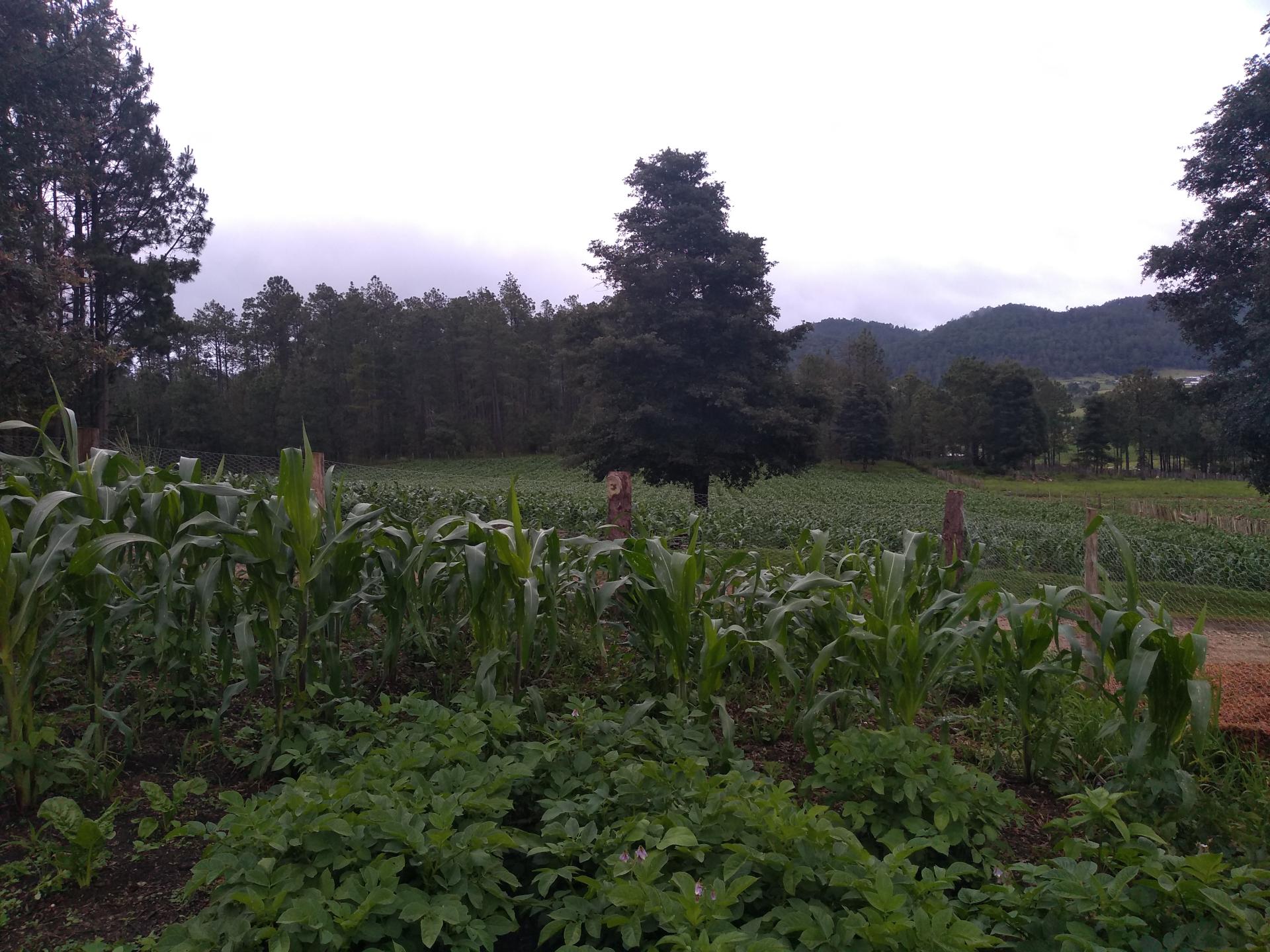
The cornerstone of traditional Tsotsil agriculture is the milpa, a polycultural system built around three vital crops: maize, beans, and squash. These plants are not merely grown in proximity; they exist in a symbiotic relationship. The broad, sprawling leaves of the squash plants provide a natural ground cover, shielding the soil from direct sunlight, minimizing evaporation, and retaining precious moisture. Simultaneously, the nitrogen-fixing capabilities of the bean plants enrich the soil, replenishing essential nutrients that would otherwise be depleted. This symbiotic partnership creates an optimal environment for maize, the undisputed primary crop and the dietary bedrock of the Tsotsil people. The agricultural cycle within the highlands is notably protracted, often spanning eight to ten months. Consequently, maize is harvested only once annually. Yet, during this extended growing season, the milpa yields a remarkable diversity of produce. Beyond the staple maize, families harvest squash in its various forms, an array of beans, tomatoes, potatoes, fava beans, and a wealth of edible wild greens, known locally as quelites, which are an integral part of the agroecosystem. The bounty of the milpa and home gardens plays a significant role in cultural practices, notably during the Day of the Dead celebrations in November, where offerings placed on altars and in cemeteries are composed of the season’s harvest. Following the harvest, the remaining crop stubble serves a crucial secondary purpose: providing vital sustenance for sheep flocks during the arid dry season.
Sheep Herds and the Enduring Labor of Women
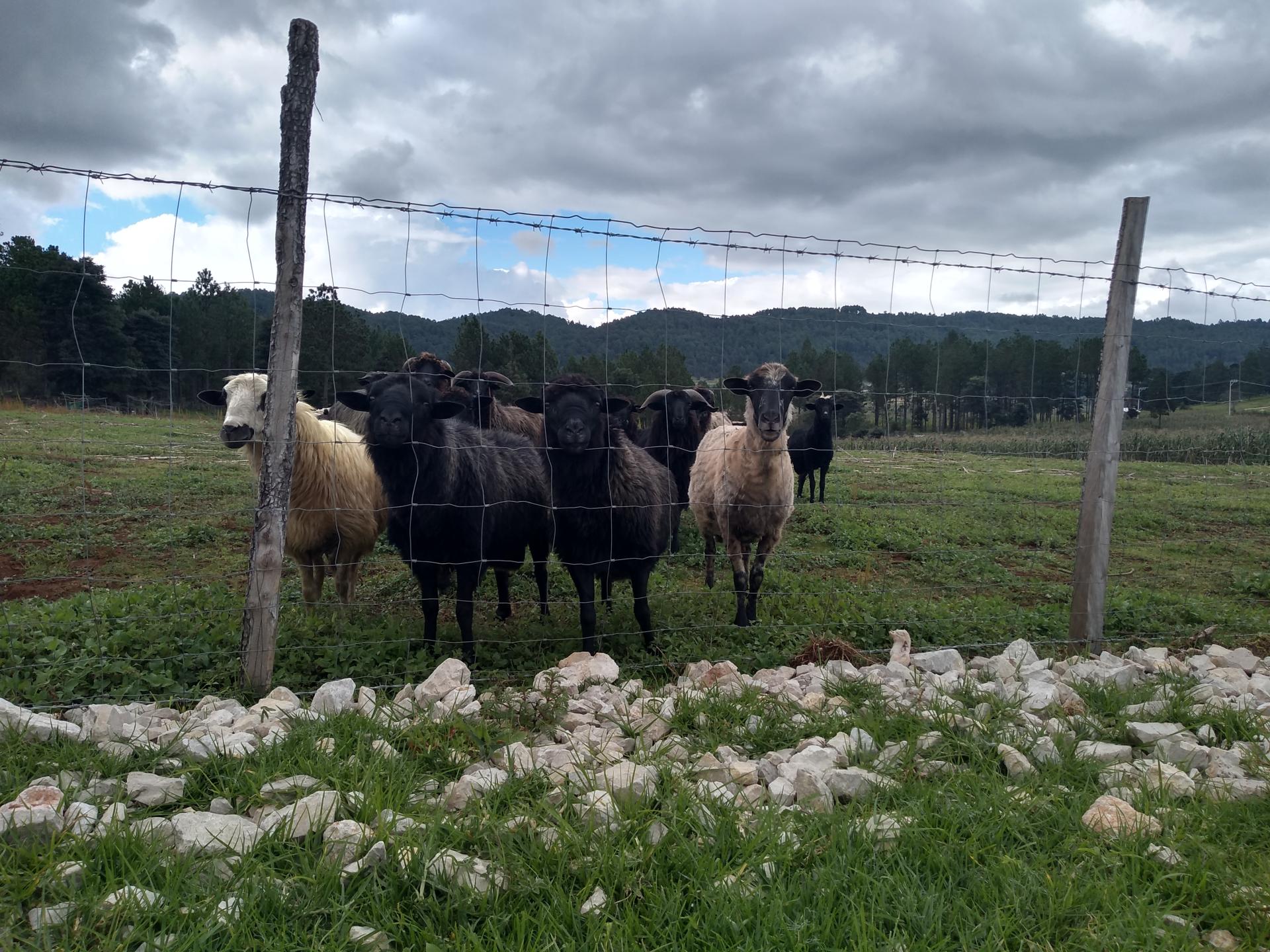
The frigid winters in the Chiapas highlands can bring temperatures dipping below freezing, a harsh reality that poses a significant threat to vegetation. Sheep flocks, however, possess a remarkable resilience, capable of weathering these conditions without substantial losses, provided families have access to the aftermath of the milpa harvest. The stubble left in the fields acts as a protective blanket, retaining moisture in the soil and shielding new growth from frost. This allows for the continued development of vegetation that serves as fresh fodder for the animals, ensuring their survival and well-being.
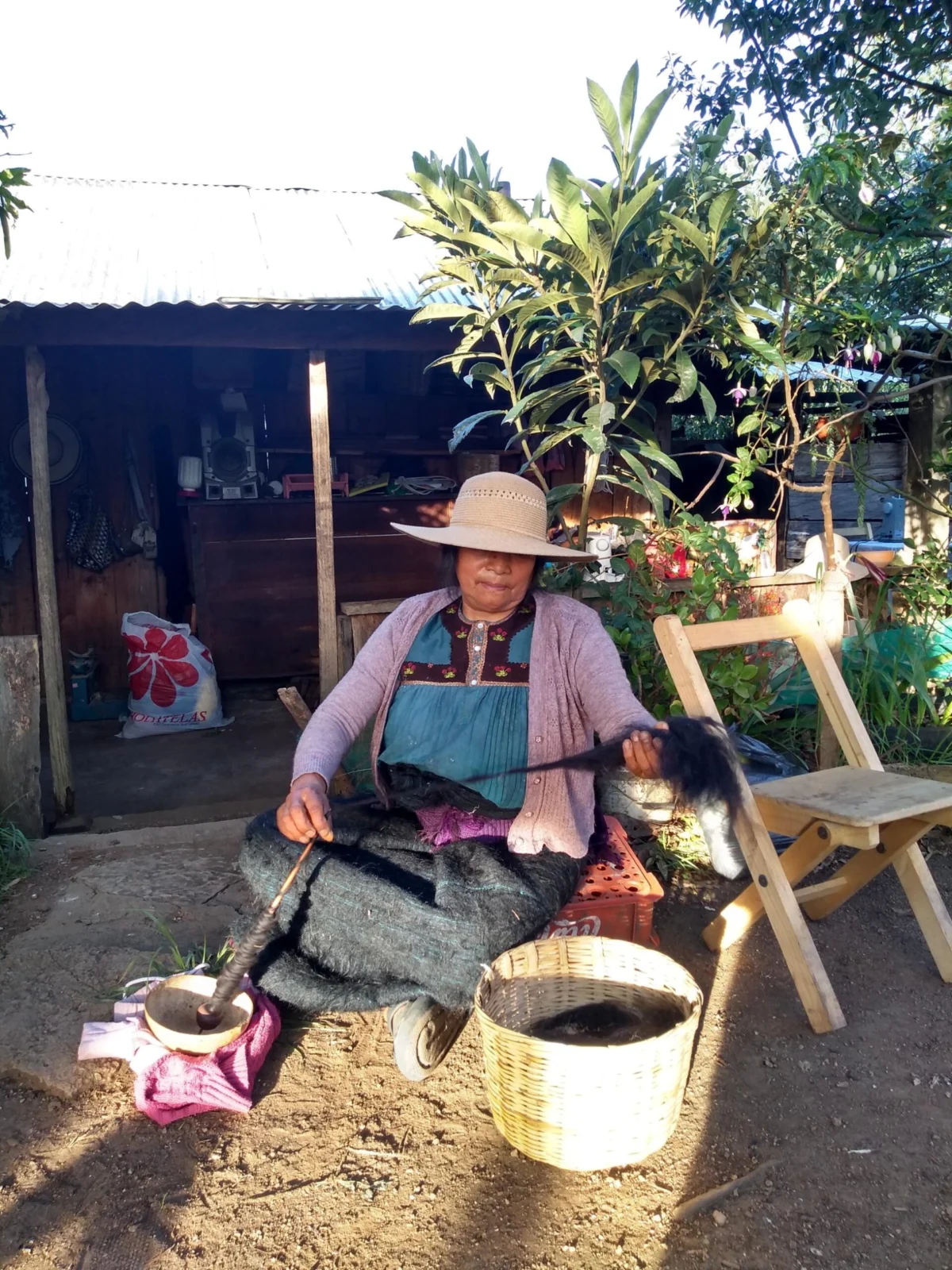
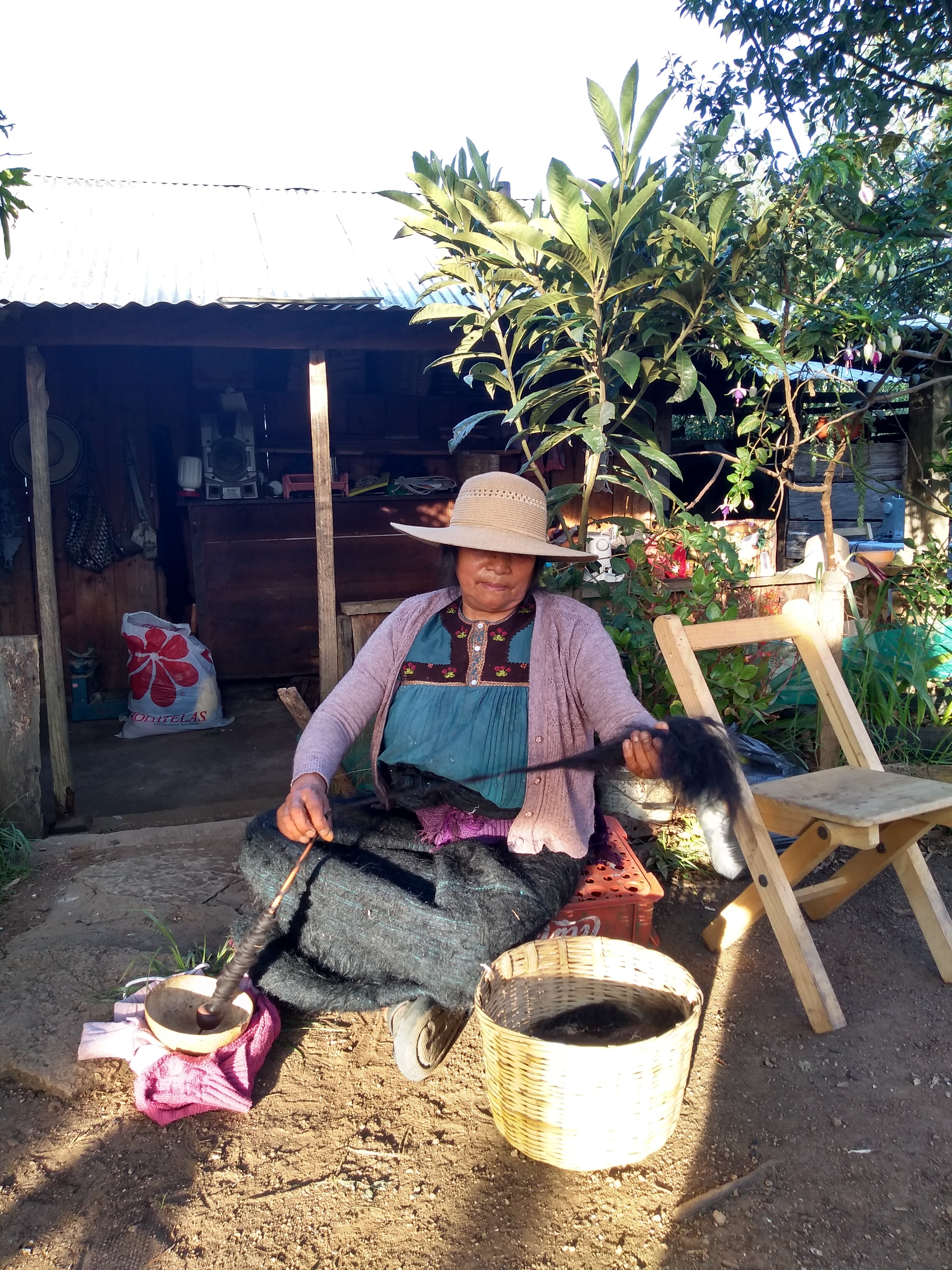
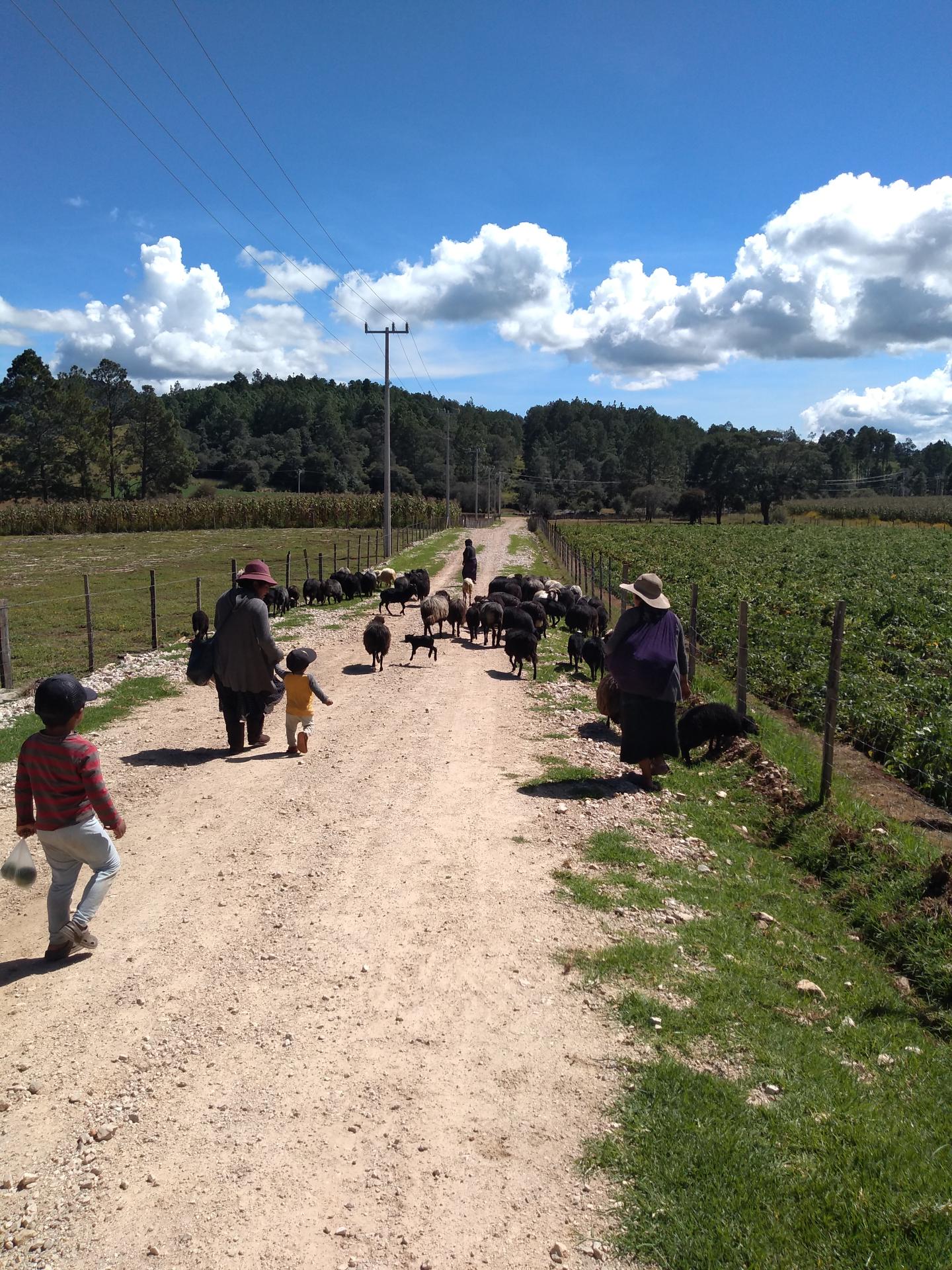
The defining characteristic of these highland sheep is their dense, insulating wool. This wool is the raw material for clothing meticulously crafted to suit the challenging climate: it provides essential warmth during the biting winter months and, due to a natural finish, offers a degree of water repellency, acting akin to a raincoat against the persistent mountain rains. The tending of these sheep flocks, from their daily grazing to their winter care, and the subsequent transformation of their wool into garments, are tasks traditionally undertaken by women. This transmission of knowledge and responsibility is deeply ingrained; it is customary for mothers or grandmothers to bestow their first pair of sheep upon their daughters, equipping them with the foundational assets to establish their own independent flocks.
The economic contributions derived from these sheep are substantial. Income generated through the direct sale of wool or the creation and sale of intricate handicrafts forms a significant portion of women’s economic activity, and in numerous instances, represents their sole source of financial independence. Beyond their economic value, the sheep contribute crucially to the fertility of the land through their manure. This natural fertilizer is meticulously collected and composted, serving as a primary source of nitrogen, a vital nutrient for enriching the milpa and the family’s backyard gardens.
Backyard Gardens: Cultivating Diversity and Nutritional Security
The areas surrounding Tsotsil homes, known as backyard gardens, are far more than mere extensions of living space. They are vibrant hubs where home gardens flourish and domestic animals are raised, effectively serving as extensions of the traditional kitchen. Food scraps and leftover maize from the household are carefully sorted and utilized as feed for a variety of poultry, and occasionally for a pig or two. Organic refuse is systematically composted, destined to be returned to the soil as nutrient-rich fertilizer, completing a closed-loop system of resource management.
These home gardens are instrumental in diversifying family diets. They yield an abundance of vegetables, tubers, aromatic spices, and a variety of medicinal plants, offering a broad spectrum of nutrients and health benefits. The produce from these gardens is not solely for immediate family consumption; it also supplements the diets of the poultry, ensuring that these birds are healthy and productive, providing a consistent supply of eggs and meat for both household needs and local sale.
Looming Threats: Environmental Degradation and Economic Vulnerability
Despite the inherent sustainability of traditional practices, the Tsotsil communities face mounting environmental and economic pressures. The primary economic activities in the region, namely woodworking and commercial potato farming, are inadvertently contributing to significant environmental degradation that impacts the entire territory. The demand for timber in woodworking leads to extensive logging, and the visible evidence of rapid deforestation is stark. Fertile, flat lands are highly coveted for large-scale commercial agriculture, resulting in the rapid transformation of once-forested areas into barren soil, stripped bare and prepared for monoculture cultivation.
The economic imperative, coupled with the demand for produce in the bustling San Cristóbal wholesale market, has driven some families to abandon traditional milpa farming in favor of cultivating and trading potatoes or other vegetables. This shift, however, carries inherent risks. When market prices for these commodities plummet, families are left in a precarious position. They face a loss of their primary income, fail to recoup their initial investment, and often incur substantial debt. Critically, this transition also means the disappearance of maize from their own food supply, leaving them vulnerable and dependent on external markets for their most essential staple. In many such instances, the economic hardship compels more than one family member to seek opportunities abroad, often migrating to the United States in search of work.
The Insidious Spread of Silent Pollution
Compounding these environmental challenges is the pervasive contamination of soil and water bodies by highly toxic agrochemicals. These substances, often banned in industrialized nations, pose a grave threat not only to human health but also to the entire delicate ecosystem of the region. The cultivation of potato and vegetable plots, with their relatively short three- to four-month production cycles, necessitates the frequent application of insecticides and fungicides, often every other day. Astonishingly, these products are readily promoted within rural farming communities in Mexico and are sold in local stores alongside everyday pantry staples. Their application is frequently carried out without adequate protective gear, and the empty containers are casually discarded as ordinary trash, contributing to a silent, insidious form of pollution that gradually permeates the entire region.
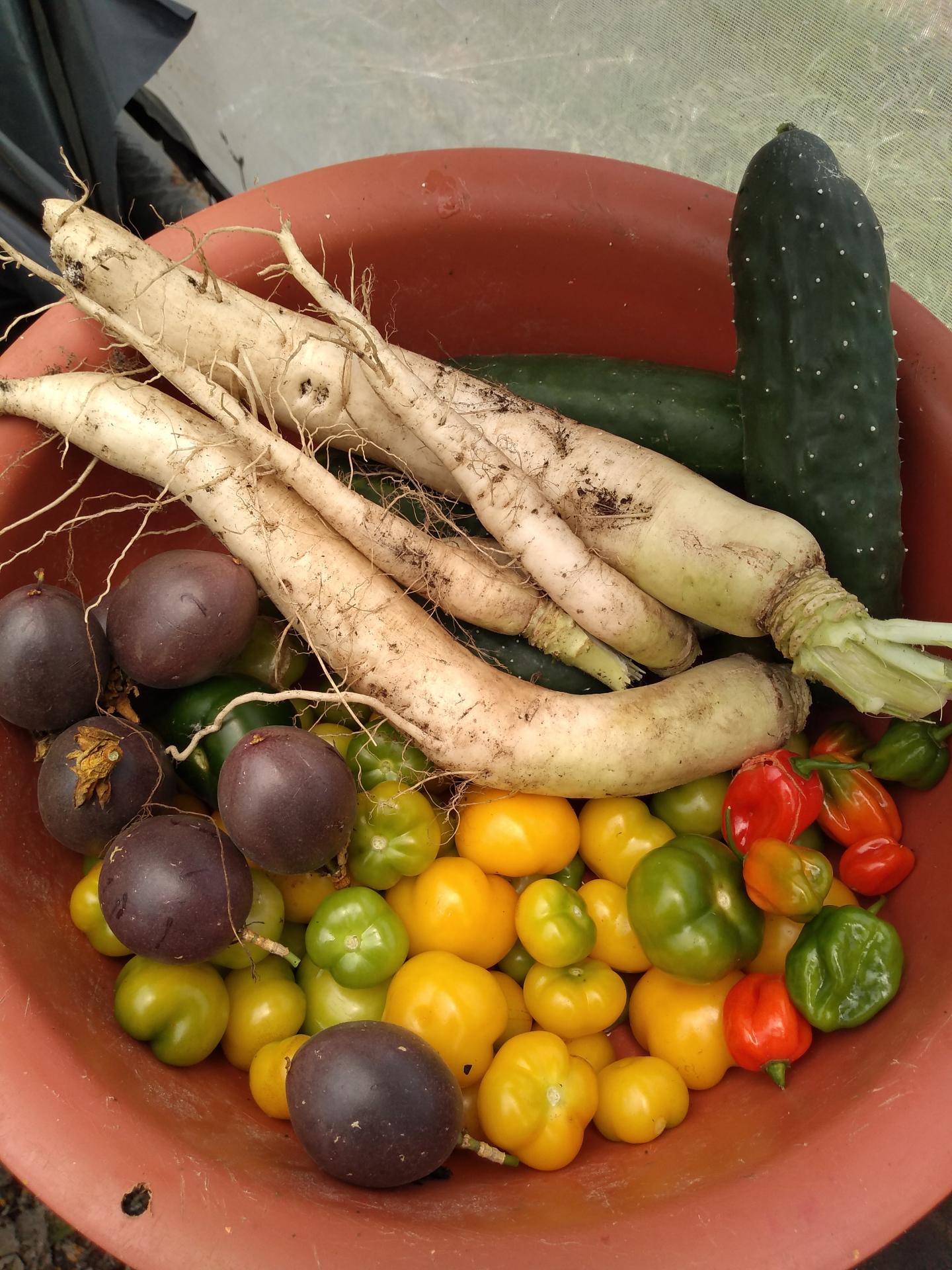
The relentless use of these agrochemicals has had a profound impact on traditional food systems. Beyond the direct competition for arable land, these chemicals foster resistance among pests and diseases. A particularly concerning development is the spread of blight, a fungal disease that historically afflicted only potatoes but is now increasingly observed in tomato crops, demonstrating its adaptability and destructive potential. Furthermore, the widespread adoption of agrochemicals is leading to the displacement of native seed varieties. While these traditional seeds are inherently resilient and do not require chemical inputs to thrive, their distinctive pink color renders them unmarketable in the contemporary agricultural landscape, leading fewer and fewer families to cultivate them. This loss of biodiversity represents a significant threat to the long-term sustainability of Tsotsil agriculture.
Collective Action and the Strengthening of Traditional Systems
In the face of these multifaceted challenges, the strengthening of the traditional food system, encompassing all its interconnected stages, has emerged as a powerful collective strategy for Tsotsil women. This organized effort serves as a vital mechanism for guaranteeing the right to healthy and culturally appropriate food, fostering female leadership, and actively pursuing autonomy in decision-making processes. It represents a fundamental form of resistance against a prevailing economic system that increasingly views food not as a right but as a purely commercial enterprise.
This collective endeavor is not without its obstacles, spanning both economic and social dimensions. While these traditional production sites ensure the self-sufficiency of families, it is lamentably common for no dedicated investment to be allocated for their improvement or expansion. In stark contrast to the well-equipped carpentry workshops often found with robust infrastructure, backyard plots are frequently maintained with only the barest minimum of resources. Adding to this disparity, husbands often assert a sense of entitlement, feeling empowered to grant or revoke permission for their wives to participate in collective activities—a practice that has become alarmingly normalized as a method of controlling women’s autonomy and engagement.
Charting a Course Towards Empowerment and Dignity
Over the past five years, a concerted effort has been made to develop and implement proposals aimed at enhancing these vital food systems. A strategic approach has been to design projects that are deeply rooted in the local context, with women consistently playing a leading role in every stage of development. This commitment to fostering leadership from the outset has begun to yield significant results. The collective work has borne tangible fruit, evidenced by the sustained and growing participation of families in these initiatives. Visible improvements are being made to backyard infrastructure and herd management practices, all of which translate directly into enhanced benefits for the families involved.
These concrete achievements are complemented by less tangible, yet equally profound, transformations. The women involved are experiencing a palpable increase in their confidence regarding social participation and a growing sense of personal autonomy. This newfound conviction is rooted in the understanding that they possess the capacity to achieve—and indeed, have an inalienable right to—a more dignified and self-determined life. The collective strength forged in the fields and homes of the Jobel Valley is a testament to the enduring power of tradition and the unwavering spirit of the Tsotsil women who are safeguarding their heritage and building a more resilient future for their communities.