São Paulo, Brazil – In the sprawling metropolis of São Paulo, a city often characterized by its relentless pace and the assimilationist pressures of Western aesthetics and capitalist consumption, Umeno Morita, an Ainu individual of diaspora, is forging a unique path through academic philosophy. Morita’s research delves into the intricate ways Asian-Brazilian bodies are physically and culturally shaped across ethnic divides. Rejecting the confines of assimilationist Nikkei community standards and homogenized urban queer narratives, Morita’s work seeks to unearth conceptual possibilities within the lived experiences and ancestral practices of the Ainu people in diaspora. At the heart of this exploration lies the Ainu understanding of existence, where the word "Ainu" itself simply means "human," offering a profound framework for Indigenous 2SLGBTQ+ survival that actively reclaims narratives historically targeted for erasure. Cultural Survival recently engaged in a comprehensive discussion with Morita, shedding light on the complexities of Indigenous identity, Pride, and resistance in a globalized world.
The Complexities of Pride and Indigenous Identity in an Urban Landscape
Morita begins by articulating the profound difference between living Pride from an Indigenous perspective and the more commonly visible, urban 2SLGBTQ+ narratives. "I live in the city of São Paulo," Morita explains, "and while I recognize it as a reference for diversity, it is also a place that ‘centrifuges’ experiences, especially those that exist in ‘difference.’ Everything in São Paulo easily falls into the logic of consumption, where access to spaces becomes about money. Consequently, preferences and niches are easily centrifuged into a white aesthetic, capturing and transforming non-white experiences into mere trends."
This urban environment presents a dual reality for Morita. On one hand, São Paulo’s anonymity offers a degree of autonomy from the 2SLGBTQ+-phobia that can exist within their highly assimilated Nikkei (Japanese-Brazilian) community, which often adheres to rigid Japanese stereotypes. On the other hand, mainstream 2SLGBTQ+ narratives, often shaped by white privilege, struggle to grasp the inextricable link between Indigenous identity and physical existence. "I often feel that if my existence is non-binary, it is because in our language, Ainu means ‘human/people’ and Kuru means ‘person as an existence of self in a body,’ and a human is neither man nor woman; it is just a human," Morita states, highlighting the fundamental difference in conceptualizing personhood.
Morita contrasts this with dominant urban experiences that often emphasize breaking away from conservative families to construct new gender paradigms. "To me, this non-binary, transforming world has always existed. It is embedded in the very words my people use to describe reality," they assert. While acknowledging that pre-colonial life had functional roles tied to reproductive stages, Morita emphasizes that the Ainu did not understand themselves through gender before colonization, but through their practices within the community. "I don’t want to break grand paradigms in the binary gender system; I just want our people to remember that we have always existed without fixing ourselves to binaries," Morita concludes, framing their work as a process of reclaiming and rebuilding, rather than a radical invention.
Visibility, Risk, and the Nuances of Protection
The concept of Pride often centers on visibility, yet Morita keenly observes the inherent risks associated with being seen. "Japanese assimilation brings a very rigid moral package," Morita notes, referring to the pressure within the Asian-Brazilian community towards strict cis-heteronormativity. This pressure extends beyond overt rejection to subtle forms of violence and belittlement, even from those who outwardly align with anti-oppression discourses. "Inside our families, making yourself visible means being exposed to the violence of cynicism, not from a lack of access to reality, but from deliberate denial," Morita explains.
The responsibility to protect the Ainu community, Morita stresses, extends to all who identify as Ainu, regardless of their gender identity. The desire to reclaim ancestral knowledge of the body and existence is strong, but the pervasive power dynamics of São Paulo create a dual threat: internal familial violence and external commodification. Outsiders, by differentiating the Ainu from the Japanese, often treat them as objects of ethnic curiosity, drawing them into a cycle of self-consumption. "Visibility is deeply tied to this consumption, justifying our introduction into the system as consumers too," Morita observes.
Morita recounts the painful realization that even sisters who advocate for trans politicians can simultaneously perpetuate violence and mockery towards their non-binary existence. This contradiction underscores a need to address how families are ensnared by superficial identity politics. The urgency to protect not only themselves but also their sisters from harmful consumption and violent logics is profound. "In this confusion, I realize I need to find spaces where they understand that by violating me, they contribute to the systems that violate them," Morita states.
There is no easy balance to be struck. Morita navigates this by employing a "harm reduction protocol," analyzing the violence reproduced within their own community and families. This process is agonizing but deemed inevitable. Concurrently, Morita strives to foster a world that shields their people from the learned behaviors of white supremacy, recognizing that reproducing violence is a self-inflicted wound. This self-reflection extends to their own responses within oppressive systems.
Cultural Anchors: Language, Spirituality, and Territory
Morita finds profound resonance in Ainu language, spirituality, and their ancestral territory as guiding forces for understanding gender identity and sexual orientation. The word "Ainu" meaning "human" serves as a powerful affirmation of their existence. "Ainu-Moshiri," their ancestral territory, translates to "the place where there are humans." The concept of "Kuru," meaning "person," extends even to animals, such as crows (Paskuru, or "messenger person"), demonstrating a worldview where personhood is not exclusively human. "Ainu-Repunkuru" – "Ainu who is a person existing beyond the ocean" – encapsulates the diaspora’s identity.
"Existing is not exclusive to humanity, much less to gender, which is why Ainu words do not define gender the way Portuguese does," Morita elaborates. They find a powerful parallel in the Brazilian film "Bacurau," where a child, when asked what someone born in Bacurau is called, responds, "A human!" This echoes the Ainu understanding that all born in Ainu-Moshiri, or descended from it, are fundamentally human.
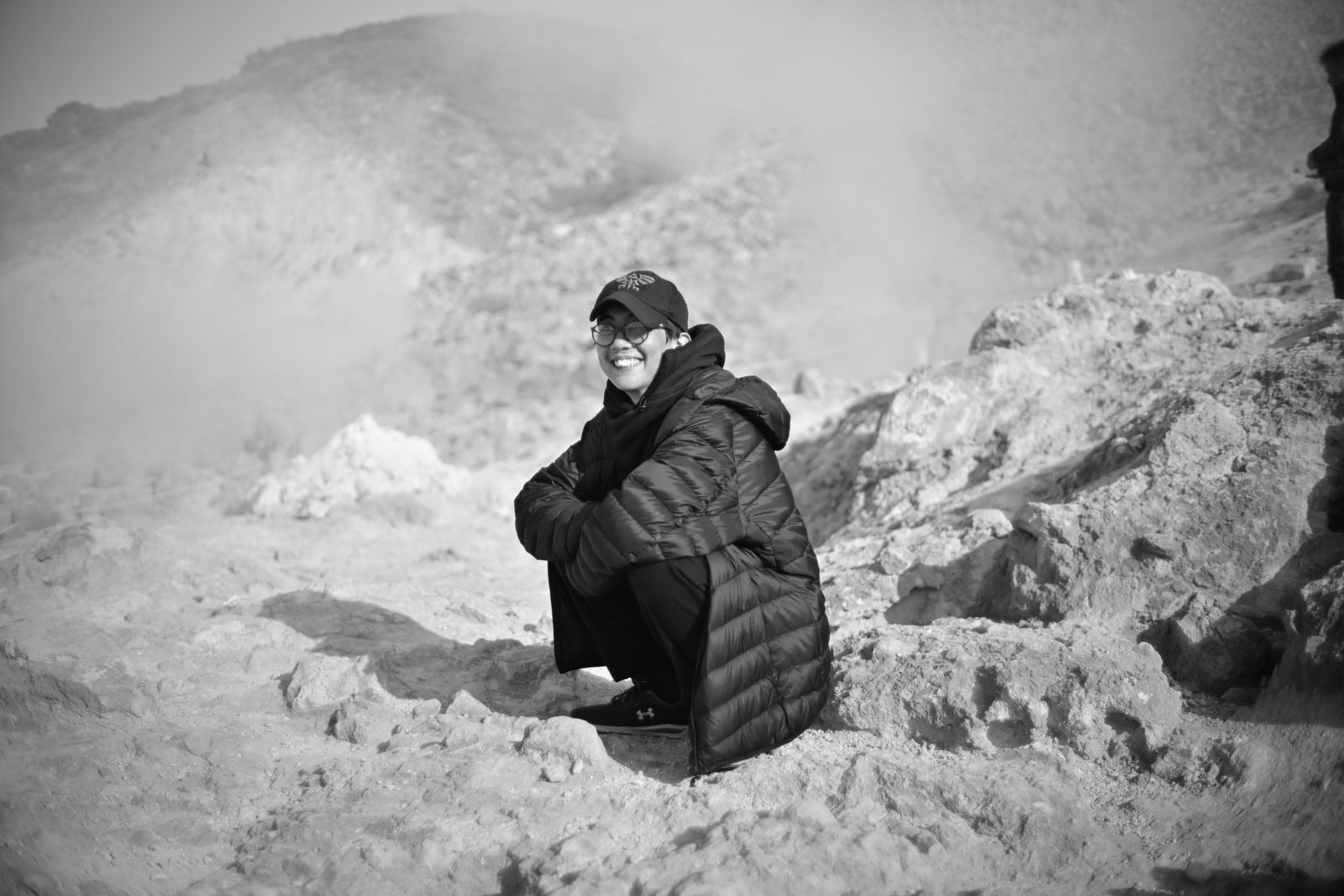
Morita’s identity is not confined by binary gender. They see themselves as akin to the crow, the ocean, and the crossing that defines their existence. "Binary gender cannot hold an ocean. We are much more than gender," Morita declares. This expansive understanding challenges the anchoring of human existence to rigid gender categories, advocating instead for a fluid and interconnected sense of being.
Deconstructing Colonial Impositions on Gender and Sexuality
Morita critically examines the colonial ideas that continue to shape understandings of gender, sexuality, and diversity. Within the Japanese-Brazilian community, the "model minority" myth persists, positioning East Asian groups hierarchically above Black and Indigenous communities. This myth, Morita argues, serves to absolve whiteness of historical violence by attributing success to supposed inherent qualities of effort, domesticity, and obedience, qualities allegedly lacking in marginalized groups. Integral to this myth is the imposition of cis-heteronormativity – the idealized provider father and the strictly hetero-composed family.
The pressure to conceal diversity is intertwined with notions of "etiquette" concerning intimacy. While Japanese culture often emphasizes privacy within the domestic sphere, Morita contends that this emphasis can be perverted into a rule against discussing anything that deviates from the status quo, under the guise of maintaining etiquette. This naturalization of Japanese reserve, Morita explains, can trap physical expressions and individual identities.
Morita contrasts the perceived reserve of Japanese public displays of affection with the joyful physical contact prevalent among the Ainu, including hugs and blessings. However, they note the pervasive influence of "Japanese etiquette" on Ainu interactions. "The physical gestures minimized under the guise of ‘Japanese etiquette’ are what I perceive as colonized bodies: an economy of movement, a way to ensure certain expressions remain hidden from the public eye," Morita states. While this can protect intimacy in safe spaces, it also serves to conceal dissidence, contributing to the erasure of 2SLGBTQ+ identities in both Japan and Japanese-Brazilian communities.
Responding to Historical Narratives and the Present Reality
When confronted with the phrase "this didn’t exist before in our cultures," Morita offers a nuanced response. "Nobody can truly map exactly how it was; we can only strive to live in our bodies authentically today," they assert. While they believe evidence of non-binary genealogies can be found in Ainu history, Morita emphasizes that the past does not dictate the present. "The fact is, it exists now, as both ancient and new ways to continue our ancestral paths," Morita declares, valuing contemporary authenticity over strict adherence to historical precedent.
The painful choice between belonging to one’s Indigenous community and the 2SLGBTQ+ community is a reality Morita acknowledges. However, they posit that fragmentation is inherent to all existence, not exclusive to marginalized identities. "Cis-heterosexual identities are also split and fragmented. There is no existence without change, fragments, shifting choices, and evolving attitudes," Morita explains. The violence of white aesthetics within the 2SLGBTQ+ community and the reproduced prejudice within the Indigenous community necessitate an agile navigation of these spaces. "The fragments of my indigenous identity give me the strength to confront white aesthetics, and the fragments of my non-binary identity give me the strength to confront the oppressions reproduced within my indigenous community," Morita concludes. "It is always exhausting, but I need to exist."
Indigenous 2SLGBTQ+ Resistance Beyond Conventional Spaces
Indigenous 2SLGBTQ+ resistance, Morita contends, extends beyond marches and institutional spaces. It is rooted in the fight for community protection of gender and sexual dissidences. "We must insist within our communities so that we, as 2SLGBTQ+ indigenous people, receive protection from our elders and across all generations," Morita urges. This requires challenging internal moral conservatism and fostering intergenerational understanding. The ultimate goal is to expand safe spaces within communities, protecting them from both external oppressions and internal violence.
Indigenous languages play a crucial role in naming identities and bodies that defy Western categories. Morita sees these languages as more "open" and less rigid in their definitions compared to fixed Western terms like "gay," "lesbian," or "trans." This fluidity allows for a more authentic expression of identity and affection.
Supporting Indigenous Voices and Envisioning a Liberated Future
Morita offers a clear directive to organizations and allies seeking to support 2SLGBTQ+ Indigenous people: "Hire 2SLGBTQ+ indigenous people to tell their own stories through your platforms." Autonomy in communication and community-led initiatives are paramount. "Let us speak for ourselves. We do not want to communicate everything, nor do we want to use the same methods," Morita insists.
Looking towards a truly free future, Morita envisions Indigenous communities where 2SLGBTQ+ individuals are not only accepted but recognized as vital bearers of knowledge, leadership, and healing. This future prioritizes the protection of both people and territory, where identity is fluid and community choices are driven by collective needs rather than individual embodiment. "We exist for the importance of the practice, not for the individual practicing it," Morita concludes, emphasizing a collective and holistic approach to existence and community well-being.