A year after the National Park Service (NPS) introduced a controversial system using QR codes to solicit public input on "negative" historical content within national parks, a comprehensive analysis of over 35,700 submitted comments has revealed overwhelming public opposition to attempts to alter or remove historical narratives. The findings strongly indicate that the American people are "vehemently opposed to attempts to erase history and censor national parks," according to the Center for Western Priorities (CWP), a nonpartisan conservation and advocacy organization that conducted a detailed review of the publicly released data. This public outcry underscores a deep national commitment to historical accuracy and comprehensive storytelling, even when confronted with challenging aspects of the nation’s past.
The Genesis of the Directive: A Political Imperative
The initiative to scrutinize and potentially revise historical narratives within national parks originated from a significant presidential directive. In March 2025, then-President Donald Trump signed an executive order titled "Restoring Truth and Sanity to American History." This order explicitly instructed the National Park Service, an agency within the Department of the Interior, to undertake a thorough review and subsequent removal of any materials deemed to "inappropriately disparage Americans past or living (including persons living in colonial times)." The executive order was widely seen as a response to ongoing national debates about historical interpretation, particularly regarding the portrayal of foundational American figures, the legacy of slavery, indigenous history, and other contentious topics. It reflected a broader political push to present a more "patriotic" or "unifying" version of American history, often criticized by historians and academics as a form of historical revisionism.
The directive followed years of escalating "culture wars" surrounding public monuments, educational curricula, and the interpretation of historical events. Critics argued that such executive actions sought to sanitize history, removing inconvenient truths in favor of a narrative that avoids discomfort or criticism of past actions. Proponents, however, maintained that the goal was to correct perceived historical biases and to foster a sense of national pride by focusing on achievements rather than perceived failings.
Implementing the Order: The QR Code Initiative
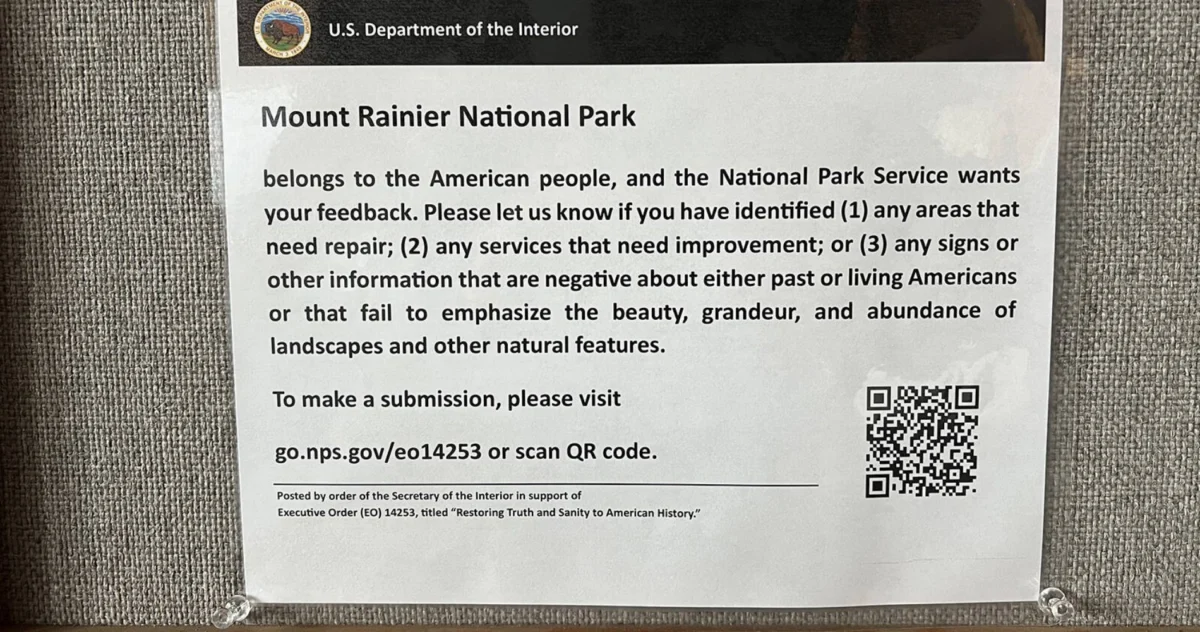
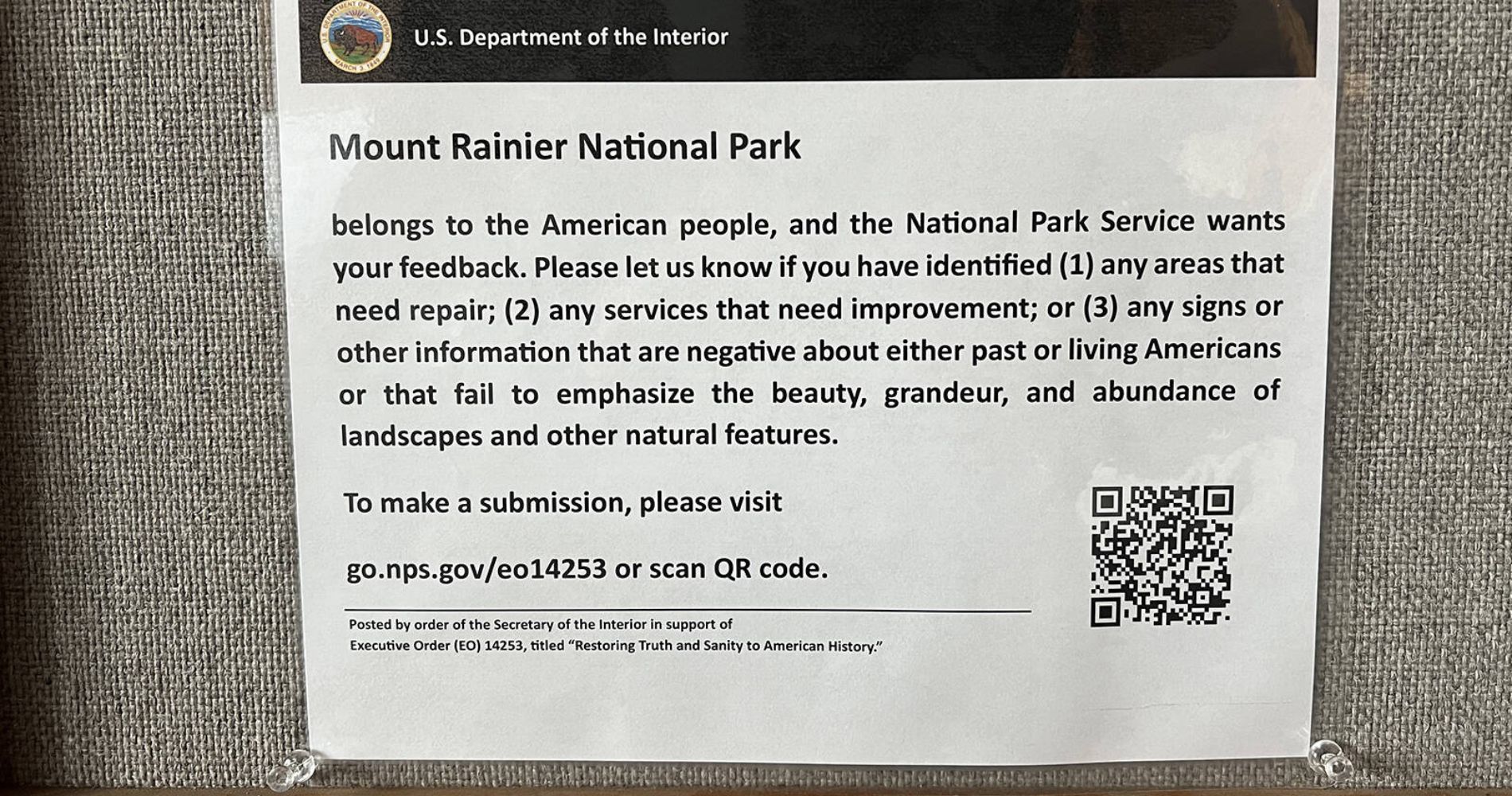
To operationalize the President’s executive order, Interior Secretary Doug Burgum issued Secretary’s Order 3431, mirroring the executive order’s "Restoring Truth and Sanity to American History." This secretarial order directed NPS staff across its vast network of properties to implement a novel feedback mechanism. QR code signs were prominently displayed at national park sites, inviting visitors to identify "any signs or other information that are negative about either past or living Americans or that fail to emphasize the beauty, grandeur, and abundance of landscapes and other natural features." This broad mandate effectively deputized park visitors in a nationwide review of interpretive materials, from informational plaques and exhibit texts to multimedia displays.
The deployment of these QR codes marked a significant departure from traditional methods of public engagement on historical content, which typically involve expert panels, scholarly review, and extensive public comment periods with clearly defined parameters. The open-ended nature of the "negative content" prompt raised immediate concerns among historians, conservationists, and civil liberties groups, who worried about the potential for subjective interpretations to dictate historical narratives and for the process to be weaponized against accurate but uncomfortable historical facts.
A Deluge of Dissent: Analysis of Visitor Comments
Last month, the Department of the Interior released the raw data comprising 35,700 comments submitted through these QR codes over the past year. While this number might seem substantial, the Associated Press characterized it as a "tepid response," particularly when contrasted with the sheer volume of visitors to national parks. The National Park Service recorded an astounding 323 million visits across its more than 400 sites in the preceding year, suggesting that only a tiny fraction of visitors engaged with the QR code system. This low engagement rate itself could be interpreted as a lack of widespread concern about the existing historical content or, conversely, as a subtle form of protest against the initiative.
The detailed analysis by the Center for Western Priorities, using the full dataset, painted a clear picture of public sentiment. Contrary to the administration’s apparent intent to solicit complaints about "negative" history, the vast majority of comments expressed strong opposition to the directive itself. The CWP identified a mere 47 comments that either flagged a sign for removal or expressed broad support for the removal effort.
Further dissection of these 47 comments revealed even more nuance:
- Demands for More Inclusive History: A significant portion, 20 comments, actively used the feedback mechanism to "demand more inclusive history and better representation in signage." These visitors highlighted instances where historical markers omitted crucial perspectives or even contained outdated and offensive language, such as racial slurs, advocating for expansion and correction of history, rather than reduction.
- Unclear, Satirical, or Factual Inaccuracies: Thirteen comments were categorized as unclear, satirical, or primarily focused on flagging factual inaccuracies unrelated to the "negative content" directive. This indicates some visitors used the platform for general feedback or to express bewilderment at the nature of the request.
This leaves a strikingly small number: only 14 visitors out of 35,700 who used the form to flag "negative" content in a manner consistent with the administration’s stated intention of removing disparaging historical references. This miniscule figure, representing less than 0.04% of all comments, profoundly undermines the premise that there is widespread public demand for sanitizing national park narratives.
Even after accounting for potential "form letters" or coordinated opposition efforts from advocacy groups, the CWP found that an overwhelming 99.8% of the comments "defended historical accuracy, expressed support for the NPS, or pushed back against the order." This near-unanimous rejection signals a robust public defense of comprehensive and unvarnished historical storytelling within cherished national spaces.
The Associated Press conducted its own corroborating analysis, which similarly found that the bulk of the comments criticized the effort itself. The AP cited several vivid examples:
- A visitor to a North Carolina park denounced the administration’s efforts as "un-American."
- Another visitor vehemently objected to "having Americans call in and snitch on each other," highlighting concerns about fostering an environment of surveillance and denunciation.
- A poignant comment from a visitor to Gateway Arch National Park in St. Louis articulated a common sentiment: "We had a great time learning about the development of this site including the difficult parts of our American story. We need those reminders to help us become even better in the future." This statement encapsulates the public’s understanding that history, even its challenging aspects, serves as a vital tool for reflection and future progress.
Disregarding Dissent: NPS Proceeds with Changes
Despite the clear and overwhelming public opposition documented in its own data, the National Park Service has reportedly proceeded with altering or removing dozens of signs across the national park system. This move has drawn sharp criticism from historians, watchdog groups, and the public, who argue that the agency is disregarding public sentiment and its core mission of preserving and interpreting American history accurately and comprehensively.
The disconnect between public feedback and agency action raises serious questions about the transparency and integrity of the process. Critics suggest that the QR code initiative may have been primarily a performative exercise, designed to create an appearance of public consultation while the underlying directive to revise historical content was always intended to proceed, regardless of the feedback received.
Watchdog Efforts: Documenting the Erasure
In response to these developments, concerned citizens, historians, and academics have mobilized to document and counter the perceived erasure of history. "Save Our Signs," a dedicated watchdog group, was founded by a collective of librarians, public historians, and data experts specifically to monitor and record changes to interpretive materials within national parks.
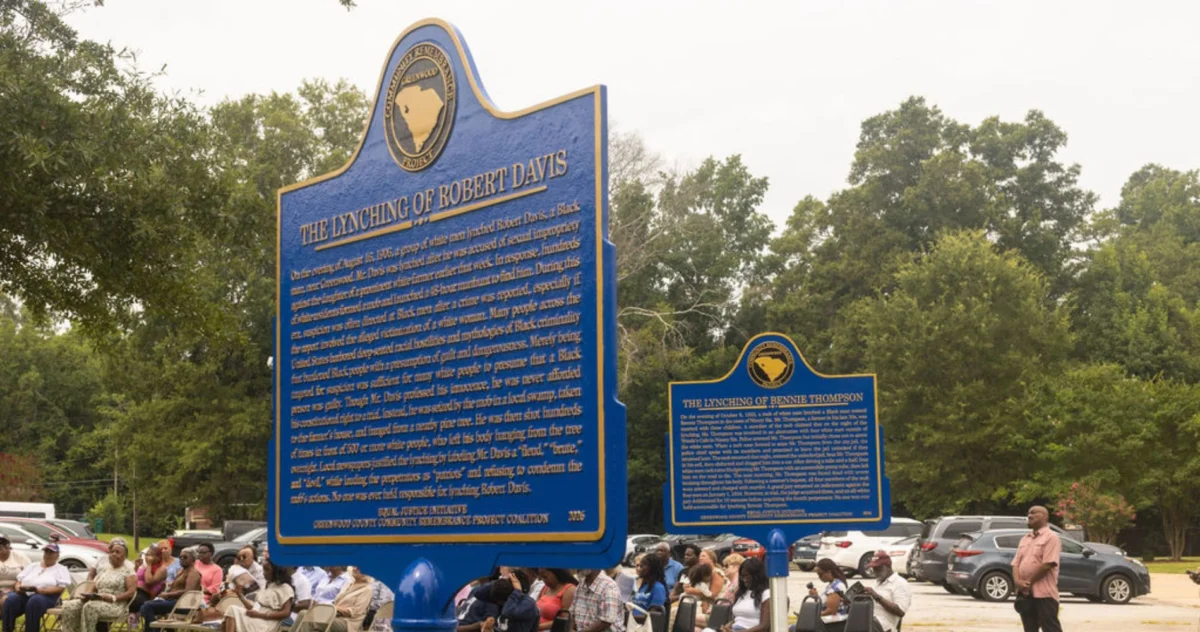
Jenny McBurney, a University of Minnesota librarian and a founding member of Save Our Signs, informed the Associated Press that her group has already documented the removal or modification of at least 59 signs. These changes have affected crucial historical narratives, including those pertaining to slavery, women’s rights, and Native American history – precisely the types of "difficult parts of our American story" that many visitors expressed a desire to preserve and learn from.
Save Our Signs is actively building a "People’s Archive" of content at the parks. This grassroots initiative encourages visitors to submit photos of existing signs and exhibits, creating a crowdsourced repository that can serve as a historical record of what was present before the directive, and potentially identify further changes. This effort not only aims to document historical content but also empowers the public to participate actively in its preservation.
Ms. McBurney emphasized the broad public support for their mission: "We hear from folks all over the country that history matters, that our national parks matter and that this is important to them." This sentiment highlights the deep personal connection many Americans have to their national parks as living classrooms and sites of shared heritage.
Broader Implications and Future Outlook
The controversy surrounding the National Park Service’s historical content initiative carries significant implications for the integrity of public history, the role of national institutions, and the ongoing national dialogue about identity and memory.
Impact on Historical Integrity: The selective removal or alteration of historical content risks creating a sanitized, incomplete, or even misleading narrative of American history. Historians argue that a full understanding of the past requires confronting both its triumphs and its tragedies, its heroes and its complexities. Suppressing uncomfortable truths can prevent critical reflection and learning, undermining the educational mission of national parks.
Erosion of Public Trust: When an agency like the NPS appears to disregard overwhelming public feedback, it risks eroding public trust. The perception that public consultation is merely a formality, rather than a genuine effort to incorporate diverse perspectives, can alienate citizens and diminish their faith in governmental institutions.
The Role of National Parks: National parks serve as vital sites for environmental conservation, recreation, and historical education. They are meant to be places where all Americans can connect with their heritage and understand the diverse stories that have shaped the nation. Politicizing their historical interpretation can transform them from unifying spaces into arenas of ideological conflict, potentially alienating segments of the population.
Precedent for Future Administrations: This episode sets a concerning precedent for how future administrations might seek to influence historical narratives within federal agencies. It raises questions about the long-term autonomy of expert historians and park rangers in curating content, potentially subjecting historical interpretation to the shifting winds of political agendas.
Academic and Expert Response: While not explicitly detailed in the provided article, it is highly probable that academic historians, museum professionals, and historical societies have voiced strong objections to these actions. Such groups typically advocate for evidence-based historical scholarship, peer review, and a commitment to presenting complex, multi-faceted histories, rather than simplified or politically expedient versions. Their expertise is crucial in navigating sensitive historical topics and ensuring accuracy.
The ongoing efforts by groups like "Save Our Signs" demonstrate the resilience of civil society in defending historical accuracy. The "People’s Archive" initiative, in particular, showcases a proactive approach to counter potential historical erasure through collective action and digital preservation.
As the nation continues to grapple with its past, the public’s emphatic rejection of attempts to censor or whitewash history within its national parks serves as a powerful reminder of the enduring value placed on truth, transparency, and comprehensive storytelling. The future of historical interpretation in these cherished sites will likely remain a battleground, reflecting broader societal debates about how America understands and presents its own complex identity.