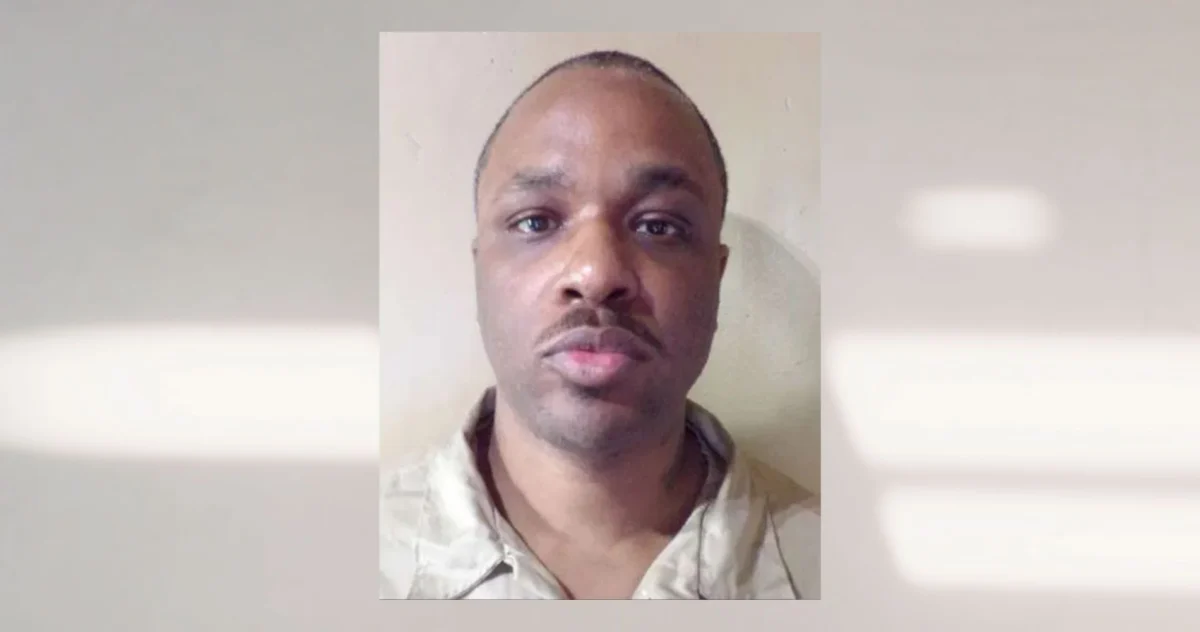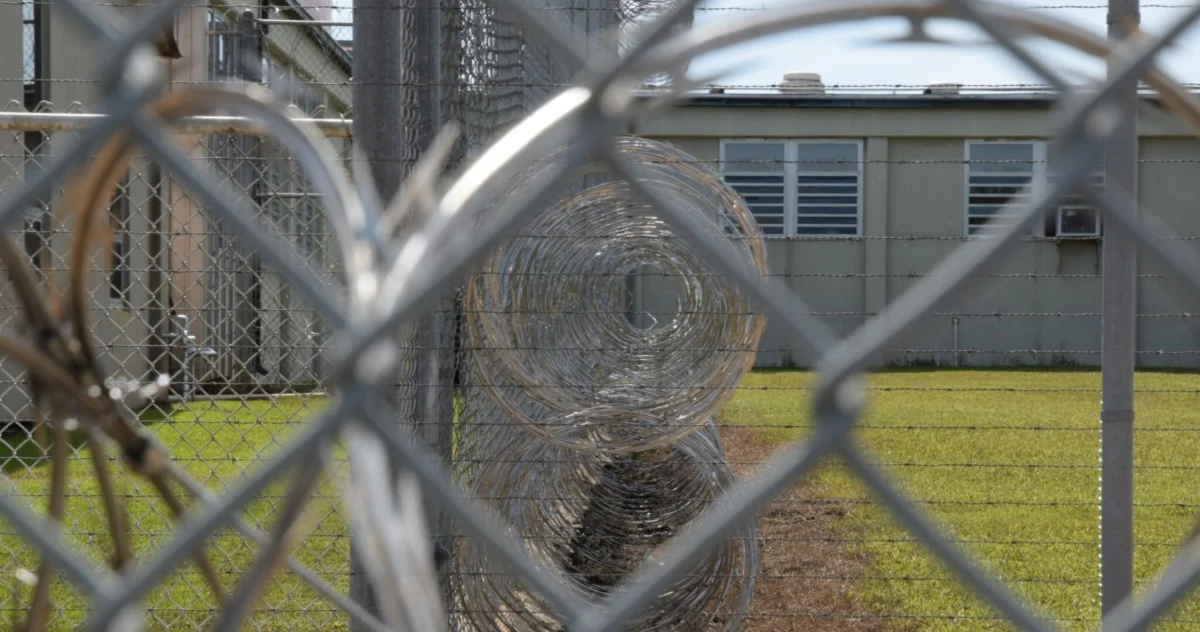
Jeffery Brian Parker, a 45-year-old incarcerated man, was fatally beaten inside a housing dormitory at Ventress Correctional Facility in Clayton, Alabama, on July 14, marking yet another grim milestone in a state prison system plagued by persistent, lethal violence. Mr. Parker’s death serves as a harrowing case study of the vulnerabilities facing the incarcerated population in Alabama, particularly for those who have explicitly identified themselves as targets of aggression. According to reports, Mr. Parker had survived a previous physical assault on May 30 and had made multiple, documented requests to prison leadership for protection—pleas that ultimately went unheeded before his life was taken in the facility’s dormitory housing.
The death of Mr. Parker is not an isolated incident but rather the 10th homicide recorded within the Alabama Department of Corrections (ADOC) system in the last 12 months. Ventress, in particular, has emerged as a focal point of concern for civil rights advocates and federal oversight bodies. Mr. Parker is the third person to be killed at the Clayton facility since the beginning of 2026. On December 29, 2025, 32-year-old Marvin Taylor was severely beaten in the head, succumbing to his injuries on January 4, 2026. Mere days later, on January 10, 2026, 31-year-old Andre Dunlap was stabbed in the head and face, also resulting in a fatality. These sequential deaths within the same facility have intensified calls for immediate reform and accountability from state leadership.
A Chronology of Unchecked Violence
The environment at Ventress Correctional Facility has been described in legal filings and investigative reports as inherently unstable. A federal judicial ruling in 2023 underscored the severity of the situation when a judge concluded that a prisoner who had been raped at the facility provided a plausible account of a system characterized by "rampant, life-threatening inmate-on-inmate violence." The judge’s findings painted a bleak picture of a facility where armed, unsupervised individuals were essentially free to move throughout the prison, exercising dominance over others without the intervention of custodial staff.
Despite a settlement reached between the Alabama Department of Corrections and plaintiffs in February 2025—which sought to address these constitutional lapses—the rate of violence at Ventress has shown no signs of abating. Statistical data compiled by the ADOC itself confirms the scale of the crisis. In 2025 alone, Ventress recorded 164 documented assaults against prisoners. This figure averages out to nearly one violent incident every 48 hours. The trend continued into the first four months of 2026, during which time 38 additional assaults were reported, signaling that the measures implemented following the 2025 settlement have failed to curb the daily threat to life and safety within the prison’s walls.
The Broader Context: A System in Constitutional Crisis
Mr. Parker’s murder is the 103rd homicide of an incarcerated Alabamian documented by researchers since April 2019. It was during that month that the United States Department of Justice (DOJ) formally notified the State of Alabama that conditions within its correctional facilities were fundamentally unconstitutional. The DOJ’s investigation concluded that the state’s prisons were subjecting those in their custody to a level of pervasive, systemic violence that is both cruel and unusual, violating the Eighth Amendment of the U.S. Constitution.
When the Alabama Department of Corrections failed to implement sufficient reforms in the wake of these findings, the federal government escalated its response. In December 2020, federal prosecutors filed a landmark lawsuit against the state, alleging that Alabama had failed to protect prisoners from predictable and preventable harm. The DOJ’s complaint was unequivocal: "The Department of Justice conducted a thorough investigation of Alabama’s prisons for men and determined that Alabama violated and is continuing to violate the Constitution because its prisons are riddled with prisoner-on-prisoner and guard-on-prisoner violence." The lawsuit further detailed that these constitutional violations have manifested in a litany of preventable tragedies, including frequent homicides, sexual assaults, and life-altering physical injuries.
Since the filing of the federal lawsuit in 2020, 78 incarcerated individuals have been killed within Alabama’s prison system. This statistic highlights a persistent failure to achieve the baseline level of security required by federal law, leaving the state in a state of ongoing litigation that remains unresolved.
Statistical Analysis and Facility Trends
The data regarding Ventress Correctional Facility stands out even within a system that is consistently under scrutiny for high rates of violence. By comparing the number of assaults at Ventress against other facilities in the state, it becomes clear that the facility operates with a disproportionately high incidence of conflict. The correlation between the lack of adequate staffing, poor facility management, and the frequency of fatal encounters is a central theme in the federal oversight of the ADOC.
Experts in correctional policy suggest that the high frequency of violence is exacerbated by chronic understaffing. When facilities cannot maintain sufficient correctional officer-to-prisoner ratios, the ability of staff to monitor housing units effectively vanishes. This creates a vacuum of authority, which, as the 2023 federal ruling suggested, allows violent individuals to exert control over the environment. The result is a cycle where the most vulnerable prisoners—those like Mr. Parker who attempt to seek administrative protection—are often the most at risk when the system fails to act.
The Impact of Continued Litigation
The legal battle between the Department of Justice and the State of Alabama has created a complex landscape for prison reform. While settlements have been reached in various class-action suits, the practical, day-to-day conditions for the incarcerated population have not shifted in a way that measurably reduces the death toll. For families of those who have been killed, the ongoing nature of the federal litigation offers little immediate relief.
The failure to prevent the death of Mr. Parker, who had proactively signaled his vulnerability, raises critical questions regarding the standard of care and the duty of the state to protect those under its charge. In correctional settings, the "duty to protect" is a well-established legal principle that mandates prison officials to take reasonable measures to guarantee the safety of inmates. When a prisoner communicates a specific fear for their safety and is subsequently killed, it exposes a breakdown in the chain of command and the internal reporting systems designed to prevent such outcomes.
Looking Toward Potential Reforms
The ongoing violence at Ventress and throughout the Alabama prison system has forced a public conversation about the efficacy of current leadership and the long-term viability of the existing infrastructure. Many of the facilities in Alabama were constructed decades ago and are now operating well beyond their intended capacity, complicating security measures and the classification of high-risk prisoners.
Potential solutions often discussed by legal experts and advocacy groups include:
- Increased Staffing and Retention: Improving the recruitment and training of correctional officers to ensure consistent supervision in housing units.
- Enhanced Protective Custody Protocols: Developing more robust, transparent systems for inmates who report threats against their lives, ensuring that these reports are investigated and acted upon with urgency.
- Infrastructure Overhaul: Modernizing prison facilities to improve sightlines, reduce overcrowding, and increase the ability to segregate violent offenders from the general population.
- Independent Oversight: Establishing a permanent, independent monitoring body with the authority to mandate changes and hold facility wardens accountable for safety metrics.
As the federal lawsuit against the State of Alabama continues, the death of Jeffery Brian Parker stands as a somber reminder of the human cost of the current crisis. The state’s inability to maintain a safe environment for its inmates remains the central issue, with the 103 documented homicides since 2019 serving as a stark statistical indictment of the current administrative approach. Until substantive, structural, and cultural changes are implemented at both the departmental and facility levels, the risk of further fatalities remains a reality for the thousands of individuals incarcerated within Alabama’s prison walls. The case of Mr. Parker, particularly his unsuccessful attempt to secure protection, underscores the immediate need for a system that prioritizes human life and adheres to the constitutional protections mandated by the federal government.