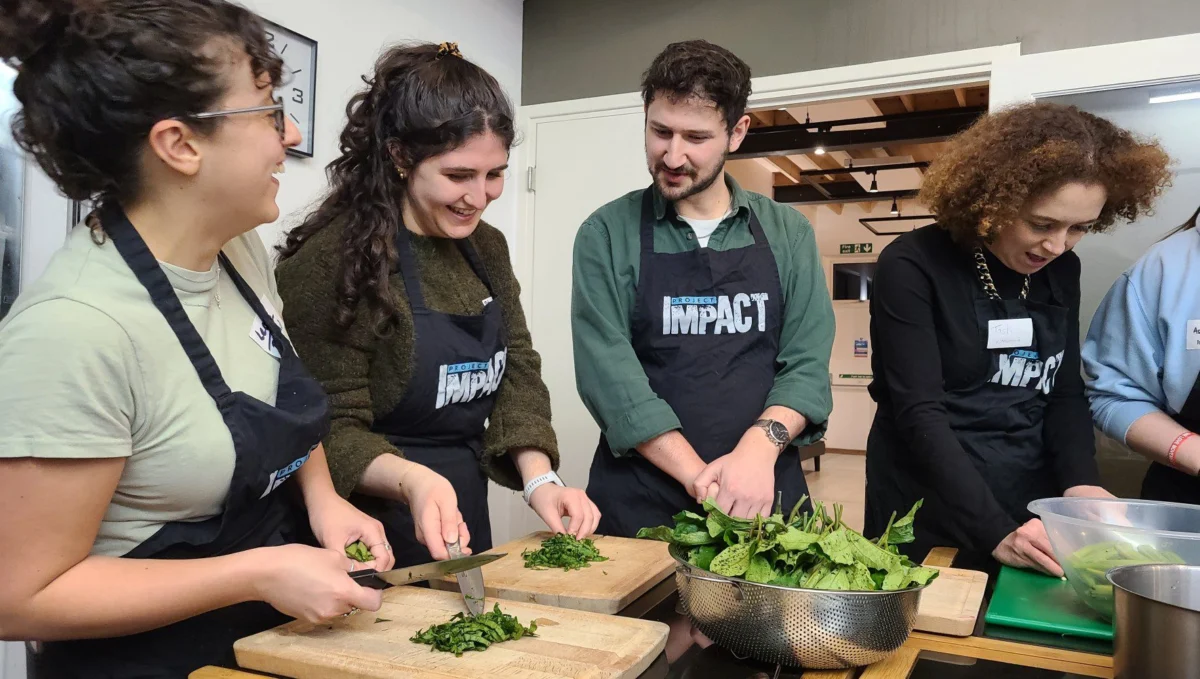
As Jewish communities worldwide prepare to observe Passover, a profound question echoes around the Seder table: "Why is this night different from all other nights?" This year, the answer is not merely symbolic but a pressing call to action, urging a deeper engagement with the plight of refugees and immigrants, as articulated by Sarah Bassin, Rabbi-in-Residence at HIAS (Hebrew Immigrant Aid Society). The holiday, commemorating the liberation of the Israelites from slavery in ancient Egypt, serves as a powerful reminder of the universal human experience of displacement and the enduring moral imperative to offer sanctuary and support to those forced to flee their homes.
The Seder’s central narrative, recounted through the Haggadah, is not just a historical retelling but a blueprint for empathy and action. The symbolic foods – maror (bitter herbs) representing oppression, matzah (unleavened bread) symbolizing the haste of flight, salt water evoking tears, and reclining signifying the attainment of safety – are designed to immerse participants in the visceral reality of being uprooted. These are not abstract symbols, but rather the tangible markers of displacement: the gnawing fear, the desperate flight, the profound grief, and the persistent, aching hope for a place of refuge.
"These aren’t just symbols," Bassin emphasizes. "They’re the architecture of displacement itself – fear, flight, grief, and the aching hope for sanctuary." This direct connection between the ancient narrative and contemporary challenges underscores the enduring relevance of Passover’s message. The question, "Why is this night different?" is a deliberate prompt, intended to stir not only intellectual understanding but also profound emotional resonance. It asks us to confront the shared history of the Jewish people, a history marked by vulnerability and the necessity of finding refuge.
The core of the Passover commandment lies in the injunction: "In every generation, everyone is obligated to see themselves as though they personally left Egypt." This is far more than an exercise in imagination; it is a potent call to responsibility. It asserts that the memory of past liberation is incomplete without present-day action. It demands that we extend to others the same compassion and assistance that our ancestors received.
The Contemporary Resonance of Ancient Exodus
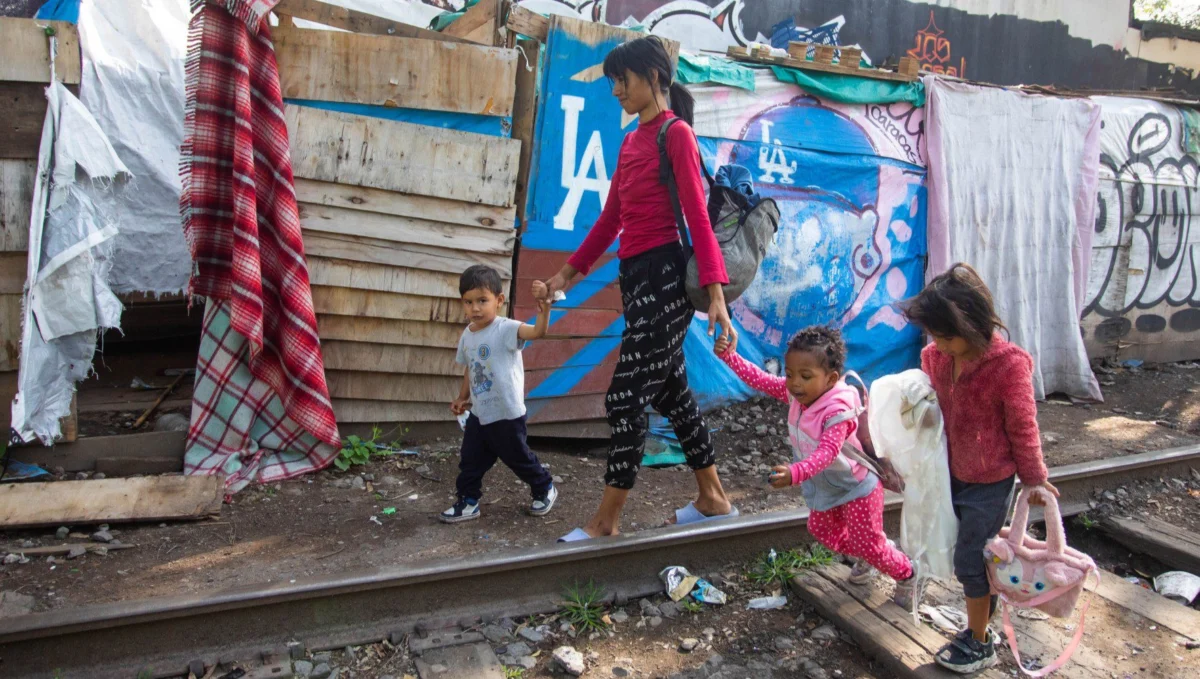
This year, as families gather to share the Passover story, millions worldwide are living out a narrative that mirrors our collective history. Bassin highlights these contemporary echoes: "A mother crossing borders with her children, carrying only what she could grab. A teenager in a new country, learning words for ‘safe’ and ‘home’ in a language that’s not yet familiar. An asylum seeker finally able to sleep without fear – maybe for the first time in years." These are not distant statistics but individuals whose journeys are indelibly marked by the very experiences commemorated at the Seder.
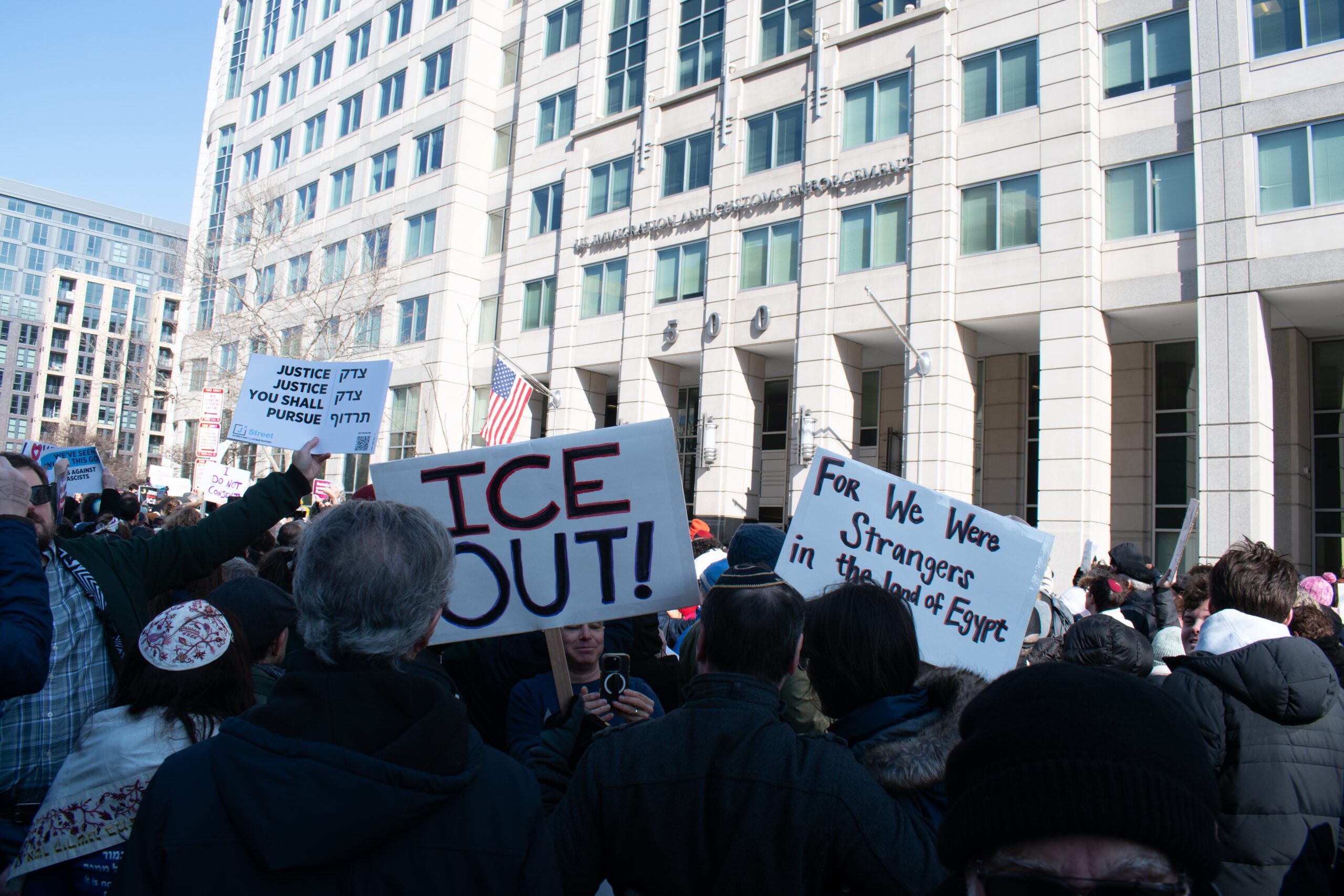
The global refugee crisis, a persistent humanitarian challenge, serves as a stark backdrop to this year’s Passover observances. According to the United Nations High Commissioner for Refugees (UNHCR), by the end of 2022, a record 108.4 million people worldwide had been forced to flee their homes due to persecution, conflict, violence, and human rights violations. This figure represents a significant increase from previous years, underscoring the escalating need for humanitarian assistance and protection. These individuals, like the Israelites of old, are seeking safety, stability, and the opportunity to rebuild their lives in dignity.
The Haggadah’s structure deliberately prevents passive observance. It compels participants to "taste the bitterness, feel the urgency, remember the tears, and then act on what we know." This active engagement is crucial in confronting the complex realities faced by refugees and asylum seekers today. They often encounter escalating xenophobia, diminishing legal protections, and political climates that threaten their fundamental rights and human dignity. In an era where some nations are opting for fear over compassion, the courage to welcome and protect is paramount.
A Legacy of Compassion: HIAS’s Role
HIAS, with its deep historical roots in assisting Jewish immigrants and refugees, stands at the forefront of this contemporary struggle. Founded in 1880 to aid Jewish refugees fleeing pogroms in Russia, the organization has evolved into a global entity dedicated to protecting refugees, asylum seekers, and displaced persons of all backgrounds. Its work embodies the Passover spirit of offering refuge and advocating for the rights of the vulnerable.
Bassin’s message, amplified by HIAS, is a direct appeal to the conscience of individuals and communities: "This Passover, as we ask why this night is different, we already know. It’s different because we do not let ourselves get distracted. Because we choose to remember. Because we choose to act. Because you choose to be with us." This sentiment underscores the critical role of individual and collective action in ensuring that the principles of compassion and protection are upheld.
The Urgency of Action: Data and Implications
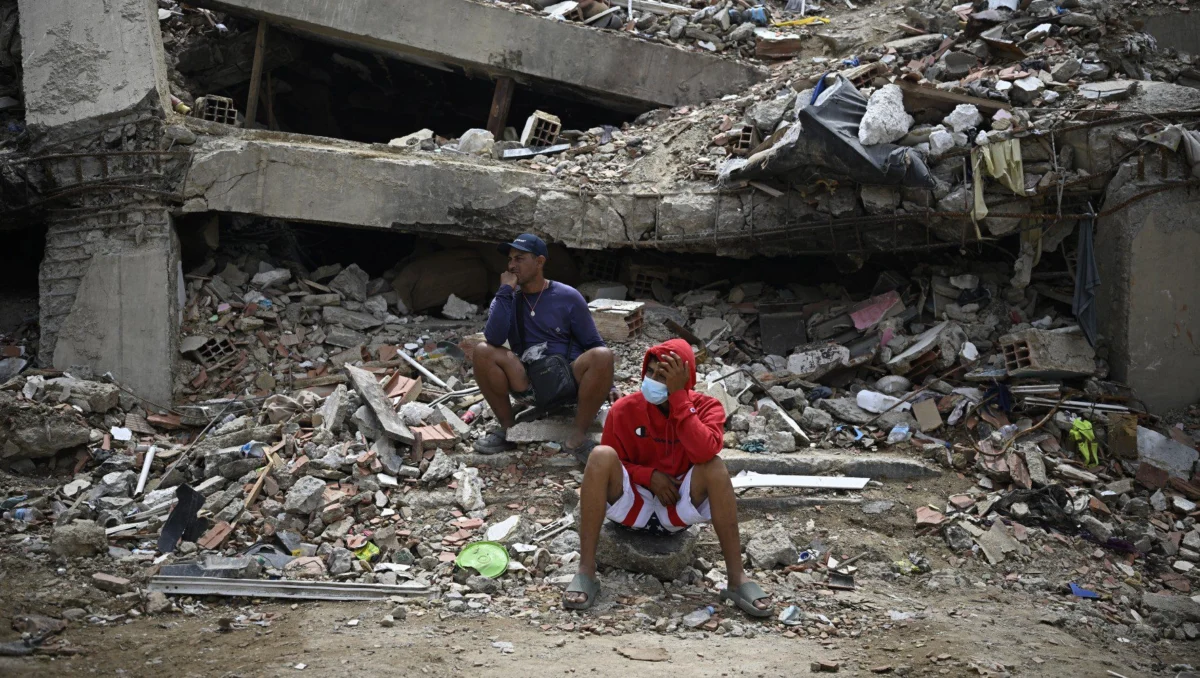
The implications of inaction are profound. When refugees and asylum seekers are denied entry or face inadequate support, the consequences are often dire, leading to prolonged suffering, increased vulnerability to exploitation, and the erosion of human rights. The UNHCR reports that children, in particular, are disproportionately affected, often facing trauma, separation from families, and interrupted education.
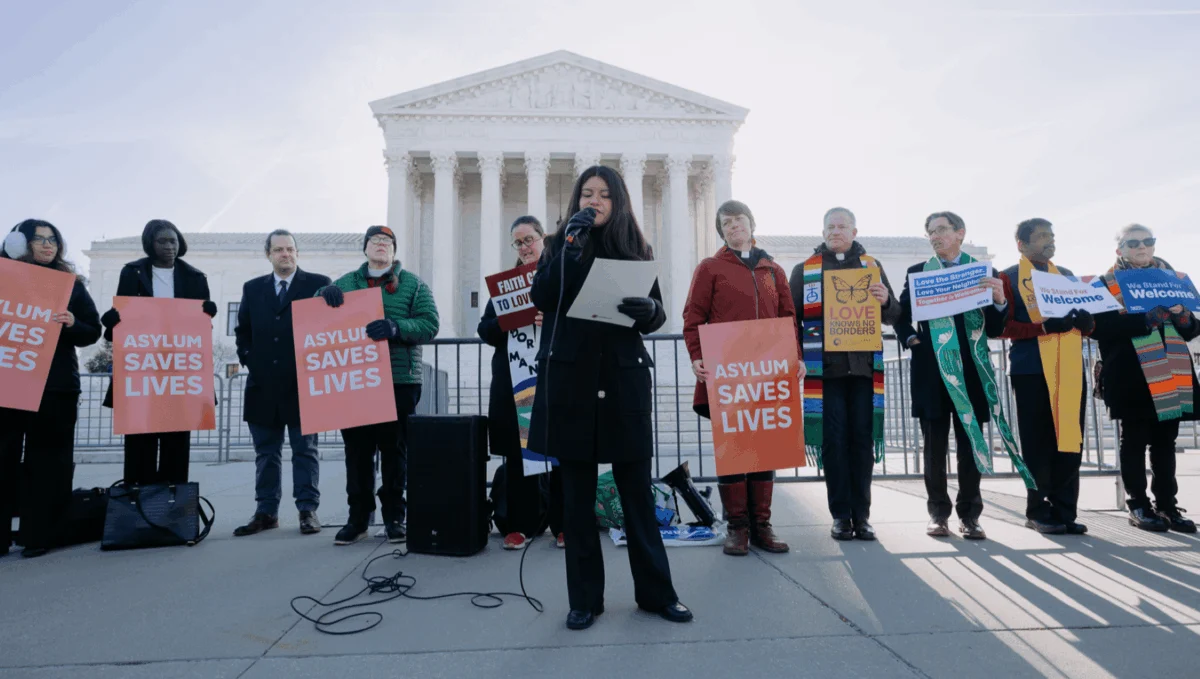
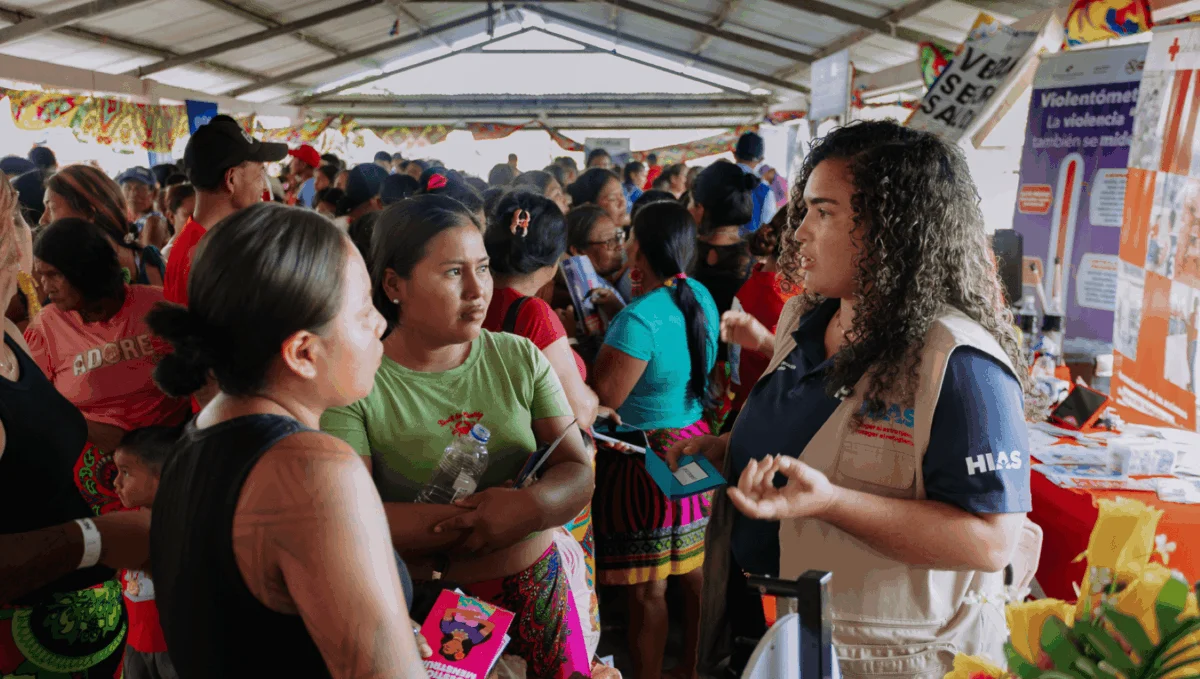
Supporting organizations like HIAS is crucial for providing essential services, including legal assistance, psychosocial support, and resettlement services. Furthermore, advocacy efforts are vital in shaping policies that uphold the rights of refugees and promote welcoming environments. The legal and political landscapes surrounding immigration and asylum are constantly shifting, making sustained engagement and advocacy more critical than ever.

A Timeline of Hope and Resilience
The story of Passover is one of historical liberation, but its principles resonate across time. From the mass migrations of Jewish people throughout history, seeking refuge from persecution in various corners of the globe, to the modern-day exodus of individuals fleeing war and oppression, the thread of seeking safety and rebuilding lives remains constant. HIAS’s own history, spanning over a century, charts this ongoing commitment.
The organization’s involvement in key historical moments, from aiding Jewish refugees during World War II to assisting Soviet Jews during the Cold War and now working with displaced populations from Syria, Ukraine, and beyond, illustrates a continuous dedication to the mandate of welcoming the stranger. Each of these interventions represents a tangible application of the Passover principle of seeing oneself in the place of the displaced.
Broader Impact and the Call to Unity
The implications of embracing the Passover mandate extend beyond the Jewish community. The principles of empathy, compassion, and the obligation to help those in need are universal ethical tenets. By actively engaging with the plight of refugees and immigrants, individuals and societies can foster greater understanding, reduce prejudice, and build more inclusive and resilient communities.
The "Seven Ways You Can Take Action for Immigrants" initiative, often promoted by organizations like HIAS, provides concrete steps for individuals to contribute. These can range from advocating for pro-immigrant policies and supporting legal aid organizations to volunteering time and resources, and simply engaging in conversations that promote understanding and challenge misinformation.
Conclusion: Embracing the Difference
This Passover, the question, "Why is this night different?" is not an abstract philosophical inquiry but a direct challenge. It is different because we choose to acknowledge the shared human experience of vulnerability. It is different because we commit to remembering the lessons of our own history. And most importantly, it is different because we choose to act. By extending a hand of welcome and support to refugees and immigrants, we not only honor the ancient spirit of Passover but also contribute to a more just and compassionate world. The tradition compels us to act, transforming the memory of liberation into a present-day reality for those still seeking their freedom.