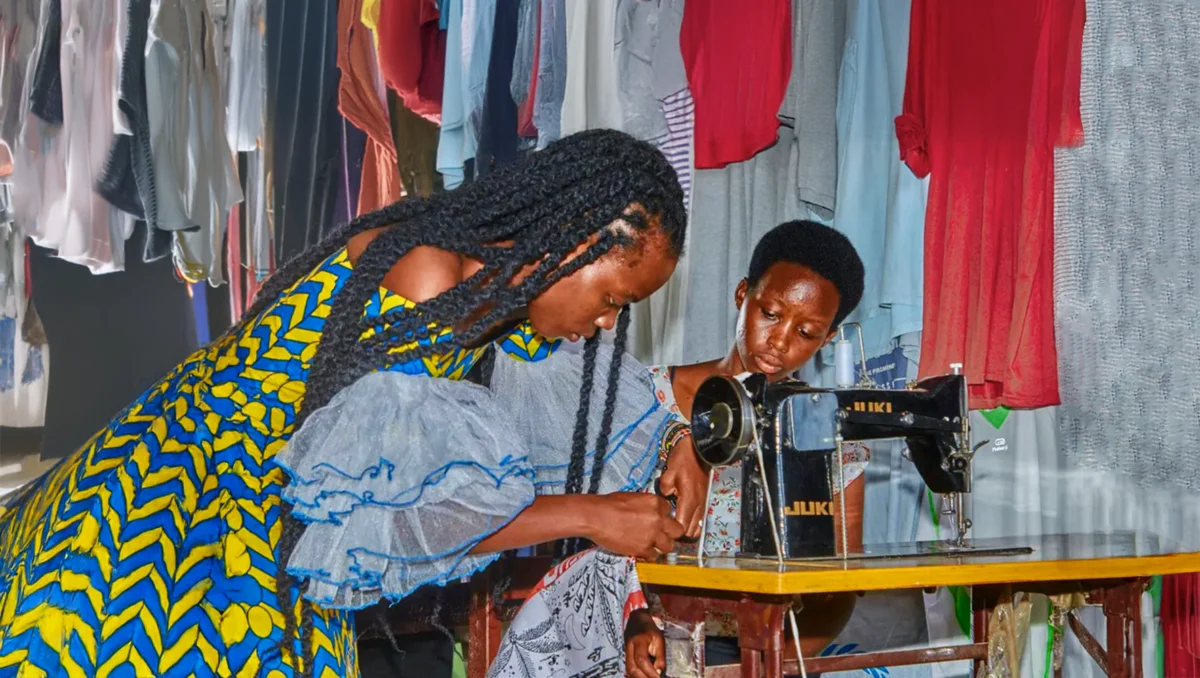
March 4, 2026 – The ongoing reduction in humanitarian aid from key international donors, particularly the United States and European governments, is exacerbating the already precarious situation for refugees in Kenya, with women and girls bearing the brunt of the impact. This decline in funding, which has been steadily increasing over the past year, is forcing vulnerable populations into making devastating choices, including withdrawing children from school, sacrificing essential medical care, and confronting escalating levels of hunger and malnutrition.
The disproportionate impact on women and girls is a recurring pattern observed during crises globally. As resources dwindle, domestic and sexual violence tends to rise, girls are often compelled to leave educational institutions, and in a grim prioritization of scarce resources, women and girls frequently receive less food than men and boys within their households.
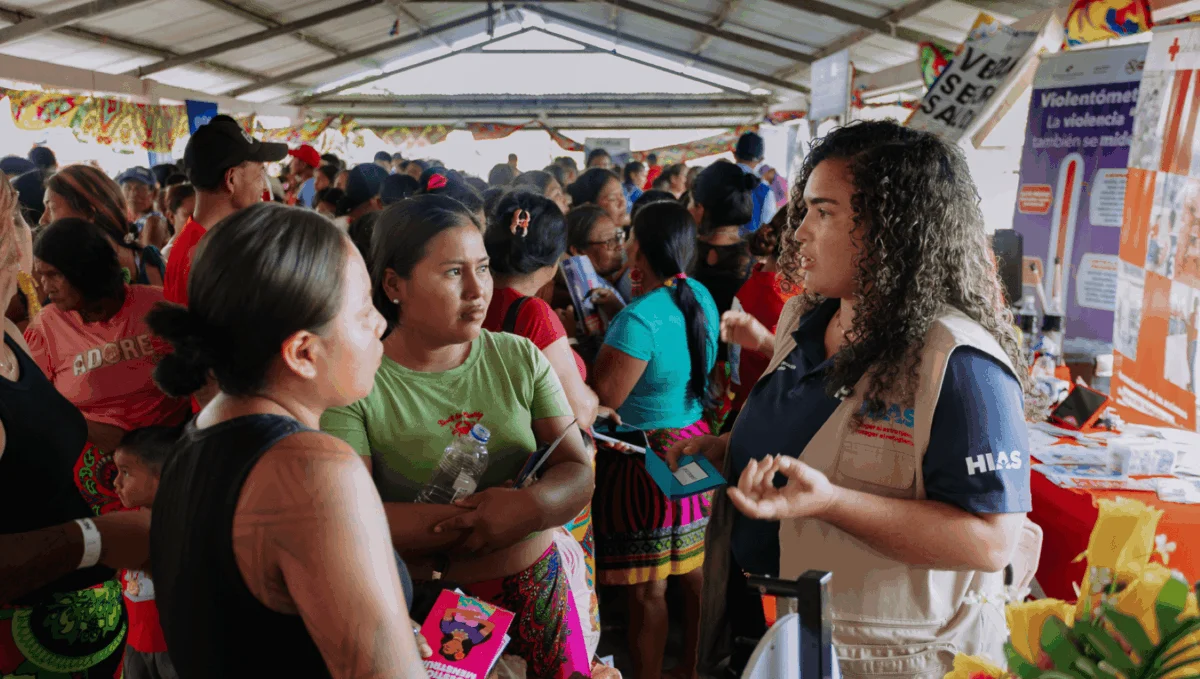
Doris Kawira, Country Director for HIAS Kenya, articulated the gravity of the situation, stating, "The funding cuts in Kenya’s refugee response are not just numbers on a spreadsheet. They are felt more acutely by women and girls. We are seeing safe spaces close, fewer services, and girls dropping out of school because their families can no longer afford necessities. The cuts are pushing girls into further vulnerabilities and increasing risks of early marriage, exploitation, and abuse. We risk reversing years of progress in protection and empowerment."
The implications of these funding shortfalls are far-reaching, potentially undoing years of progress in establishing protection mechanisms and empowering displaced communities. HIAS, despite these formidable challenges, remains steadfast in its commitment to providing essential services. This includes critical mental health care, vital violence prevention programs, and crucial economic assistance to refugees across numerous countries, with Kenya being a significant focus of their operations.
The Growing Burden on Refugee Families
The current humanitarian landscape in Kenya paints a stark picture of hardship. According to recent reports from humanitarian agencies, a significant portion of refugees are struggling to meet basic needs. For instance, data from the World Food Programme (WFP) has indicated a critical funding shortfall that directly impacts food distribution, leading to increased food insecurity among refugee populations. Families are forced to make agonizing decisions, with education and healthcare often being the first casualties. The withdrawal of children, particularly girls, from school not only disrupts their educational trajectory but also increases their vulnerability to child marriage and exploitation.
The psychological toll of displacement, compounded by economic hardship and the erosion of support systems, has become increasingly evident. Refugees often arrive with pre-existing trauma from conflict or persecution, and the ongoing uncertainty and lack of basic resources can significantly exacerbate mental health conditions such as anxiety, depression, and post-traumatic stress disorder (PTSD). The closure of safe spaces and the reduction in psychosocial support services leave many individuals feeling isolated and without recourse.
Linah’s Story: Resilience Amidst Adversity
Amidst this challenging environment, the story of Linah, a young woman born in Kenya to Ugandan refugee parents, exemplifies the profound impact of targeted support. Linah, an aspiring electrical engineering student, harbored ambitions of a brighter future. However, the harsh realities of her refugee status, coupled with the pervasive funding cuts, forced her to put her education on hold. Repeated rejections for internships and employment opportunities due to her legal status led to mounting stress, isolation, and a deep sense of self-doubt.
"I felt like I would never become someone substantial," Linah confessed, her voice tinged with the memory of that period. This sentiment underscores the psychological burden that many refugees carry, facing systemic barriers that limit their potential and erode their self-worth.
A turning point in Linah’s journey came when a community leader recognized her distress and referred her to HIAS Kenya’s Self-Help Plus program. This initiative, generously supported by the European Civil Protection and Humanitarian Aid Operations (ECHO), is a structured, five-session group stress-management program developed by the World Health Organization (WHO). The program is designed to equip refugees with practical tools to navigate the psychological challenges of displacement.
The Power of Peer Support and Mental Health Interventions
Within the supportive environment of the Self-Help Plus program, Linah found solace and a sense of belonging. She learned essential mental health coping mechanisms, with grounding exercises proving particularly beneficial in managing her stress and emotions. The program’s strength lies in its peer-to-peer approach, connecting participants with others facing similar struggles. This shared experience proved transformative for Linah, alleviating her feelings of isolation.
"What made the program successful for me is that I connected with other people, from the participants to the facilitator to the content being shared," Linah explained. "It made me feel like I truly belong and that I am not alone." This sense of community is a crucial element in the healing process, fostering resilience and providing a foundation for recovery.
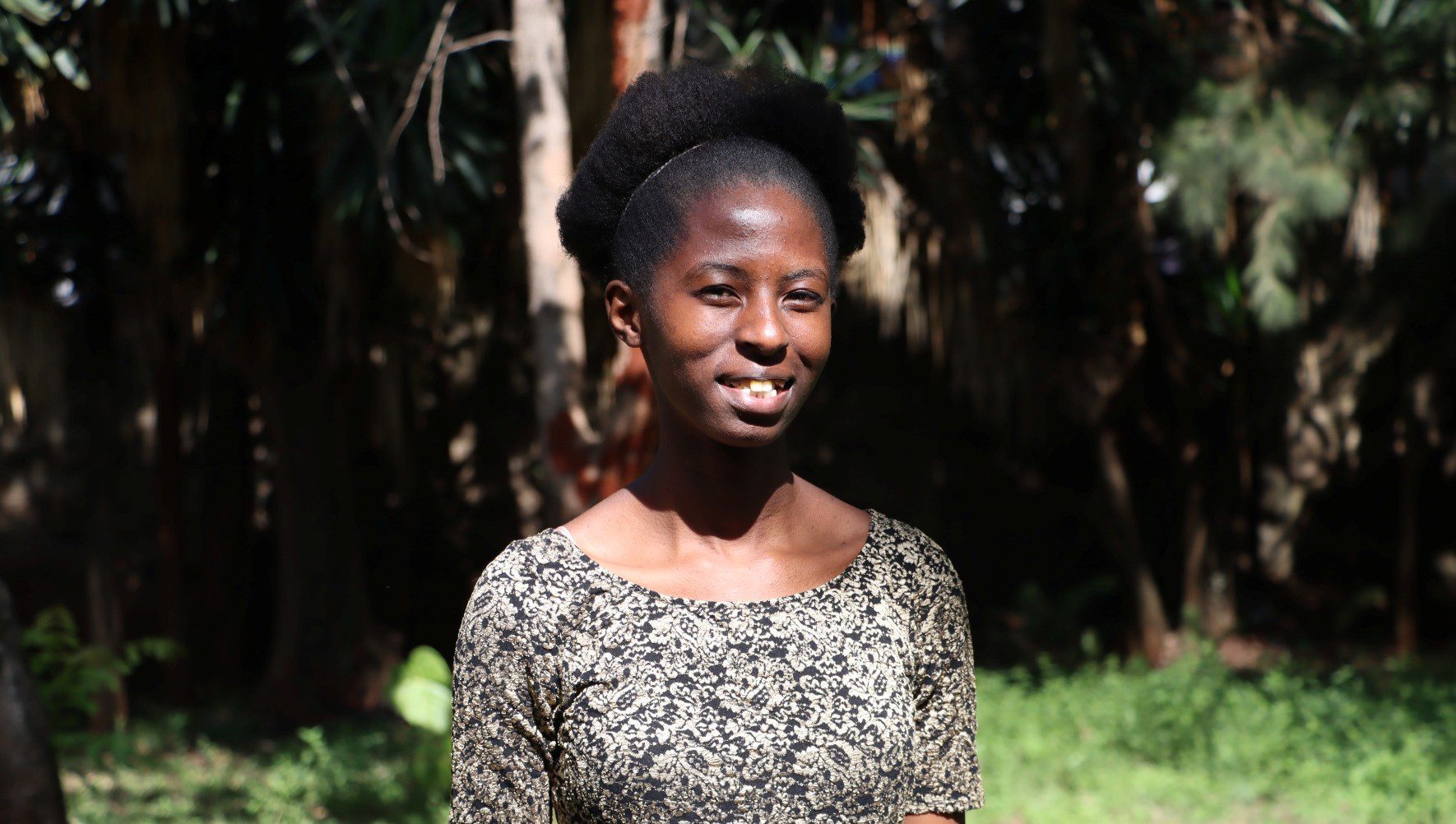
Before her involvement with HIAS, Linah often withdrew from social interactions, avoided speaking up, and struggled with negative self-comparison, particularly amplified by social media. Today, she describes herself as "a whole new being." Her transformation is evident in her newfound confidence in decision-making, her consistent application of grounding skills, and her mature approach to challenges. She no longer retreats when tensions arise at home but confronts problems with emotional balance and maturity.
"Challenges are part of everyday life, but learning how to cope with them ensures that we face life head-on," she stated, embodying a newfound sense of agency.
Expanding the Impact: From Personal Recovery to Community Support
Linah’s journey did not end with her personal recovery. Armed with the skills and confidence gained through the Self-Help Plus program, she has become an informal peer supporter for friends and community members experiencing mental health crises. This transition from participant to peer supporter highlights the sustainable and ripple effect of effective psychosocial interventions.
Doris Kawira emphasized the program’s broader impact: "Self-Help Plus groups have equipped refugees with practical tools to manage stress, cope with trauma, and rebuild a sense of control over their lives. In this setting where formal mental health services are limited, these groups are creating safe spaces for people – especially women and girls – to support one another, strengthen resilience, and regain hope for the future."
The importance of these programs is further underscored by the limited availability of formal mental health services within refugee camps and settlements. The WHO estimates that the global burden of mental disorders is substantial, and this burden is amplified for populations experiencing forced displacement and prolonged adversity. In Kenya, where resources are stretched thin, community-based initiatives like HIAS’s Self-Help Plus program become indispensable lifelines.
With the acquisition of IT skills, Linah has secured a part-time job, a crucial step in keeping her educational and career aspirations alive. She is determined to complete her diploma and pursue a career as an engineer. Her current trajectory is a testament to the multifaceted support system that has been instrumental in her journey, including the recognition and referral by community leaders, the collaborative efforts of county initiatives, and the vital mental health interventions provided by HIAS Kenya.
"There’s a calming effect and a sense of belonging that comes with these sessions," Linah shared. "Mental health is often overlooked, but through programs like Self-Help Plus, we finally have a place to speak openly." This sentiment reflects a critical need for destigmatizing mental health discussions within refugee communities and ensuring that such services are integrated into broader humanitarian responses.
The Unmet Need for Mental Health Support
The stark reality is that many refugee women in Kenya require access to mental health care to process the trauma of displacement and rebuild their lives. However, mental health services are frequently not prioritized in aid distributions, especially when budgets are constrained. Organizations are often forced to make agonizing decisions about which essential services to cut, a situation that humanitarian leaders describe as heartbreaking.
A poignant observation from a Somali refugee woman recently highlighted this critical gap: "Most of the women here require mental support for their peace of mind, and we do not have that." This statement encapsulates the pervasive need for psychosocial support that often goes unmet.
Despite the prevailing challenges and the difficult choices faced by humanitarian organizations, HIAS Kenya remains resolute in its commitment to assisting as many refugees as possible, with a particular emphasis on sustaining their mental health support initiatives.
"As HIAS, we cannot afford to scale back mental health support for refugee women," Doris Kawira asserted. "They are carrying the weight of displacement, caregiving, trauma, and economic hardship. When we support refugee women’s mental health, we are safeguarding the resilience of entire communities." This statement underscores the understanding that investing in the mental well-being of women is an investment in the stability and future of their families and the broader refugee community. The continued advocacy for sustained and adequate funding for these vital services is paramount to ensuring that vulnerable populations can navigate their challenging circumstances with dignity and hope.