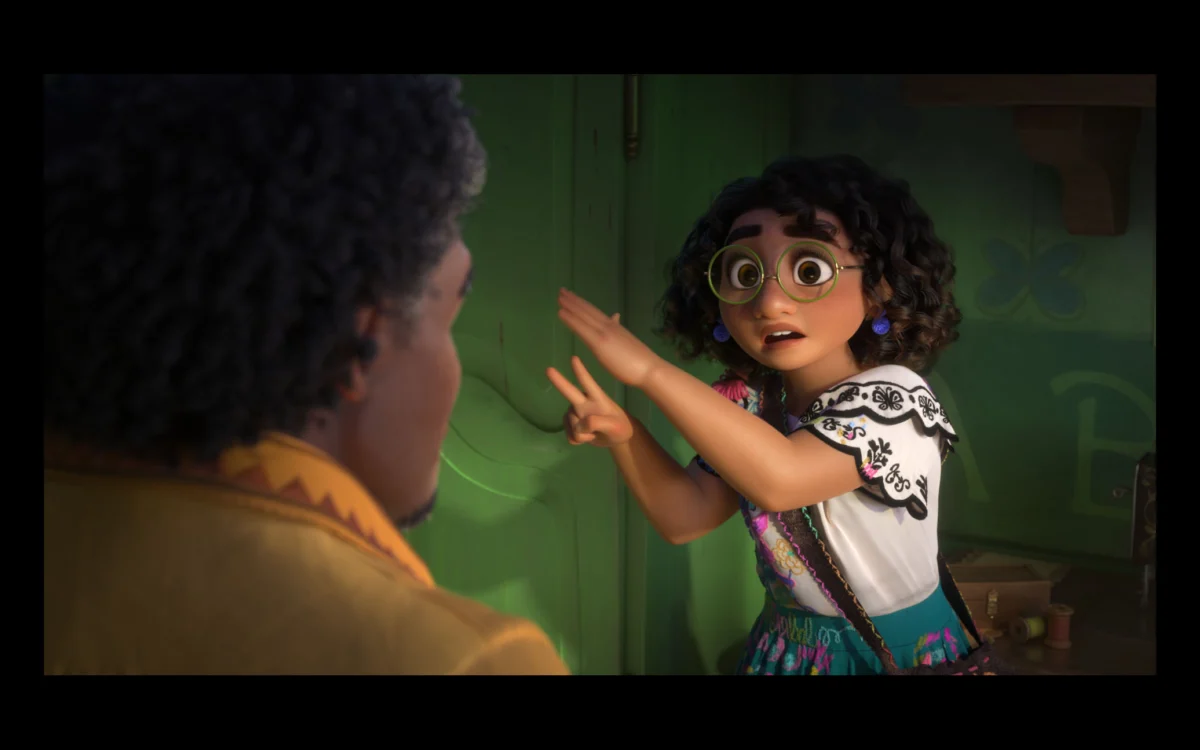
Disney is making a significant stride toward greater inclusivity with the debut of "Songs in Sign Language," a new collection of animated musical sequences premiering this month on Disney+. This initiative, timed to coincide with National Deaf History Month, reimagines beloved songs from popular animated features like "Frozen 2," "Encanto," and the upcoming "Moana 2" to seamlessly integrate American Sign Language (ASL) into the choreography and performances. The project aims to foster a deeper connection with the disability community, particularly the Deaf and hard-of-hearing audience, by presenting these iconic musical moments in a format that is accessible and emotionally resonant.
The collection will feature three distinct musical pieces: "The Next Right Thing" from "Frozen 2," the universally acclaimed "We Don’t Talk About Bruno" from "Encanto," and "Beyond" from "Moana 2." These selections represent a diverse range of musical styles and emotional tones, offering a comprehensive showcase of how ASL can be woven into the fabric of animated storytelling. The decision to release these versions underscores Disney’s commitment to expanding its accessibility efforts beyond traditional subtitling and audio descriptions.
The Genesis of an Inclusive Vision
The inspiration behind "Songs in Sign Language" stems from a deeply personal connection. Hyrum Osmond, a director and animator at Walt Disney Animation Studios, was motivated by his father, who is deaf. Osmond recognized the unique potential of animation as a medium to express the nuances and artistry of sign language.
"If ever there was a medium to showcase sign language, it was animation," Osmond stated in a press release. "This project, in a way, helps bring down barriers and allows us to connect in a special way with our Deaf community audience."
This sentiment highlights a fundamental understanding of animation’s power to transcend linguistic and cultural divides. The visual nature of animation, with its capacity for expressive character design, dynamic movement, and rich environmental detail, provides a fertile ground for translating the kinetic and visual language of ASL into a compelling cinematic experience.
A Collaborative Artistic Endeavor
The creation of these new sequences was a testament to cross-disciplinary collaboration. Osmond and a dedicated team of over 20 animators at Walt Disney Animation Studios partnered with key figures from the Deaf community. This collaboration included the artistic director and performers from Deaf West Theatre in Los Angeles, a renowned organization dedicated to producing theater that integrates Deaf and hearing actors, and a specialized sign language reference choreographer.
The objective was not merely to add ASL signs to existing animation but to meticulously translate the emotional core, narrative context, and lyrical intent of each song into a visually rich ASL performance. This required a deep understanding of both animation principles and the linguistic and cultural intricacies of ASL. The result is that most of the animation is entirely new, designed from the ground up to accommodate and celebrate the signed interpretation.
DJ Kurs, artistic director for Deaf West Theatre, articulated the profound significance of this partnership. "Disney stories are the universal language of childhood," Kurs remarked. "The chance to bring our language into that world was a historic opportunity to reach a global audience. For so long, we have known and loved the artistic medium of Disney Animation. Here, the art form was adapting to us."
This statement underscores a pivotal shift in the creative process. Instead of adapting sign language to fit pre-existing animation, the animation itself was conceived and executed to be in dialogue with ASL, reflecting a genuine effort to center the Deaf perspective and experience. This approach acknowledges that ASL is not simply a code for spoken English but a complete and vibrant language with its own grammar, syntax, and aesthetic.
Chronology of a Landmark Project
While the specific timeline for the inception of "Songs in Sign Language" is not publicly detailed, its release during National Deaf History Month (which spans the month of April) signifies a deliberate and timely cultural acknowledgment. The project’s development likely involved several phases:
- Conceptualization and Ideation: Osmond’s personal inspiration and the broader organizational commitment to accessibility likely initiated the project. Discussions would have focused on identifying suitable songs and assessing the feasibility of animated ASL integration.
- Partnership Formation: The engagement of Deaf West Theatre and ASL experts would have been a crucial early step, ensuring authentic representation and artistic integrity. This phase would involve extensive consultation and the establishment of a shared creative vision.
- Scripting and Storyboarding: Animators and ASL consultants would have worked together to translate lyrics and musical phrasing into ASL narratives. This would involve selecting appropriate signs, considering facial expressions and body language integral to ASL, and devising choreographic elements that enhance the storytelling.
- Animation Production: The core animation work, which is largely new, would have been undertaken by the Disney team, guided by the ASL scripts and storyboards. This would involve bringing characters to life through movement that accurately reflects the signed performance and integrates seamlessly with the musical score.
- Refinement and Review: Throughout the production process, ongoing feedback from the Deaf partners would have been essential to ensure accuracy, cultural appropriateness, and artistic quality.
- Premiere and Release: The culmination of this effort is the release of "Songs in Sign Language" on Disney+ on April 27th.
This chronological progression highlights the iterative and collaborative nature of such an undertaking, emphasizing the careful planning and dedication required to bring such an ambitious project to fruition.
Supporting Data and the Growing Demand for Accessibility
The release of "Songs in Sign Language" arrives at a time when the demand for accessible media content is steadily increasing. According to the Centers for Disease Control and Prevention (CDC), approximately 1 in 8 people in the United States, or 13 percent of the population, has a hearing impairment. This demographic represents a significant and often underserved audience within the media landscape.
The entertainment industry has seen a growing trend towards greater accessibility. Streaming platforms, in particular, have become key drivers of this movement, offering a wider array of accessibility features such as closed captions, audio descriptions, and sign language interpretations. Netflix, for instance, has been a pioneer in this area, releasing its own ASL films and featuring ASL interpretations of popular shows.
Disney’s initiative can be seen as a response to this evolving media consumption landscape and a recognition of the economic and cultural imperative to cater to a diverse audience. By investing in ASL interpretations of its most popular content, Disney not only broadens its reach but also sets a new standard for inclusive storytelling within the animated feature film industry. The success of this project could pave the way for further integration of ASL and other accessibility features into future Disney productions.
Official Responses and Community Reception
The initial announcement of "Songs in Sign Language" has been met with considerable enthusiasm from disability advocacy groups and members of the Deaf community. The project is widely seen as a landmark achievement that moves beyond tokenistic gestures towards genuine representation and creative collaboration.
The inclusion of behind-the-scenes content, which will also be available on Disney+, is a crucial element of the release. This will offer viewers an invaluable opportunity to understand the creative process, the challenges overcome, and the artistic considerations involved in translating music and emotion into ASL. Such transparency can foster greater understanding and appreciation for the richness of sign language and the dedication of the artists involved.
The participation of Deaf West Theatre, an organization with a proven track record of excellence in Deaf theater, lends significant credibility to the project. Their involvement ensures that the ASL interpretations are not only linguistically accurate but also artistically nuanced and emotionally compelling. The positive reception from figures like DJ Kurs suggests a sense of historical significance, marking a moment where a major global entertainment entity has actively adapted its art form to embrace a new linguistic and cultural perspective.
Broader Impact and Future Implications
The implications of "Songs in Sign Language" extend far beyond the immediate enjoyment of these reimagined musical numbers. This initiative has the potential to:
- Elevate ASL in Mainstream Media: By showcasing ASL within the context of globally recognized and beloved Disney films, the project can significantly increase the visibility and appreciation of sign language among hearing audiences. This can help to destigmatize ASL and promote its recognition as a legitimate and beautiful language.
- Inspire Future Creative Endeavors: The success of this project could encourage other animation studios and filmmakers to explore similar avenues of collaboration with the Deaf community, leading to a more inclusive and representative media landscape.
- Strengthen Community Bonds: For Deaf and hard-of-hearing individuals, seeing themselves and their language represented authentically in popular culture can be deeply affirming and empowering. It fosters a sense of belonging and recognition.
- Inform Educational Practices: The visual and performance-based nature of these ASL interpretations could also serve as valuable educational tools for ASL learners and educators, providing engaging examples of language in use.
The release of "Songs in Sign Language" on April 27th on Disney+ is more than just the addition of new content; it represents a significant step forward in Disney’s ongoing journey towards universal storytelling and accessibility. By embracing the artistry of sign language, Disney is not only reaching a wider audience but also enriching its own legacy by demonstrating a profound commitment to inclusivity and a deeper understanding of the diverse ways in which stories can be told and experienced. The project serves as a powerful reminder that great storytelling knows no linguistic boundaries, and that embracing diverse forms of expression can lead to more profound and meaningful connections for everyone.