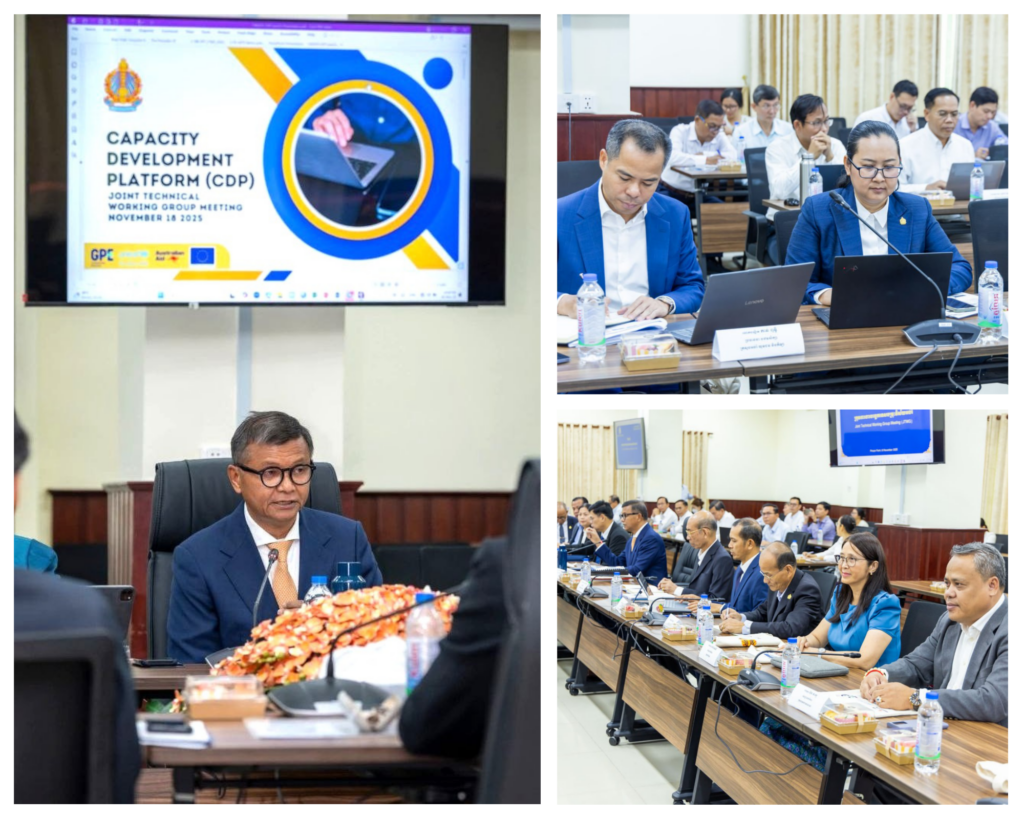
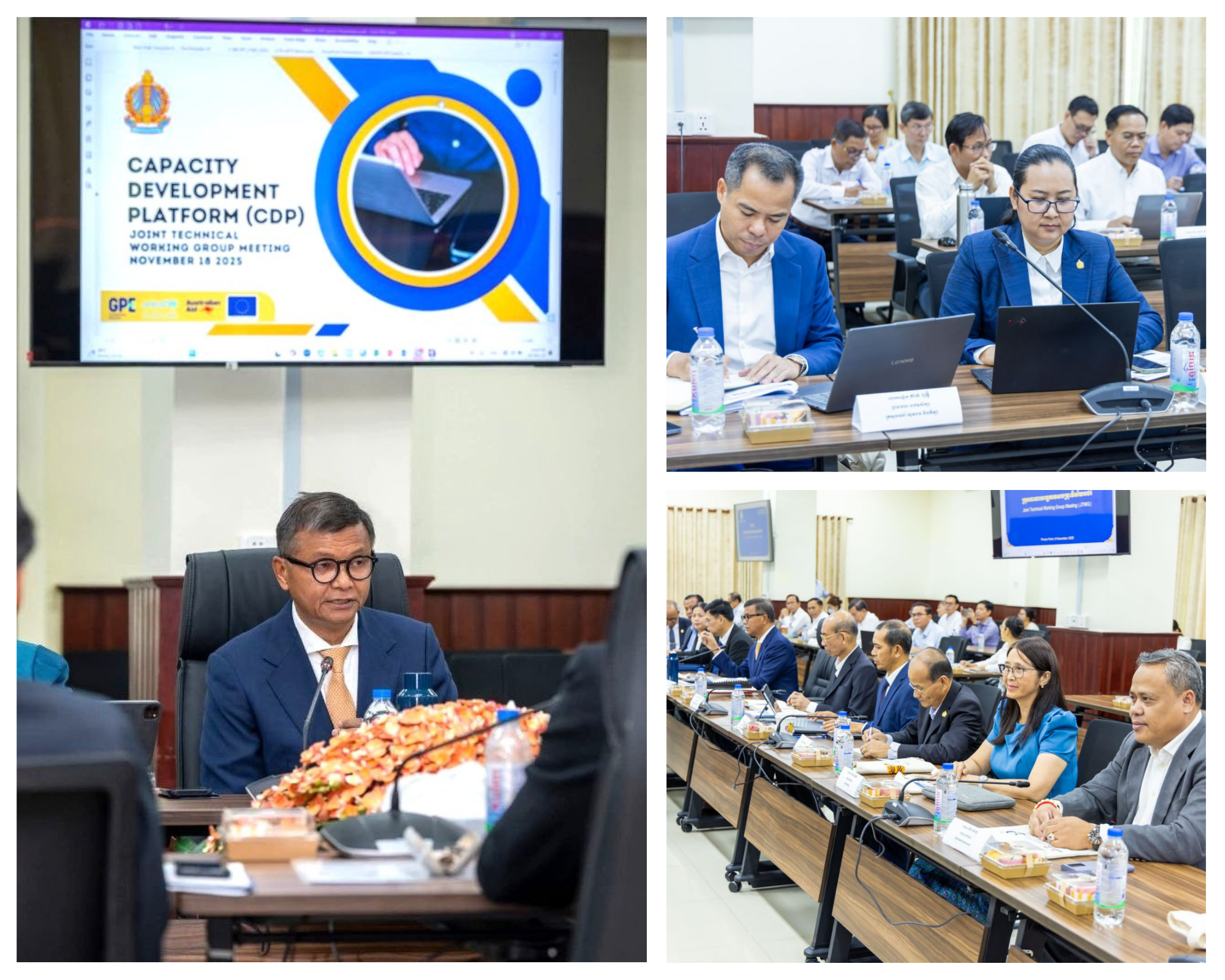
In a landmark move for the Southeast Asian nation’s education sector, the Cambodian Ministry of Education, Youth, and Sport (MoEYS), in a strategic alliance with UNICEF and World Education, officially inaugurated the Capacity Development Platform (CDP) in November 2025. This digital infrastructure represents a cornerstone in Cambodia’s broader digital transformation strategy, specifically designed to modernize teacher training and professional development across the Kingdom. Funded by a high-level consortium including the Global Partnership for Education (GPE), the European Union (EU), and the Australian Department of Foreign Affairs and Trade (DFAT), the CDP serves as a centralized hub for educators to access pedagogical resources, earn nationally recognized professional credits, and upgrade their formal qualifications. The launch signifies the culmination of years of collaborative design and testing, aiming to bridge the educational quality gap between urban centers and the country’s most remote provinces.
A Strategic Vision for Digital Education Transformation
The introduction of the Capacity Development Platform is not merely a technological upgrade but a fundamental shift in how the Cambodian state manages its human capital within the school system. For decades, teacher training in Cambodia relied heavily on face-to-face workshops, which were often difficult to scale and expensive to implement in distant rural areas. The CDP addresses these logistical hurdles by providing a digital-first approach that accommodates the diverse geographic and economic realities of the nation’s teaching force.
H.E. Dr. Hang Chuon Naron, Deputy Prime Minister and Minister of Education, Youth, and Sport, emphasized that the platform is a transformative instrument in the country’s journey toward high-quality education. According to the Minister, by digitizing the professional development pipeline, the government is empowering educators with the precise tools and knowledge required to foster 21st-century skills in their students. This initiative aligns with the "Pentagonal Strategy" of the Cambodian government, which identifies human resource development and digital economy growth as primary pillars for reaching upper-middle-income status by 2030.
The Evolution of the CDP: A Timeline of Development
The journey toward the November 2025 launch was marked by rigorous planning and stakeholder engagement. The development of the CDP followed a structured chronology designed to ensure that the final product was both technically robust and culturally relevant.
- Conceptualization and Framework Design (Late 2023 – Early 2024): Following the disruptions caused by the COVID-19 pandemic, MoEYS identified the urgent need for a resilient, digital teacher training system. World Education, a JSI initiative, was brought on board to co-design the system, ensuring it met international standards while remaining grounded in the Cambodian context.
- Stakeholder Consultations and Pilot Testing (Late 2024): Regional education departments and lead teachers were consulted to identify the specific barriers to digital adoption, including internet stability and varying levels of digital literacy among older staff members.
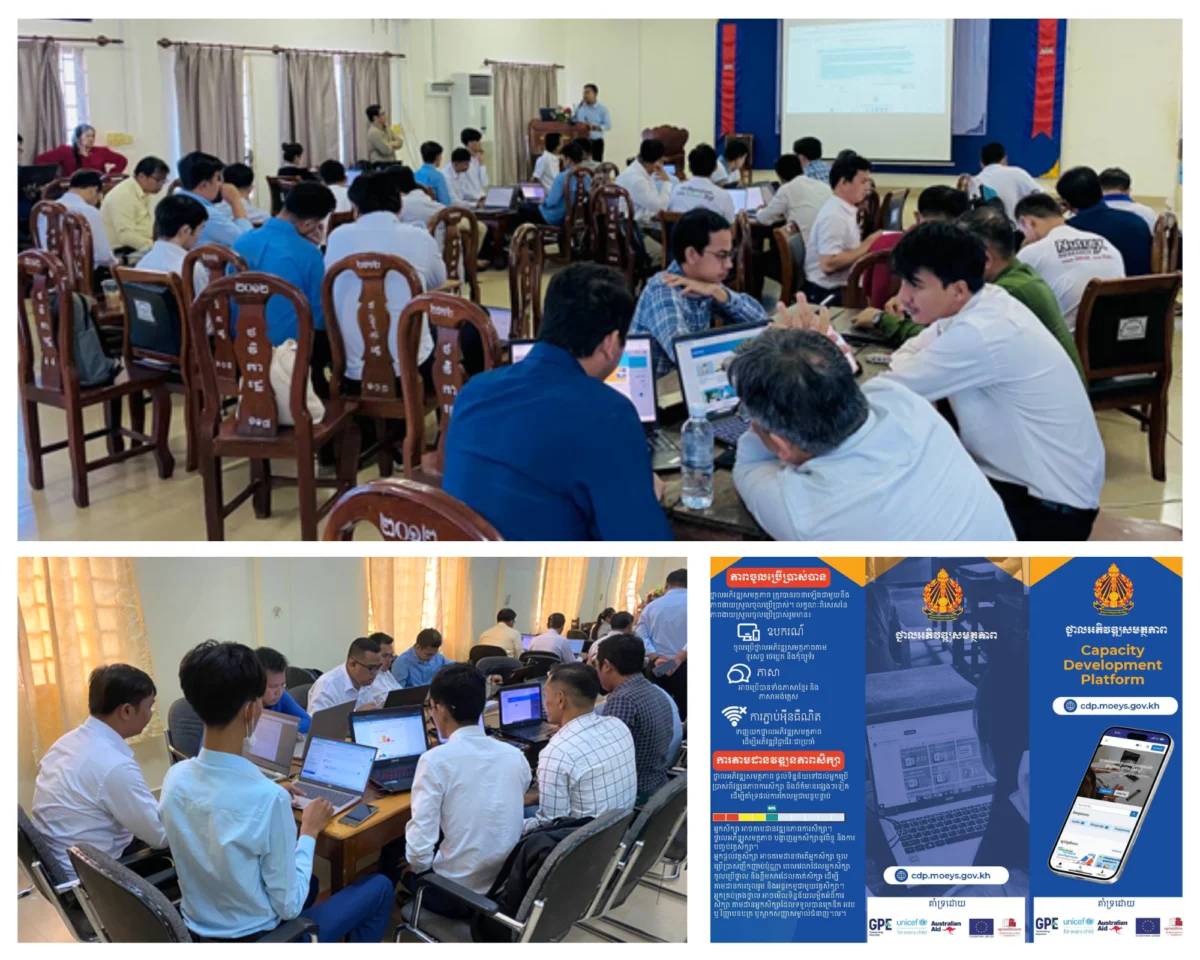
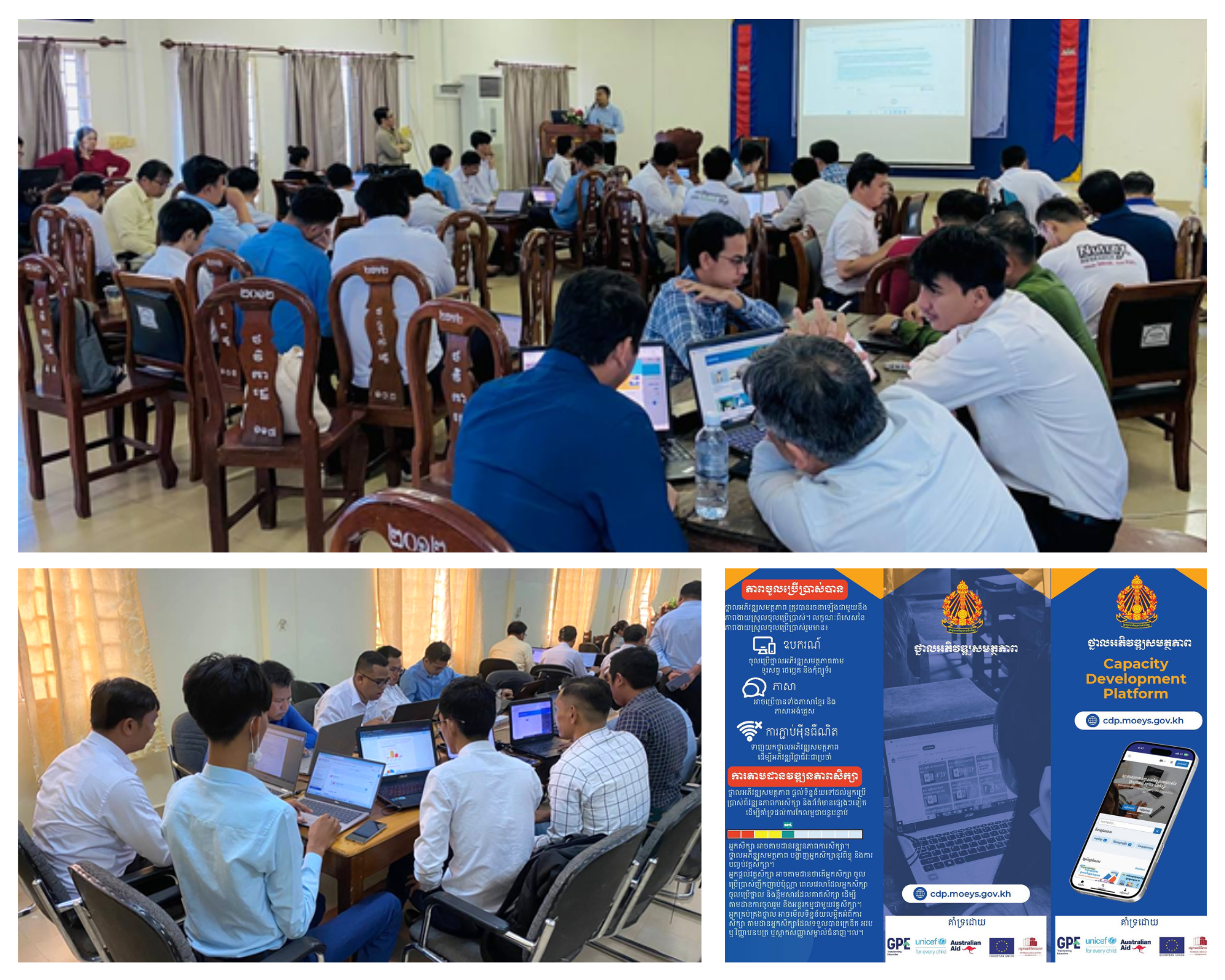
- Capacity-Building Workshops (May 2025): On May 5–6 and May 19–20, 2025, intensive workshops were held for MoEYS staff and key educators. these sessions focused on platform management, content creation, and user support systems. These workshops were critical in transitioning the platform from a developmental project to a government-led initiative.
- System Integration and Security Hardening (August – October 2025): The platform was integrated into the MoEYS national database, ensuring that any credits earned on the CDP would automatically reflect in a teacher’s official personnel file.
- National Launch (November 2025): The platform was officially opened to the public, supported by a national campaign to encourage registration and enrollment.
Human-Centered Design in a Low-Bandwidth Environment
One of the most significant challenges in implementing a national digital platform in Cambodia is the "digital divide." While smartphone penetration is high, high-speed internet remains inconsistent in many rural districts. To combat this, World Education employed a human-centered design approach. This methodology prioritizes the needs and limitations of the end-user—the teacher—above all else.
The CDP was engineered to be "smartphone-first," recognizing that most Cambodian educators access the internet via mobile devices rather than desktop computers. Furthermore, the platform was optimized for low-bandwidth settings, allowing users to download course materials for offline study and sync their progress once a connection is re-established. The user interface was designed to be intuitive, catering to educators who may have varying degrees of experience with digital applications. By focusing on accessibility, the CDP ensures that a teacher in a floating village on the Tonle Sap has the same professional growth opportunities as a teacher in a prestigious high school in Phnom Penh.
Institutional Integration and Career Progression
A common pitfall of international development projects is the creation of "parallel systems" that exist outside of government frameworks and collapse once external funding ceases. The CDP was designed to avoid this fate by being woven into the fabric of the Cambodian civil service from day one.
The platform is directly linked to the national career progression system. In Cambodia, teacher promotions and salary increments are tied to the accumulation of professional development credits. Previously, tracking these credits was a manual and often opaque process. The CDP automates this, providing a transparent and verifiable record of a teacher’s commitment to their craft.
To ensure long-term sustainability, a dedicated governance group within the MoEYS now oversees the platform. World Education and UNICEF have facilitated the transfer of ownership to the Ministry’s Department of Digital Transformation. This transfer included specialized technical training in server maintenance, data security, and UI/UX updates, ensuring that the Cambodian government possesses the internal capacity to scale the platform as the needs of the education sector evolve.
Quantitative Impact and Early Success Metrics
Since its rollout, the adoption rates for the CDP have exceeded initial projections, highlighting a significant appetite for professional growth among Cambodian teachers. The following data points illustrate the platform’s immediate reach:
- Total Registered Users: Over 44,000 educators and administrators have created profiles on the system.
- Active Course Enrollments: More than 23,000 teachers are currently enrolled in at least one accredited course.
- Course Diversity: The platform currently hosts a wide array of modules, ranging from "Early Grade Reading" and "Mathematics Pedagogy" to "ICT for Teaching and Learning."
- Geographic Reach: Participation has been recorded in all 25 provinces, with significant engagement from traditionally underserved areas in the northeast and northwest.
The feedback from the field has been overwhelmingly positive. Mrs. Proeut Sanh, a primary school teacher from the Kralanh District in Siem Reap Province, noted that the ICT modules have fundamentally changed her classroom dynamics. She reported that the ability to integrate digital tools and AI-assisted lesson planning has made her students more active and participatory, moving away from rote memorization toward more engaging, student-centered learning.
Broader Implications for Cambodia’s Socio-Economic Future
The launch of the CDP carries implications that extend far beyond the classroom. In the globalized economy, the quality of a nation’s workforce is its most valuable asset. By improving the quality of teaching, Cambodia is making a long-term investment in the cognitive development and technical proficiency of its youth.
Analysts suggest that the CDP could serve as a blueprint for other government ministries in Cambodia and for other developing nations in the ASEAN region. The successful collaboration between international donors (EU, Australia, GPE), technical implementers (World Education/JSI), and government bodies (MoEYS) demonstrates a viable model for large-scale digital public infrastructure.
Furthermore, the focus on "blended learning"—which combines the CDP’s digital modules with periodic in-person mentoring—addresses the social and collaborative aspects of teaching. This hybrid model is increasingly seen as the "gold standard" for professional development, as it provides the flexibility of online learning while maintaining the accountability and community of traditional education.
Future Outlook: Scaling and New Standards
Looking ahead, World Education and MoEYS are already planning the next phase of the CDP’s evolution. The focus is now shifting toward the development of content that meets new mandatory standards for in-service teacher qualification upgrading. As Cambodia moves to professionalize its teaching force further, the CDP will be the primary vehicle through which thousands of teachers earn the certifications required to meet these rising standards.
New modules currently in development include specialized training for inclusive education (supporting students with disabilities) and climate change resilience education. As the platform grows, it is expected to incorporate more sophisticated data analytics, allowing the Ministry to identify which regions are excelling and which require additional support, thereby enabling more targeted and efficient allocation of educational resources.
The Capacity Development Platform stands as a testament to what can be achieved when technology is harnessed not as a replacement for human connection, but as a bridge to empower it. By investing in the people who teach the next generation, Cambodia is securing its place in a digital future, ensuring that no teacher—and no student—is left behind.