The past two years have ushered in an era of unprecedented experimentation within the global workforce, profoundly reshaping our understanding of work and its future. This tumultuous period, driven by the ongoing pandemic, has forced a rapid re-evaluation of long-held assumptions about how, where, and why work is performed. While many questions remain open and data continues to evolve, a clear pattern of emerging trends has become evident, impacting various facets of organizational life. These shifts can be broadly categorized into ‘Purpose,’ ‘People,’ ‘Polarisation & Activism,’ and critically, ‘Process & Policy.’ This article delves into the profound transformations within organizational processes and policies, exploring the challenges and opportunities for fostering more inclusive and effective workplaces.
The Great Unveiling: Challenging the Pre-Pandemic Status Quo
The sudden onset of the pandemic served as a powerful catalyst, exposing the fragility and often inherent inequities embedded within pre-existing workplace norms. For decades, the professional landscape had been largely governed by a tacit "social contract" between employees and employers, characterized by practices that, in hindsight, were often detrimental to well-being and productivity for many. "Presenteeism," the expectation of physical presence regardless of actual output, was rampant, often forcing employees into long, often unproductive office commutes. Rigid formal clothing codes, poor working conditions, perceived unfair compensation, and even instances of abuse and discrimination were normalized in many environments.
Furthermore, a persistent "false belief in meritocracy" often masked systemic biases, leading to unequal opportunities and career progression. Employees frequently experienced low control over their work, faced "always-on" availability expectations, and were subject to extensive business travel requirements that often overlooked personal costs. Feelings of isolation, a pervasive lack of psychological safety, and significant gender inequality, particularly regarding family care responsibilities, were commonplace but often unaddressed. The pandemic brought these unhealthy workplaces, built on outdated norms, into stark relief, demonstrating their unsuitability for contemporary realities and future demands. This moment of clarity presents a valuable opportunity for organizations to fundamentally reassess, design, and experiment with new solutions that are fit for purpose.
A Forced Experiment: The Initial Pivot to Remote Work (2020)
In early 2020, as COVID-19 spread globally, businesses were forced into an abrupt and unplanned transition to remote work on an unprecedented scale. This initial phase was characterized by rapid adaptation, often improvisational, as companies scrambled to equip employees with technology, establish virtual communication channels, and maintain operational continuity. Many organizations, previously resistant to widespread remote work, discovered that it was not only feasible but, in many cases, surprisingly effective. This forced experiment shattered long-held managerial beliefs that productivity was intrinsically tied to physical presence in an office.
According to a 2020 study by Gartner, 88% of organizations worldwide made it mandatory or encouraged employees to work from home. While initial productivity concerns were common, subsequent data from various sources, including Stanford University’s research, indicated that remote workers often maintained or even increased their productivity, especially once initial technical and logistical hurdles were overcome. This period also highlighted significant disparities in access to suitable home working environments, reliable internet, and adequate childcare, underscoring the uneven impact of the sudden shift.
The Evolving Landscape: Permanent Shifts and Emerging Preferences (2021-Present)
As the initial crisis subsided, a more deliberate re-evaluation of work models began. Organizations started to grapple with the long-term implications of remote and hybrid work. This period saw the emergence of significant shifts in employee expectations, driven by the positive experiences of flexibility and autonomy gained during the pandemic.
The Pivotal Policy Shift: Work Location
One of the most significant and contentious policy shifts revolves around where work is performed. The data on employee preferences for remote and hybrid work is extensive and, at times, appears conflicting, yet a consistent theme emerges: a substantial segment of the workforce desires continued flexibility.
- Employee Demand for Flexibility: Studies consistently show a strong appetite for remote or hybrid arrangements. A 2022 Pew Research Center study found that 59% of U.S. workers whose jobs can be done remotely are working from home all or most of the time, and 61% of those who are working remotely say they do so because they prefer it. Furthermore, a report by Future Forum in October 2021 indicated that 78% of knowledge workers want location flexibility, and 95% want schedule flexibility.
- Demographic Disparities and Benefits: The desire for flexible work is particularly pronounced among certain demographic groups. The Future Forum report highlighted that women, working parents, and employees of color showed significant gains in employee experience scores while working remotely. For women and working parents, remote work often alleviates the burden of childcare and household responsibilities, which traditionally fall disproportionately on them. For employees of color, remote work can offer a reprieve from microaggressions and biases sometimes experienced in physical office environments. In the U.S., remote work is projected to continue at least one day a week for many, and this shift is expected to have wide social ramifications, including greater employee diversity, improved work-life balance, and access to larger talent pools as geographical constraints diminish.
- The "Great Resignation" and Talent Retention: The heightened demand for flexibility is directly linked to the ongoing "Great Resignation" or "Great Reassessment." Estimates suggest that up to two-thirds of workers are expecting more than just one day a week of remote work and are willing to quit their jobs if adequate flexibility isn’t offered. A 2021 McKinsey report indicated that 40% of employees globally are at least somewhat likely to leave their jobs in the next 3-6 months, with lack of flexibility being a significant driver. Companies that fail to adapt their policies risk losing valuable talent to competitors offering more appealing work arrangements.
- Pre-Pandemic Inequities in Flexible Work: Before the pandemic, access to remote work was often ad hoc and susceptible to bias. Research conducted by Lisa and Veronika Hucke in 2019 revealed that the vast majority of remote workers were often more senior males. Working mothers frequently felt stigmatized when requesting flexible options, while more junior staff, despite desiring remote work, often hesitated to ask for fear of being perceived as less committed. The pandemic, by normalizing remote work, has presented an opportunity to rectify these historical inequities and establish fair, transparent policies.
Beyond Location: Reimagining Core Processes
The shift in work location is merely one facet of a broader re-evaluation of organizational processes and policies. The pandemic has spurred a deeper look into how work gets done, leading to adjustments in various areas:
- Work-Life Integration and Well-being: The blurring lines between professional and personal life, particularly for remote workers, has necessitated new policies around boundaries, "right to disconnect" initiatives, and enhanced mental health support. Organizations are increasingly recognizing that employee well-being is not just a perk but a critical driver of productivity and retention.
- Performance Management and Accountability: The focus has shifted from "time in office" to measurable outcomes and impact. New performance metrics and management strategies are emerging that evaluate results rather than mere presence. This necessitates clearer goal setting, regular feedback, and a trust-based approach to management.
- Compensation and Equity: The increased transparency and discussion around fair compensation, particularly in the context of remote work and diverse talent pools, have become more prominent. Policies related to location-based pay, pay equity, and benefits are being scrutinized and revised to ensure fairness and competitiveness.
- Business Travel: The necessity and frequency of business travel have been re-evaluated. Many organizations have implemented policies that prioritize virtual meetings and reduce non-essential travel, leading to cost savings and environmental benefits.
- Workplace Culture and Psychological Safety: Building an inclusive and psychologically safe environment has taken on new urgency, especially in hybrid settings where maintaining connection and fostering belonging can be more challenging. Policies supporting open communication, feedback mechanisms, and anti-harassment measures are being reinforced and adapted for distributed teams.
The Imperative of Co-Creation: Designing Policies with Employee Input
While the need for updated policies is clear, the process of creating these policies is as crucial as the policies themselves. A top-down, isolated approach to policy design carries significant risks, potentially leading to solutions that are ill-suited for purpose, receive low acceptance, and exacerbate existing inequalities.
Alarmingly, a multi-country survey of knowledge workers by Future Forum in October 2021 revealed that 66% of executives reported designing post-pandemic workforce policies with little to no direct input from their employees. This disconnect is further highlighted by the fact that while 66% of executives believed they were being "very transparent" about policy changes, only 42% of workers agreed. Such a significant gap in perception indicates a potential for low trust and resistance to new policies.
The collective experience of the pandemic era underscores a critical call to action: policies must be developed through an inclusive, data-driven, and collaborative process. This involves:
- Assessing Current State and Future Direction: Regularly evaluating existing policies against current realities and future organizational goals.
- Leveraging Data and Employee Input: Harnessing the insights of the entire workforce, particularly diverse employee groups, to co-create solutions. This involves surveys, focus groups, and ongoing dialogue to understand needs and preferences.
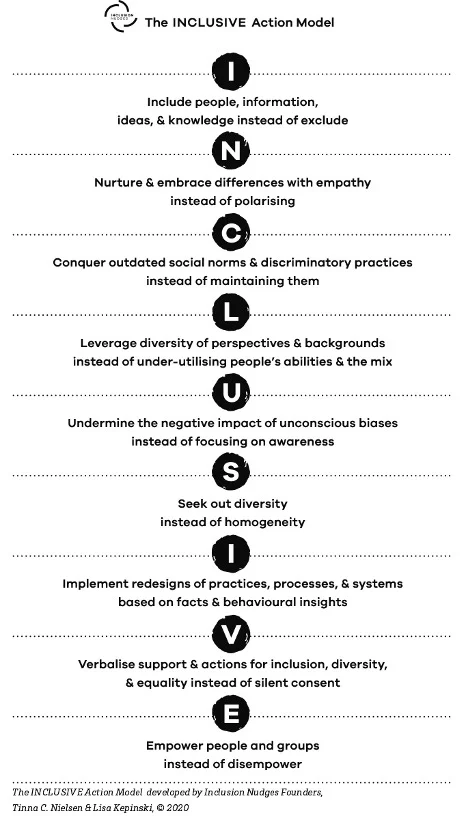
- Integrating Behavioral Insights: Designing policies that account for human behavior and cognitive biases to ensure they are effective and equitable. For instance, using "inclusion nudges" to make flexible working the default rather than an exception.
- Implementing with Agile Experimentation: Adopting an iterative approach, piloting new policies, gathering feedback, and making continuous adjustments rather than imposing rigid, unchangeable rules.
Implications for Diversity, Equity, and Inclusion (DEI)
The transformations in process and policy hold profound implications for Diversity, Equity, and Inclusion (DEI) initiatives.
- Opportunities for Enhanced DEI: Well-designed flexible and remote work policies can significantly advance DEI goals. They can:
- Broaden Talent Pools: Remove geographical barriers, allowing organizations to recruit from a wider, more diverse talent pool, including individuals in different regions, those with disabilities, or caregivers.
- Improve Retention: Offer work arrangements that better accommodate diverse life circumstances, reducing attrition rates among underrepresented groups.
- Foster Inclusivity: Create environments where individuals who might feel marginalized in traditional office settings (e.g., due to neurodiversity, physical disability, or cultural background) can thrive.
- Risks of Exacerbating Inequalities: Conversely, poorly managed or designed policies can inadvertently worsen existing disparities:
- Proximity Bias: In hybrid models, managers might unconsciously favor employees who are physically present in the office, leading to unequal access to opportunities, mentorship, and career advancement for remote workers. This disproportionately impacts those who rely on flexibility due to caregiving responsibilities or other factors, often women and people of color.
- "Two-Tiered" Workforce: The creation of an "in-group" (office-based) and an "out-group" (remote) can erode team cohesion and create feelings of exclusion.
- Digital Divide: Disparities in access to reliable internet, suitable home office environments, or necessary technology can disadvantage certain employees, perpetuating inequality.
- Managerial Preparedness: Managers often lack the training and tools to lead diverse, distributed teams equitably, risking inconsistent application of policies and unequal treatment.
To mitigate these risks, organizations must adopt an intersectional lens in policy design, understanding how various aspects of identity interact to shape individuals’ experiences of work. This requires deliberate efforts to train managers, establish clear guidelines for hybrid interactions, and continuously monitor for equitable outcomes.
The Future of Work: A Continuously Evolving Social Contract
The pandemic-era shifts in processes and policies represent more than just temporary adjustments; they signify a fundamental redefinition of the employment relationship. The "social contract" between employees and employers is undergoing a profound renegotiation, with greater emphasis placed on flexibility, well-being, autonomy, and purpose.
Looking ahead, organizations must remain agile and adaptable. The landscape of work will continue to evolve, influenced by technological advancements, demographic shifts, and changing societal values. The imperative is not merely to implement new policies but to cultivate a culture of continuous learning, experimentation, and empathy. By actively engaging employees in the co-creation of their future workplaces, integrating behavioral insights, and prioritizing equity, organizations can navigate this ambiguous and fast-changing time successfully, building more resilient, inclusive, and human-centric models of work for the long term. This transformative period offers an unparalleled opportunity to dismantle outdated structures and forge a future where work truly works for everyone.