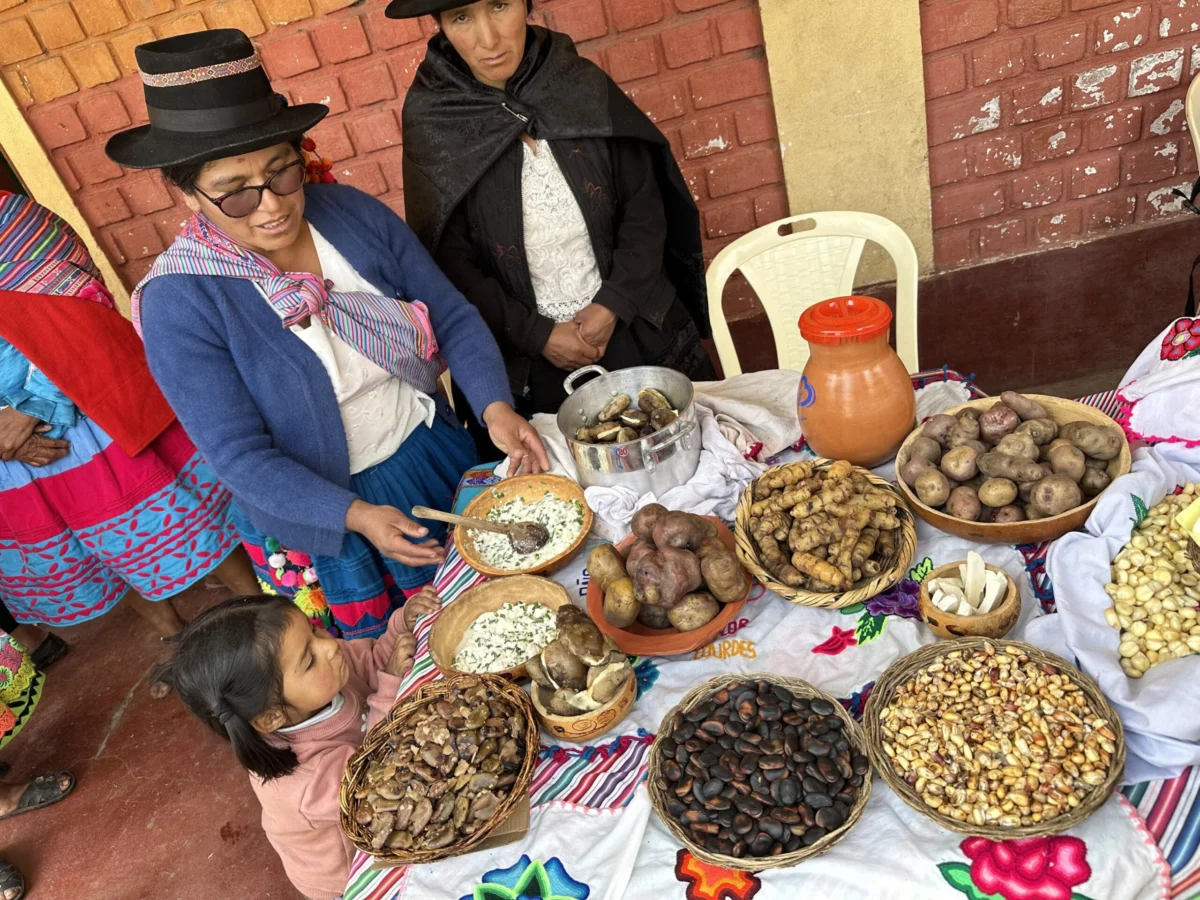
The high-Andean region of Peru, a biodiverse cradle of ancient cultures, is currently facing a critical juncture where the intertwined forces of climate change, unsustainable environmental practices, and the erosion of ancestral knowledge threaten the very fabric of life for Indigenous communities like Totorabamba. Situated within a vital ecosystem, Totorabamba is home to an extraordinary array of over 300 species of flora and fauna, many of which are recognized and protected under national and international conservation laws. However, this delicate natural balance is being disrupted by practices rooted in misinformation, including the rampant overexploitation of soil resources and the aggressive introduction of high-value exotic tree species. Compounding these challenges is the progressive loss of invaluable ancestral botanical wisdom and the accelerating impacts of climate change, leading to a concerning decline in local biodiversity and posing a significant threat to the region’s food sovereignty.
The Genesis of a Community-Driven Initiative
In direct response to these escalating threats, the Totorabamba community initiated a transformative project titled "QAMPI QORAKUNATA WAQAYCHASUN ALLIN KAWSAKUNAPAQ," which translates to "Let us conserve medicinal plants for a good life." This ambitious initiative is specifically designed to empower local women by focusing on the conservation and propagation of medicinal plants, essential for both household well-being and commercial viability. The project has strategically identified and prioritized 22 key species, including culturally significant plants such as muña (Andean mint), horsetail, and plantain, renowned for their diverse therapeutic properties. Beyond mere cultivation, the project endeavors to foster a profound understanding within the community regarding the intrinsic value of natural medicine. Simultaneously, it aims to cultivate practical skills in the utilization of local flora and to equip women with entrepreneurial acumen, thereby catalyzing economic empowerment through an agroecological and culturally sensitive framework.
The genesis of this project can be traced back to a growing awareness within the Totorabamba community of the increasing vulnerability of their traditional practices and natural resources. For generations, medicinal plants have been an integral part of daily life, serving as the primary source of healing for physical, emotional, and spiritual ailments. However, the pressures of modernization, economic marginalization, and the disconnect between younger and older generations led to a gradual decline in the transmission of this vital knowledge. The project’s inception was a proactive step to reverse this trend, recognizing that the preservation of these plants is inextricably linked to the preservation of cultural identity and the sustainable future of the community.
Reconnecting with Roots: Intergenerational Dialogue and Knowledge Revival
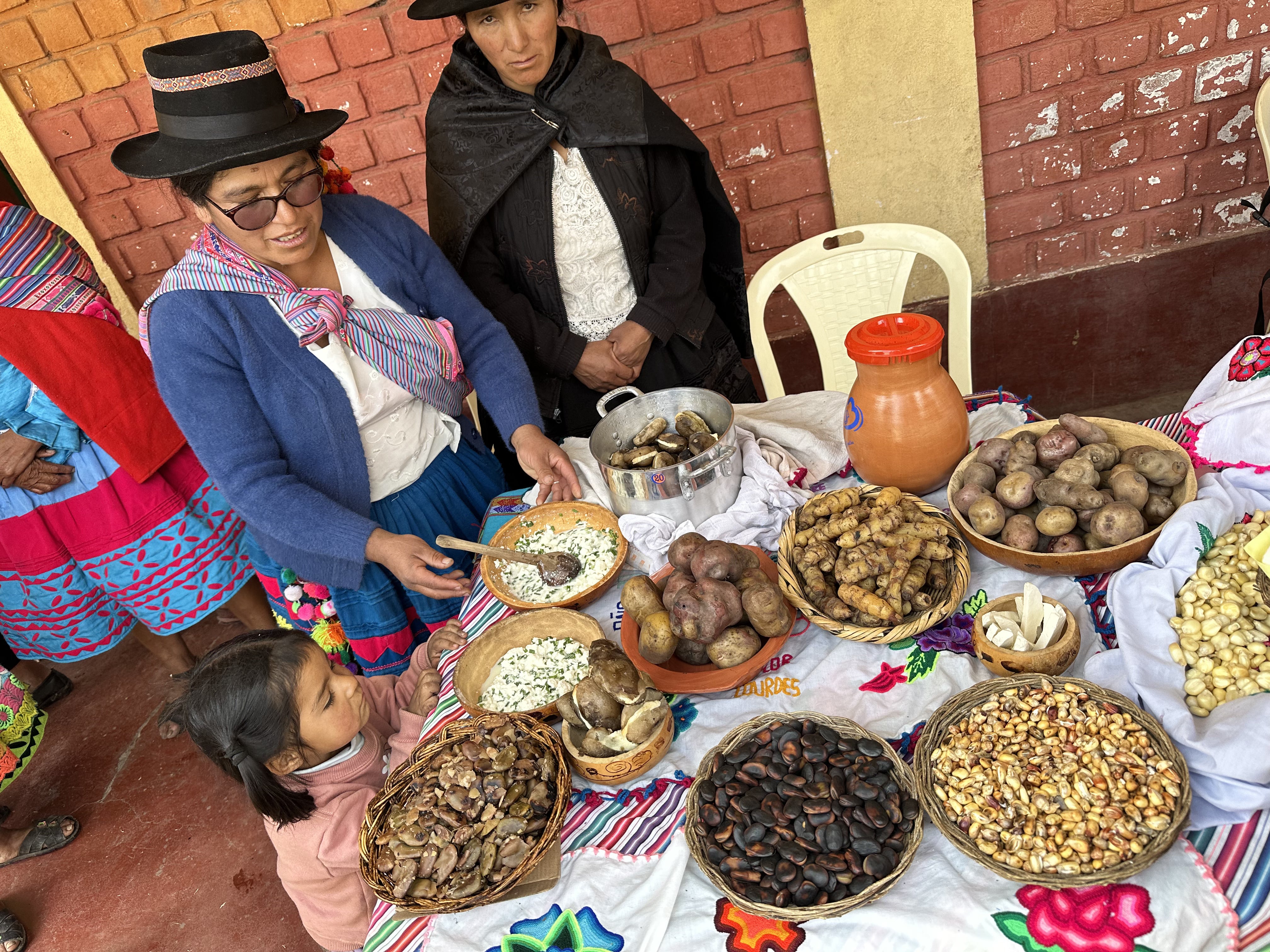
Crucial to the success of "QAMPI QORAKUNATA WAQAYCHASUN ALLIN KAWSAKUNAPAQ" has been the instrumental support provided by the Keepers of the Earth Fund. This partnership facilitated the organization of a series of intensive workshops designed to foster deep reflection on the paramount importance of conserving the community’s natural heritage. A cornerstone of these workshops was the establishment of intergenerational dialogues. These carefully crafted spaces served as vital bridges, promoting the revaluation and active transmission of ancestral knowledge from elders to younger generations. By strengthening cultural identity through the lens of sustainable practices, these dialogues encouraged a profound exchange between the community’s women and their elders.
These immersive sessions proved instrumental in identifying and cataloging culturally significant aromatic and medicinal plant species. Among the species meticulously documented were sage (Salvia officinalis), wawillay (Calceolaria engleriana), anise (Tagetes filifolia), tankar (Berberis), qera (Lupinus), and dandelion (Taraxacum officinale). The elders shared detailed accounts of how these plants have been used for centuries, not only for their medicinal properties but also for their role in rituals, ceremonies, and daily sustenance. Younger participants, in turn, brought a fresh perspective, exploring how this traditional knowledge could be adapted and applied in contemporary contexts. The workshops also addressed the environmental challenges, providing education on sustainable harvesting techniques and the importance of maintaining healthy ecosystems to ensure the long-term availability of these precious resources.
From Garden to Market: Building a Sustainable Business Model
Building upon the insights gleaned from these critical dialogues, a robust community-based business model was meticulously designed. The primary objective of this model is to create sustainable income streams for the women of Totorabamba, while simultaneously fostering the diligent protection of the identified medicinal plants. Through a collective community decision-making process, medicinal plants exhibiting the greatest potential for integration into household gardens and for wider market appeal were strategically acquired. This approach ensured that cultivation efforts were aligned with both community needs and economic opportunities.
A significant milestone in this process was the establishment of a collective brand, aptly named "Tasta, Aromas del Bosque" (Tasta, Forest Aromas). Under this unified banner, the women of Totorabamba have received comprehensive training in a range of essential skills. This training encompasses advanced agroecological production techniques, optimized garden management practices, efficient dehydration and packaging processes to ensure optimal product preservation, and sophisticated communication strategies tailored for marketing and selling their medicinal plant products. The brand "Tasta" itself is intended to evoke the natural essence of the forest and the aromatic qualities of the plants, creating an immediate connection with consumers seeking natural and authentic products.
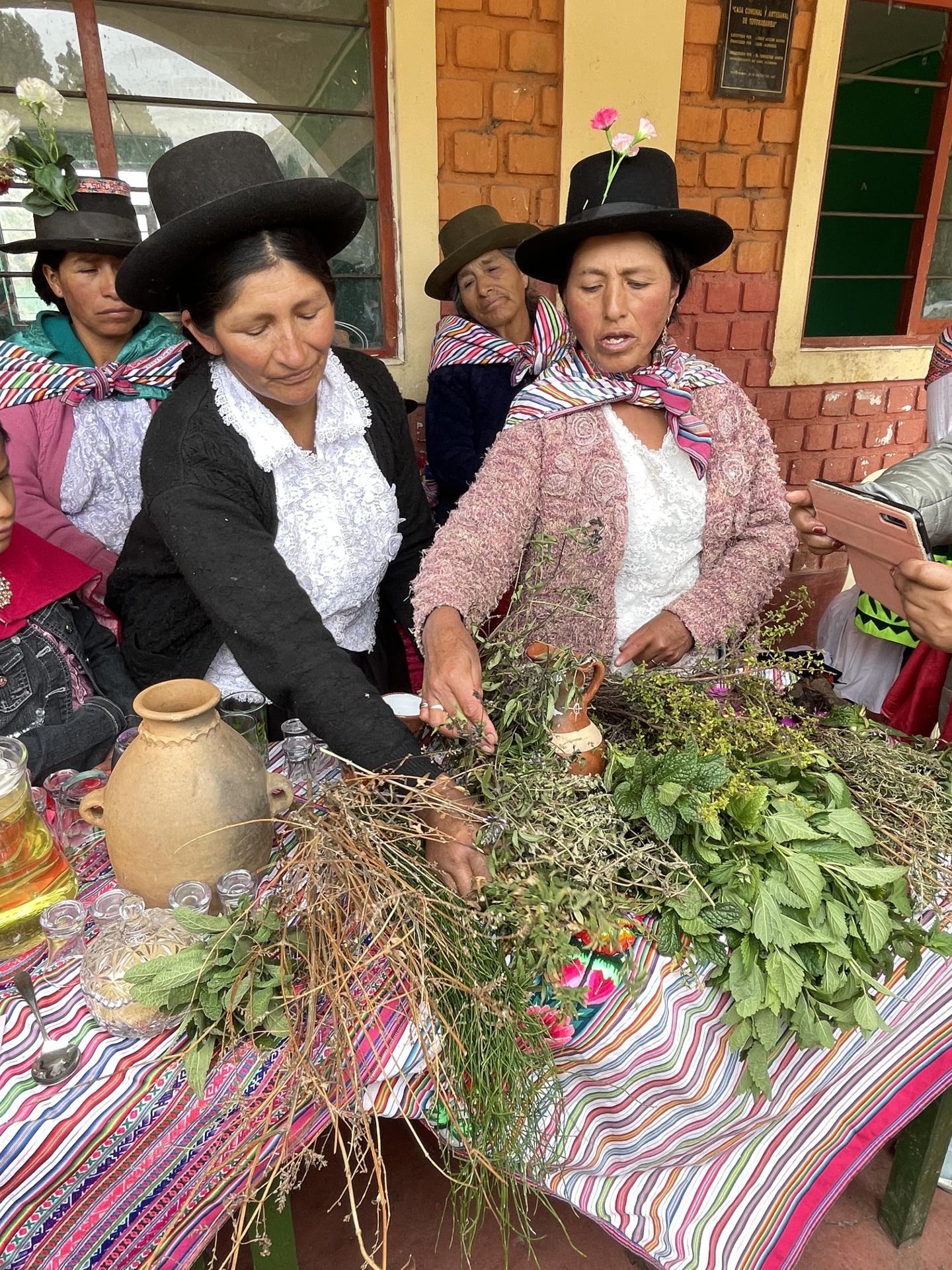
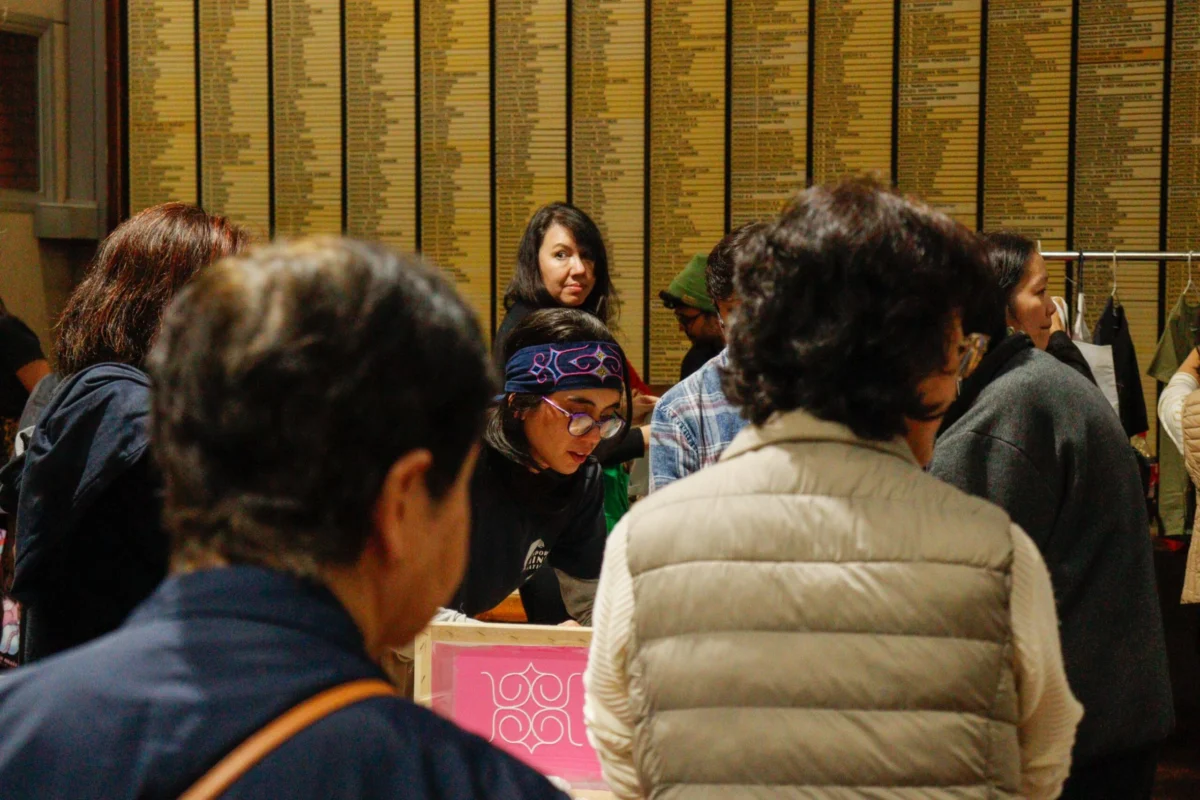
The development of a strong brand identity for "Tasta" was paramount, embodying the venture’s core values: community solidarity, the unwavering preservation of traditional knowledge, and a deep commitment to environmental stewardship. This identity is vividly conveyed through elegantly labeled jars that reflect the rich tapestry of local culture. Furthermore, multimedia materials have been developed, prominently featuring the women themselves. These materials showcase their active participation in every stage of the process, from production and product development to the vital sharing of their knowledge. This innovative use of technology not only amplifies the visibility and voice of the participants and their invaluable knowledge but also serves as a crucial platform for developing essential communication skills in the business arena. It has demonstrably boosted their confidence in presenting themselves publicly and sharing their expertise with wider audiences.
Economic Empowerment and Biodiversity Conservation Intertwined
The tangible outcomes of these multifaceted efforts have been profound. The initiative has successfully brought locally sourced products to a broader audience that increasingly values sustainable production methods that demonstrably benefit local communities. This outreach has included participation in various expo-sale spaces, where "Tasta" has gained recognition and built a customer base in diverse locations. In parallel, the formation of the "Association of Entrepreneurial Women – Guardians of Pachamama – Sumaq Kawsay of Totorabamba" has been actively promoted. This association serves as a crucial institutional platform, providing a unified voice for the entrepreneurial women and formally recognizing their invaluable community knowledge.
The project "QAMPI QORAKUNATA WAQAYCHASUN ALLIN KAWSAKUNAPAQ" has, through its unwavering commitment to community participation, effectively illuminated the profound and inseparable relationship between traditional medicinal knowledge and the preservation of local biodiversity. Within this framework, plants are not merely commodities but are recognized as a "living pharmacy," deeply rooted in the collective memory and heritage of families. These medicinal plants are celebrated for their profound healing properties, addressing physical, emotional, and spiritual ailments, reflecting a holistic approach to well-being that has been central to Indigenous worldviews for millennia.
A poignant testament to the project’s impact comes from a community member who shared, "Here in the forest, we have many good herbs, but due to a lack of knowledge, we do not take advantage of them. It would be important to identify them and understand their properties well to sell them. In the community, we heal ourselves only with those plants. Thanks to the project, we are now seeing which medicinal plants may also have value and thus be able to generate an income for ourselves." This sentiment encapsulates the transformative power of the initiative, moving from a state of untapped potential to one of recognized economic and therapeutic value.
Broader Implications and Future Outlook
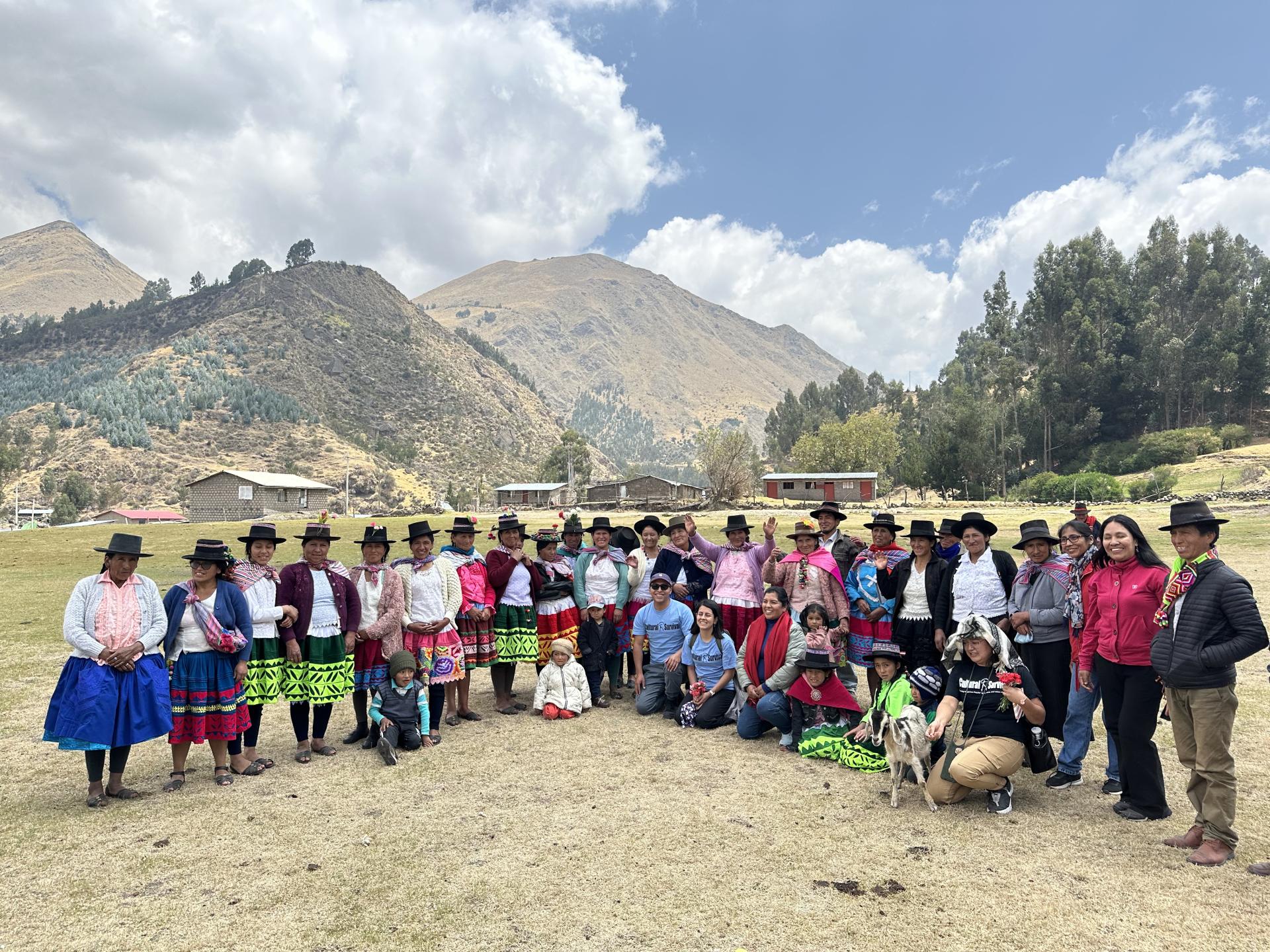
Testimonies like this underscore a powerful aspiration to transcend geographical limitations and share their rich heritage with the world. The project fosters a reaffirmed collective consciousness, enabling the sharing of knowledge through products that not only generate income for Totorabamba’s women but also actively contribute to the preservation of their region’s invaluable biodiversity. These heartfelt words underscore the profound significance of traditional medicine within Indigenous worldviews, where nature is not merely a resource but a sentient entity that heals and nurtures.
"Tasta" and "QAMPI QORAKUNATA WAQAYCHASUN ALLIN KAWSAKUNAPAQ" stand as compelling examples of what can be achieved when multidimensional projects are undertaken with a deep understanding of community needs and aspirations. By integrating crucial areas such as culture, gender equity, and environmental conservation into their core mission, these initiatives remain steadfastly faithful to the traditions and belief systems of the Totorabamba people. Furthermore, they vividly demonstrate the profound possibility of generating genuine economic empowerment grounded in robust community principles.
The resounding success of this project is intrinsically linked to the sense of ownership that the participants have cultivated through their active collaboration. It serves as a powerful reminder that the vital link between ancestral knowledge and the preservation of local ecosystems cannot, and must not, be severed. In this context, the women of Totorabamba have emerged as pivotal guardians and proactive agents, diligently preserving both dimensions: the safeguarding of invaluable knowledge and the perpetuation of the sustainable practices associated with it. These actions collectively generate a profoundly positive impact on the community, fostering economic autonomy for women, bolstering food sovereignty, and fortifying the community’s cherished cultural identity. Simultaneously, the project has significantly strengthened the organizational capacity of the community and enhanced women’s participation in crucial decision-making spaces where they can confidently share their expertise and influence their collective future.
The Totorabamba initiative offers a compelling blueprint for other Indigenous communities grappling with similar challenges. By prioritizing the revitalization of ancestral knowledge, fostering intergenerational connections, and empowering women as economic agents, it demonstrates a pathway towards sustainable development that respects cultural heritage and champions environmental stewardship. The project’s success highlights the critical need for continued investment in community-led conservation efforts and the recognition of Indigenous knowledge as a vital resource for addressing global environmental and social challenges. The ongoing evolution of "Tasta" and the broader "Sumaq Kawsay" philosophy within Totorabamba promises to be a beacon of hope, illustrating that economic prosperity and ecological well-being can indeed flourish hand-in-hand when rooted in deep respect for tradition and the natural world.