The landscape of digital interaction has undergone a fundamental transformation over the last two decades, shifting from a utility-based model to one centered on the aggressive extraction of human attention. In the early stages of the social media era, platforms like Facebook, Instagram, and Reddit featured inherent "stopping points"—design elements that allowed users to conclude a session. These included chronologically sorted feeds that eventually ran out of new content, paginated layouts requiring manual navigation, and "caught up" notifications. Today, these features have been systematically replaced by infinite scrolls and algorithmic recommendations designed to eliminate pauses and maximize time spent on-site. This shift is not merely a design preference but the cornerstone of a multi-billion dollar "attention economy" where human focus is the primary commodity being processed and sold to advertisers.
The Evolution of Frictionless Design: A Chronological Overview
The transition from user-centric design to engagement-maximized design occurred in phases, often marketed under the guise of improving the user experience. In 2006, the introduction of the Facebook News Feed marked the first major shift toward a centralized stream of information. However, it was the subsequent removal of chronological sorting and the introduction of "infinite scroll"—a concept popularized by designer Aza Raskin in 2006—that fundamentally altered the psychology of browsing.
By the mid-2010s, platforms began prioritizing algorithmic curation over linear timelines. Instagram transitioned to an algorithmic feed in 2016, a move that significantly increased the time users spent on the app by prioritizing high-engagement content. By 2020, most major platforms had eliminated the concept of a "finished" feed. Reddit replaced its paginated "Next Page" buttons with an endless stream, and Instagram introduced "Suggested Posts" at the end of the primary feed to ensure that scrolling never truly concluded. This chronological progression highlights a deliberate industry-wide effort to remove "stopping cues," which behavioral scientists identify as critical moments that allow the brain to evaluate whether to continue an activity.

The Psychophysiology of Engagement
The effectiveness of modern social media is rooted in the exploitation of human neurobiology. Megan Collins, a licensed psychotherapist specializing in digital wellness, notes that the infrastructure of these apps is engineered to hijack the brain’s reward system. "Smartphones have essentially placed dopamine machines in every pocket," Collins states. "Algorithms are refined through billions of data points to identify exactly what keeps a specific individual scrolling. These platforms utilize variable reward schedules—the same psychological mechanism that makes slot machines addictive—to ensure users remain tethered to the screen."
The biological impact is particularly pronounced in younger demographics. The prefrontal cortex, the area of the brain responsible for impulse control, executive function, and long-term planning, does not fully mature until the mid-to-late 20s. Consequently, adolescents and young adults are statistically more susceptible to the persuasive design tactics used by social media giants. This vulnerability has led to a documented rise in compulsive checking behaviors, sleep disruption, and anxiety. According to data from the Centers for Disease Control and Prevention (CDC) and various longitudinal studies, there is a direct correlation between the rise of algorithmic social media and the decline in adolescent mental health metrics over the past decade.
The "Product vs. User" Dichotomy
A central tenet of the 2020 docu-drama The Social Dilemma is the maxim: "If you’re not paying for the product, you are the product." In the context of the attention economy, this is a literal description of the business model. Social media corporations do not generate revenue from the users themselves but from the advertisers who pay for access to those users’ attention and data.
From a corporate perspective, users are "inputs" in a data-processing machine. The term "user" itself is increasingly viewed by critics as a misnomer; individuals are more accurately described as the "used." The computational resources required to host and stream content to billions of people are immense. To offset these costs and generate profit for shareholders, platforms must maximize the number of advertisements a person sees. This necessitates holding human attention for as long as possible, often at the expense of the individual’s well-being or the quality of the information being consumed.

The Lifecycle of Enshittification
The term "enshittification," coined by writer and activist Cory Doctorow, describes the lifecycle of online platforms. The process typically follows three stages:
- User Acquisition: The platform is initially designed to be highly useful and beneficial to users to achieve a critical mass of adoption.
- Supplier Lock-in: Once users are entrenched, the platform shifts its focus to benefit "suppliers" (advertisers or creators) to build the business ecosystem.
- Surplus Extraction: Finally, the platform degrades the experience for both users and suppliers to claw back as much value as possible for its shareholders.
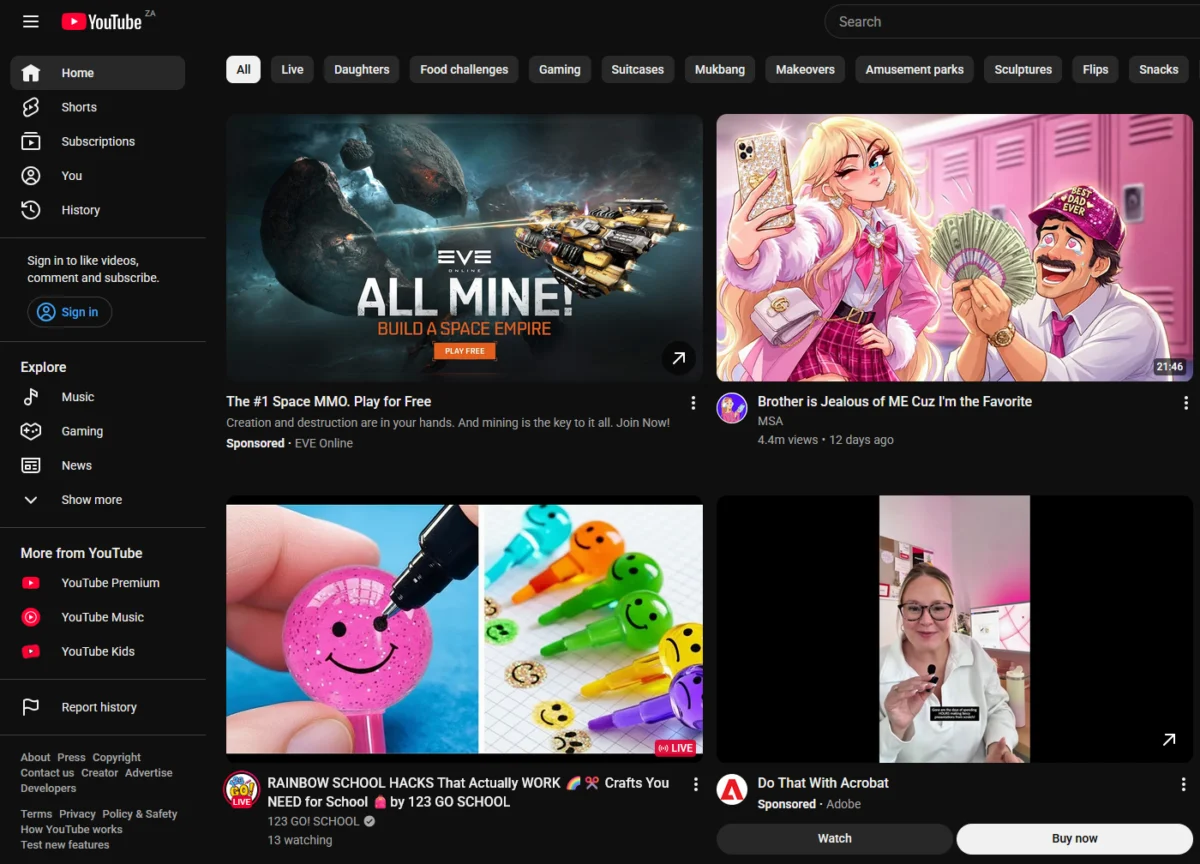
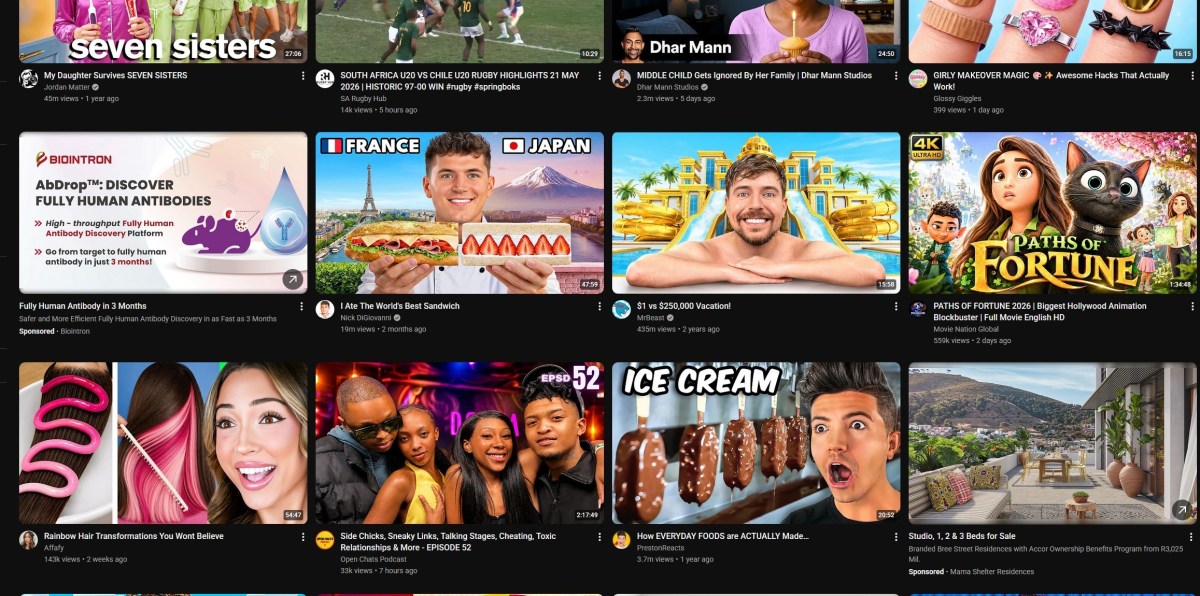
This lifecycle is evident in the trajectory of apps like Tinder and YouTube. Tinder initially offered a streamlined, free experience before introducing tiered "premium" subscriptions and unskippable advertisements. YouTube, once a simple video-hosting site, has increasingly integrated unskippable 30-second ads and pushed its "Premium" service by making the free experience intentionally more cumbersome. This degradation is not a failure of the business model but its intended final state.
Legal and Regulatory Challenges
The aggressive nature of attention harvesting has recently moved into the crosshairs of the legal system. In early 2026, a landmark trial began in the United States, accusing Meta (parent company of Facebook and Instagram) and Alphabet (parent company of YouTube) of intentionally designing their products to addict young users. The plaintiffs argue that these companies were aware of the psychological harm caused by their algorithms but prioritized profit over safety.
Internal documents leaked during previous investigations, such as the "Facebook Files" in 2021, have already suggested that platforms were aware of the negative impact of Instagram on the body image of teenage girls. The current legal challenges seek to establish a "duty of care" for social media companies, potentially leading to regulations that would mandate the reintroduction of stopping points, the banning of infinite scroll for minors, and greater transparency in algorithmic decision-making.
Supporting Data and Economic Impact
The scale of the attention economy is reflected in global advertising expenditures. In 2024, social media advertising spending reached an estimated $220 billion globally, with projections suggesting it will exceed $300 billion by 2027. The average daily time spent on social media worldwide currently stands at approximately 143 minutes per day. Over a 70-year lifespan, this equates to roughly 6.9 years spent on social media platforms.
| Platform | Key Engagement Tactic | Primary Revenue Stream |
|---|---|---|
| TikTok | Short-form video loop, aggressive AI curation | Targeted video ads, e-commerce |
| Infinite scroll, "Suggested" content integration | Programmatic display ads, sponsored posts | |
| Notification-driven "FOMO," endless thread scrolling | Native advertising, premium memberships | |
| YouTube | Auto-play, unskippable mid-roll ads | Ad-sense, YouTube Premium |
Strategies for Cognitive Autonomy
As platforms become more sophisticated in their harvesting techniques, experts suggest that individuals must adopt a "confrontational" approach to their digital consumption. Reclaiming attention requires moving beyond the passive role of a "member" or "fan" and establishing strict boundaries.
- Elimination of Non-Essential Notifications: Most notifications are designed to exert psychological pressure through "loss aversion"—the fear of missing out on a perceived benefit. Disabling all but the most essential alerts breaks the cycle of compulsive checking.
- Culling Follows and Feeds: Regularly removing accounts that do not provide genuine value reduces the "noise" the algorithm has to work with.
- Introduction of Manual Friction: Using third-party tools like ad-blockers, SponsorBlock, or browser extensions that disable "Recommended" sidebars can reintroduce the pauses that platforms have removed.
- Prioritizing Low-Energy Offline Recreation: Psychotherapists suggest that replacing "directionless screentime" with activities like reading, music, or physical interaction can help recalibrate the brain’s reward system.
The Broader Impact on Society
The consequences of the attention economy extend beyond individual mental health; they affect the social fabric. Algorithmic curation often prioritizes emotionally charged or polarizing content because it is more effective at sustaining engagement. This "outrage machine" contributes to societal polarization and the erosion of shared reality.
As platforms like BlueSky and Mastodon attempt to offer "pro-user" alternatives, they face the same economic pressures that led to the degradation of their predecessors. The challenge for the future of the internet remains whether a sustainable business model can exist that respects human focus rather than harvesting it. Until regulatory frameworks or fundamental shifts in consumer behavior occur, the "enshittification" of the digital world is likely to continue, leaving users to navigate an environment designed to be as addictive as it is indispensable.