The escalating conflict in Iran has transcended its status as a regional crisis to become a defining moment for British domestic and foreign policy, forcing a fundamental reassessment of the United Kingdom’s economic and strategic dependencies. As the humanitarian toll in the Middle East continues to mount, the British government finds itself at a historic juncture, grappling with a question that has been deferred for four decades: whether to remain tethered to the American neoliberal economic model or to pivot toward the more egalitarian social market economies of Northern Europe. This shift, accelerated by a perceived divergence in interests between London and Washington, marks the potential end of a long-standing consensus on the nature of British capitalism.
The Human and Geopolitical Context of the Iranian Conflict
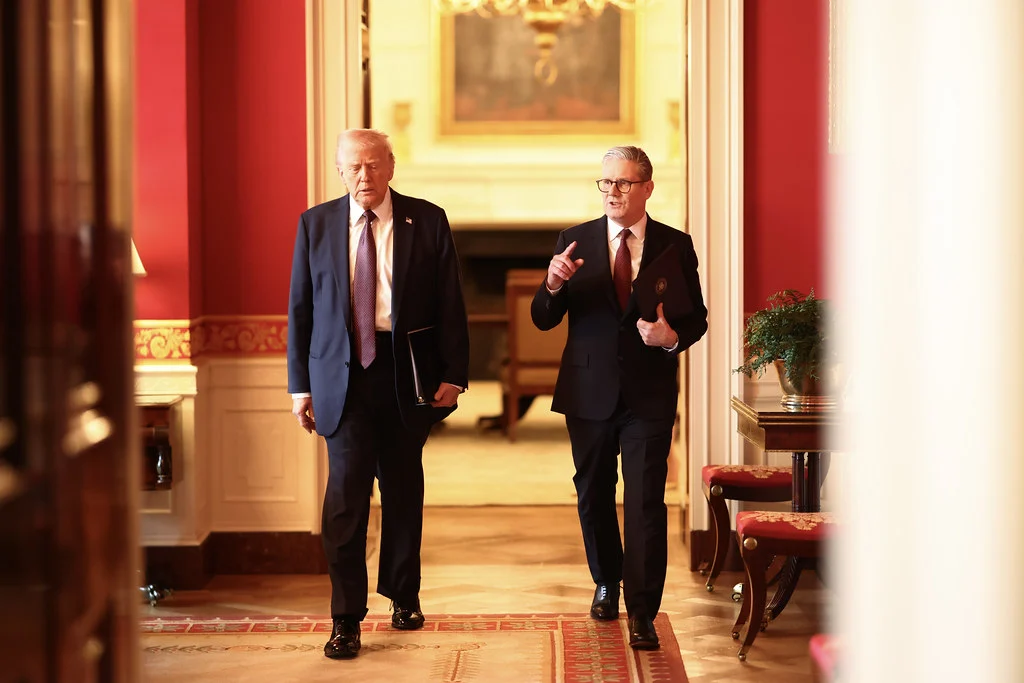
The war in Iran, which escalated into full-scale hostilities in early 2026, has resulted in a staggering loss of life and a massive displacement of civilians. Beyond the immediate tragedy, the conflict has exposed the fragility of the international order and the shifting priorities of the United States. While previous decades saw the U.K. and the U.S. move in lockstep on Middle Eastern interventions, the current administration in Washington has adopted a posture described by analysts as "erratic and isolationist," focusing on narrow national interests rather than the maintenance of traditional alliance structures.
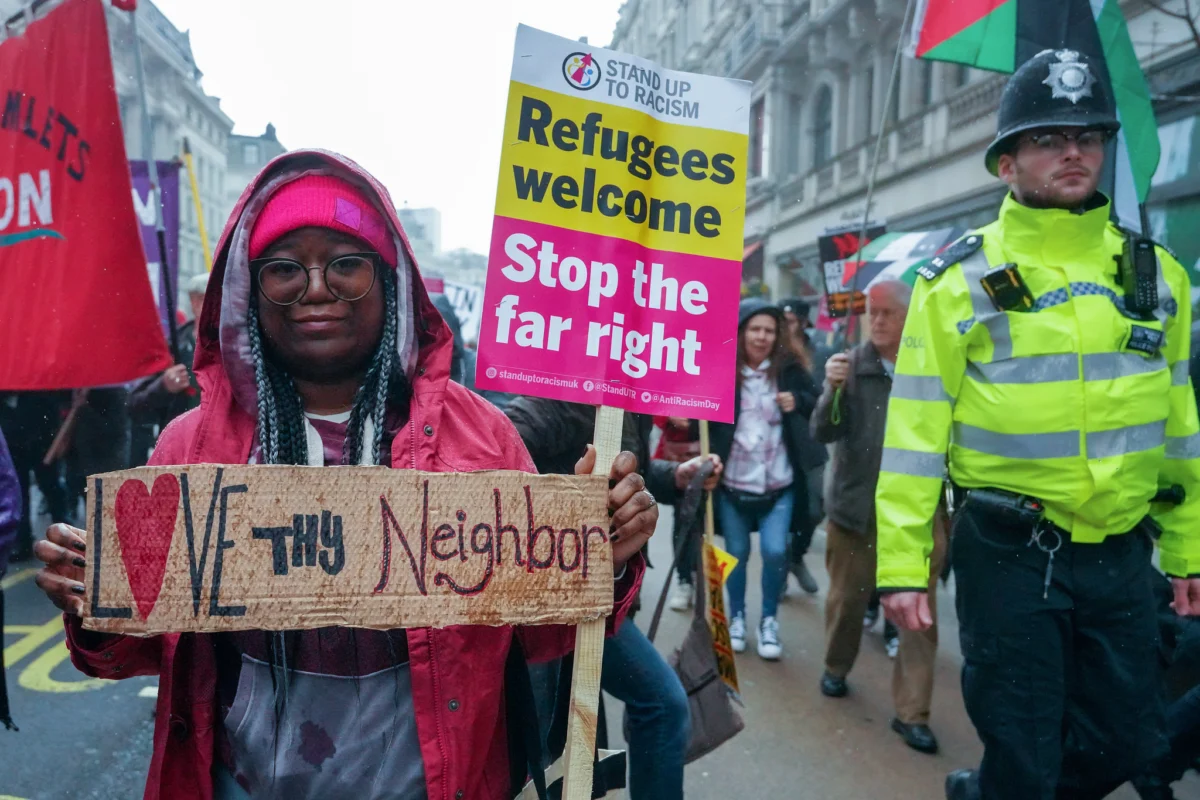
For the United Kingdom, the war has acted as a catalyst for a deeper soul-searching. The civilian suffering in Iran has sparked widespread public outcry across British cities, leading to a disconnect between the government’s historical security obligations and a public increasingly wary of foreign entanglements. This disconnect is compounded by the economic fallout, as energy markets face volatility and global trade routes are disrupted, highlighting the vulnerability of Britain’s current economic arrangement.
Chronology of Escalation and the British Response
The path to the current crisis began in mid-2025, following a breakdown in diplomatic negotiations regarding maritime security in the Persian Gulf.
- August 2025: Tensions spiked after a series of drone attacks on oil tankers, leading to a massive increase in insurance premiums for global shipping.
- November 2025: The United States announced a "strategic recalibration," prioritizing domestic energy security and unilaterally imposing a new sanctions regime that bypassed traditional international institutions.
- January 2026: Full-scale military operations commenced. Unlike the coordinated efforts of the early 2000s, the U.S. approach was marked by a lack of consultation with European allies, leaving the U.K. in a precarious diplomatic position.
- February 2026: The British Cabinet held a series of emergency meetings to discuss the "Special Relationship." Reports emerged of significant internal friction regarding the U.K.’s reliance on American military hardware and intelligence.
- March 2026: Protests in London, Manchester, and Glasgow reached a fever pitch, demanding not just a ceasefire, but a "strategic decoupling" from American foreign policy and the economic ideologies that underpin it.
The Four-Decade Drift Toward the American Model
Since the late 1970s and early 1980s, the British economy has undergone a systematic transformation to mirror the American model of capitalism. This evolution was characterized by several key pillars: the deregulation of the financial sector (the "Big Bang"), the weakening of trade unions, the privatization of essential public services, and an increasing reliance on American technology giants.
Data from the Office for National Statistics (ONS) and the World Bank illustrates the result of this drift. By 2025, the U.K. had one of the highest levels of income inequality in the OECD, with a Gini coefficient hovering around 0.35, significantly higher than the 0.26 to 0.29 seen in Scandinavian nations. Furthermore, the British technology sector became heavily dominated by U.S. platforms, with over 70% of cloud infrastructure and digital advertising revenue flowing to Silicon Valley-based corporations.
The "post-Brexit gamble" was predicated on the idea that the U.K. could thrive as a deregulated hub within the Anglosphere. However, as the U.S. has turned toward economic nationalism and protectionism, the benefits of this alignment have dwindled, leaving the U.K. with the downsides of the American model—high inequality and eroded public services—without the security of a stable, reciprocal partnership.
The European Alternative: Stability and Equality
As the U.K. contemplates a reorientation, the economic models of Northern Europe—specifically Germany, the Netherlands, and the Scandinavian states—offer a starkly different blueprint. These economies are characterized by "coordinated market capitalism," which emphasizes long-term investment over short-term shareholder returns, stronger labor protections, and a more robust social safety net.
Comparative data highlights the disparity in outcomes:
- Labor Rights: In Sweden and Denmark, collective bargaining coverage remains above 80%, compared to less than 25% in the U.K. This has resulted in more equitable wage growth and higher productivity in the long term.
- Wealth Concentration: The top 1% in the U.K. holds nearly 21% of the nation’s wealth, a figure more comparable to the U.S. (35%) than to Germany (18%) or Norway (14%).
- Public Investment: Northern European states consistently invest a higher percentage of GDP into research and development and vocational training, creating a more resilient workforce capable of navigating geopolitical shocks.
The current crisis has forced British policymakers to consider whether moving closer to these European neighbors could provide the stability that the American alliance no longer guarantees.
The Influence of Extreme Wealth on British Policy
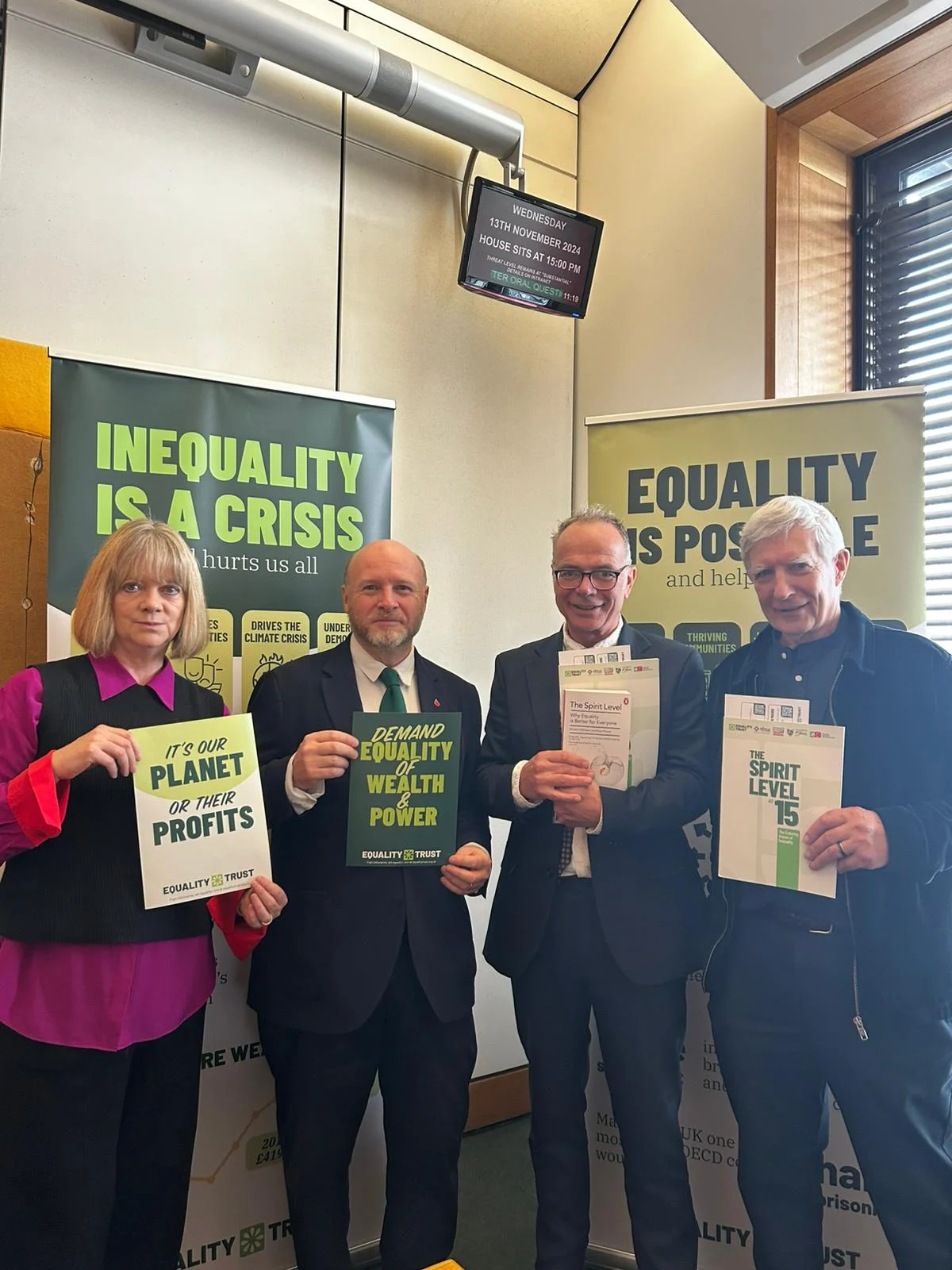
A critical barrier to this reorientation is the entrenched influence of extreme wealth and corporate power within the British political system. A recent briefing by The Equality Trust, titled Money, Media and the Lords: How the Ultra-wealthy are Shaping Britain, details how a small elite has successfully lobbied for regulations that favor speculative finance over the productive economy.
This feedback loop has created an environment where oligopolies dominate key sectors, from energy to housing, extracting value from consumers while stifling domestic innovation. The report notes that the concentration of media ownership and the presence of wealthy donors in the House of Lords have made it difficult to pass legislation that would redistribute power or wealth. To achieve a more independent and equal economy, analysts argue that the U.K. must first address these internal structural imbalances.
Strategic Autonomy and Community Wealth Building
To break its dependence on the American model, the U.K. would need to implement a comprehensive strategy for "strategic autonomy." This involves more than just a change in foreign policy; it requires a complete overhaul of domestic industrial strategy.
Proponents of this shift advocate for a "Community Wealth Building" model, which focuses on keeping wealth circulating within local economies rather than allowing it to be extracted by overseas contractors or multinational corporations. Key components of this strategy include:
- Domestic Industrial Investment: Prioritizing U.K.-based manufacturing and green energy projects, particularly in "left-behind" regions in the North of England and the Midlands.
- Tech Sovereignty: Developing national digital infrastructure to reduce reliance on American "Big Tech" and ensuring that data and value generated in the U.K. remain within its borders.
- Financial Reform: Implementing stricter regulations on speculative markets and incentivizing banks to lend to small and medium-sized enterprises (SMEs) that contribute to the real economy.
- Competition Policy: Empowering regulators to break up monopolies and resist the lobbying efforts of ultra-wealthy individuals who seek to shape policy in their own interests.
Official Responses and Political Reactions
The debate has split the British political establishment. A spokesperson for the Department for Business and Trade stated, "The U.K. remains committed to its historic alliances, but we are also cognizant of the need for greater economic resilience in an increasingly volatile world. We are exploring all avenues to ensure our economy works for all citizens."
In contrast, the Shadow Secretary for Foreign Affairs remarked, "For too long, we have outsourced our strategic thinking to Washington. The war in Iran is a wake-up call. We need an economy that looks more like our neighbors in Europe—fairer, more stable, and more independent."
Business leaders in the City of London have expressed concerns about a potential move away from the U.S. model. The British Chambers of Commerce issued a statement warning that "abrupt shifts in regulatory alignment could threaten the U.K.’s status as a global financial hub," though they conceded that "greater domestic investment is necessary to mitigate global supply chain risks."
Conclusion: A Generational Choice
The conflict in Iran has presented the United Kingdom with a choice that will define its trajectory for the next generation. It can either continue to follow a fraying American model, characterized by high inequality and geopolitical volatility, or it can utilize this moment of crisis to build a more autonomous, equitable, and resilient economy.
While the humanitarian cost of the war remains the most pressing concern, the economic questions it has raised cannot be ignored. The path toward a "Northern European" style of capitalism would require significant political courage and a willingness to confront the interests of the ultra-wealthy. However, as the global order continues to shift, the cost of inaction may soon outweigh the challenges of transformation. The U.K. stands at a crossroads; the direction it chooses will determine whether it remains a satellite of a changing America or becomes a leading voice for a more stable and equal Europe.