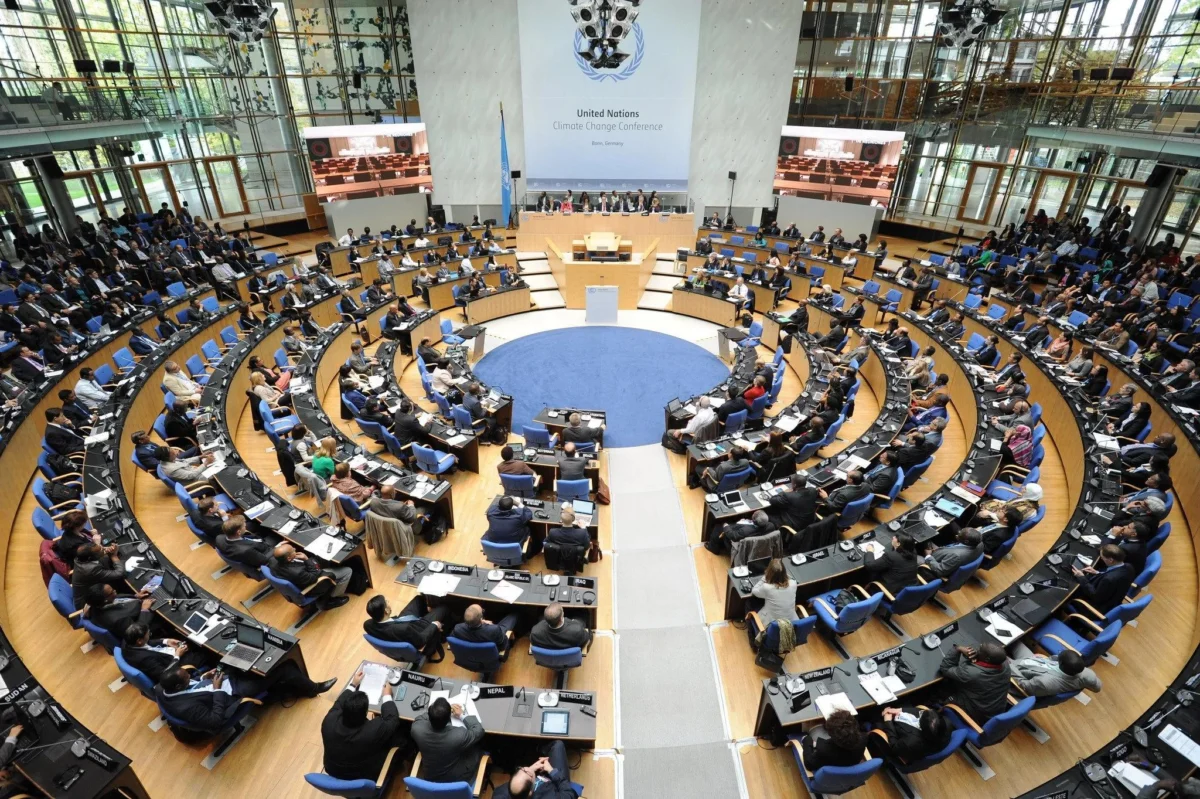
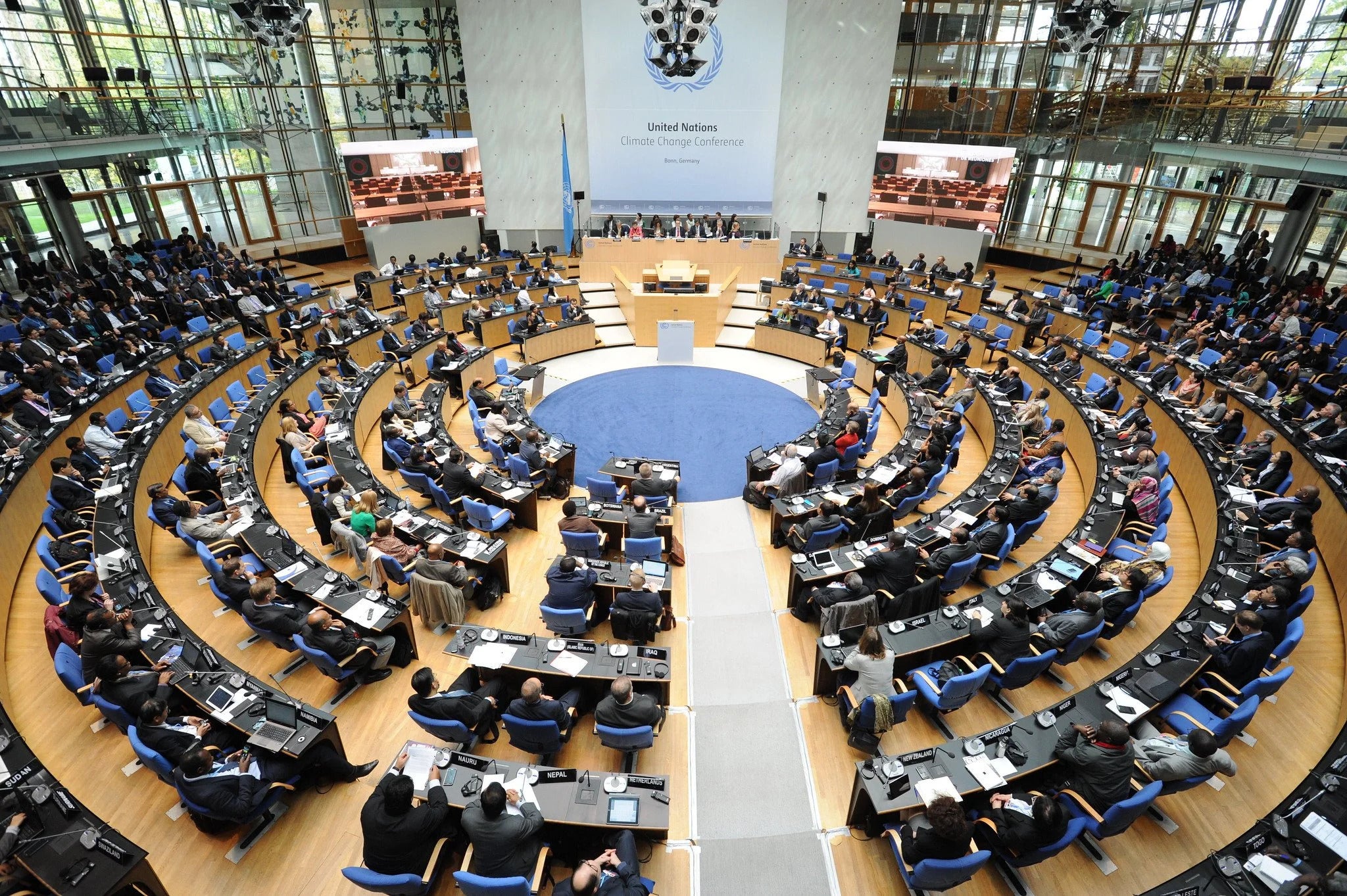
The sixty-fourth sessions of the Subsidiary Bodies (SB64) under the United Nations Framework Convention on Climate Change (UNFCCC) commenced in Bonn, Germany, initiating crucial negotiations for the operationalization of the Just Transition Mechanism (JTM). Established at the 30th Conference of Parties (COP30), the JTM aims to guide the global shift away from fossil fuels in a manner that is equitable and sustainable. While COP meetings garner significant public attention for their high-level decisions, the intricate technical proposals, political stances, and detailed debates that shape these outcomes are often forged during these intersessional meetings. Bonn, therefore, represents a critical juncture where the architectural blueprint of the JTM is being laid, underscoring the vital role of Indigenous Peoples’ advocacy in ensuring that this mechanism genuinely upholds their rights.
The Significance of Bonn and the JTM
The ongoing SB64 sessions in Bonn are particularly pivotal as they delve into the core functions, operational modalities, and institutional frameworks of the newly established Just Transition Mechanism. Although the final adoption of decisions is slated for later this year in Türkiye, the foundational architecture of the JTM is largely being determined through the current negotiations. This makes the active engagement of Indigenous Peoples and their allies essential to guarantee that the mechanism effectively translates into the implementation of their rights.
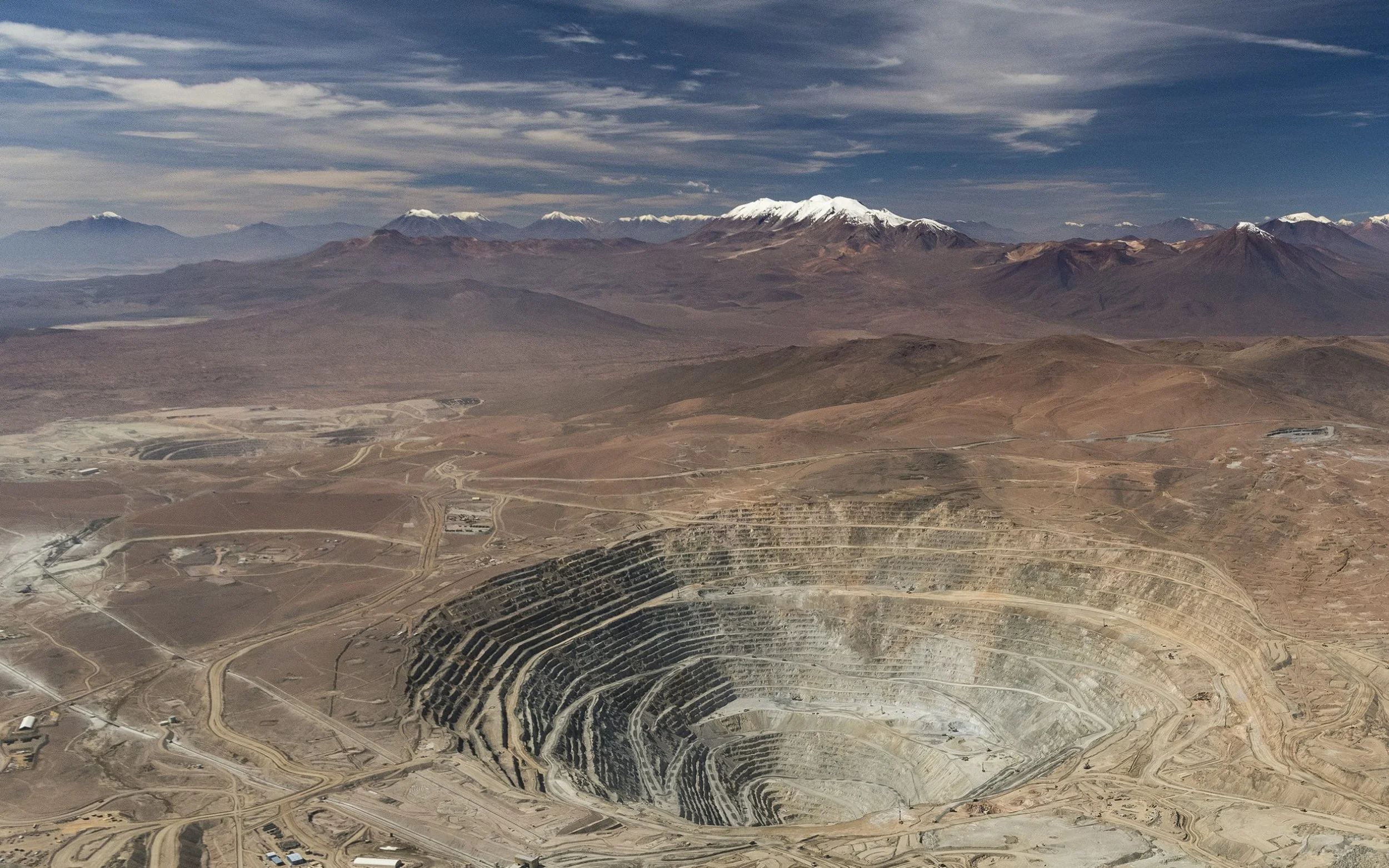
The urgency for a robust JTM is amplified by the accelerating global demand for "transition minerals"—essential components for renewable energy technologies like solar panels, wind turbines, and batteries. As the world pivots towards decarbonization, the extraction of minerals such as lithium, cobalt, nickel, and rare earth elements is projected to increase dramatically. According to the International Energy Agency (IEA), the demand for critical minerals could increase by up to six times by 2040 to meet projected clean energy goals. This surge in demand, however, raises significant concerns regarding the potential impacts on Indigenous Peoples’ lands, territories, and resources.
Recapping COP30 Outcomes: A Milestone for Indigenous Rights
The outcomes adopted at COP30 represented a significant advancement for Indigenous Peoples within the UNFCCC’s Just Transition Work Programme (JTWP). After years of dedicated advocacy, the final decision incorporated some of the most substantial affirmations of Indigenous Peoples’ rights ever included in a UNFCCC decision related to just transitions.
Central to these advancements is Paragraph 12(i) of the JTWP. This paragraph explicitly recognizes the imperative of obtaining Indigenous Peoples’ Free, Prior and Informed Consent (FPIC), in alignment with the United Nations Declaration on the Rights of Indigenous Peoples (UNDRIP). It further stipulates that all just transition pathways must respect and actively promote the internationally recognized collective and individual rights of Indigenous Peoples, including their inherent right to Self-determination. Crucially, the decision also acknowledged the specific rights and protections of Indigenous Peoples in Voluntary Isolation and Initial Contact (PIACI), a landmark recognition within the UNFCCC process.
Complementing these provisions, Paragraph 18 reinforces this rights-based framework by referencing both UNDRIP and the United Nations Guiding Principles on Business and Human Rights. Collectively, these paragraphs establish a clear expectation: that all efforts to advance just transitions must be fundamentally grounded in respect for human rights and the rights of Indigenous Peoples.
However, the COP30 negotiations also illuminated the geopolitical complexities surrounding the control, supply chains, and governance of transition minerals. Proposals to include explicit language addressing transition minerals, the environmental and social impacts of their extraction, and mineral governance were ultimately removed from the final outcome following extensive deliberations among Parties. For many Indigenous Peoples and their representatives, this represented a missed opportunity to formally acknowledge the mounting pressures that the global demand for transition minerals exerts on their ancestral lands and vital ecosystems.
Addressing Transition Mineral Extraction’s Impacts Through the JTM
The omission of explicit language on transition mineral extraction impacts from the COP30 outcome does not signify an end to efforts to address these critical issues within the UNFCCC’s just transition framework. Nor should it deter Indigenous Peoples, advocates, and other stakeholders from pursuing solutions to the escalating social, environmental, and human rights challenges associated with this extraction. While the final decision may not have retained specific phrasing on these matters, it did preserve Paragraph 12 and its 22 subparagraphs. These provisions are widely regarded by Indigenous Peoples and many Parties as foundational principles for enabling equitable and inclusive just transitions. Furthermore, the decision mandated the development of a new Just Transition Mechanism.
The immediate challenge confronting Indigenous Peoples now is to devise practical strategies for translating the existing commitments into tangible actions. The operationalization of Paragraph 12(i), coupled with the references to UNDRIP and the UN Guiding Principles on Business and Human Rights in Paragraph 18, provides a robust foundation for addressing many of the concerns that fueled the calls for more explicit language on transition minerals.
Over the past year, Indigenous Peoples have been proactively developing proposals on how this can be achieved. Through formal submissions to the UNFCCC regarding the operationalization of the JTM, active participation in JTWP dialogues, and comprehensive position papers developed by Indigenous Peoples and their allies, a growing body of recommendations has emerged. These proposals share a common and critical understanding: the Just Transition Mechanism cannot credibly support just transitions if it continues to overlook one of the most significant sources of rights violations and environmental degradation.
The proposals advanced by Indigenous Peoples underscore that addressing the impacts of transition mineral extraction requires more than mere acknowledgment in negotiated texts. Instead, they advocate for the fundamental design of the Just Transition Mechanism itself to incorporate these considerations. By integrating relevant considerations across the mechanism’s functions, modalities, activities, and outputs, and by securing the formal participation of Indigenous Peoples in its institutional arrangements, Parties have a clear opportunity to ensure that the impacts of transition mineral extraction are comprehensively addressed within its scope of work.
Recommendations from Indigenous Peoples for a Rights-Based JTM
The recommendations put forth by Indigenous Peoples extend beyond calls for mere consultation; they articulate a vision for a Just Transition Mechanism that can effectively operationalize the commitments enshrined in Paragraph 12(i) while establishing institutional pathways to manage the risks and impacts associated with transition mineral extraction, among other issues.
A cornerstone of this vision is the principle that Indigenous Peoples should not be relegated to the role of passive consultees. Instead, they must participate formally and meaningfully within the JTM’s institutional architecture. Effective participation will ensure that the mechanism’s priorities, activities, and expected outputs are directly informed by the lived experiences of Indigenous Peoples and the communities most directly affected by transition-related investments and projects.
The recommendations also place significant emphasis on embedding Indigenous Peoples’ rights throughout the JTM’s operations. Policy guidance could empower Parties to integrate Indigenous Peoples’ rights, including FPIC, into their national just transition planning and implementation processes. Technical assistance and capacity-building initiatives could bolster the practical implementation of these commitments. Furthermore, knowledge-sharing activities can facilitate the exchange of experiences and best practices related to respecting Indigenous Peoples’ rights across various transition-related sectors and activities, including those pertaining to mineral extraction.
Equally crucial is the proposal to establish modalities that support a standing agenda item and recurring activities specifically dedicated to the implementation of Paragraph 12(i). Such a dedicated space would provide an ongoing platform for exchanging experiences, identifying persistent challenges, and discussing emerging issues affecting Indigenous Peoples within the context of just transitions. It would also create a formal forum where complex topics, such as the impacts of transition mineral extraction, renewable energy development, and associated infrastructure projects—issues often difficult to address comprehensively within negotiated texts—can be examined in a sustained and practical manner.
The Limits and Potential of the Just Transition Mechanism
It is essential to acknowledge that the Just Transition Mechanism, while promising, is not a singular solution to the multifaceted challenges posed by transition mineral extraction, nor was it designed as such. Paragraph 25 of the JTM’s mandate defines it as a vehicle for enhancing international cooperation, technical assistance, capacity-building, and knowledge-sharing to support just transitions. It is not a regulatory body and does not possess a mandate to oversee or govern mineral extraction activities directly.
The ultimate effectiveness of the JTM will be contingent upon the level of ambition and political will demonstrated by Parties. Its influence will be constrained by the design of its functions, modalities, activities, outputs, and institutional arrangements, as well as the willingness of governments and other actors to implement its recommendations and utilize its resources. Even a meticulously designed mechanism will have inherent limitations in its capacity to influence decisions that are frequently made outside the direct purview of the UNFCCC process.
However, these limitations do not diminish the significance of the opportunity at hand. While the JTM alone cannot resolve all challenges associated with transition mineral extraction, it possesses the potential to significantly strengthen the implementation of Indigenous Peoples’ rights, foster a deeper understanding of emerging risks and effective practices, and create vital spaces for dialogue, learning, and cooperation. For Indigenous Peoples, these outcomes are far from insignificant. They hold the potential to profoundly shape how just transition pathways are conceptualized, designed, and implemented in the years to come.
The Geopolitical Context and Indigenous Rights
In his opening address at SB64, COP31 President Chris Bowen of Australia framed the current global landscape through the prism of energy security, geopolitical instability, and the accelerating transition away from fossil fuels. Highlighting disruptions in global energy markets, supply chain vulnerabilities, and pervasive geopolitical uncertainty, he posited that the path forward lies in "more clean energy, more electrification, less dependence on fossil fuels, and more energy sovereignty and reliability." He emphasized that "accelerating the energy transition will ease shocks to our energy systems," presenting renewable energy as a bulwark of resilience in an increasingly volatile world. As he aptly noted, while solar energy travels millions of kilometers from the sun to Earth, it bypasses strategic chokepoints like the Strait of Hormuz. "The wind cannot be sanctioned," and "hydro energy cannot be blockaded." Throughout his remarks, the energy transition was presented not merely as an environmental imperative but increasingly as a matter of economic resilience, national security, strategic autonomy, and a safeguard against future geopolitical shocks.
This narrative is rapidly gaining traction. As nations strive to diminish their reliance on fossil fuel imports, bolster energy security, expand renewable energy infrastructure, modernize electricity grids, and scale up battery storage solutions, the demand for transition minerals is projected to surge exponentially. Yet, discussions surrounding the acceleration of mineral supply frequently pivot towards strategic competition, investment strategies, and industrial policy, often relegating Indigenous Peoples’ rights to the status of manageable risks, impacts to be mitigated, or ethical considerations to be balanced against broader economic objectives.
From the perspective of Indigenous Peoples, the issue is fundamentally different. They are not mere stakeholders in the energy transition; they possess inherent rights. The burgeoning demand for minerals to fuel climate action and achieve energy autonomy does not diminish Indigenous Peoples’ rights to Self-determination or their right to Free, Prior and Informed Consent. Indigenous Peoples retain the unequivocal right to assent, to refuse, and to establish the conditions under which any development may proceed. An energy transition pursued for climate action and energy autonomy that results in the destruction of communities and ecosystems is neither "just," nor "green," nor "sustainable." It represents a continuation of violence and colonization, and Indigenous Peoples have the inherent right to oppose and reject it.
Navigating the Path Forward in Bonn
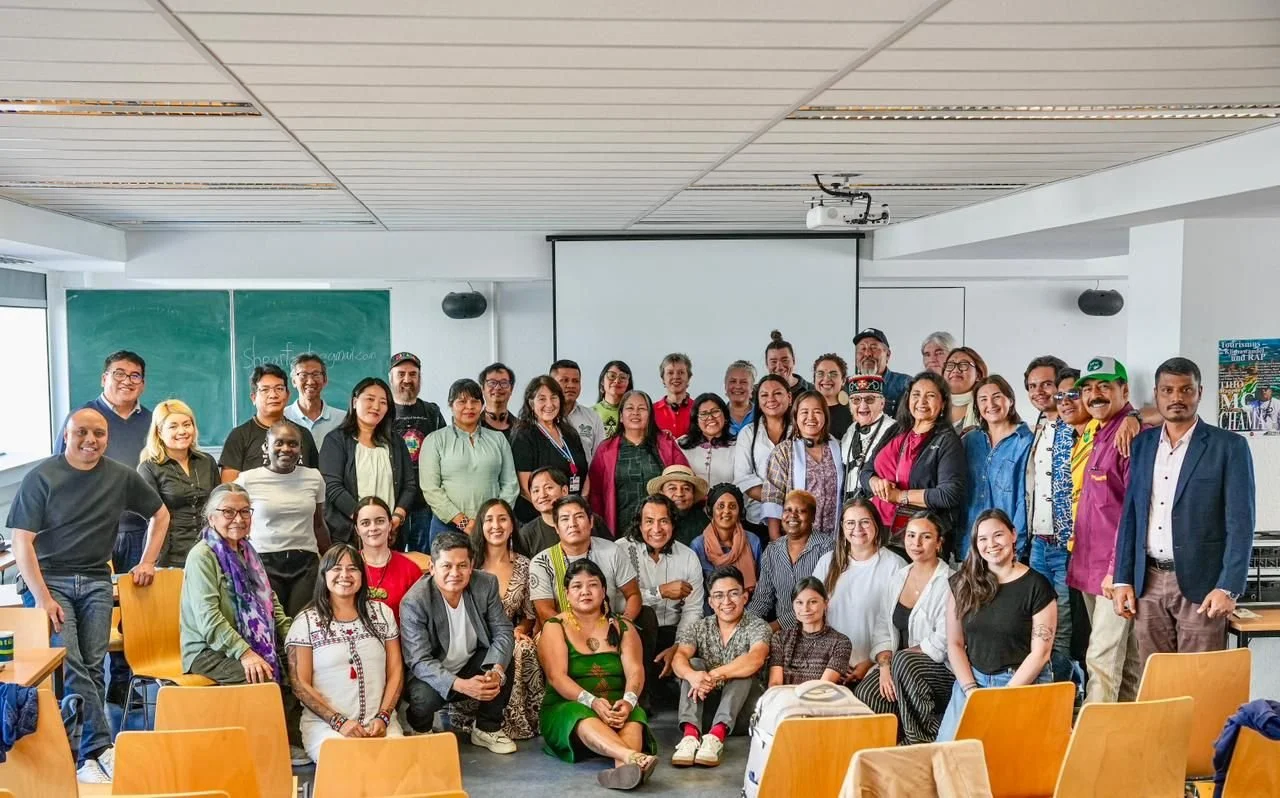
The challenges confronting Indigenous Peoples in the ongoing negotiations are substantial, yet they should not lead to inaction. Instead, they necessitate greater solidarity, the forging of stronger alliances, and a renewed commitment to developing strategies that place the priorities and rights of Indigenous Peoples at their very center. Previous generations dedicated their efforts to securing the recognition of Indigenous Peoples’ rights within international law and policy frameworks. The responsibility now rests on current generations to carry forward that struggle by ensuring these rights are not only acknowledged but actively implemented in practice.
This imperative underscores why Indigenous Peoples must maintain their active engagement in the negotiations underway in Bonn and at all subsequent forums. As the adage goes, "If we are not at the table, we are on the table." At a time when the escalating demand for transition minerals is driven not only by climate action but also by concerns over energy security and geopolitical competition, Indigenous Peoples cannot afford to be passive observers. They must continue to champion their own climate solutions, steadfastly defend their rights, and actively shape the policies and institutions that will determine the future of their communities.
Ultimately, the Just Transition Mechanism will hold little meaning or efficacy if it does not deliver tangible, positive benefits for Indigenous communities and the vital ecosystems they steward. The ongoing work in Bonn presents a critical opportunity to ensure that the global transition to a low-carbon future is indeed just, equitable, and respectful of fundamental human rights.