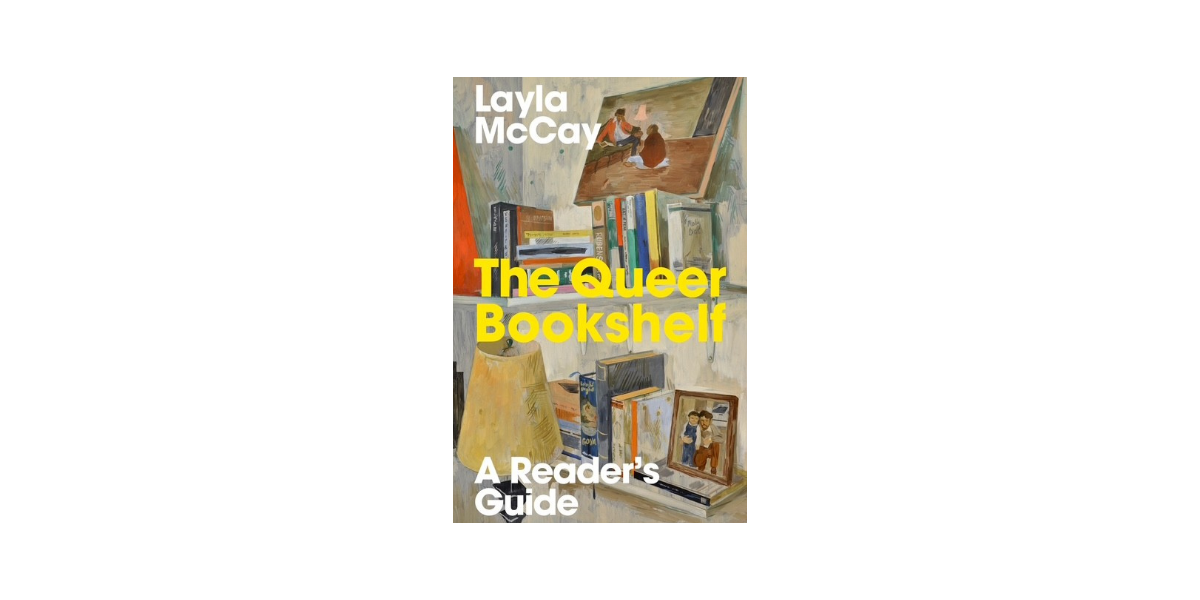
The book functions as both a historical survey and a cultural commentary, referencing nearly 500 works of literature. By organizing the text through broadly chronological chapters, McCay provides a framework for understanding how societal shifts, legal constraints, and grassroots movements have shaped the stories told by and for the LGBTQ+ community. This endeavor is not merely academic; it is driven by a desire to provide a roadmap for readers who find themselves overwhelmed by the current abundance of choice or, conversely, disconnected from the historical roots of their own community’s creative output.
Mapping the Queer Canon
The conceptualization of a "queer canon" has long been a subject of debate among literary scholars and historians. McCay’s approach purposefully avoids the rigid structures of traditional academia, opting instead for a "reader’s perspective" that prioritizes emotional resonance and cultural impact. The survey encompasses a wide array of works, from the celebrated to the forgotten, and identifies potential future classics that are currently defining the 21st-century literary landscape.
One of the central challenges addressed in the book is the sheer volume of contemporary publishing. In the last decade, the industry has seen a dramatic rise in LGBTQ+ titles. According to industry data from organizations like Nielsen BookScan, sales of LGBTQ+ fiction have seen triple-digit percentage growth in several global markets since 2019. This "abundance," as McCay notes, creates a new kind of difficulty: the paradox of choice. Where previous generations struggled to find any representation, current readers must navigate algorithmic silos that often limit their exposure to diverse genres and historical contexts.
A Chronological Evolution: From Antiquity to the Digital Age
The Queer Bookshelf begins its journey in antiquity, exploring the early expressions of same-sex desire and gender non-conformity that preceded modern identity labels. This early history sets the stage for a more detailed examination of the 19th and 20th centuries, periods marked by both intense censorship and the birth of modern queer subcultures.
As the narrative moves into the 20th century, McCay highlights the pivotal role of signature works that emerged from specific historical moments. The text discusses the significance of foundational novels such as Radclyffe Hall’s The Well of Loneliness (1928) and James Baldwin’s Giovanni’s Room (1956). These works are analyzed not just for their content, but for the societal reactions they provoked—ranging from obscenity trials to critical acclaim.
The chronology also accounts for the mid-century rise of "pulp fiction," which often served as the only accessible form of queer representation for many readers. These mass-produced paperbacks, though often constrained by "tragic" endings required by censors, provided a vital lifeline for a community living in the shadows. McCay’s inclusion of these works acknowledges that the queer canon is built as much on "low-brow" genre fiction as it is on high-status literary achievements.
The Impact of Legislative Censorship: Section 28 and Beyond
A significant portion of McCay’s analysis is dedicated to the impact of state-sponsored censorship on literature. A primary example cited is Section 28 of the Local Government Act 1988 in the United Kingdom. This legislation prohibited local authorities from "promoting homosexuality" or the "acceptability of homosexuality as a pretended family relationship."
The book argues convincingly that Section 28 stunted the growth of Young Adult (YA) publishing in the UK for over a decade. By creating a climate of fear among educators and librarians, the law effectively erased queer narratives from the lives of teenagers during their most formative years. This historical vacuum explains why many contemporary queer adults are currently drawn to the "joyful" YA novels of the 21st century, such as Alice Oseman’s Heartstopper or the works of Becky Albertalli. These books offer a corrective to the deprivation experienced by the "Section 28 generation."
This analysis extends to the global stage, where McCay describes the inventive and often dangerous ways individuals in restrictive regimes currently acquire LGBTQ+ literature. From clandestine book-sharing networks to digital smuggling, the struggle for access to queer stories remains a contemporary reality in many parts of the world.
Genre Fiction as a Haven for Queer Expression
One of the most distinctive features of The Queer Bookshelf is its focus on genre fiction—science fiction, fantasy, and crime—as a primary site for queer innovation. McCay observes that during periods when literary fiction was heavily scrutinized by censors, genre fiction often allowed for more radical explorations of identity and community.
In the realms of speculative fiction, authors could imagine worlds without heteronormative constraints, providing a space for "queer world-building" that was both escapist and deeply political. The book highlights how these genres allowed for the subversion of traditional gender roles and the exploration of alternative family structures long before such themes were accepted in mainstream contemporary fiction.
The Intersectionality of the Modern Queer Library
As the survey reaches the 21st century, the focus shifts toward intersectionality and the diversification of the queer narrative. McCay acknowledges that the early queer canon was predominantly white, Western, and cisgender. The Queer Bookshelf makes a conscious effort to include voices from different countries, racial backgrounds, and those living with disabilities.
The inclusion of translated works is a specific point of emphasis. By highlighting authors from non-English speaking traditions, McCay challenges the Anglo-centric bias that often dominates literary surveys. The book also addresses the "class question," noting that working-class queer stories remain underrepresented in traditional publishing due to systemic barriers to entry.
This commitment to intersectionality is reflected in the "interjections" featured throughout the book. McCay includes testimonials from a diverse array of authors, booksellers, and readers who describe the visceral impact of specific books. For instance, author Caro de Robertis recounts the physical sensation of reading Manuel Puig’s Kiss of the Spider Woman, while others provide "side-eye" or critical takedowns of established classics, such as Jeanette Winterson’s critique of The Well of Loneliness. These varied perspectives illustrate how readers layer their own lived experiences over the texts they consume.
Industry Trends and the Broader Impact
The release of The Queer Bookshelf coincides with a broader cultural realization regarding the importance of queer literary spaces. McCay points to other recent publications, such as AJ West’s How Queer Bookshops Changed the World and Jane Cholmeley’s A Bookshop of One’s Own, as evidence of a collective effort to document the history of queer bibliophilia.
These works highlight the role of independent bookstores as community hubs and sites of political resistance. In an era of digital algorithms, the physical queer bookstore remains a vital space for "serendipitous discovery"—a feeling McCay attempts to recreate within the pages of her own book.
However, the current landscape is not without its threats. The book arrives at a time of "two-pronged attack" on both LGBTQ+ rights and creative freedom. In the United States, the American Library Association reported a record number of book challenges in 2023, with a significant majority targeting titles with LGBTQ+ themes. This climate makes the documentation and celebration of queer stories more urgent than ever.
Author Background and Future Trajectory
Layla McCay’s transition from a reader and book club leader to a published author of literary surveys is rooted in her professional background in health policy and international relations. Her previous work, Breaking the Rainbow Ceiling, examined the challenges faced by LGBTQ+ individuals in the professional workforce.
During the research for The Queer Bookshelf, McCay discovered that the history of queer literature was inextricably linked to the history of queer activism and survival. This realization has informed her upcoming project: a historical fiction novel set in the 1970s. The novel will center on "queer book smuggling," drawing on her research into the diplomatic community and the clandestine networks used to distribute banned literature.
Conclusion and Implications
The Queer Bookshelf serves as a vital intervention in the ongoing effort to preserve and promote LGBTQ+ culture. By cataloging 500 works and providing the historical context for their creation, McCay offers a resource that is both a celebration of progress and a reminder of the fragility of creative freedom.
The book’s primary contribution lies in its ability to connect different generations of readers. For younger readers, it provides a sense of lineage and history; for older readers, it offers a way to process the "stark contrast" between the scarcity of their youth and the abundance of the present. As the publishing industry continues to evolve, works like McCay’s ensure that the "genuine, human queer stories" that have shaped the community are not lost to time or censorship.
The Queer Bookshelf is currently available in the United Kingdom, Ireland, and Canada, with an Australian release scheduled for June 30. While a United States publication date has yet to be finalized, the book’s themes of resistance, community, and the power of the written word remain globally relevant.