May 29, 2026 | By Lindsay Kagalis, Social Media Manager
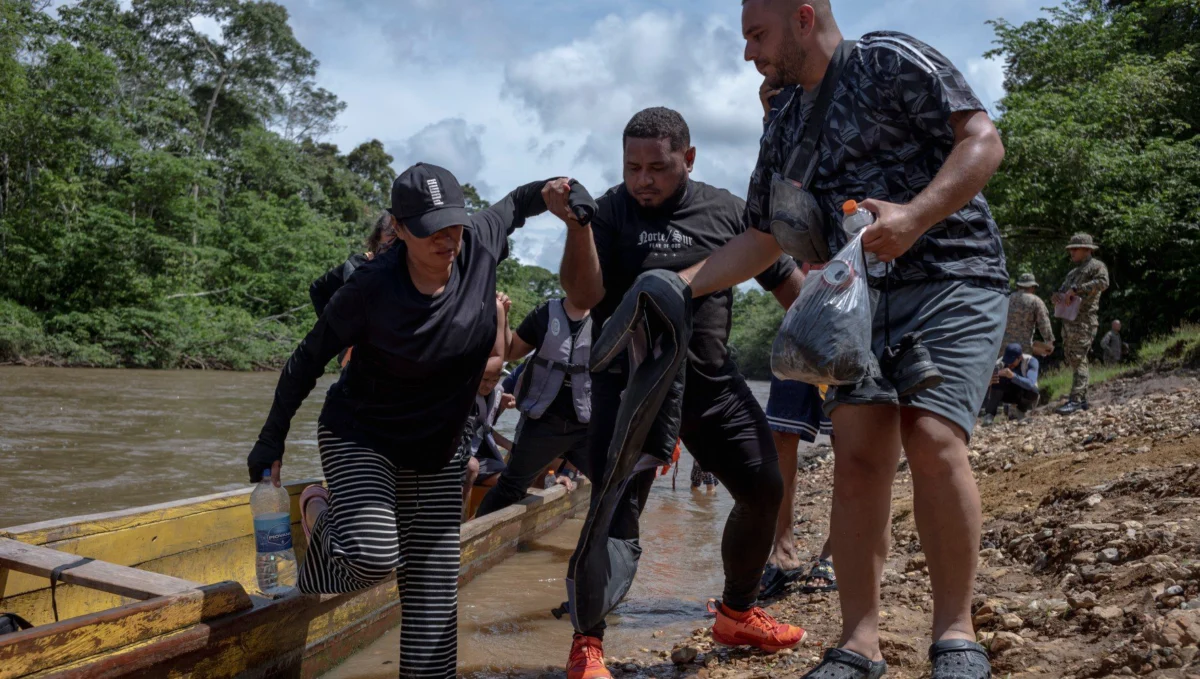
Thousands of individuals and families seeking refuge have been compelled into a perilous "reverse migration," forced to retrace their arduous journeys south after encountering increasingly restrictive U.S. immigration policies. This dramatic shift in migratory patterns has transformed the already treacherous Darien Gap, a dense jungle straddling the border of Panama and Colombia, into a critical junction for those navigating an uncertain future. As the United States tightens its borders and limits asylum pathways, organizations like HIAS are stepping up to provide essential humanitarian assistance to vulnerable populations caught in this complex and often dangerous transit.
The Darien Gap has long been a notorious obstacle for migrants attempting to reach the United States, a perilous 66-mile stretch of undeveloped swampland and dense rainforest. Crossing it is fraught with dangers including extreme weather, dangerous wildlife, armed criminal groups engaged in extortion and violence, and severe health risks. For many, it represents the final, most daunting hurdle in a journey that can span thousands of miles, driven by the hope of escaping violence, persecution, and economic instability in their home countries. However, recent shifts in U.S. immigration policy have created a new, disheartening reality: for a growing number, the Darien Gap is no longer the gateway to safety, but a point of forced retreat.
Between February and August of 2025, an estimated 14,000 individuals, primarily from Venezuela, Haiti, and Cuba, who had initially navigated the Darien Gap with the intention of reaching the United States, were compelled to turn back and travel south. This phenomenon of "reverse migration" is a direct consequence of policy changes enacted by the U.S. government, including the closure of the U.S.-Mexico border to most asylum seekers and the significant reduction of legal pathways for entry and asylum claims. These restrictive measures have effectively rendered the pursuit of safety in the United States nearly impossible for many, pushing them to reconsider their routes and seek alternative, albeit often equally perilous, options.
The Escalating Dangers of Reverse Migration
The dangers inherent in migration across Latin America remain acute. Migrants face a constant threat of violence, extortion by criminal organizations, forced labor, and severe medical emergencies. The specific challenges, however, can vary significantly based on individual circumstances, with certain demographics often overlooked in broader discussions. Among these are men traveling alone. Constituting approximately half of all individuals undertaking these journeys, solo male travelers frequently encounter heightened risks and profound isolation. Their experiences, often less visible than those of families or women traveling with children, underscore the complex and multifaceted nature of displacement in the region.
Personal Stories Amidst Shifting Policies
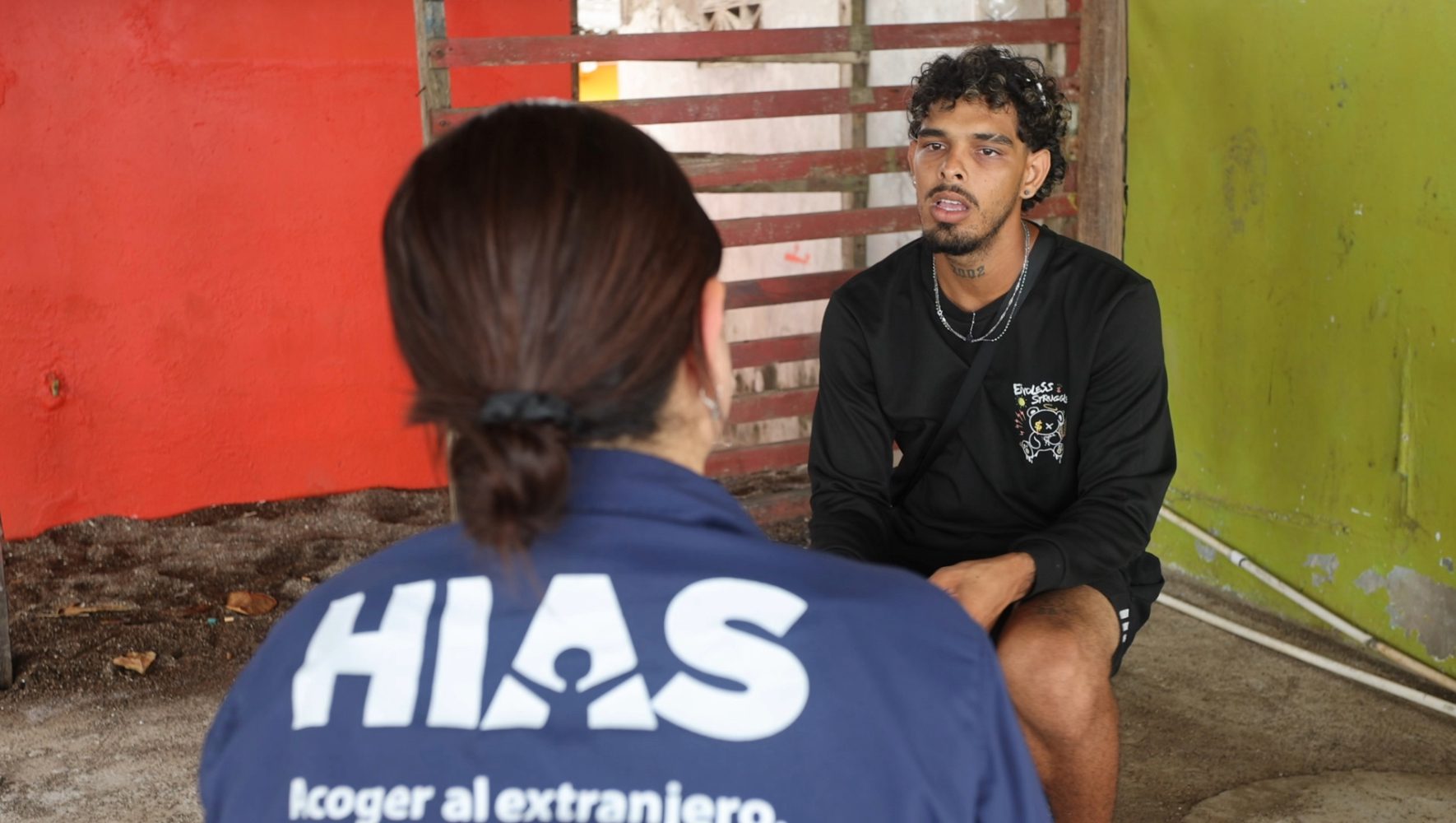
The human toll of these policy shifts is best illustrated through the personal narratives of those affected. Salem, a man who has been traveling for nearly six years, found himself in Mexico at the end of 2025. Faced with diminishing prospects for asylum in the U.S., he made the difficult decision to turn back, heading south once more towards his home country. His journey has largely been solitary. "Ever since I left, I’ve never asked anyone for help; I’ve always done what I could to make it on my own," he shared, reflecting a common sentiment of self-reliance born out of necessity.
An unexpected turn in Salem’s prolonged journey was meeting his now-wife. Together, they continued their southward trek towards Colombia, where relatives had offered support for the impending birth of their child. Upon their arrival in Panama, however, Salem’s wife began experiencing severe pregnancy-related pain, necessitating immediate medical attention. In Miramar, they found assistance from HIAS Panama. The HIAS team played a crucial role, helping to arrange an ambulance for Salem’s wife, providing essential baby supplies and hygiene kits, and offering Salem a safe space to rest while his wife received care. This intervention highlights the critical role of humanitarian organizations in providing on-the-ground support when formal systems are overwhelmed or inaccessible.
The impact of significant cuts to humanitarian assistance by the U.S. government in early 2025 cannot be overstated. These reductions have created substantial gaps in support for displaced populations worldwide, disrupting vital programs that once provided food, water, medical care, education, and other essential services. Despite these challenging circumstances, HIAS Panama remains steadfast in its commitment to assisting migrants traversing this dangerous route. Their teams are strategically positioned in key transit areas, offering a range of services including protection, mental health care, emergency aid, and resource sharing.
Yazcari Murillo, HIAS Panama’s Protection Officer, emphasized the importance of human connection in delivering effective aid. "Each person has a story – and often, it’s good to have that human connection in order to provide service in the best way possible," she stated, reflecting on the organization’s work with the migrant community in Miramar.
The Unseen Struggles of Solo Travelers
Nerli’s story is another poignant example of the challenges faced by solo male travelers. He has been on the move for a decade, driven by the hope of reuniting with his son, whom he left behind as a toddler. During his recent journey south, Nerli was part of a group of eight solo travelers alongside several families. Upon reaching Panama, limited aid and transportation options became apparent. In a selfless act, Nerli and the other solo travelers volunteered to remain behind, allowing the families to proceed first.
Nerli has been in Miramar for over five months, volunteering at a migrant shelter known as Casa Rosada (the Pink House). In exchange for maintaining the shelter’s organization and cleanliness, he receives free accommodation. For Nerli, however, this is more than just a work exchange. "I’m sort of contributing my own little grain of sand to the migrant community here in Miramar," he said, underscoring his commitment to supporting fellow travelers.
For individuals like Salem and Nerli, the journey has transcended the simple pursuit of a destination. As legal avenues for seeking asylum narrow and migration patterns become increasingly unpredictable across the Americas, those in transit, whether moving north or south, are continually confronted with impossible choices. Their journeys are a testament to the enduring search for safety, stability, and human dignity in the face of systemic barriers and profound uncertainty.
Broader Context and Implications
The current wave of reverse migration underscores a significant recalibration of global displacement dynamics, directly influenced by U.S. border policies. The closure of asylum processes at the U.S.-Mexico border, coupled with increased deportations and expedited removal processes, has created a backlog of asylum claims and effectively blocked entry for many. This has led to a phenomenon known as "migration deterrence," where potential migrants are dissuaded from even starting their journeys or are forced to alter their intended destinations.
The humanitarian crisis unfolding along the Darien Gap and in transit countries like Panama is a direct consequence of these policy decisions. While the U.S. government has implemented some measures aimed at managing irregular migration, critics argue that these measures often prioritize enforcement over protection and fail to address the root causes of displacement. International human rights organizations have consistently warned that such restrictive policies can push vulnerable populations into more dangerous, clandestine routes, increasing their susceptibility to exploitation and violence.
The increasing reliance on organizations like HIAS highlights a growing burden placed on non-governmental actors to fill the void left by insufficient governmental support. With funding cuts impacting humanitarian aid globally, these organizations are often stretched thin, struggling to meet the escalating needs of a growing number of displaced individuals. The situation demands a more comprehensive and humane approach to asylum and migration management, one that acknowledges the complex factors driving displacement and prioritizes the safety and rights of those seeking refuge.
Official Responses and Humanitarian Efforts
While specific official statements from U.S. immigration authorities regarding the reverse migration phenomenon were not immediately available, the policy framework itself speaks to a strategic shift. The administration has publicly stated its commitment to border security and orderly migration processes. This has often translated into increased enforcement measures and stricter eligibility criteria for asylum.
In response to the humanitarian challenges, HIAS, with support from organizations like the Hilton Foundation, continues its vital work in Panama. Their presence in key transit points like Miramar aims to provide immediate relief and long-term support. This includes not only direct aid but also advocacy for more humane and accessible asylum procedures. The organization’s efforts in Panama are crucial in mitigating the immediate suffering of those forced to turn back and in offering a glimmer of hope amidst overwhelming adversity.
The broader implications of this reverse migration trend extend beyond the immediate humanitarian concerns. It signals a potential recalibration of migration routes and destinations, forcing a re-evaluation of regional migration governance. As more individuals are forced to remain in transit countries or return to their countries of origin without having achieved their initial goals, the strain on these nations’ resources and social services intensifies. This complex situation necessitates sustained international cooperation and a renewed focus on addressing the root causes of displacement, including political instability, violence, and economic hardship, to foster lasting solutions for those seeking safety and a better future.