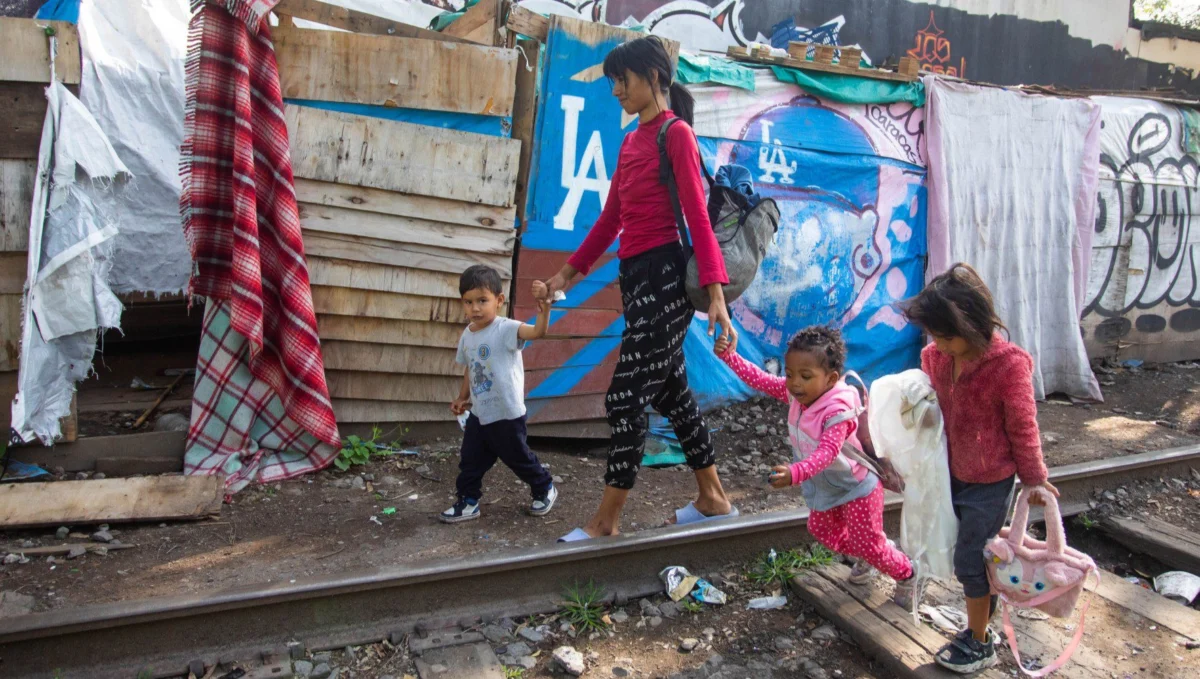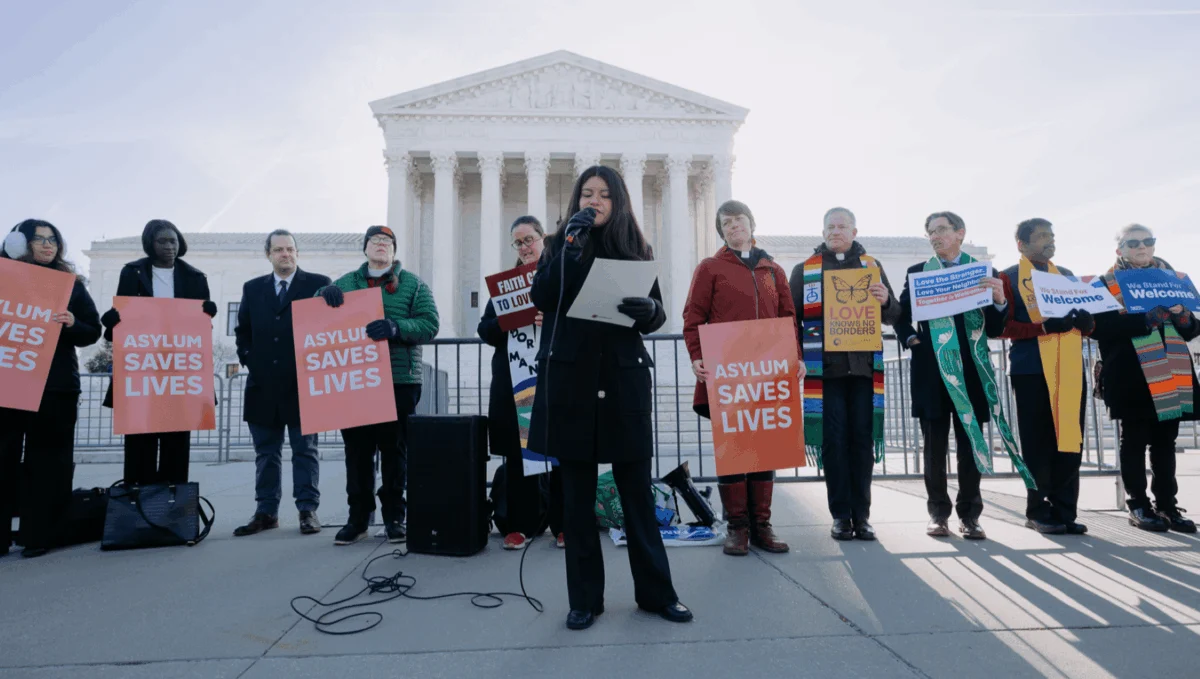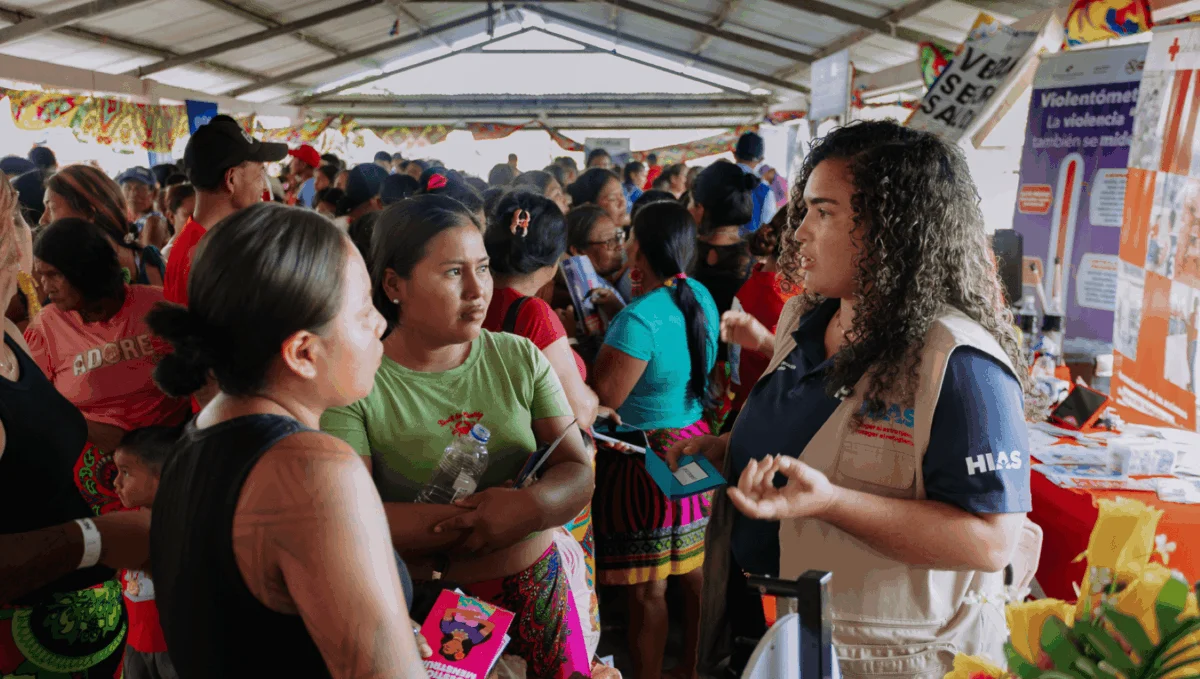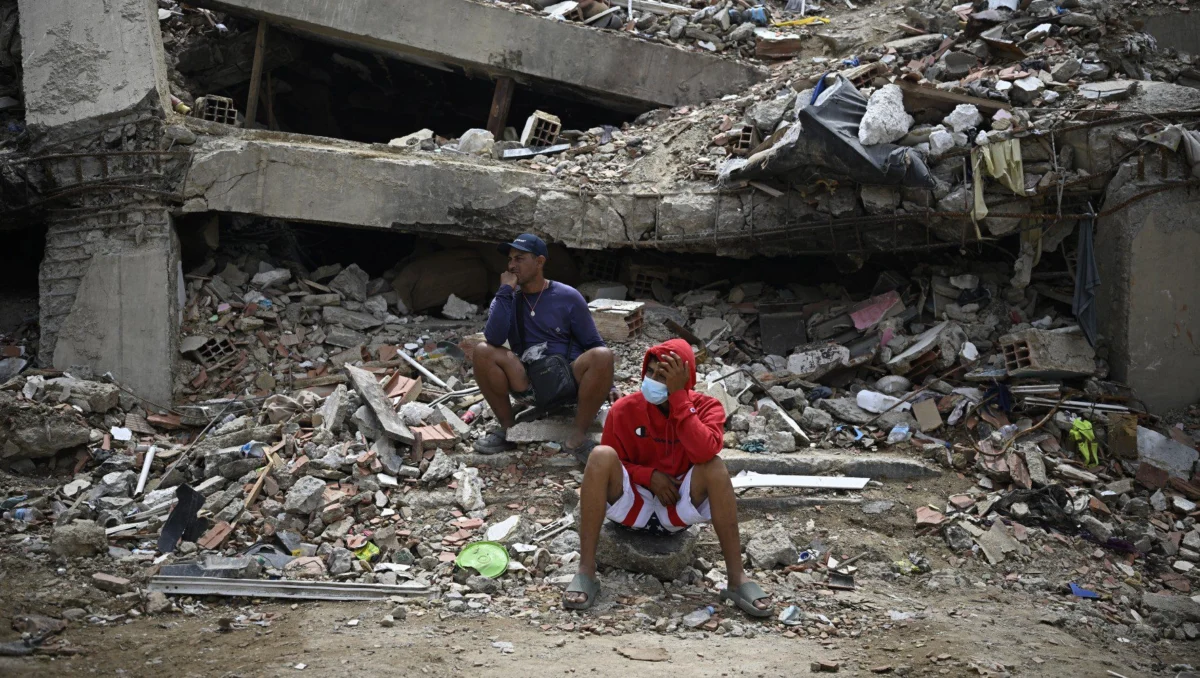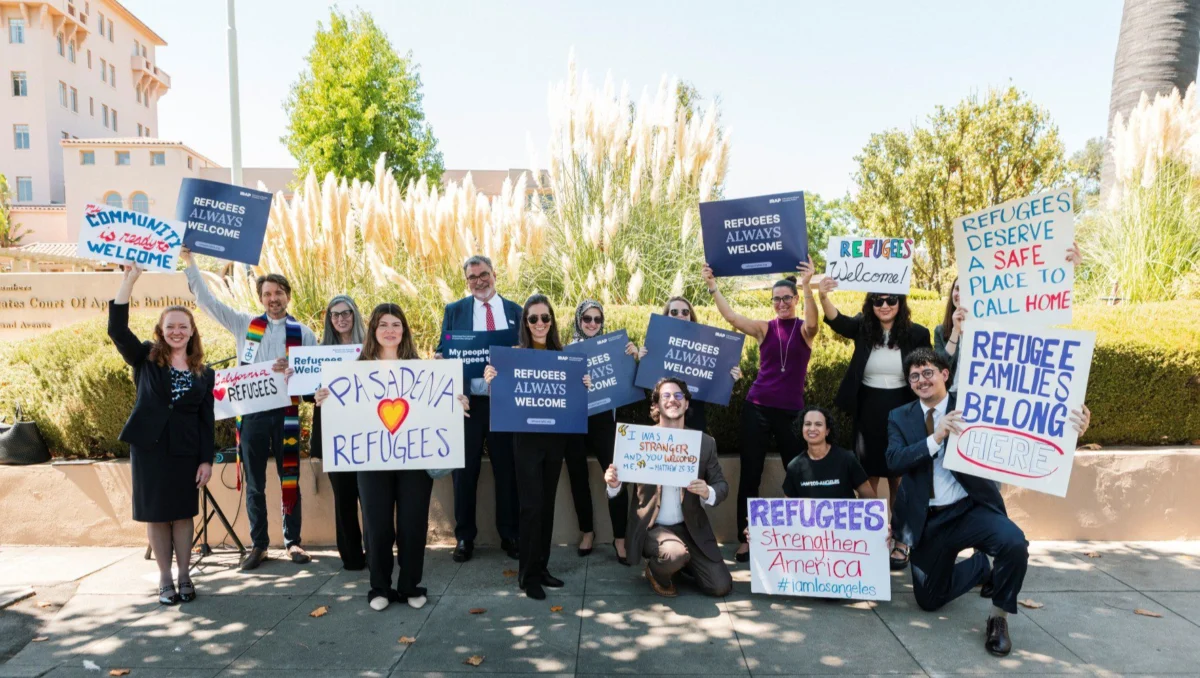
Panama, a nation strategically positioned to bridge two continents, has historically served as a vital passage for individuals traversing the Americas. Today, this geographical advantage places Panama at the forefront of a complex humanitarian landscape, acting not only as a transit point but also as a host country for a growing number of refugees, displaced persons, and migrants across Latin America. As immigration policies continue to evolve across the Western Hemisphere, thousands of vulnerable individuals remain in urgent need of humanitarian assistance, particularly in critical border regions such as Darién, Chiriquí, and Colón. Since 2010, HIAS Panama has been a steadfast ally, offering support to tens of thousands of refugees, asylum seekers, and displaced individuals navigating this challenging terrain. Understanding the current realities faced by these populations is paramount to addressing the multifaceted crisis.
The Evolving Migration Landscape: From Northbound Journeys to Reverse Flows
Panama’s role as a migration hub is underscored by significant demographic data. In 2025 alone, the nation hosted over 155,000 displaced individuals, a figure that includes more than 5,000 recognized refugees and approximately 36,500 asylum seekers. The primary origin for a substantial portion of these individuals seeking protection is Venezuela, with thousands more originating from various Central American nations.
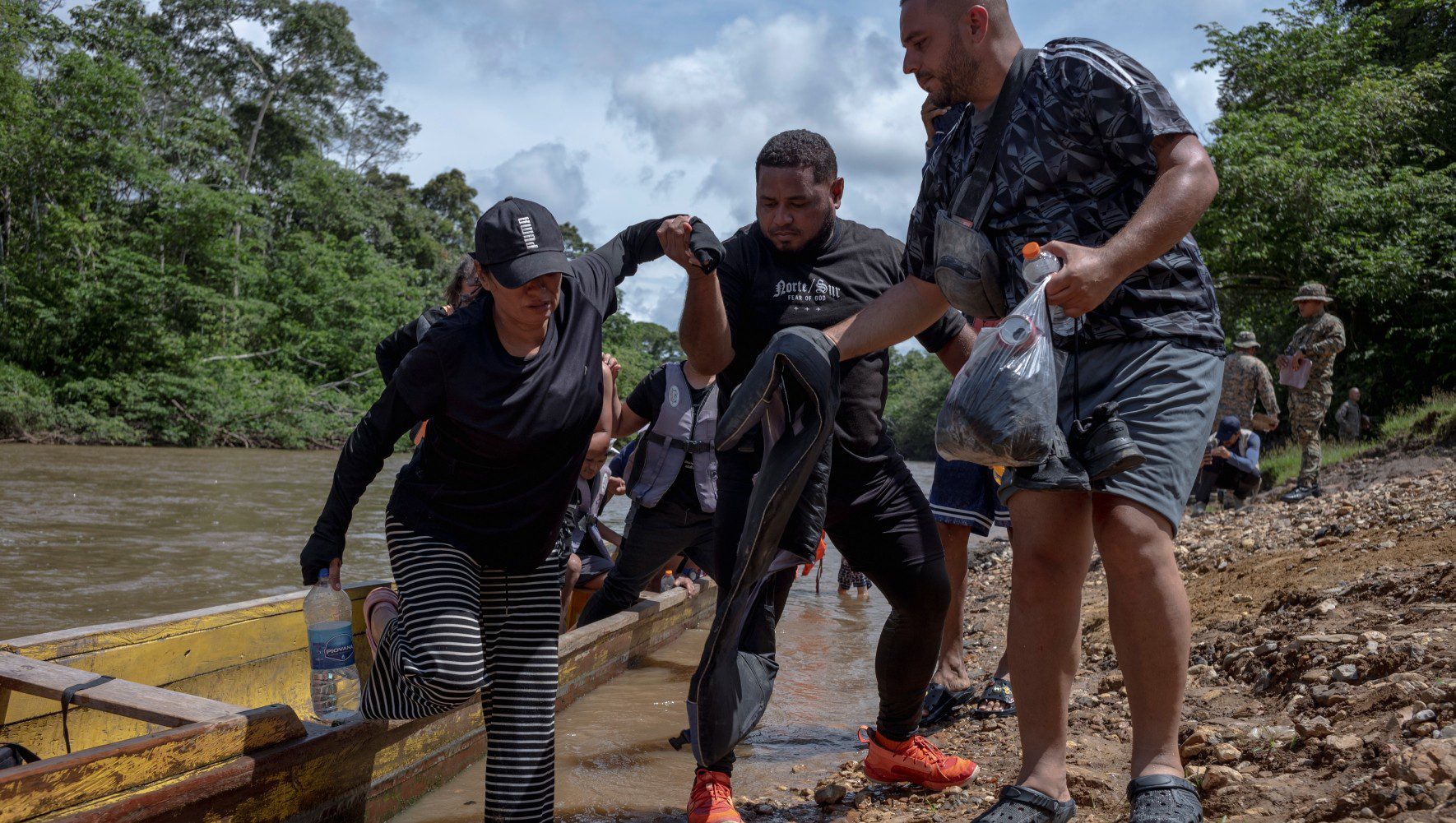
For years, the dominant migration pattern saw individuals traveling from the southern reaches of Latin America northward, aiming for the United States. The Darién Gap, a dense and perilous jungle separating Colombia and Panama, became a notorious bottleneck in this arduous journey. In 2023, an estimated 500,000 individuals braved this treacherous passage, confronting a gauntlet of formidable wildlife, endemic diseases, and the ever-present threat of violent human trafficking rings.
However, recent shifts in U.S. asylum and immigration policies have precipitated a significant change in these long-established migration flows. A discernible trend of "reverse migration" has emerged over the past year, with thousands of individuals now traveling southward instead of northward. This pivot has placed immense pressure on countries like Panama, which find themselves increasingly responsible for the care and protection of those displaced in both directions of transit. HIAS, recognized as one of the few organizations maintaining a consistent presence and providing essential services to individuals in transit, is at the forefront of this evolving humanitarian challenge.
Perilous Journeys and Diminishing Resources: The Plight of Displaced Persons
Despite the redirection of migration routes, the journey south is no less fraught with danger than its northbound counterpart. Migrants attempting to travel from Honduras to Panama, for instance, often fall victim to criminal organizations that demand exorbitant sums for passage. Along these routes, individuals endure severe hardships: inadequate shelter, a critical scarcity of potable water, limited access to basic services, pervasive food insecurity, and meager financial resources for their return home or onward journey. The psychological toll of these experiences is profound, with many completing their travels deeply traumatized.
These immense challenges are exacerbated by a significant reduction in humanitarian aid. Many organizations that were once actively present along these routes have been forced to withdraw due to substantial cuts in humanitarian assistance by the U.S. government. This withdrawal has created critical gaps in essential services, leaving vulnerable populations with even fewer resources and support systems.
HIAS Panama, like many other humanitarian actors, has not been immune to these funding reductions. Nevertheless, the organization remains committed to its mission. HIAS Panama has maintained a robust presence at key crossing points, diligently providing vital protection services, much-needed mental health care, and essential emergency financial assistance for food, shelter, and medical treatment. This unwavering commitment is crucial in mitigating the most immediate risks faced by those in transit.
Legal Frameworks and Practical Barriers: Rights and Realities for Refugees in Panama
Panama has a well-established legal framework for protecting displaced persons. The nation became a signatory to the 1951 Refugee Convention and its 1967 Protocol in 1978. Panama’s legal definition of a refugee aligns closely with the Convention’s provisions. Furthermore, the country has proactively expanded protections to individuals fleeing sexual violence, domestic abuse, and persecution for defying societal norms or customs.
Despite these commendable legal commitments, the practical application of Panama’s asylum system presents considerable challenges. Persistent administrative backlogs and the established timelines for application processing often result in prolonged waiting periods for refugee status determination and the issuance of work permits. These delays can significantly increase the vulnerability of asylum seekers, particularly for dependent family members who may not receive identification documents promptly. While ongoing efforts are being made to enhance document recognition across various governmental institutions and to ensure continued support during these protracted waiting periods, some authorities still exhibit a lack of full recognition for these crucial documents.
In response to these systemic hurdles, HIAS and its partner organizations are actively engaged in providing crucial legal information and assistance to refugees and asylum seekers. A key advocacy focus for these groups is the promotion of a fairer and more efficient asylum system, aimed at reducing backlogs and creating more accessible pathways to protection for those in need.
HIAS’s Enduring Commitment: A Multifaceted Approach to Support
HIAS has been a consistent source of support for refugees and displaced individuals in Panama since 2010. The organization’s comprehensive programs encompass a wide range of critical services, including robust protection services, essential mental health care, and initiatives designed to foster economic opportunities.
A cornerstone of HIAS’s strategy involves empowering refugees, asylum seekers, and migrants to build dignified and sustainable livelihoods, thereby strengthening their self-reliance. Through strategic partnerships with local communities and non-governmental organizations, HIAS actively promotes integration and cultivates safe spaces where refugees and host community members can collaborate on community projects and collectively address shared challenges. This collaborative approach not only provides practical support but also fosters social cohesion and mutual understanding, crucial elements for long-term stability and well-being.
The ongoing crisis in Panama highlights the critical need for sustained international support and coordinated humanitarian efforts. As migration patterns continue to shift and humanitarian resources remain strained, organizations like HIAS play an indispensable role in safeguarding the rights and well-being of the most vulnerable populations at this vital crossroads of the Americas. The complex interplay of geopolitical factors, evolving immigration policies, and persistent humanitarian needs demands a nuanced and adaptive response to ensure that no displaced person is left behind.
Background and Chronology of the Crisis
The current humanitarian situation in Panama is the culmination of several years of escalating migration flows and, more recently, significant policy changes.
- Pre-2020s: Panama has long been a transit country for migrants heading north, with the Darién Gap being a well-known, albeit dangerous, part of this route. However, the scale of migration was generally lower than in recent years.
- Early 2020s: The region witnessed a dramatic surge in individuals attempting to cross the Darién Gap, primarily driven by economic hardship, political instability, and violence in their home countries, particularly Venezuela. This led to a humanitarian crisis characterized by overcrowding and strain on limited resources in border regions.
- 2023: The year marked a record-breaking number of crossings through the Darién Gap, with over 500,000 individuals undertaking the perilous journey. This highlighted the growing scale of displacement and the urgent need for international assistance.
- Late 2023 – Early 2025: Changes in U.S. immigration policies, including increased border enforcement and altered asylum procedures, began to influence migration patterns. This period saw the emergence of the "reverse migration" trend, with some individuals seeking to return south or move to other countries in the region.
- 2025 (as per article context): Panama continues to grapple with the dual challenge of hosting displaced populations and responding to the evolving migration flows. Reports indicate a sustained need for humanitarian assistance, compounded by the withdrawal of some aid organizations due to funding cuts. HIAS Panama remains a key provider of essential services.
Broader Implications and Analysis
The shifting migration dynamics in Panama have far-reaching implications for regional stability, humanitarian response, and international cooperation. The emergence of reverse migration poses new challenges for host countries that may not be equipped to handle a southbound flow of displaced persons, potentially exacerbating existing social and economic pressures.
The reduction in humanitarian aid, particularly from key international donors, creates a critical vacuum. This not only hinders the immediate provision of life-saving assistance but also jeopardizes long-term solutions for integration and self-sufficiency for refugees and displaced populations. Organizations like HIAS, despite facing their own funding constraints, are demonstrating remarkable resilience and adaptability, but their efforts alone cannot fill the void left by broader funding cuts.
Furthermore, the administrative complexities within Panama’s asylum system, while not unique to the country, underscore the need for systemic reforms. Streamlining application processes, ensuring timely recognition of documents, and enhancing inter-institutional coordination are crucial steps toward upholding the rights of asylum seekers and refugees and fostering a more just and efficient protection system.
The situation in Panama serves as a microcosm of the broader global displacement crisis. It highlights the interconnectedness of political, economic, and social factors that drive migration and underscores the imperative for sustained, coordinated, and adequately funded humanitarian responses that prioritize the dignity and safety of displaced individuals. The resilience of organizations like HIAS, operating in challenging environments with diminishing resources, is a testament to the enduring human spirit and the critical importance of their work.