The recent Winter Bazaar season, a hallmark event celebrating the cyclical return of light and ushering in new beginnings, concluded with profound success, fostering vital connections between Indigenous artists and the global community. The initiative, spearheaded by Candyce Testa, CS Bazaar Program Manager and member of the Pequot Nation, underscored a commitment to supporting Indigenous livelihoods, cultural sustainability, and the profound personal connections that emerge from shared experiences. The Bazaars served as a powerful testament to the enduring spirit of Indigenous artistry and its crucial role in contemporary society, generating significant economic impact and offering invaluable platforms for cultural dialogue.
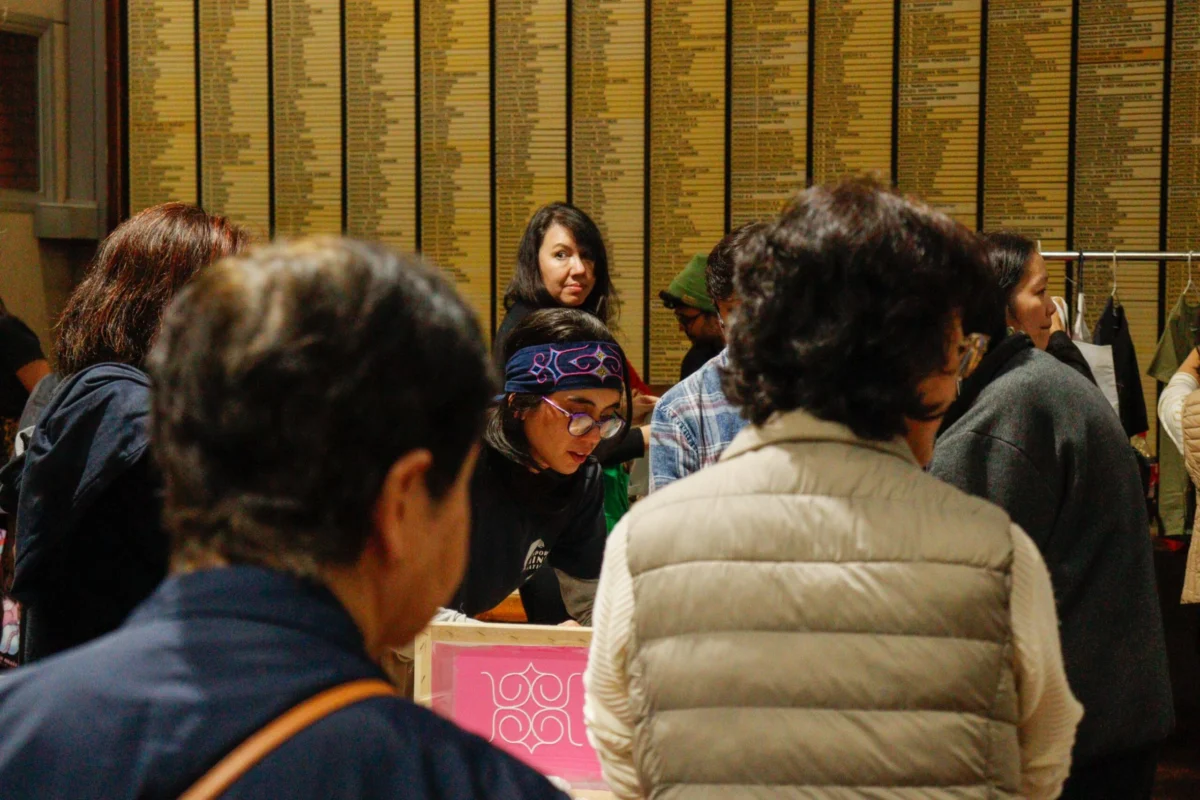
The season commenced with the first Winter Bazaar held on December 13-14, 2025, at the historic Cyclorama, a distinguished venue within the Boston Center for the Arts. The choice of this location was deliberate, aiming to imbue the event with a sense of gravitas and historical resonance. The Cyclorama’s unique circular architecture, a space steeped in historical significance, naturally lent itself to the event’s thematic emphasis on cycles, rhythms, and the interconnectedness of time. This inherent quality of the venue allowed for an organic flow, harmonizing the energy of attendees and vendors alike within its elegant confines. The event organizers expressed deep gratitude for the supportive staff at the Boston Center for the Arts, whose collaboration was instrumental in facilitating a seamless experience. The layout design intentionally leveraged the venue’s circular form, enhancing the immersive experience and fostering a continuous, engaging atmosphere for all participants.
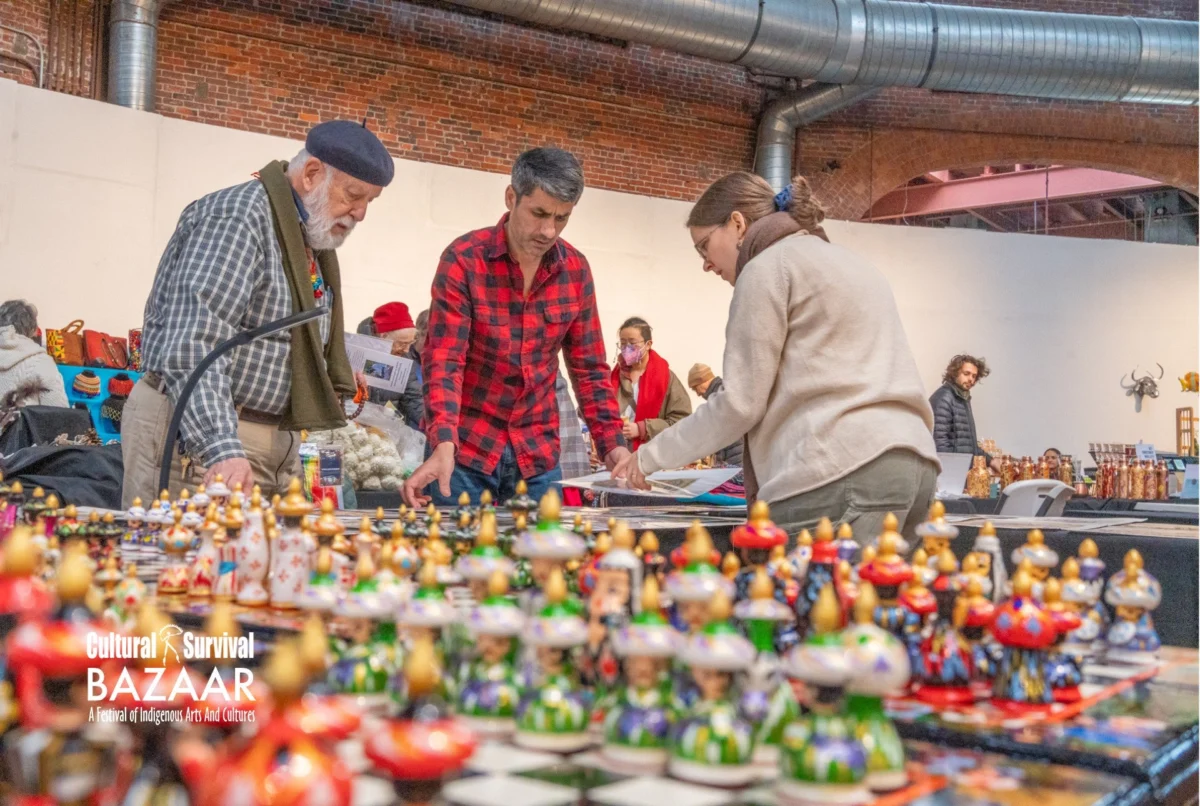
Following the Boston engagement, the Winter Bazaar series transitioned to Providence, Rhode Island, on the subsequent weekend. The WaterFire Art Center, renowned as a vibrant hub for artists and art aficionados in the city celebrated as America’s "Creative Capital," provided an expansive 15,000-square-foot platform. This ample space offered vendors a significantly larger canvas to showcase their diverse array of physical and performance arts. The WaterFire Art Center’s staff demonstrated exceptional dedication, offering robust support and remarkable flexibility throughout the pre-event, event, and post-event phases. This collaborative spirit fostered a strong working partnership, one that the Cultural Survival Bazaars team eagerly anticipates continuing for future events. The venue’s reputation as a nexus of creativity perfectly complemented the Bazaars’ mission of amplifying Indigenous artistic voices.
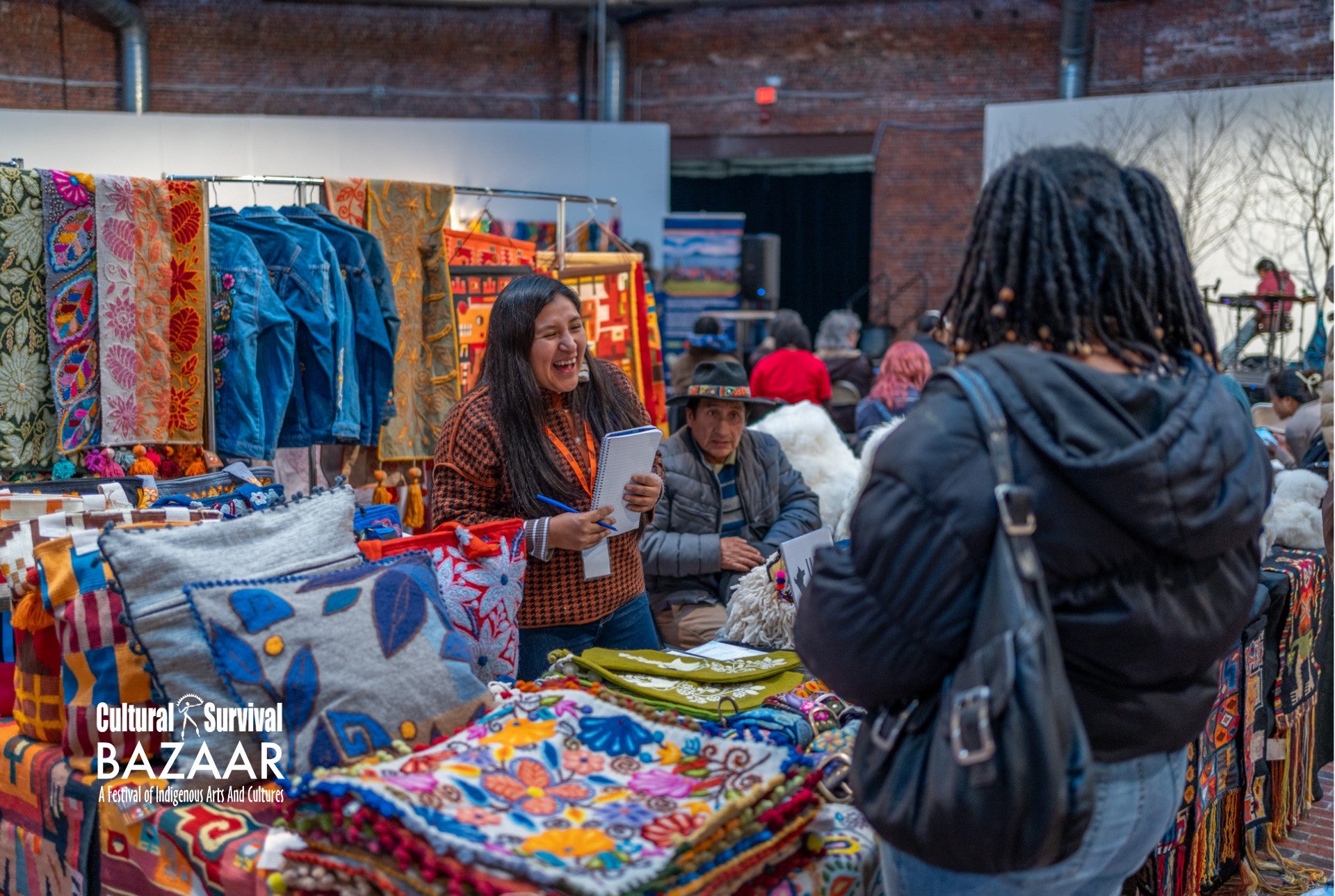
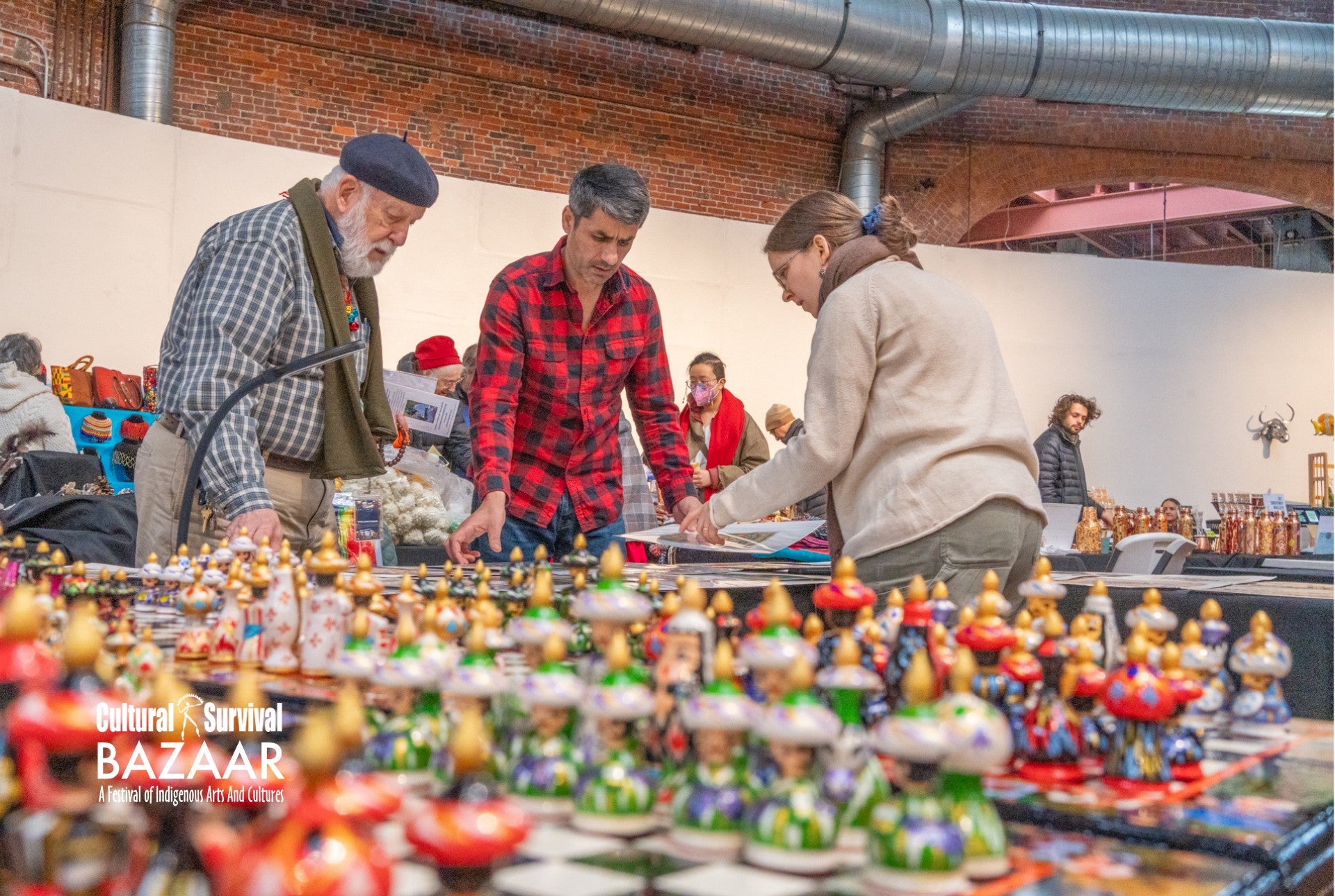
The cumulative reach and impact of the Winter Bazaars extend far beyond the immediate economic transactions. These events are meticulously designed to provide critical support for Indigenous livelihoods, bolster cultural sustainability, and cultivate genuine personal connections. They offer the public an unparalleled opportunity to engage directly with Indigenous artists from across the globe, fostering a deeper understanding of diverse worldviews and ways of being. The statistics from the two Winter Bazaars reveal a significant demographic reach: a total of 54 artists and their representatives participated, directly impacting an estimated 935 individuals from 935 attendees spanning 34 distinct communities across 25 countries. The economic boon generated by these events was substantial, with collective vendor earnings approaching $300,000. Individual artists reported earnings ranging from $1,000 to $10,000 per event, underscoring the tangible economic empowerment these Bazaars provide.
Introduction of New Artisans and Their Contributions
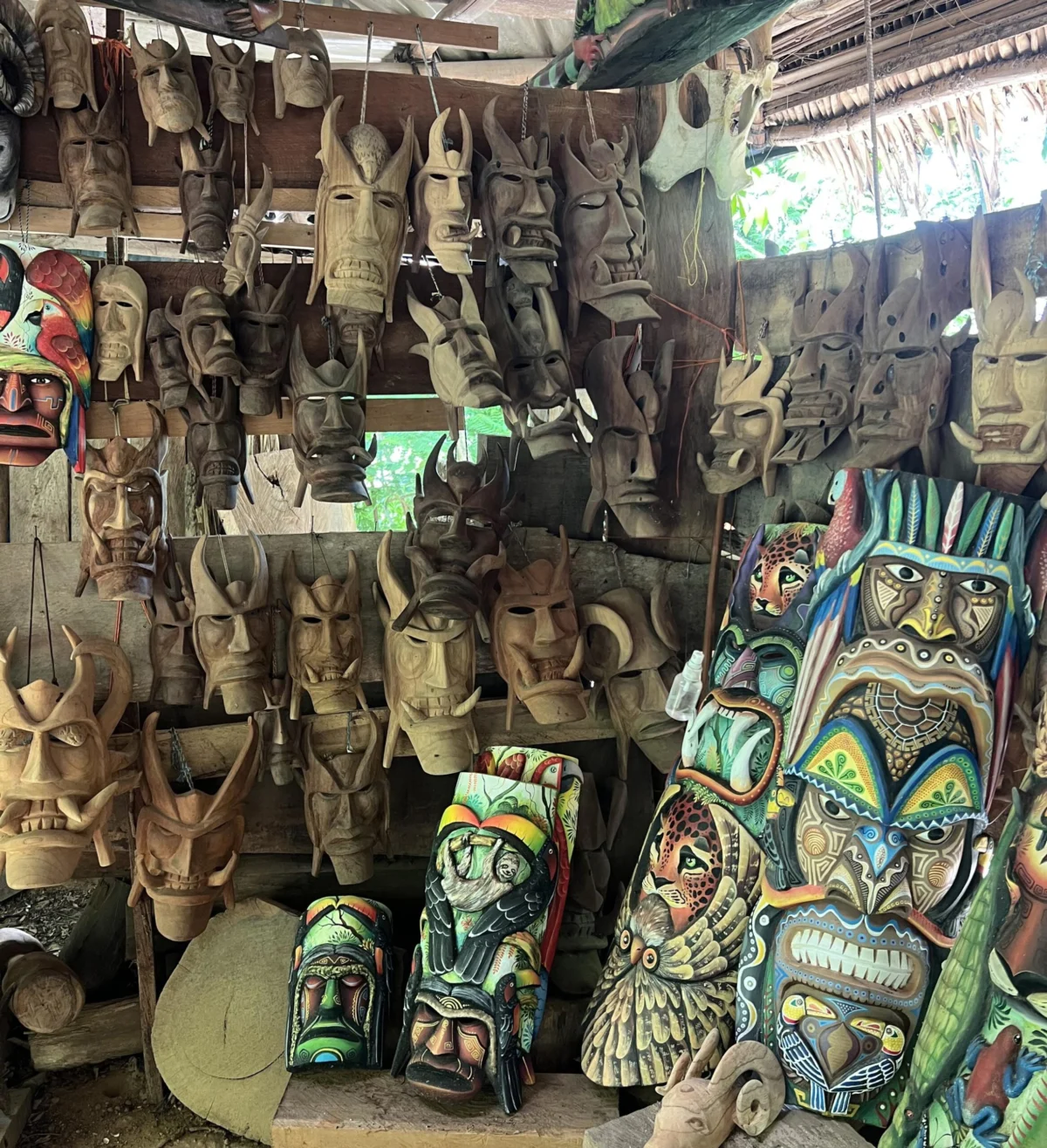
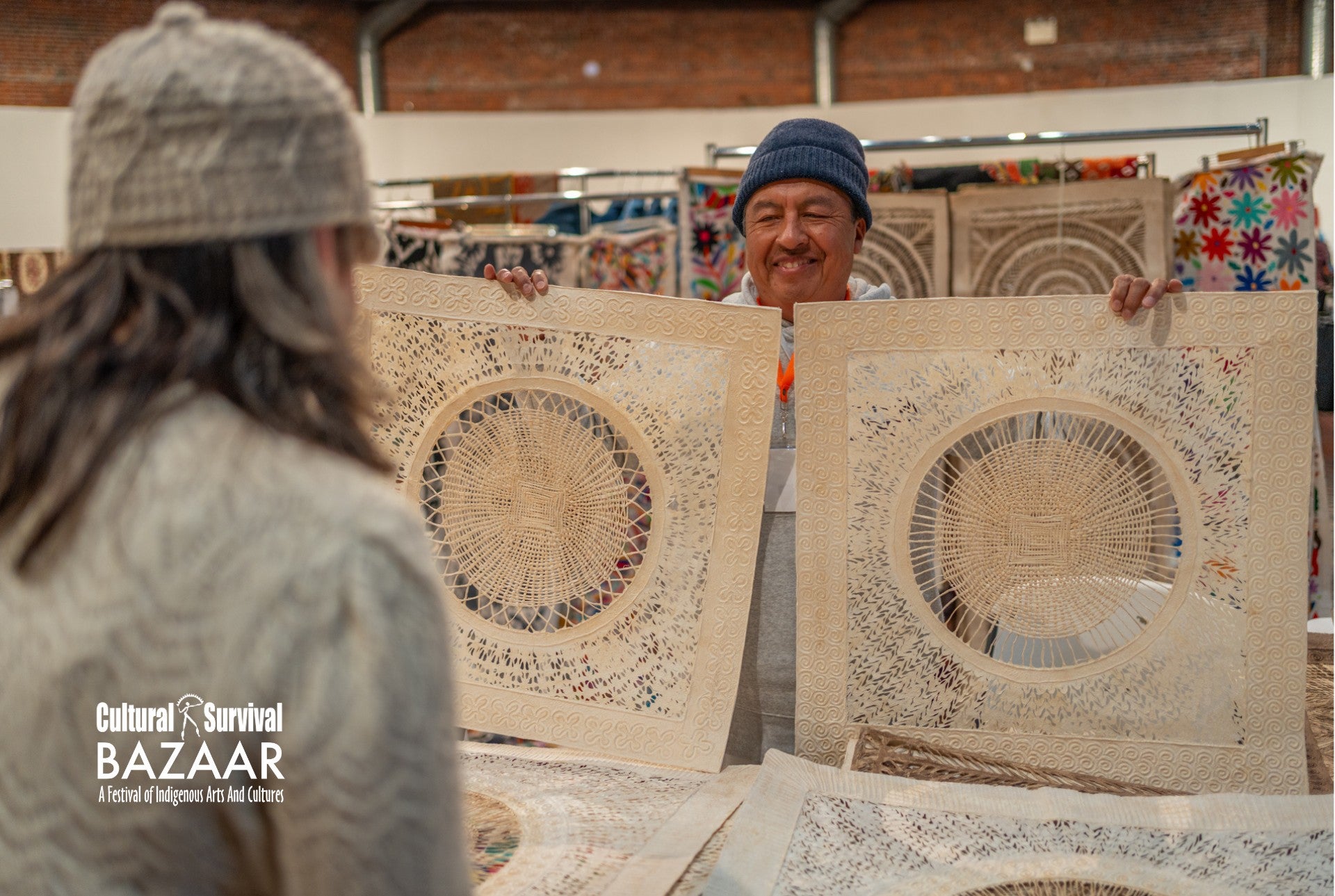
A significant component of the 2025 Winter Bazaar season was the introduction of new artists, selected from a competitive pool of 110 applications. This year, 56 new vendors were welcomed into the Cultural Survival Bazaar family. Among these emerging talents was the Associação IndÃgena Pykôre, a Kayapo association hailing from Brazil. Two representatives from this vibrant collective graced the Bazaars, showcasing exquisite seed and wood jewelry, as well as intricately designed cloth pieces that echo the ceremonial body paint patterns of their culture. Their presence enriched the event not only through their artistry but also through a deeply moving cultural sharing session featuring word and song, which captivated attendees on the final day. This interaction provided a profound glimpse into the spiritual and artistic traditions of the Kayapo people, reinforcing the Bazaars’ role as a conduit for authentic cultural exchange.
Another notable debut featured Jeremy Arviso, an artist whose multi-tribal heritage includes Hopi, Diné, Akimel O’odham, and Tohono O’odham ancestry. Arviso, a multidisciplinary artist, art educator, and entrepreneur, skillfully transmits Native narratives through his meticulously crafted jewelry, clothing, and outerwear. His brand is founded on a mission to "challenge the status quo of dominant culture with thought-provoking graphics and messages," a philosophy that resonated deeply with the Bazaars’ ethos of cultural preservation and empowerment. Beyond his visual artistry, Arviso also engaged attendees with his dynamic presentation of physical movements, encouraging participants to engage in revitalizing stretches after extended periods of standing and browsing, further enhancing the holistic experience of the event.
Featured Performers Elevate the Cultural Experience
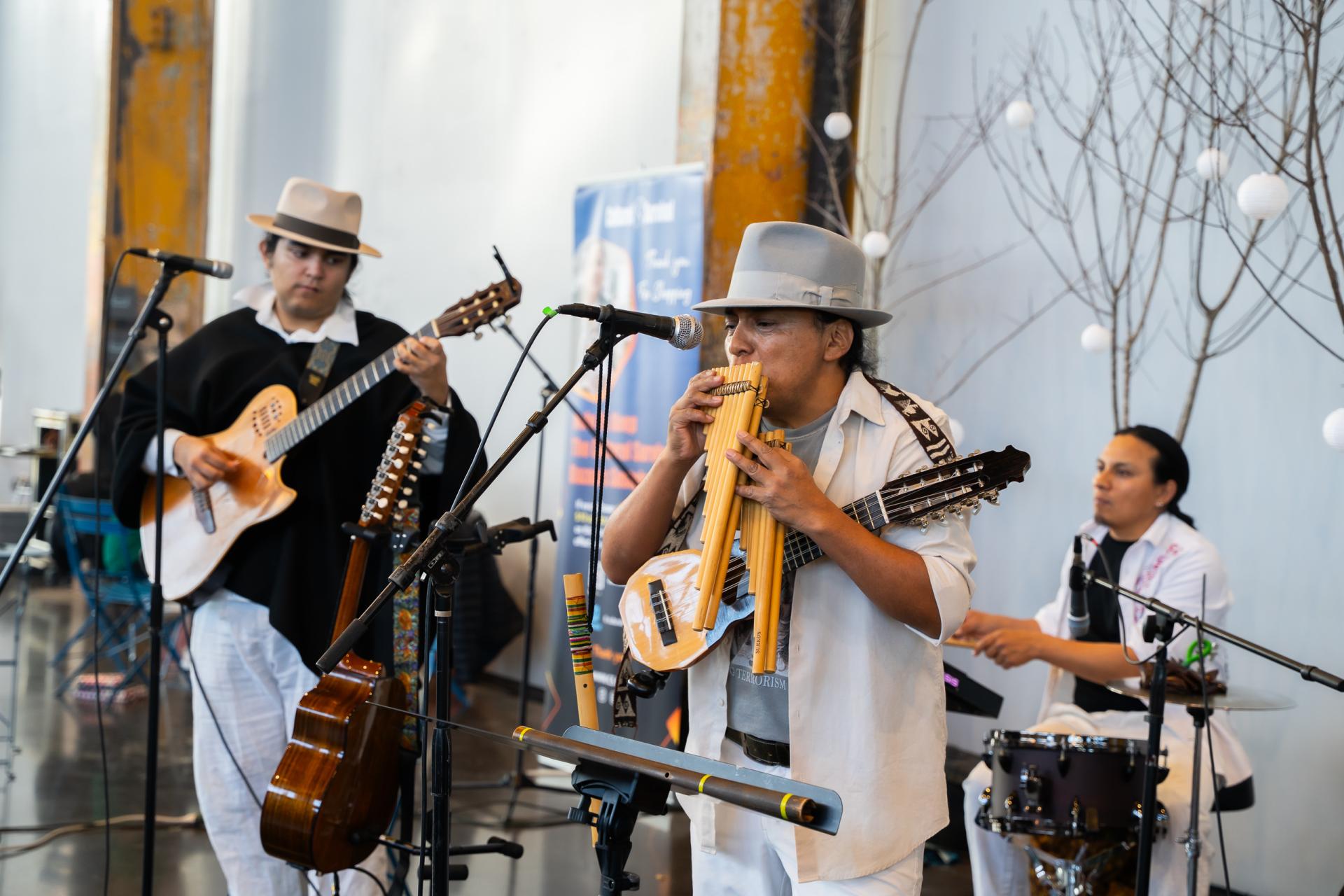
The Winter Bazaars were further distinguished by a curated selection of captivating performers who brought dynamic cultural expressions to life. Yarina, a musical ensemble whose Kichwa Otavalo fusion music champions the revitalization of Kichwa traditions through language, music, arts, and crafts, has been a cherished partner of Cultural Survival for nearly two decades. Their distinctive sound has become synonymous with the Cultural Survival Bazaars, a familiar and beloved element that evokes a sense of continuity and cultural celebration.
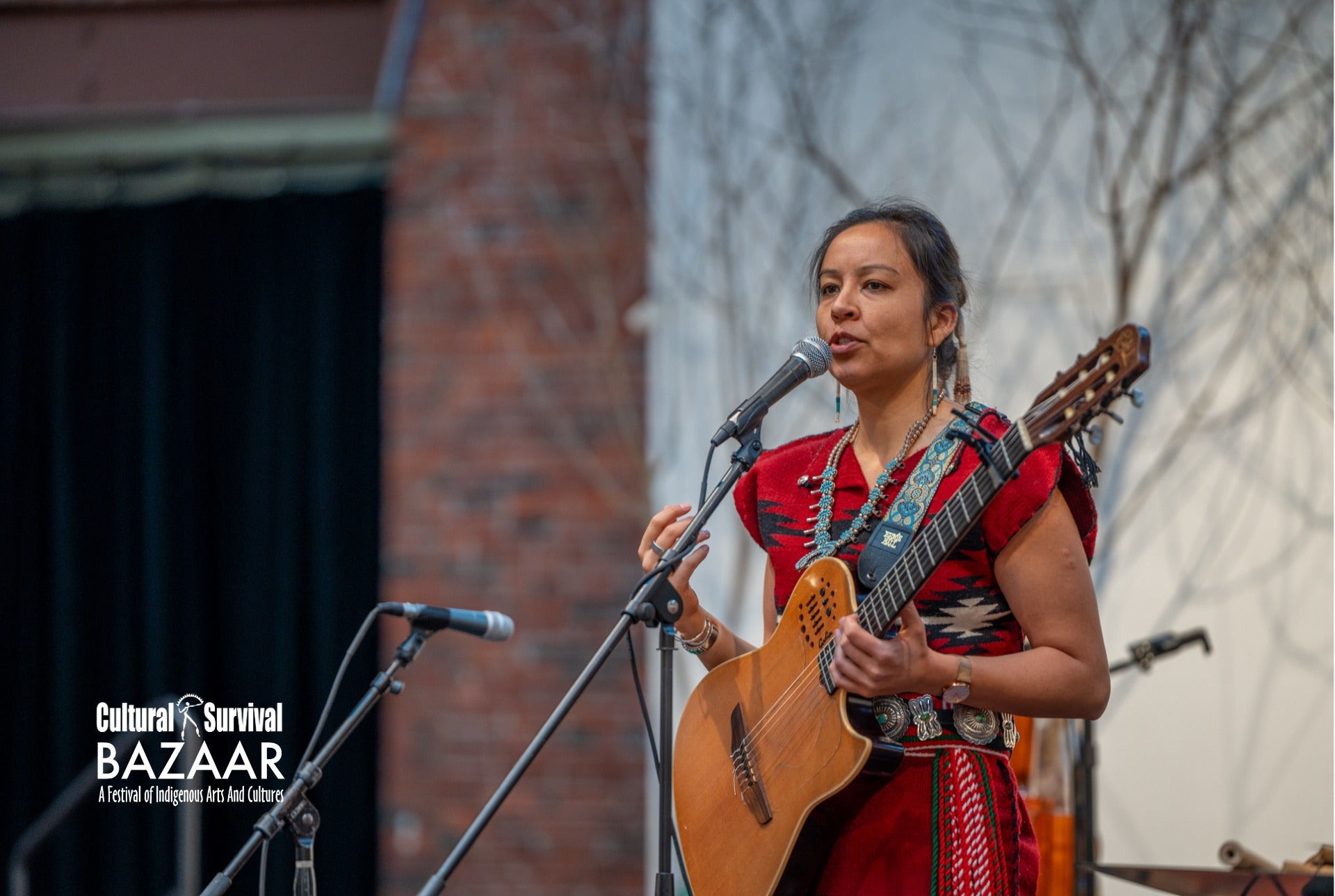
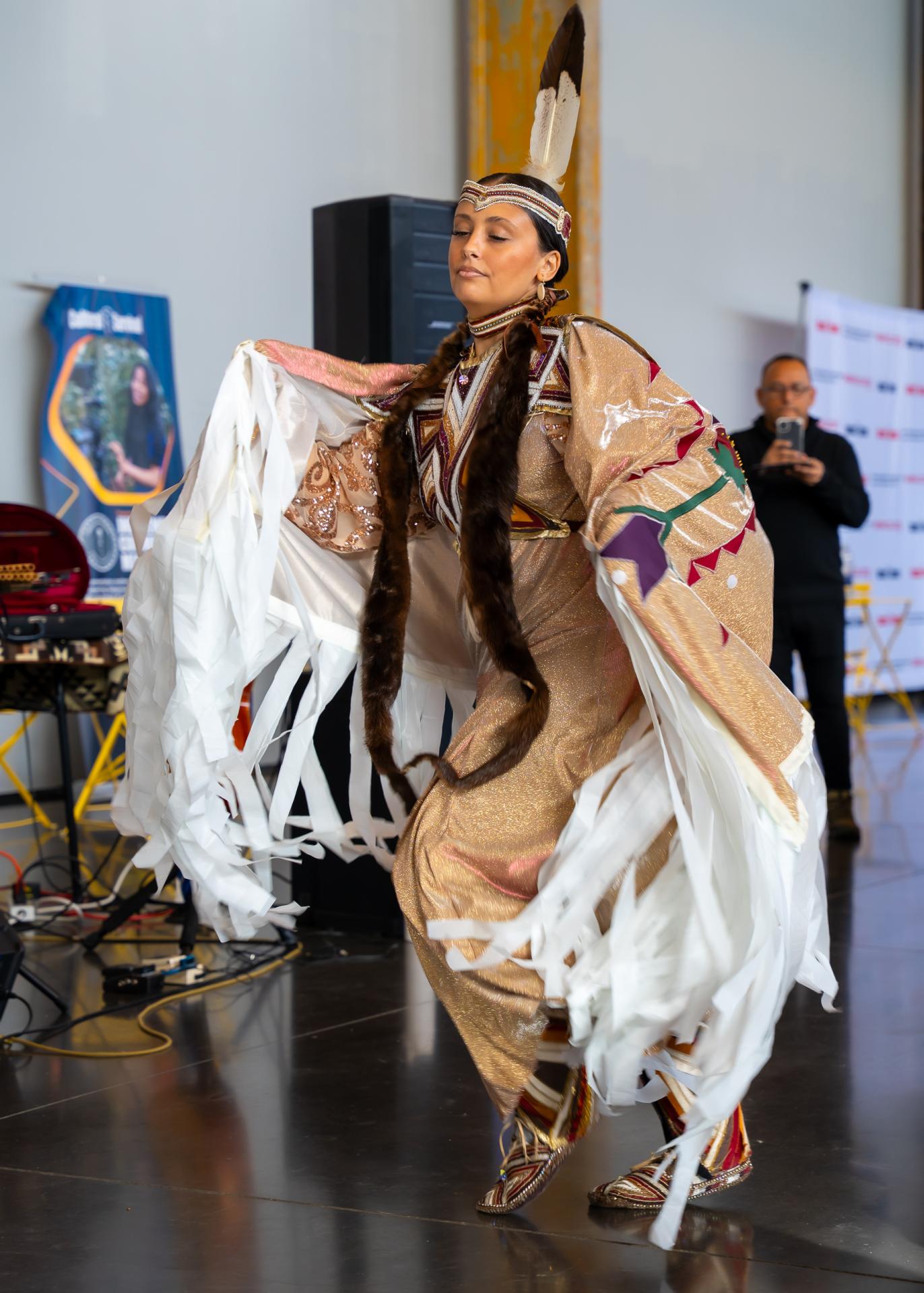
Adding to the artistic tapestry was Dr. Lyla June Johnston, a respected member of the Cultural Survival Board of Directors and a renowned musician, author, and community organizer. Performing under her moniker Lyla June, this Diné/Tsétséshéstáhé artist delivered an inspirational performance characterized by multi-genre music deeply rooted in Indigenous philosophy, healing practices, and environmental stewardship. Her music served as a powerful voice for Indigenous perspectives on critical global issues.
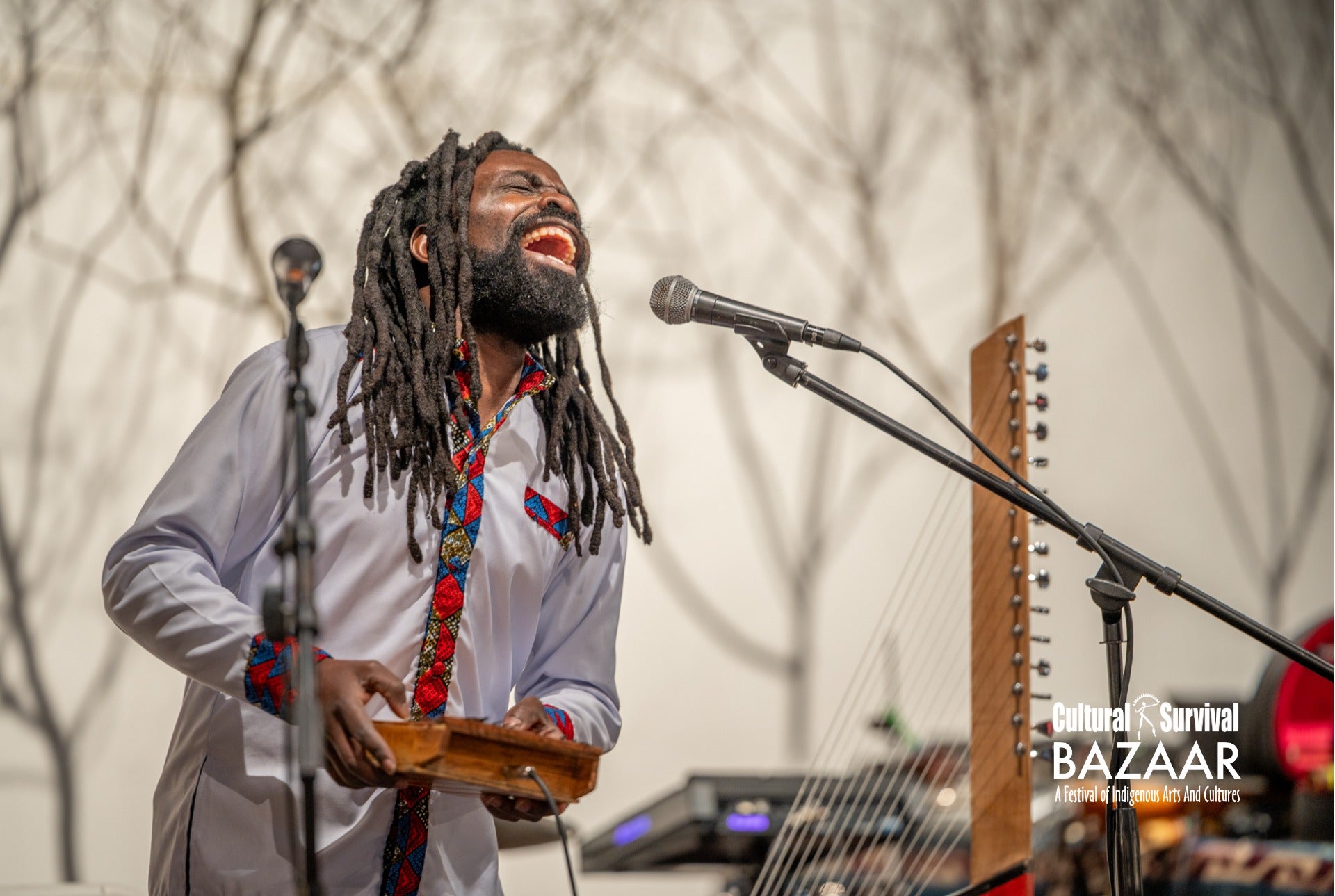
The enchantments of the Bazaars were further amplified by the presence of Ugandan folk musician Samuel Nalagira and his troupe of talented dancers. Their performance created an atmosphere of palpable magic, captivating the audience and drawing many to their feet in appreciation of their vibrant artistry and infectious rhythms. The combination of these diverse artistic expressions provided a rich and immersive cultural experience for all attendees, underscoring the global reach and artistic diversity inherent in Indigenous cultures.
A Moment of Spontaneous Connection: The Bazaar Musing
One of the most cherished and memorable moments of the Winter Bazaar season unfolded organically during Yarina’s performance on the final evening. As the energy of successive weekends of vending, performing, and connecting began to wind down, a spontaneous eruption of shared joy occurred. A member of Yarina began to dance, and in a beautiful display of communal spirit, more vendors joined in, followed by members of the Cultural Survival staff. This impromptu dance party transcended mere entertainment; it encapsulated the very essence of what the Bazaars represent. They are far more than just commercial opportunities; they are profound moments of connection that forge lasting memories and create enduring pathways for Indigenous Peoples. The Bazaars serve as vital vehicles for cultural exchange and the sharing of invaluable knowledge. This spontaneous celebration was precisely the revitalizing medicine needed to energize the physical and spiritual well-being of all involved, providing a powerful and heartwarming send-off before the venues closed, belongings were packed, and trucks were loaded, all punctuated by heartfelt embraces and promises of "Till next time."
Looking Ahead: Opportunities for Engagement in Summer 2026
The success of the Winter Bazaars sets a vibrant stage for the upcoming Summer 2026 Bazaar season. Cultural Survival extends a warm invitation to individuals and organizations to engage with these vital events in various capacities. Opportunities are available for those wishing to participate as craft vendors or food vendors, showcasing their unique products and culinary traditions. The organization also seeks dedicated homestay hosts to provide comfortable accommodations for visiting artists and enthusiastic volunteers eager to contribute their time and skills to ensure the smooth operation of the Bazaars. Furthermore, generous donors play a crucial role in sustaining these impactful initiatives, enabling Cultural Survival to continue its mission of supporting Indigenous communities worldwide.
The Summer 2026 Bazaar season will feature two key events:
From July 24-26, 2026, the Tiverton Four Corners Arts Center in Tiverton, Rhode Island, will host a Bazaar. Located at 3852 Main Road, Tiverton, RI 02878, the event will be open daily from 10 am to 6 pm. This venue, known for its artistic ambiance, promises to be an ideal setting for showcasing Indigenous art and crafts.
Following this, the season will continue with a Bazaar at Farm Fresh Rhode Island from August 1-2, 2026. Situated at 10 Sims Ave, Providence, RI 02909, this event will provide another excellent opportunity for the public to connect with Indigenous artisans and support their work. These upcoming events promise to build upon the momentum and profound impact of the recent Winter Bazaars, further strengthening the global network of cultural exchange and economic empowerment for Indigenous Peoples. The Bazaars represent a powerful model for how commerce can be interwoven with cultural preservation, mutual respect, and the celebration of human diversity.