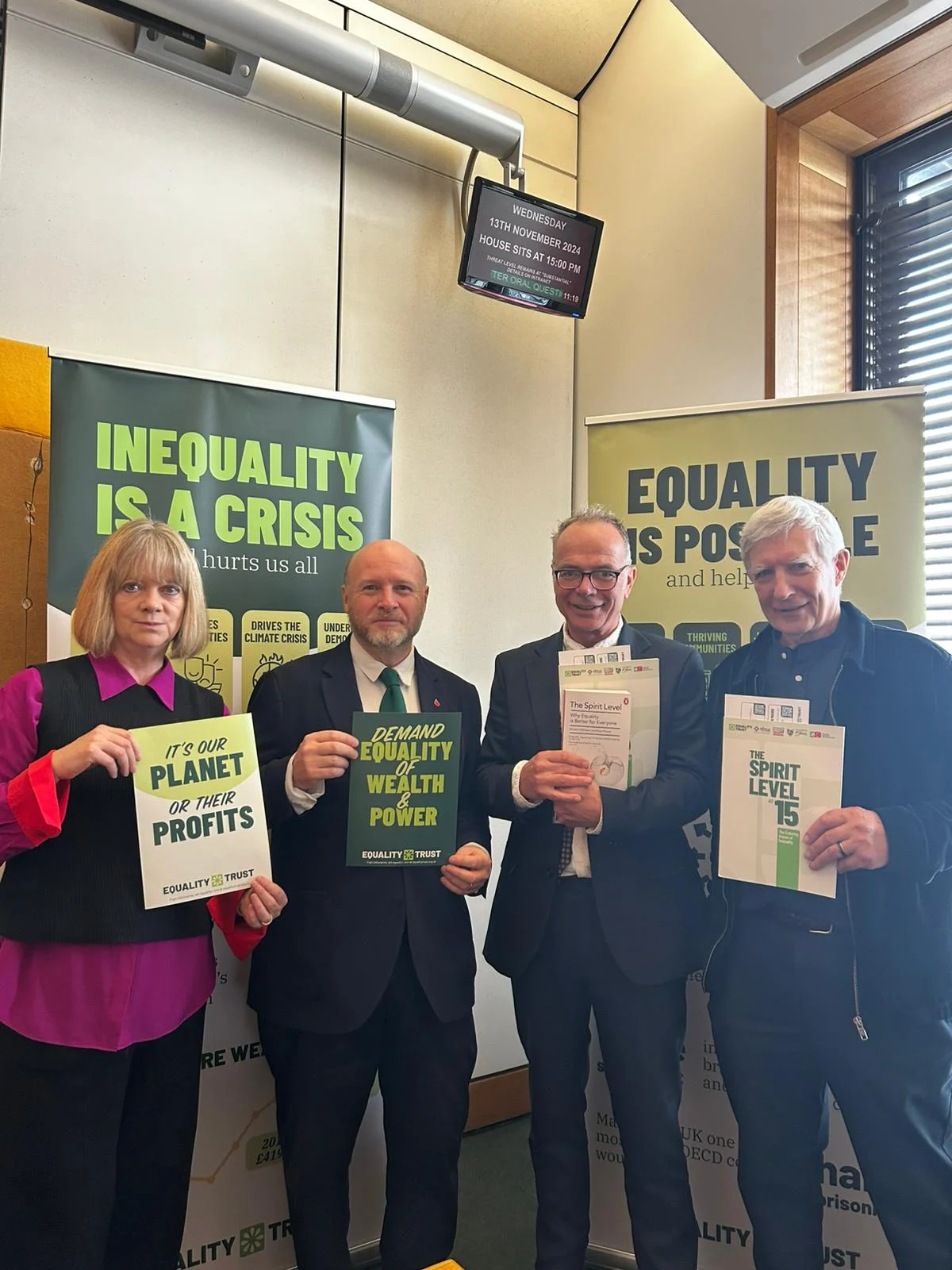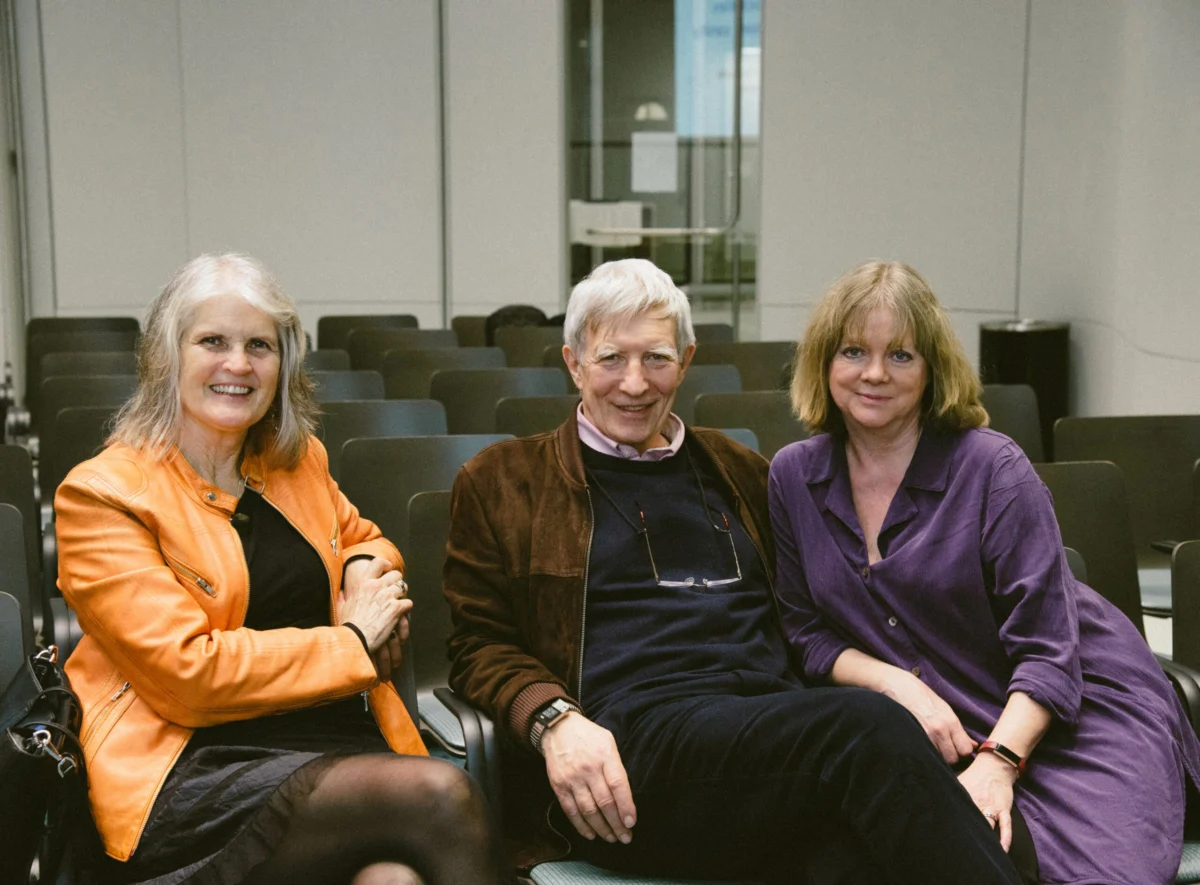
The launch event, which begins at 6:00 pm, features a panel discussion with George Monbiot, an investigative journalist and environmental activist; Caroline Lucas, the former leader of the Green Party and a long-standing advocate for a wellbeing-centered economy; and Baroness Ruth Lister of Burtersett, a peer and Emeritus Professor of Social Policy known for her extensive work on poverty and citizenship. Together, these figures will explore the central thesis of Pickett’s book: that the creation of a "Good Society" is a tangible political choice rather than an unattainable ideal. By prioritizing the reduction of the wealth gap and fostering social cohesion, Pickett asserts that the state can unlock improvements in almost every metric of human flourishing.
The Core Thesis: Inequality as a Systemic Pathogen
In The Good Society, Professor Pickett builds upon decades of empirical research to demonstrate how high levels of inequality act as a "social pathogen," eroding the foundations of community and individual well-being. The book posits that when the gap between the wealthiest and the poorest members of a society widens, the resulting status anxiety and social fragmentation lead to a cascade of negative outcomes. Unlike previous sociological works that treat education, health, and crime as disparate policy areas, Pickett provides a unified field theory suggesting that narrowing the income gap is the single most effective lever for systemic improvement.
The publication arrives at a time when the United Kingdom is grappling with stagnant wage growth and a widening disparity in life expectancy between the most and least affluent regions. Pickett’s research indicates that in more equal societies, such as those found in Scandinavia and parts of East Asia, there is a measurable "equality dividend." This dividend manifests as higher levels of social trust, lower rates of infant mortality, and greater social mobility. The Good Society argues that moving toward this model is not merely a matter of altruism but a pragmatic necessity for national stability and economic resilience.
A Legacy of Research: From The Spirit Level to The Good Society
The intellectual lineage of The Good Society can be traced back to the groundbreaking 2009 publication The Spirit Level: Why More Equal Societies Almost Always Do Better, which Pickett co-authored with Richard Wilkinson. That book revolutionized the global conversation on inequality by providing a wealth of data showing that nearly every social and environmental problem—from mental illness and drug use to violence and obesity—is more prevalent in unequal societies. This was followed by The Inner Level (2018), which explored the psychological impact of inequality, focusing on how social hierarchy affects individual mental health and self-esteem.
The Good Society serves as the final installment in this trilogy of research, shifting the focus from diagnosis to prescription. While the previous works focused on the "why" and "how" of inequality’s damage, this new volume outlines the "what next." It provides a roadmap for policy interventions that could dismantle the barriers to a more equitable life. The chronology of Pickett’s work reflects a broader shift in the academic community toward "pre-distribution"—the idea that the economy should be designed to produce more equal outcomes from the start, rather than relying solely on tax-and-spend redistribution after the fact.
The Panel of Experts: Diverse Perspectives on Reform
The inclusion of Monbiot, Lucas, and Lister in the launch event signifies the interdisciplinary nature of Pickett’s work. George Monbiot has long argued that the current neoliberal economic model is incompatible with ecological survival. His contribution to the discussion is expected to focus on how inequality drives overconsumption among the elite while depriving the majority of the resources needed for a sustainable transition. Monbiot’s recent work on "private sufficiency and public luxury" aligns closely with Pickett’s vision of a society where communal resources—parks, libraries, and public transport—are prioritized over individual wealth accumulation.
Caroline Lucas brings a legislative perspective to the panel. As a former Member of Parliament, Lucas has been a vocal proponent of the "Wellbeing of Future Generations" legislation, which seeks to require public bodies to consider the long-term impact of their decisions. Her presence suggests a focus on how the ideas in The Good Society can be translated into parliamentary action and constitutional reform. Meanwhile, Baroness Ruth Lister provides a deep understanding of the "lived experience" of poverty. Her academic and parliamentary work has consistently highlighted how inequality strips individuals of their agency and dignity, a theme that Pickett explores through the lens of social and emotional wellbeing.
Supporting Data: The Cost of Inequality in 2026
To understand the urgency behind Pickett’s work, one must look at the statistical landscape of the mid-2020s. According to data from the Office for National Statistics (ONS) and the Equality Trust, the UK remains one of the most unequal countries in the developed world. The top 10% of households hold approximately 43% of the nation’s wealth, while the bottom 50% hold less than 9%. This disparity has direct correlations with public spending. For instance, research suggests that the annual cost of inequality to the UK—measured through increased healthcare demands, lost productivity, and the expenses of the criminal justice system—exceeds £39 billion.
In the realm of public health, the "social gradient" remains a persistent challenge. Data indicates that individuals living in the most deprived deciles of the population can expect to live up to 19 fewer years in good health than those in the least deprived deciles. The Good Society utilizes these figures to argue that a "prevention-first" healthcare model is impossible without first addressing the wider determinants of health, such as housing quality, food security, and income stability. Pickett’s book highlights that for every £1 invested in reducing child poverty, the state saves an estimated £3 in long-term social costs.
Policy Pillars: Education, Care, and Justice
A significant portion of The Good Society is dedicated to reimagining the core pillars of the British state. In education, Pickett calls for a move away from high-stakes testing and towards a system that fosters creativity and emotional intelligence. She cites evidence that the "attainment gap" between rich and poor students is not a reflection of innate ability but a symptom of the stresses associated with low-income environments. By equalizing the starting conditions for children, the education system can function as an engine of opportunity rather than a reinforcer of class boundaries.
Regarding the care system, the book advocates for a universal basic services model. Pickett envisions a society where care for the elderly and those with disabilities is not a source of financial ruin for families but a shared social responsibility. This approach emphasizes the emotional and social wellbeing of both the caregiver and the recipient. In the criminal justice sector, Pickett draws on successful international models of restorative justice and rehabilitation. She argues that the "punitive turn" in policy has failed to reduce recidivism and that a focus on addressing the root causes of crime—poverty, lack of opportunity, and mental health issues—is both more humane and more cost-effective.
Broader Implications: The Intersection of Equality and Ecology
Perhaps the most contemporary aspect of Pickett’s work is its focus on the climate emergency. The Good Society posits that inequality and environmental destruction are two sides of the same coin. High-inequality societies tend to have higher carbon footprints per capita because status competition drives "conspicuous consumption." Furthermore, the book argues that a "Just Transition" to a green economy is politically impossible if the costs are borne by the poorest while the benefits accrue to the wealthiest.
By integrating economic thinking with environmental protection, Pickett aligns her work with the burgeoning "degrowth" and "steady-state" economic movements. The book suggests that by focusing on wellbeing rather than GDP growth, the UK can meet its net-zero targets while simultaneously improving the quality of life for its citizens. This holistic view is what the panelists—Monbiot and Lucas in particular—have championed for years, and Pickett’s book provides the rigorous epidemiological data to support their claims.
Conclusion: A Political Choice for the Future
As the launch of The Good Society approaches, the central message remains clear: the social ills that appear insurmountable are, in fact, solvable through deliberate policy shifts. Professor Kate Pickett, alongside Monbiot, Lucas, and Lister, aims to challenge the "inevitability" of current social structures. The event is expected to serve as a call to action for policymakers, academics, and the public to recognize that inequality is not an act of nature but a result of political decisions.
The online launch on February 4, 2026, will likely act as a catalyst for a renewed national debate on the direction of social policy. By presenting a vision of a society that is healthier, safer, and greener, The Good Society offers a blueprint for reform that transcends traditional partisan divides. As Pickett notes in the book, the goal is to create a nation where "prevention is prioritized" and where "no one is left behind," ensuring that the wellbeing of future generations is the primary metric of national success. In an era of uncertainty, this volume provides a data-driven sense of hope, asserting that a fairer world is not only possible but essential for our collective survival.