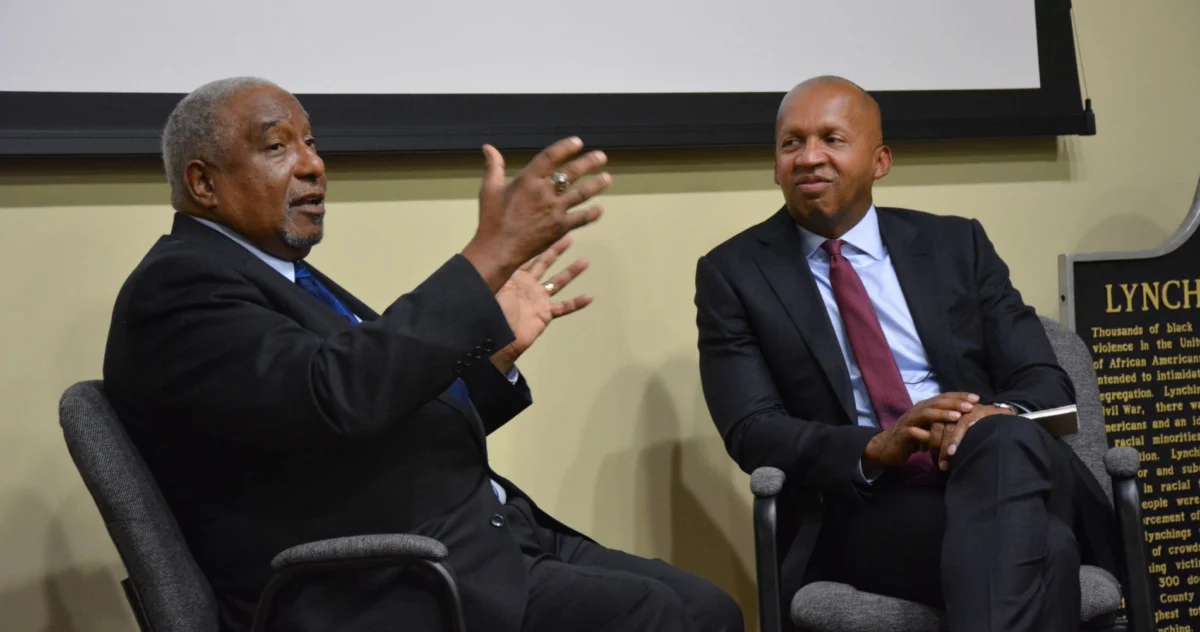
Dr. Bernard LaFayette Jr., a towering figure in the American Civil Rights Movement and a tireless champion of nonviolent social change, passed away on March 5 at his home in Tuskegee, Alabama, at the age of 85, following a heart attack. His death marks the profound loss of a direct link to the movement’s foundational struggles and a global advocate for peace. Dr. LaFayette’s strategic vision and unwavering commitment to nonviolence were instrumental in laying the groundwork for the pivotal Selma voting rights campaign, a movement that culminated in the landmark Voting Rights Act of 1965, forever reshaping the landscape of American democracy.
A Life Forged in Resistance: Early Experiences and the Call to Activism
Born in Tampa, Florida, in 1940, Bernard LaFayette Jr.’s early life was steeped in the harsh realities of Jim Crow segregation, a system designed to enforce racial hierarchy and deny basic human dignity to Black Americans. It was a profoundly personal and traumatic experience at the tender age of seven that seared into his consciousness the urgent need for change. While riding a segregated streetcar in downtown Tampa with his maternal grandmother, Rozelia Forrester, affectionately known as Ma Foster, he witnessed firsthand the dehumanizing violence inherent in the system. Black patrons were forced to pay their fare at the front of the trolley, then compelled to exit and reboard at the back, a ritual of public humiliation that underscored their second-class status.
As Ma Foster paid their fare and they moved to reboard at the rear, the trolley driver, with callous disregard, abruptly pulled away. Ma Foster was knocked to the ground, a scene of brutal injustice that left an indelible mark on young Bernard. In his poignant memoir, In Peace and Freedom: My Journey in Selma, Dr. LaFayette recounted the moment with visceral clarity: "I felt like a sword cut me in half, and I vowed I would do something about this problem one day." This incident was not merely an isolated act of cruelty but a stark illustration of the systemic oppression that permeated every aspect of daily life for African Americans. The emotional wound inflicted by seeing his beloved grandmother abused filled him "with an emotional feeling that [he] would never forget." He later reflected, "It was the moment that caused me to decide that I was going to use my life to fight against the segregation system." True to his vow, he joined the National Association for the Advancement of Colored People (NAACP) at the remarkably young age of 12, beginning a lifelong journey of activism.
It was Ma Foster who also steered his path towards ministry, insisting that her grandson pursue a calling that would equip him with moral fortitude and a platform for leadership. She sent him to the American Baptist Theological Seminary in Nashville, a city that would soon become a crucible for the burgeoning Civil Rights Movement. There, as a 19-year-old freshman, LaFayette found a kindred spirit in his roommate, John Lewis, who would also become a legendary figure in the struggle for justice. Together, they immersed themselves in intensive workshops on nonviolence, learning the principles and tactics of direct action from revered mentors like the Rev. James Lawson and at the transformative Highlander Folk School. These institutions were crucial in shaping the philosophical and practical framework for nonviolent resistance, teaching students to confront injustice with love, courage, and a disciplined willingness to suffer without retaliation, while understanding that their suffering could expose the moral bankruptcy of their oppressors.
Forging the Path of Nonviolence: Nashville, SNCC, and the Freedom Rides
The training LaFayette and Lewis received in Nashville quickly translated into action. In early 1960, they joined a dedicated group of young activists, including Diane Nash and James Bevel, to launch a nonviolent sit-in campaign against segregated lunch counters and department stores in downtown Nashville. This meticulously planned and courageously executed campaign, characterized by its unwavering commitment to nonviolence in the face of violent retaliation from white supremacists and police, ultimately achieved a historic victory: Nashville became the first major Southern city to desegregate its downtown facilities. This success served as a powerful testament to the efficacy of nonviolent direct action and established LaFayette, Lewis, Nash, and Bevel as formidable leaders within the burgeoning student movement.
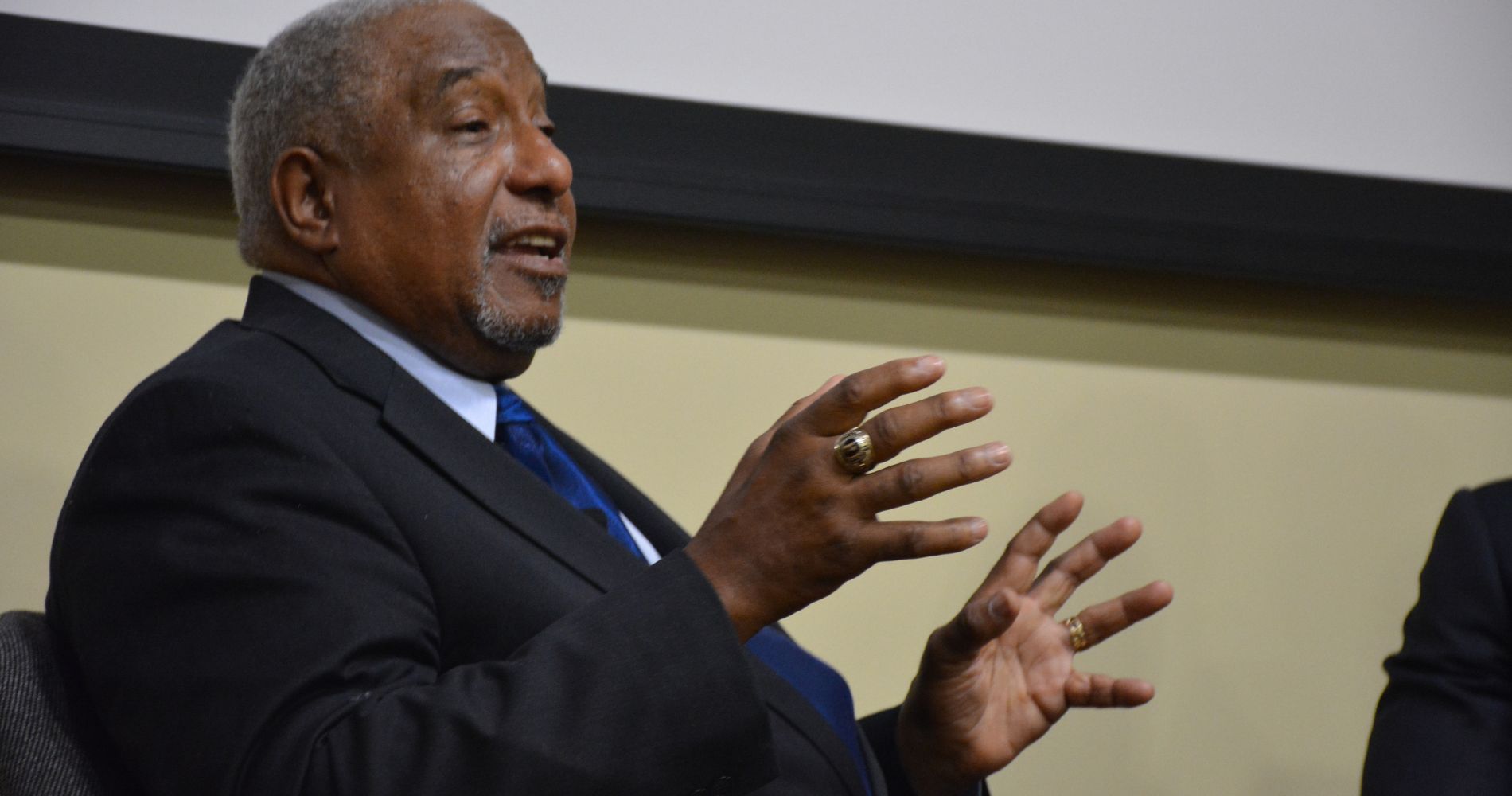
Their demonstrated commitment and leadership made them foundational members of the Student Nonviolent Coordinating Committee (SNCC), which they helped to establish in April 1960. SNCC emerged as a critical force in the Civil Rights Movement, distinguished by its emphasis on youth leadership, grassroots organizing, and direct action. It was a radical departure from the more established, hierarchical civil rights organizations, fostering a new generation of activists who were willing to put their bodies on the line for freedom and equality.
The commitment of these young activists to challenging segregation extended beyond sit-ins. In his moving eulogy for John Lewis in 2020, former President Barack Obama recounted another act of courageous defiance involving the two roommates. Weeks after the Supreme Court’s landmark ruling in Boynton v. Virginia (1960), which barred racial segregation in interstate travel facilities, LaFayette and Lewis decided to test the enforcement of this new legal precedent. As they traveled home for Christmas break—Lewis to Troy, Alabama, and LaFayette to Tampa, Florida—they sat in the front of a Greyhound bus, defying the prevailing segregationist norms that still held sway despite federal law. Their refusal to move ignited the fury of the bus driver, who, at every stop through the night, stormed off the bus and into the station, undoubtedly seeking assistance from local authorities or segregationist sympathizers. The two young men faced the unknown, isolated and vulnerable, yet they held their ground. President Obama powerfully encapsulated their bravery: "Imagine the courage of two people…, on their own, to challenge an entire infrastructure of oppression. Nobody was there to protect them. There were no camera crews to record events." This act of quiet resistance was a powerful precursor to the more widely known Freedom Rides.
The following year, in 1961, an interracial group of activists, including SNCC members, embarked on the Freedom Rides to test the enforcement of Boynton across the Deep South. These rides quickly met with brutal violence, with buses attacked by white mobs in Anniston and Birmingham, Alabama. The initial riders were forced to abandon their journey. Undeterred, Dr. LaFayette, John Lewis, and other members of the Nashville movement made the courageous decision to continue the mission, recognizing that to stop would signal defeat and embolden segregationists. Their conviction brought them to Montgomery, Alabama, on May 20, 1961. What awaited them at the Greyhound station in downtown Montgomery was a mob of more than 300 white people, who had been promised by local police officials several minutes to launch their attack without interference. The Freedom Riders were pulled from the bus and viciously assaulted with baseball bats, hammers, and pipes, while law enforcement stood by, refusing to intervene and effectively sanctioning the violence.
Despite the horrific violence, the Freedom Riders adhered strictly to the principles of nonviolence. Dr. LaFayette, recalling the harrowing experience in his memoir, wrote, "We didn’t run; we didn’t fight back. We got back up when slammed to the ground, and looked our attackers directly in the eyes, fighting violence with nonviolence." This disciplined response, a testament to their training and conviction, was a powerful moral statement against the brutality they faced. From Montgomery, the Freedom Riders continued their perilous journey to Jackson, Mississippi, where Dr. LaFayette was arrested. He endured over a month of incarceration at the infamous Parchman Farm prison, a notorious symbol of Southern injustice, alongside hundreds of other young civil rights activists. The Freedom Rides, despite the violence, successfully drew national attention to the plight of Black Americans and forced the Kennedy administration to enforce desegregation in interstate travel, thereby achieving a critical victory against Jim Crow.
The intensity of these early campaigns convinced Dr. LaFayette to leave college and dedicate himself full-time to the movement. He later reflected on the monumental impact of their work, observing, "We lived through this, but this was our daily lives… When you think about it, we weren’t trying to make history or trying to rewrite history. We were responding to the problems of the particular time." This perspective underscores the extraordinary courage required to live and fight for justice in an era of