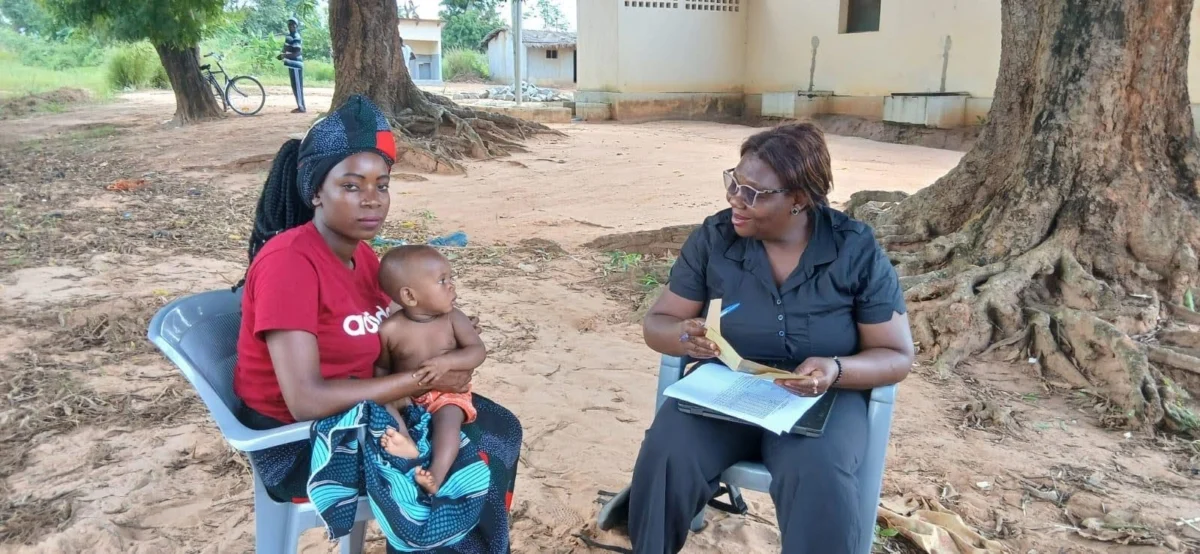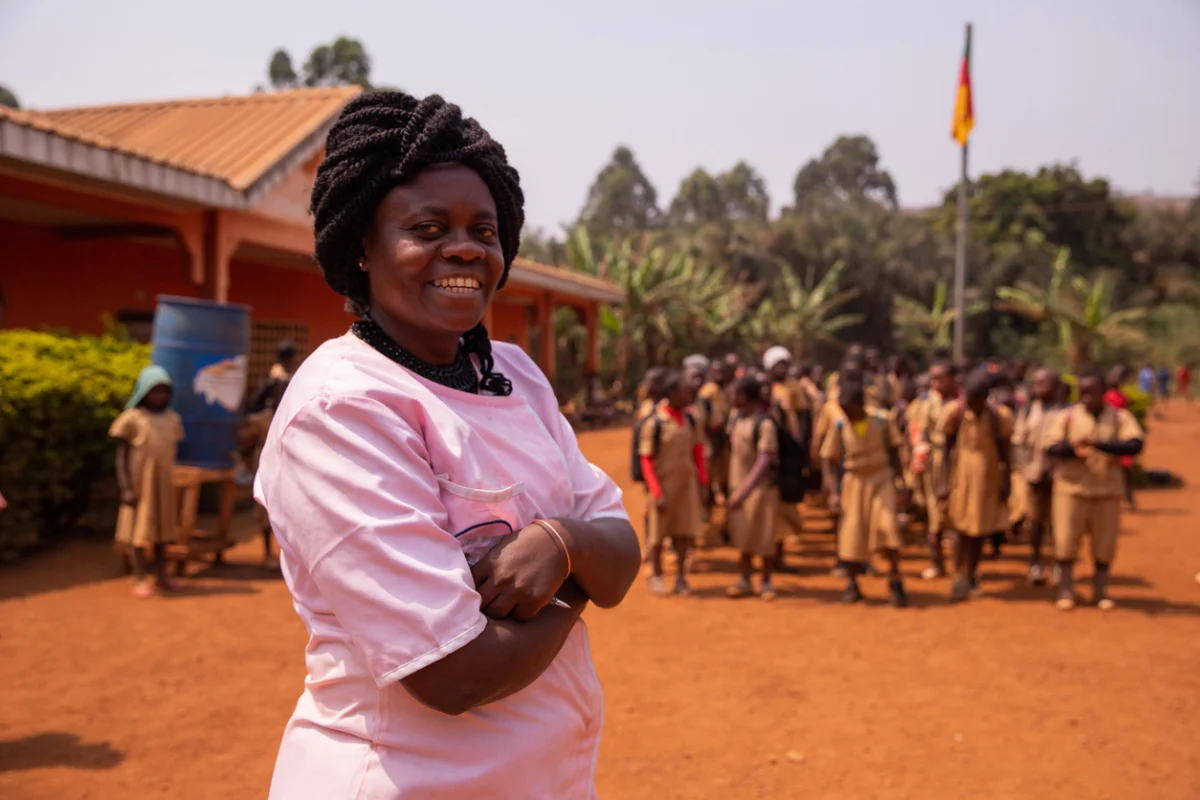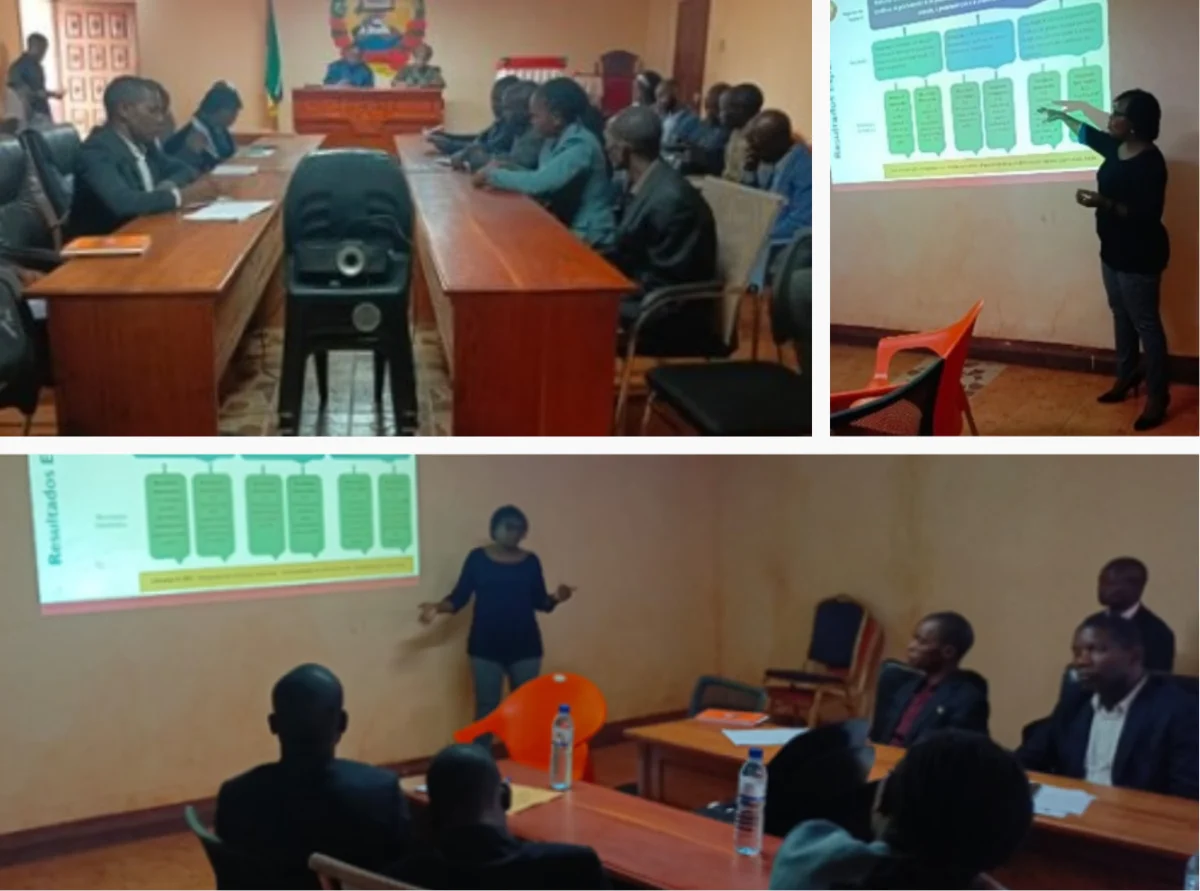
The Ministry of Education and Culture (MEC) of Mozambique, in a strategic collaboration with World Education—an initiative of JSI Research & Training Institute, Inc.—has officially launched the "Empowering Educators" program. This ambitious multi-year project, funded by IrishAid and inaugurated in early 2026, represents a significant step forward in the Mozambican government’s efforts to operationalize its National Strategy for Continuous Teacher Training. By focusing on the northern province of Niassa, the program seeks to address systemic barriers to educational quality, focusing specifically on foundational learning, teacher professional development, and the protection of female students through gender-responsive management.
The launch events, which took place in the districts of Mavago and Mecula, were attended by high-level representatives from the provincial government, the Embassy of Ireland, and World Education leadership. This initiative arrives at a critical juncture for Mozambique’s education sector, which has seen remarkable gains in school enrollment over the last two decades but continues to struggle with low learning outcomes and high dropout rates, particularly among adolescent girls in rural areas.
Addressing the Quality Gap in Mozambican Education
While Mozambique has made strides in expanding access to primary education, the quality of instruction remains a persistent challenge. According to recent educational assessments, a significant portion of students completing the first cycle of primary school struggle with basic literacy and numeracy. These challenges are often attributed to the lack of consistent, on-the-ground support for teachers once they enter the classroom. Traditional models of teacher training in the region have frequently relied on one-off workshops that fail to translate into sustained pedagogical changes.
The Empowering Educators program is designed to break this cycle by shifting the focus toward Continuous Professional Development (CPD). Instead of isolated training sessions, the program embeds professional growth within the daily operations of the school. By targeting 600 teachers—including more than 200 women—and 100 school directors across four districts in Niassa, the project aims to create a localized support network that ensures teachers have the tools and mentorship necessary to improve student performance.
Niassa Province, where the program is centered, is one of the most remote and economically disadvantaged regions in Mozambique. The geographic isolation of many schools in districts like Mavago and Mecula often means that teachers have limited access to new materials or supervisory visits from district officials. By establishing a robust framework for peer coaching and internal school management, World Education and the MEC intend to bridge the gap between national policy and classroom reality.
A Strategic Framework for Sustainability
At the heart of the Empowering Educators initiative is the "multiplier effect." This strategy, as outlined by World Education’s Provincial Manager, Ligia Lundo, relies on the principle that trained educators do not keep their knowledge in a vacuum. Instead, they serve as mentors for their colleagues.
"The sustainability of the strategy is based on the principle that trainee teachers will act as multipliers of the process," Lundo stated during the program’s kickoff. "By prioritizing on-the-job training, where Deputy School Heads provide ongoing support in the classroom through peer coaching, we make use of the support tools already available within the system. Strengthening management for all learners will enable everyone, from the manager down to the classroom, to adopt strategies to create a successful social, academic, and learning environment."
This approach aligns with the Mozambican government’s broader National Strategy for Continuous Teacher Training. The strategy moves away from the centralized "cascading" model of training, which often loses effectiveness as information travels from the capital to the provinces. Instead, the Empowering Educators program emphasizes school-based professional development, where learning happens in the context of the actual challenges teachers face every day.
The Role of Gender-Responsive Management
A cornerstone of the program is its commitment to gender-responsive school management. In northern Mozambique, girls face numerous hurdles to completing their education, including early marriage, domestic labor demands, and a lack of female role models in leadership positions. The Empowering Educators program seeks to mitigate these issues by training school directors to implement management practices that prioritize the access, retention, and protection of girls.
This involves creating a safe and inclusive learning environment where gender-based violence is actively prevented and where female teachers are empowered to take on leadership roles. With over 200 women among the initial cohort of 600 teachers, the program aims to increase the visibility of women in the education workforce, providing students with a more balanced representation of authority and academic success.
Furthermore, the program’s focus on foundational learning is inherently linked to gender equity. Research consistently shows that when girls master basic literacy and numeracy early, they are significantly more likely to stay in school through the secondary level. By strengthening the "foundations" in primary schools, the MEC and World Education are building a protective barrier against early school leaving.
Chronology of Collaboration and Implementation
The launch of Empowering Educators is the result of years of collaborative planning between JSI/World Education and the Mozambican government. The timeline of this partnership reflects a deep-rooted commitment to the country’s development:
- 2011–2020: World Education establishes a strong presence in Mozambique, partnering with the MEC to deliver large-scale literacy and bilingual education programs. During this decade, the organization supported over 2 million learners and trained tens of thousands of teachers.
- 2021–2024: Following the success of previous interventions, discussions began regarding the operationalization of the National Strategy for Continuous Teacher Training. This period focused on identifying the specific needs of underserved provinces like Niassa.
- 2025: IrishAid confirms funding for the Empowering Educators initiative, recognizing the alignment between the project’s goals and Ireland’s international development policy, which prioritizes education and gender equality.
- Early 2026: Official launch ceremonies are held in Niassa. Baseline evidence collection begins to establish a data-driven starting point for the project’s interventions.
- 2026–Ongoing: Implementation of the peer coaching model and school director training across the four targeted districts.
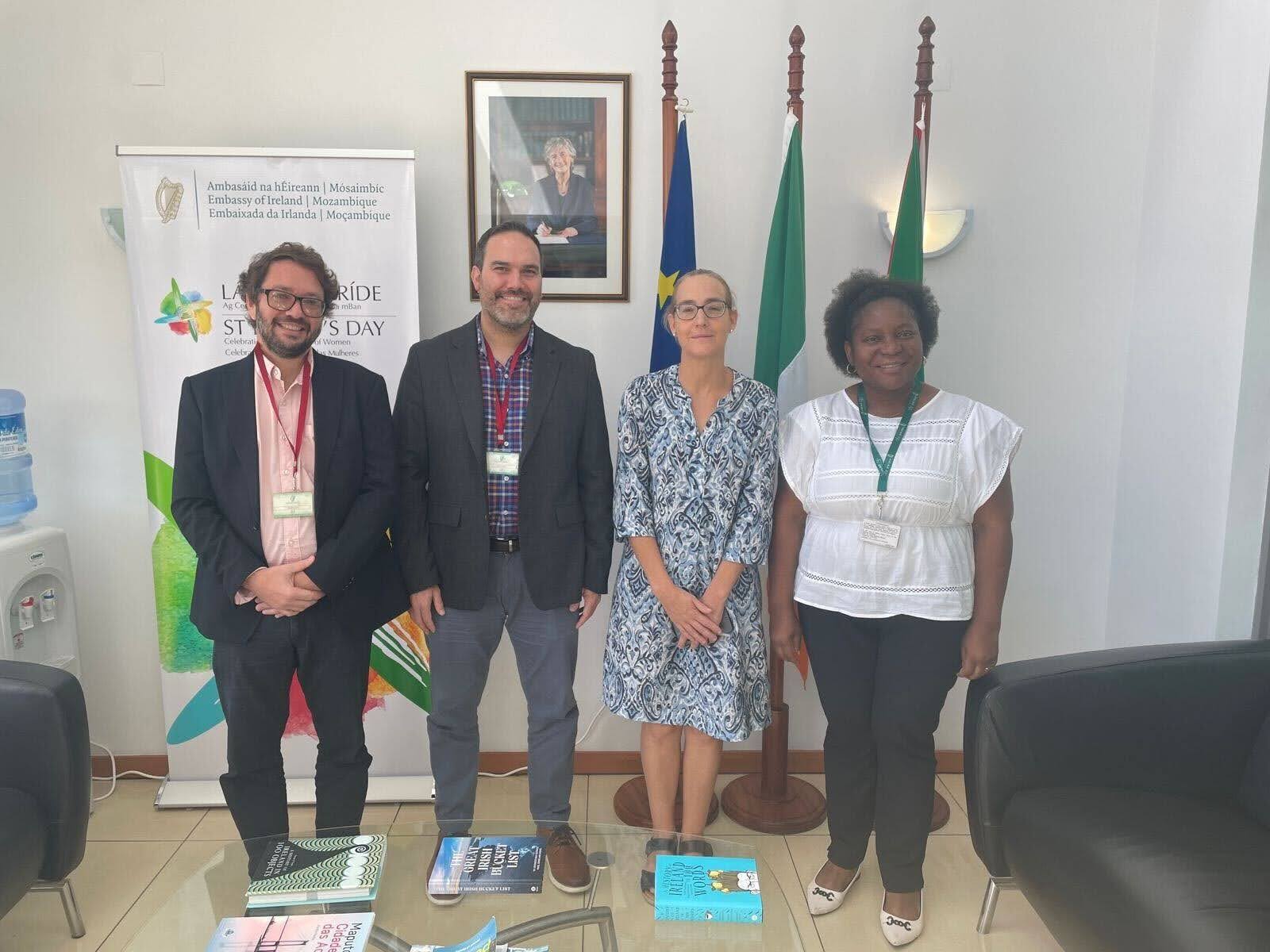
The participation of IrishAid highlights the importance of international cooperation in achieving Sustainable Development Goal 4 (Quality Education). Aileen O’Donovan, deputy head of mission and cooperation at the Embassy of Ireland in Maputo, and Lídia Meque, program manager, have been instrumental in ensuring that the project remains aligned with both local needs and international best practices.
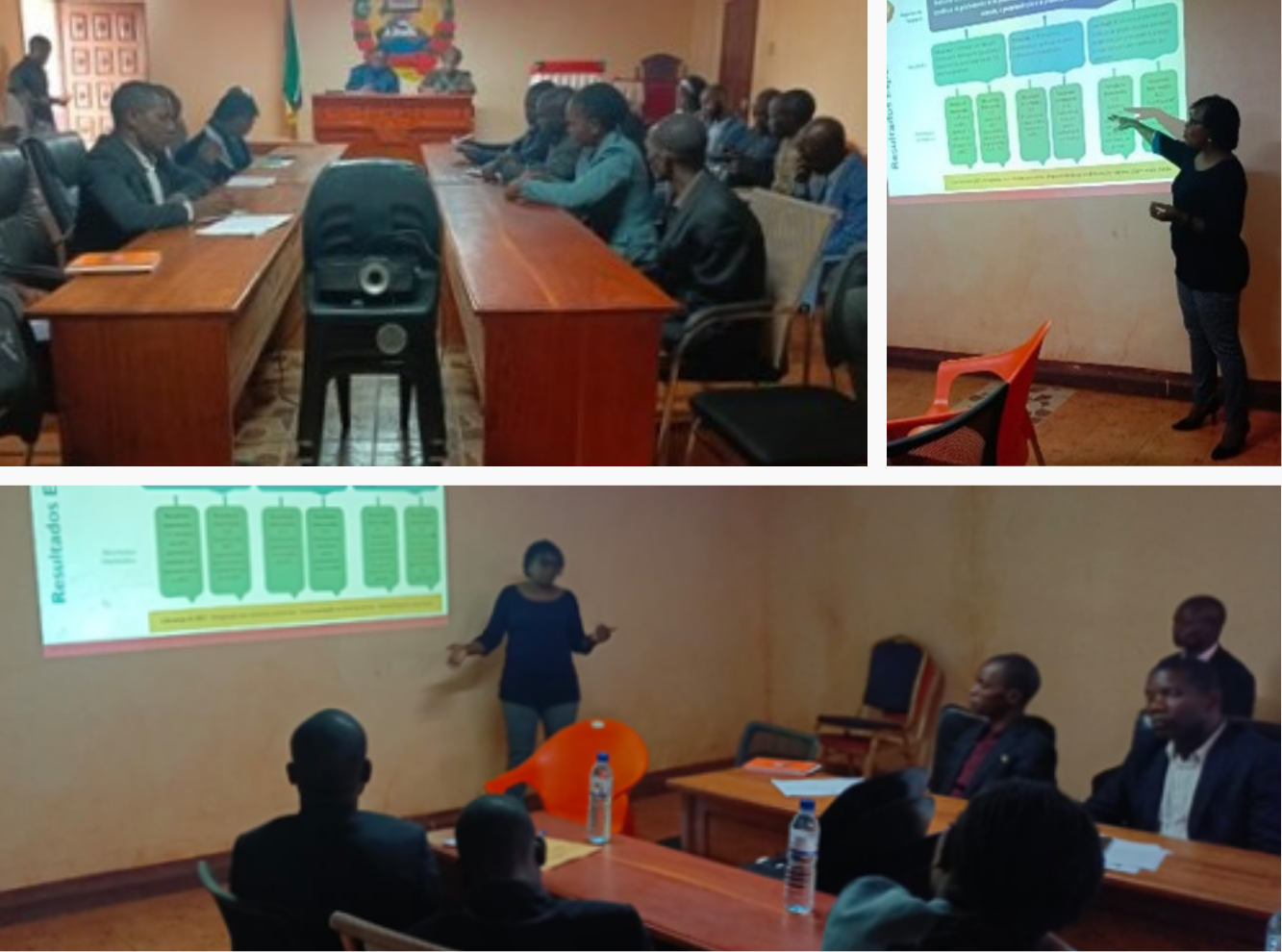
Data-Driven Implementation and Expected Outcomes
To ensure that the Empowering Educators program achieves its intended impact, the project begins with a comprehensive baseline assessment. This data-gathering phase is crucial for identifying the specific pedagogical gaps in Niassa’s schools. By understanding exactly where teachers struggle—whether in phonics instruction, classroom management, or student assessment—World Education can tailor its coaching tools to meet those needs.
The project is designed to achieve several key outcomes over its implementation period:
- Improved Literacy and Numeracy: A measurable increase in the percentage of Grade 1-3 students meeting national proficiency standards.
- Enhanced Teacher Competency: 600 teachers demonstrating improved pedagogical techniques through regular classroom observations and peer feedback.
- Strengthened School Leadership: 100 school directors capable of implementing data-driven management plans that emphasize student well-being and gender equity.
- Policy Integration: The successful translation of the National Strategy for Continuous Teacher Training into a replicable model that can be scaled to other provinces in Mozambique.
Broader Implications for the Region
The impact of the Empowering Educators program is expected to resonate beyond the four districts of Niassa. As the MEC looks for ways to modernize the national education system, the lessons learned in Mavago and Mecula will serve as a blueprint for future reforms. The emphasis on "on-the-job" training is particularly relevant for a country with limited fiscal space for expensive, centralized training programs. By utilizing existing school structures and personnel, the program offers a cost-effective and sustainable path toward educational improvement.
Moreover, the focus on Niassa is a strategic choice. By investing in one of the country’s most vulnerable regions, the MEC and its partners are signaling a commitment to inclusive growth. Strengthening the education system in the north is not only an academic necessity but also a social imperative that contributes to regional stability and economic development.
World Education’s leadership, including initiative director Adam Turney and project director David Noyes, brings decades of experience in systems strengthening to this endeavor. Their presence in Mozambique underscores JSI’s long-term commitment to the country. As the program moves from its launch phase into full implementation, the focus will remain squarely on the classroom—ensuring that every teacher has the support they need and every child has the opportunity to learn in a safe, productive environment.
In the words of the district administrator in Mavago during the kick-off event, the initiative represents more than just a training program; it is a "commitment to the future of our children." Through the synergy of government policy, international funding, and technical expertise, the Empowering Educators program stands as a testament to the power of partnership in transforming the landscape of primary education in Mozambique.