The past two years have undeniably marked a period of profound societal and economic upheaval, with the ongoing pandemic serving as an unprecedented global experiment in new ways of working. This era has not only accelerated existing trends but has fundamentally recalibrated the collective understanding of work, its purpose, and its future trajectory. While many questions remain open and data continues to evolve, a distinct and powerful shift in employee priorities has emerged, prominently featuring a heightened search for personal purpose and its alignment with professional life. This re-evaluation is one of several critical trends shaping the modern workplace, alongside significant changes in "People" dynamics, "Process & Policy" frameworks, and the complex landscape of "Polarisation & Activism," all of which carry profound implications for Diversity, Equity, and Inclusion (DEI) initiatives.
The Crucible of Crisis: A Chronology of Shifting Priorities
The onset of the COVID-19 pandemic in early 2020 triggered an immediate and drastic transformation of work environments worldwide. Initial responses focused on crisis management, rapid transitions to remote work, and ensuring business continuity amidst lockdowns and health concerns. However, as the immediate shock subsided and the pandemic lingered, a deeper, more introspective phase began to unfold.
Early 2020 (The Initial Shock): Businesses scrambled to adapt, sending millions home to work remotely. The primary concern for employees was job security and health. For many, the lines between work and home blurred instantly, creating new pressures.
Late 2020 – Mid 2021 (The Introspection Begins): As the novelty of remote work wore off and the pandemic’s long-term implications became clearer, individuals began to reflect deeply on their lives, values, and careers. The existential threat posed by the virus, coupled with increased time spent at home, prompted a widespread re-evaluation of what truly mattered. This period saw the nascent stages of what would later be termed the "Great Resignation" or "Great Re-evaluation." The implicit contract of making significant personal sacrifices for career advancement began to fray under the weight of these new insights.
Late 2021 – Present (Sustained Shift and Organizational Response): The trend of employees seeking greater purpose and improved lifestyle fit in their work solidified. Data began to emerge illustrating widespread departures from jobs not aligning with personal values or offering adequate work-life integration. Organizations, initially slow to grasp the depth of this shift, have since been compelled to confront these new employee expectations, recognizing their critical impact on talent attraction, retention, and overall business sustainability.
The Quest for Meaning: A Deep Dive into Purpose Trends
At the heart of this transformation lies the individual’s heightened quest for purpose. The pandemic, by disrupting routines and forcing contemplation, compelled many to confront fundamental questions: "Is this job truly worth my energy and time?" and "Does my work align with my personal values and contribute to a life I find meaningful?" This introspective surge has fundamentally altered the calculus of employment, moving beyond traditional motivators.
A significant U.S. survey highlighted this trend, revealing that nearly two-thirds of respondents were actively reflecting on their personal purpose as a direct consequence of the pandemic experience. This reflection is not merely an abstract philosophical exercise; it translates into concrete career decisions. A global survey in August 2021 underscored this, finding that close to 60% of employees had either left or were planning to leave their jobs to find roles better aligned with their personal values. Concurrently, half were seeking positions offering an improved lifestyle. These figures represent a notable departure from pre-pandemic motivations, where higher compensation and rapid career growth were often the primary drivers for job changes.
This purpose-driven shift transcends generational boundaries, indicating a broad societal movement rather than a niche demographic trend. In the U.S., millennial workers were observed to be three times more likely to be re-evaluating their work lives, suggesting a particularly strong resonance within this demographic already known for valuing purpose. Simultaneously, the U.K. witnessed a more than doubling of employees over the age of 50 taking early retirement since the pandemic’s onset. While not every job exit can be solely attributed to a lack of purpose, its emergence as a primary consideration is undeniable. The traditional model of work, demanding immense personal sacrifice for professional advancement, is increasingly being challenged by a desire for more holistic and purpose-anchored engagement.
Exacerbated Inequalities and the Call for Healthier Work Models
The pandemic also starkly illuminated how pre-existing work models often impede the fulfillment of purpose, particularly for marginalized groups. Long-standing inequalities and biased workplaces, previously tolerated or overlooked, became glaringly apparent under the duress of lockdowns and remote work.
A prime example is the well-documented dual burden experienced by many women, juggling professional responsibilities with disproportionate domestic and caregiving duties. While this issue predated the pandemic, it had not previously spurred large-scale work redesigns. The pandemic-era work experience, however, brought this reality to an unavoidable and stark realization for countless individuals and organizations. The unsustainable nature of existing frameworks became undeniable: the "old way of working simply isn’t working to support a healthy, connected, and fulfilled life."
For women with caregiving responsibilities, the outcome has been particularly severe, manifesting in significantly higher rates of burnout and resignations. Globally, during the first year of the pandemic, women’s employment declined by 54 million, or 4.2%, compared to a 3% drop for men. While not all these departures were voluntary, this dramatic disparity underscores an urgent need for the creation of healthier, more equitable work models for all employees, with a particular focus on supporting women. Such models are essential for enabling individuals to integrate their personal purpose with their work and life in a holistic and sustainable manner moving forward.
The Intention-Action Gap in Organizational Purpose
While the demand for purpose among employees has surged, the organizational response has often been characterized by a persistent intention-action gap. Prior to the pandemic, research indicated that nearly 79% of business leaders acknowledged the importance of organizational purpose, yet only 34% actually utilized this purpose when making strategic decisions. Furthermore, many organizations struggled to cultivate an environment that genuinely stimulated employees’ feelings and experiences of personal purpose, extending beyond the stated mission of the company itself.
The pandemic has drastically shaken this complacency, forcing organizations to bridge this gap. The implications of failing to do so are severe, impacting employee engagement, talent retention, and ultimately, an organization’s long-term viability. When employees find their work purposeful, engagement naturally increases, leading to higher productivity and lower turnover. Conversely, a disconnect between individual purpose and organizational reality can lead to disengagement, cynicism, and departures, a costly outcome in today’s competitive talent landscape. This dynamic now holds critical implications for employees, managers, leaders, stakeholders, organizations, and society at large.
Broader Implications for DEI and the Future of Work
The shift towards purpose-driven work is inextricably linked to the advancement of Diversity, Equity, and Inclusion. A workplace that supports individual purpose is inherently more inclusive, as it values the unique contributions, values, and life circumstances of its diverse workforce.
Talent Attraction and Retention: Organizations that genuinely embed purpose into their culture and operations will become magnets for top talent. As employees prioritize alignment with personal values and a meaningful lifestyle, companies offering such an environment will gain a competitive edge. This directly impacts DEI, as diverse talent pools are increasingly seeking employers who demonstrate a commitment to social responsibility and employee well-being beyond mere rhetoric.
Leadership and Culture: The emphasis on purpose demands a new style of leadership—one that is empathetic, transparent, and focused on fostering meaning. Leaders must articulate a compelling organizational purpose and demonstrate how individual roles contribute to it. This also requires cultivating an inclusive culture where all voices are heard, and diverse perspectives are valued, enabling a broader range of employees to connect their personal purpose to the organizational mission.
Workplace Design and Flexibility: The pandemic underscored the need for flexible work models. Integrating personal purpose often requires autonomy over how and when work is done, allowing for better work-life integration. Companies adopting hybrid or fully remote models, alongside flexible hours, are better positioned to support diverse employees, particularly those with caregiving responsibilities or other personal commitments, thereby enhancing equity.
Measuring Impact Beyond Profit: The re-evaluation of purpose extends to how organizations measure success. While financial metrics remain crucial, there is a growing imperative to consider social and environmental impact. Companies demonstrating a commitment to ethical practices, community engagement, and sustainable operations will resonate more deeply with purpose-driven employees and stakeholders, aligning with broader DEI goals.
Addressing Burnout and Well-being: The pandemic exposed the fragility of employee well-being. A purpose-driven approach to work intrinsically links professional endeavors with personal health and fulfillment. This necessitates robust well-being programs, mental health support, and a culture that actively combats burnout, particularly for groups disproportionately affected by increased workloads and responsibilities.
Expert Perspectives and a Path Forward
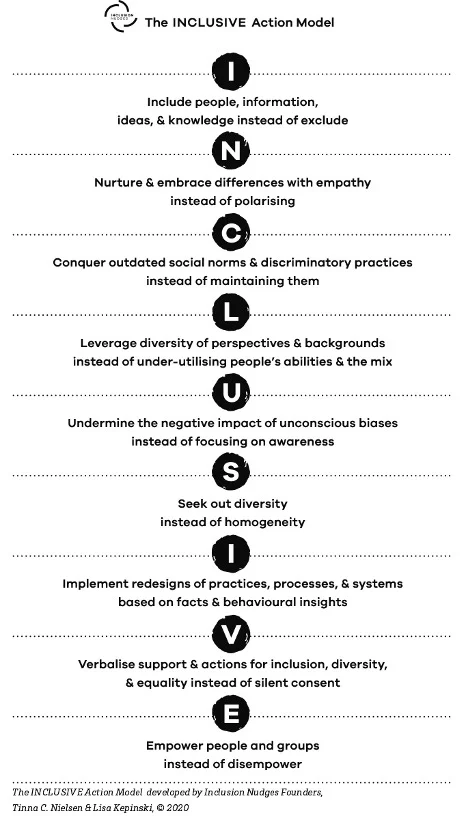
Experts in organizational psychology, human resources, and business strategy widely concur that the shift towards purpose is not a fleeting trend but a fundamental recalibration of the employee-employer relationship. Barry Phillips, an advocate for DEI change-makers, has highlighted the critical need for organizations to engage with these evolving trends, particularly in their DEI strategies. Lisa Kepinski and Tinna Nielsen, pioneers of the Inclusion Nudges approach, have long emphasized the importance of designing systems that intrinsically foster inclusion and purpose, suggesting practical interventions such as "The Speech Bubble Intervention" and "Telling Employees’ Stories for Inclusion" to bridge the intention-action gap. These strategies aim to make the impact of exclusion tangible and motivate action towards a more equitable and purposeful environment.
The path forward for organizations involves a deliberate and sustained effort to:
- Articulate a Clear Organizational Purpose: Beyond a mission statement, this purpose must be actionable and demonstrably lived by leadership.
- Facilitate Personal Purpose Alignment: Create opportunities for employees to connect their individual values and aspirations with their daily work and the broader organizational goals.
- Redesign Work for Well-being and Equity: Implement flexible work arrangements, support systems, and inclusive policies that acknowledge and accommodate diverse needs, particularly for those with caregiving responsibilities.
- Invest in Inclusive Leadership: Equip leaders with the skills to foster psychological safety, empathy, and a culture where all employees feel valued and empowered to bring their full selves to work.
- Measure and Act on DEI Insights: Continuously gather data on employee engagement, well-being, and inclusion metrics to identify areas for improvement and ensure that purpose initiatives are genuinely impactful and equitable.
The pandemic-era shifts have irrevocably altered the landscape of work, ushering in an era where purpose, well-being, and inclusion are no longer peripheral concerns but central pillars of organizational success and societal progress. Companies that proactively embrace and integrate these evolving employee expectations will not only thrive in the new economy but will also contribute to a more just and sustainable future of work for all.