Botswana, Africa – In a significant initiative aimed at amplifying marginalized voices and documenting critical environmental challenges, Nichodimas Cooper, a heritage advocate and documentary storyteller from Botswana, was selected as a fellow in the inaugural cohort of Cultural Survival’s Investigative Journalism Fellowship Program in 2025. This prestigious fellowship, a key component of Cultural Survival’s Indigenous Community Media Fund, provides vital financial and technical support to Indigenous journalists. Cooper’s participation underscores a growing global recognition of the need for Indigenous communities to lead the narrative on issues that directly impact their lives and ancestral lands, particularly within the ecologically sensitive Kgalagadi region.
As a proud Namakhoen heritage advocate hailing from Lokgwabe Village in Botswana’s Kgalagadi District, Cooper’s selection represents a rare and invaluable opportunity to draw international attention to the lived experiences of Indigenous communities navigating profound environmental transformations. The fellowship, spanning from May 2025 to March 2026, has empowered Cooper to undertake in-depth investigative and multimedia storytelling, focusing on the multifaceted impacts of climate change on Indigenous livelihoods and cultural practices.
A Deep Dive into the Kgalagadi’s Environmental Frontlines
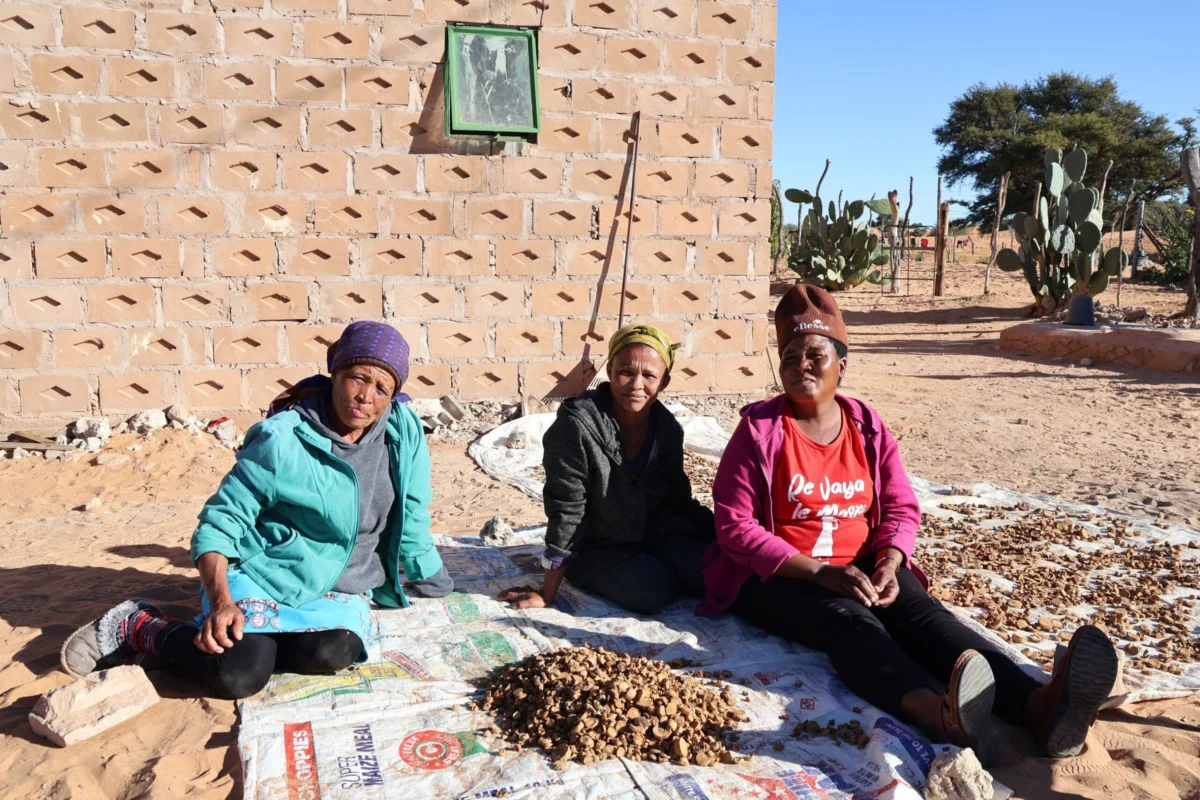
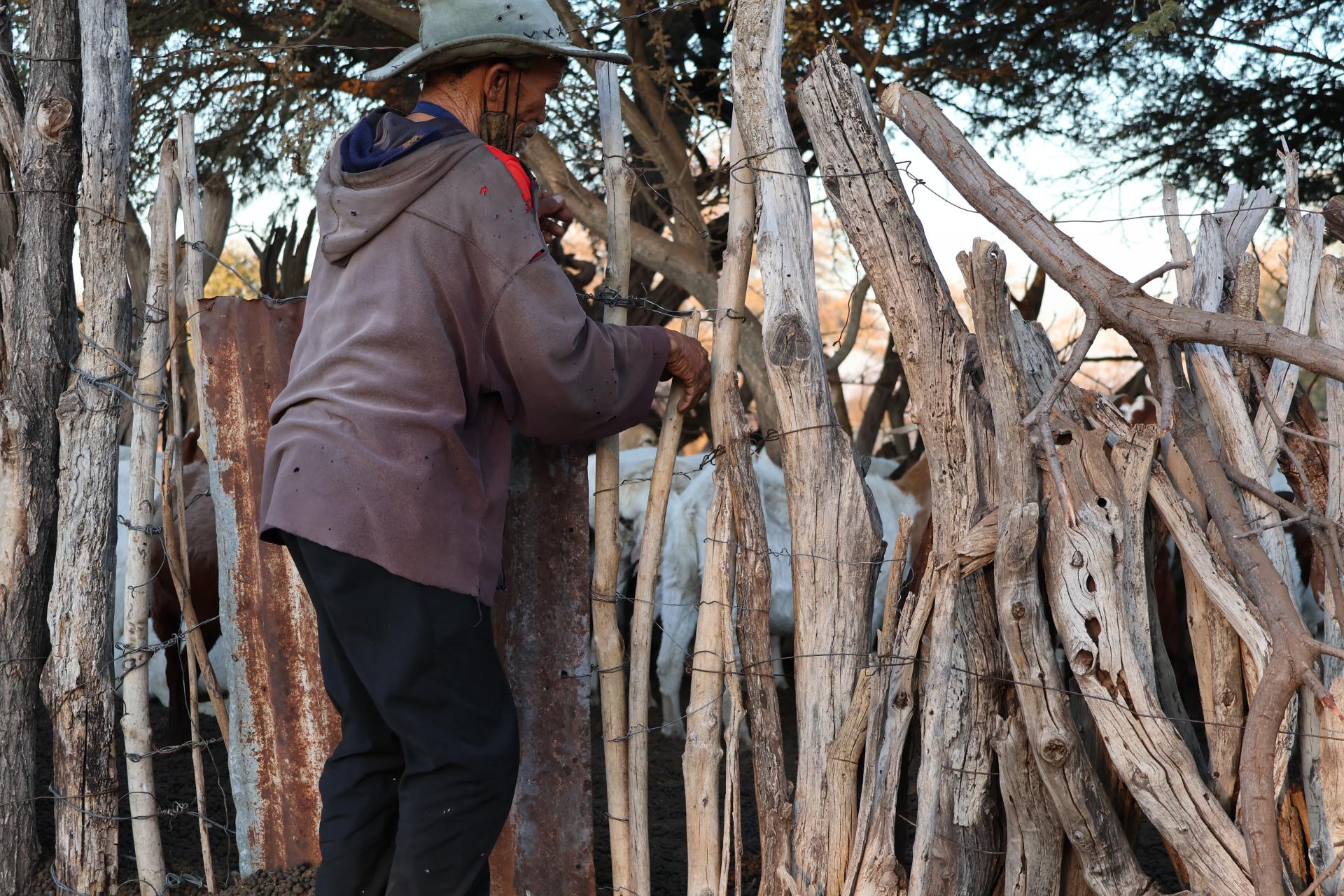
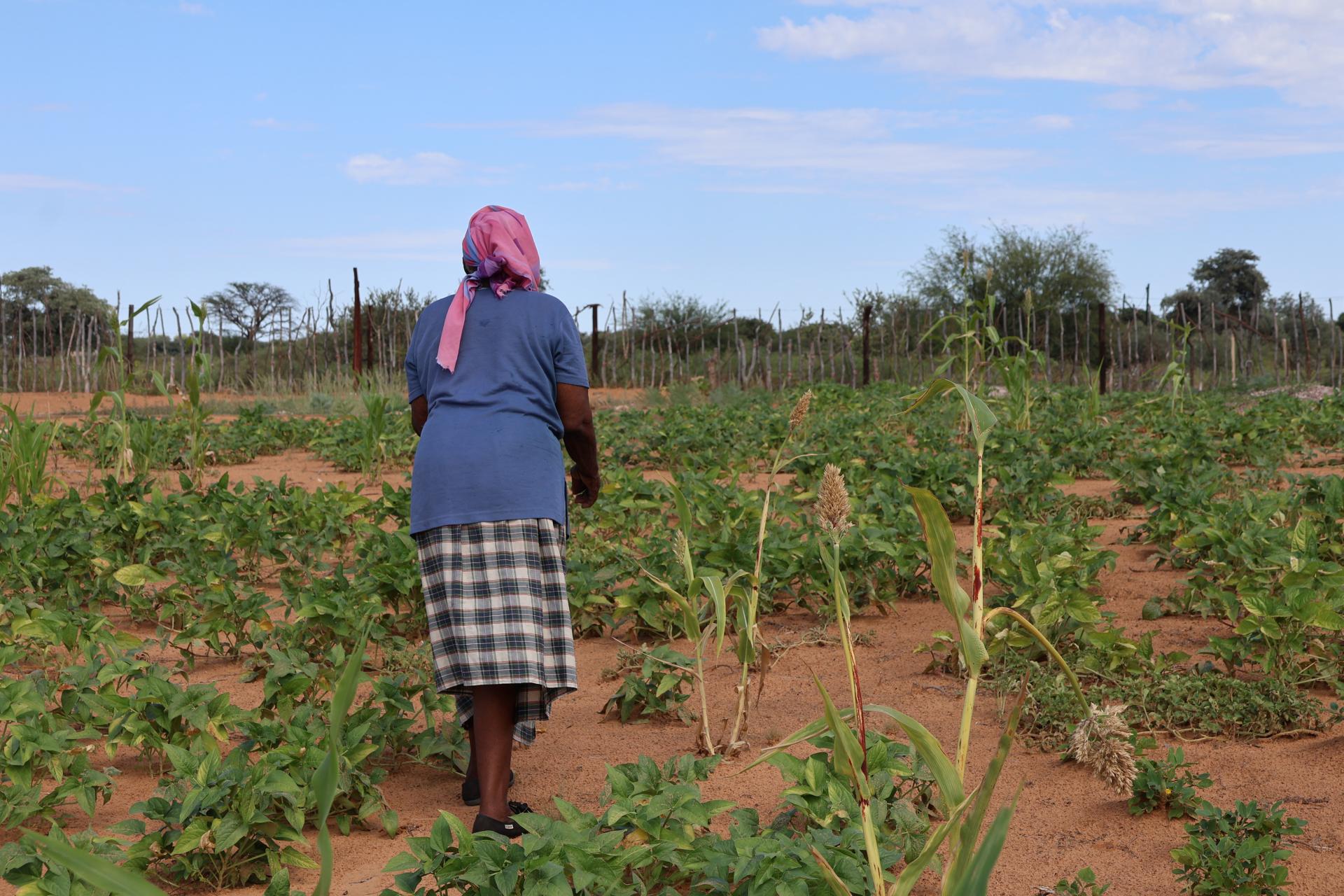
Cooper’s project involved extensive field research across four key villages in the Kgalagadi District: Lokgwabe, Tshane, Tsabong, and Khawa. His methodology prioritized direct engagement with community members, including Elders, traditional leaders, and local residents. These interviews formed the bedrock of his documentation, aiming to capture the nuanced ways in which climate change is reshaping daily life, traditional knowledge systems, and food security within these pastoral and rural communities.
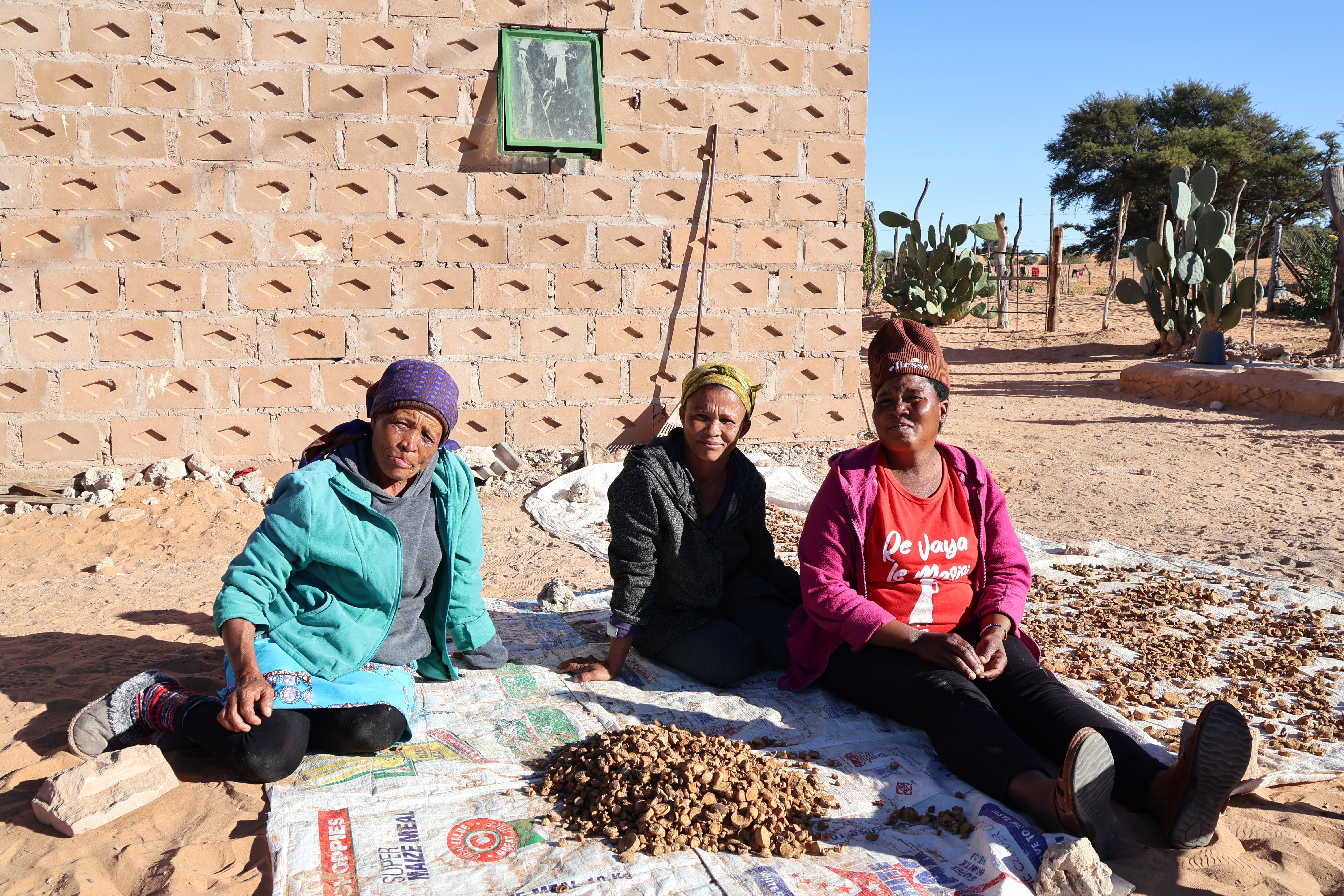
The research particularly focused on the escalating challenges posed by extreme temperature fluctuations – both intense cold and heat – coupled with an increasingly precarious water scarcity. A critical element of Cooper’s investigation also delves into the observed existence and subsequent disappearance of certain traditional medicinal plants, a phenomenon directly linked to environmental shifts. These are precisely the kinds of subtle yet devastating changes that often elude mainstream reporting, yet they profoundly influence the cultural fabric and survival strategies of Indigenous populations.
"Namakhoen Voices In A Shifting Climate": A Documentary Unveiled
The culmination of Cooper’s fellowship is a compelling 24-minute documentary film titled "Namakhoen Voices In A Shifting Climate." This cinematic work serves as a powerful testament to the resilience and adaptability of Indigenous communities in the face of unprecedented environmental change in the Kgalagadi Desert. Through a rich tapestry of interviews, evocative landscape imagery, and authentic community narratives, the film illustrates how Indigenous wisdom and time-tested knowledge continue to inform and guide adaptation strategies in one of the world’s most challenging environments.
Beyond the immediate impacts of climate change, the documentary also provides crucial historical context. It explores the enduring legacy of displacement experienced by communities such as the Namakhoen, a consequence of historical conflicts, including the German-Nama Genocide wars of the early twentieth century. This historical trauma, intertwined with contemporary environmental pressures, creates a complex socio-ecological landscape that demands urgent global attention.
Community Engagement and Knowledge Preservation
A cornerstone of the Cultural Survival fellowship is the imperative for fellows to engage directly with their communities. Cooper’s project actively embraces this by organizing local screenings of the documentary and facilitating community discussions in Namakhoen-based villages. These gatherings are designed to foster spaces for reflection on environmental changes and to collectively brainstorm and share strategies for climate adaptation.
Furthermore, Cooper’s initiative incorporates sophisticated data visualization tools, including maps and graphics. These visual aids, developed in close consultation with environmental experts from relevant government departments and other stakeholders, aim to clearly illustrate prevailing climate patterns affecting the Kgalagadi region. This data-driven approach, when coupled with traditional knowledge, provides a holistic understanding of the challenges and potential solutions.
Amplifying Indigenous Narratives on a Global Stage
The fellowship also extends its support to the dissemination of the documentary and related journalistic works through diverse media platforms and film festivals. The overarching goal is to ensure that Indigenous perspectives are not only heard but are also integrated into broader local and international discourse. Short video clips and storytelling segments are being shared, and will continue to be shared beyond the fellowship’s term, on popular social media platforms such as YouTube and TikTok. This strategic dissemination aims to amplify Indigenous voices in the global conversation surrounding climate change, human rights, and sustainable development.
A Legacy of Advocacy and Cultural Preservation
For Nichodimas Cooper, this fellowship transcends mere professional accomplishment; it represents a vital continuation of his lifelong mission. His dedication to protecting Namakhoen heritage, documenting invaluable Indigenous knowledge, and ensuring that the profound stories of Kgalagadi communities resonate far beyond the desert landscape is unwavering.
Cooper’s extensive background as a heritage advocate and aspiring filmmaker positions him as a leading voice in climate justice activism within Botswana. He has a proven track record of utilizing storytelling as a potent tool for advocacy, championing marginalized voices while simultaneously promoting cultural resilience and advocating for sustainable development. His past endeavors include organizing cultural festivals, establishing community-led museums, leading research expeditions, forging alliances with international organizations such as the Commonwealth Association of Museums and the International Communities Organization, and actively participating in global forums like the UNFCCC Conference of the Parties (COP) and the United Nations Permanent Forum on Indigenous Issues.
His fellowship work specifically highlights the extraordinary resilience of the Nama Peoples in the face of escalating environmental shifts. It underscores their deep-rooted connection to the land and the sophisticated Traditional Knowledge they possess for the sustainable management of natural resources, knowledge that is increasingly critical in a changing world.
Broader Implications and Future Outlook
The work undertaken by Nichodimas Cooper through the Cultural Survival fellowship carries significant implications for understanding and addressing climate change. By centering Indigenous voices and knowledge, the project offers alternative perspectives to mainstream scientific and policy-driven approaches. The emphasis on traditional ecological knowledge systems, honed over generations of living in close harmony with the environment, provides valuable insights into sustainable resource management and adaptation strategies that are often overlooked.
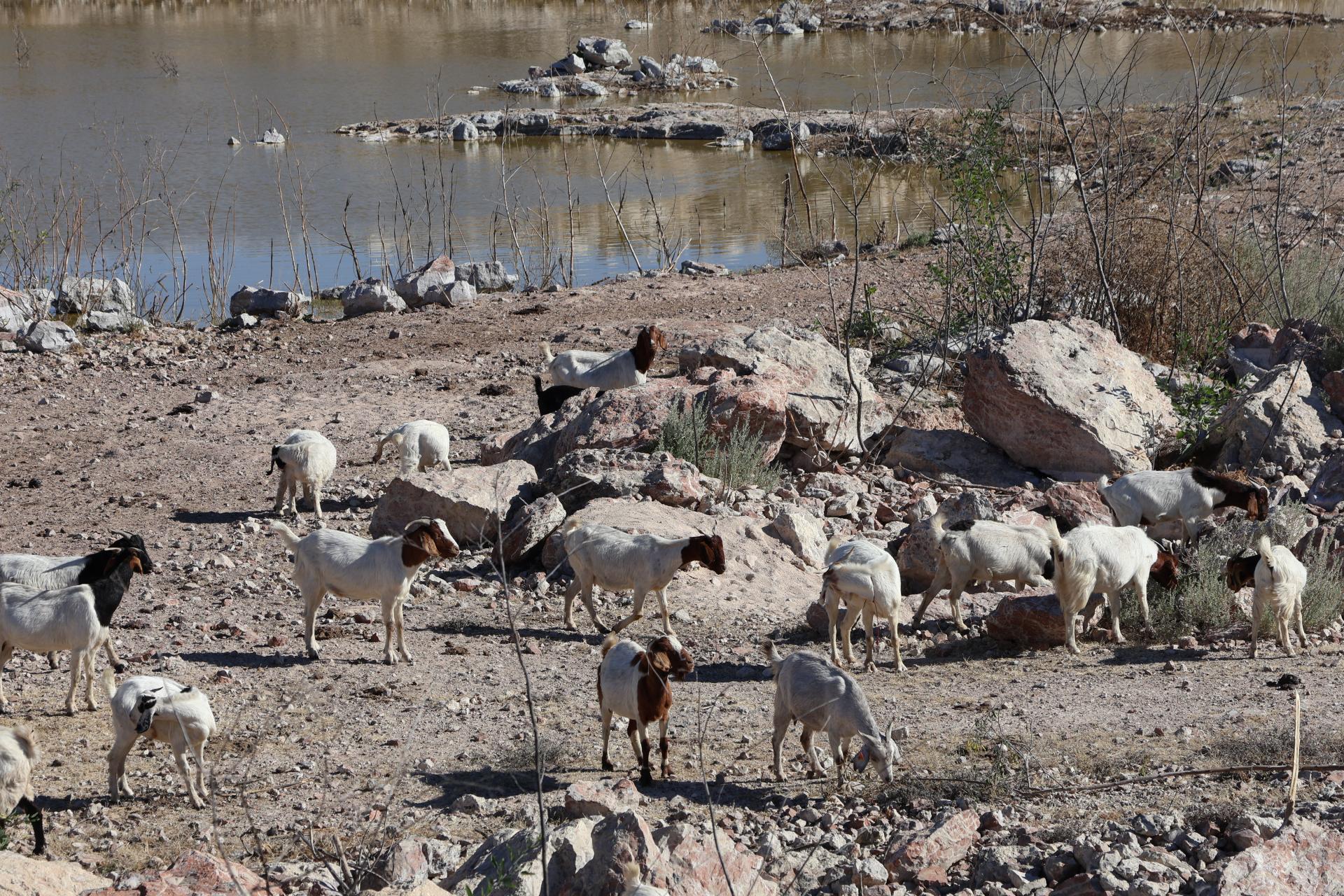
The Kgalagadi region, characterized by its arid and semi-arid climate, is particularly vulnerable to the impacts of global warming. Rising temperatures, altered rainfall patterns, and increased desertification pose existential threats to traditional livelihoods dependent on pastoralism and foraging. Cooper’s documentation of these changes serves as a critical early warning system, providing empirical evidence of climate impacts at the local level.
The fellowship’s focus on community-led dissemination also holds promise for fostering greater local agency and empowering communities to advocate for their own needs and solutions. By equipping Indigenous storytellers with the resources and platforms to share their experiences, organizations like Cultural Survival are playing a crucial role in democratizing information and challenging dominant narratives.
The project’s integration of both traditional knowledge and modern data visualization tools represents a powerful synergy. This approach can inform policy-making by providing a more nuanced and culturally relevant understanding of climate impacts and adaptation needs. It also offers a model for other Indigenous communities facing similar environmental challenges globally.
As climate change continues to be one of the defining issues of the 21st century, the contributions of Indigenous journalists like Nichodimas Cooper are indispensable. Their firsthand accounts and deep understanding of their environments offer invaluable perspectives that can inform more effective, equitable, and sustainable solutions for a rapidly changing planet. The "Namakhoen Voices In A Shifting Climate" documentary and associated projects are poised to become vital resources for researchers, policymakers, and the global public alike, fostering greater empathy and driving action for climate justice and the preservation of Indigenous cultures.