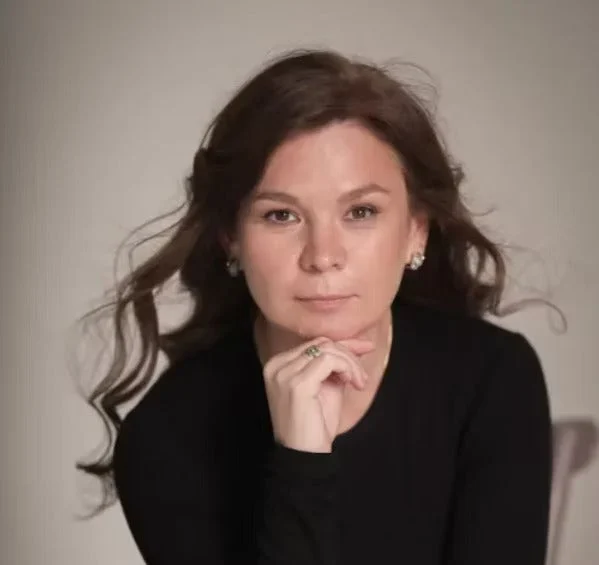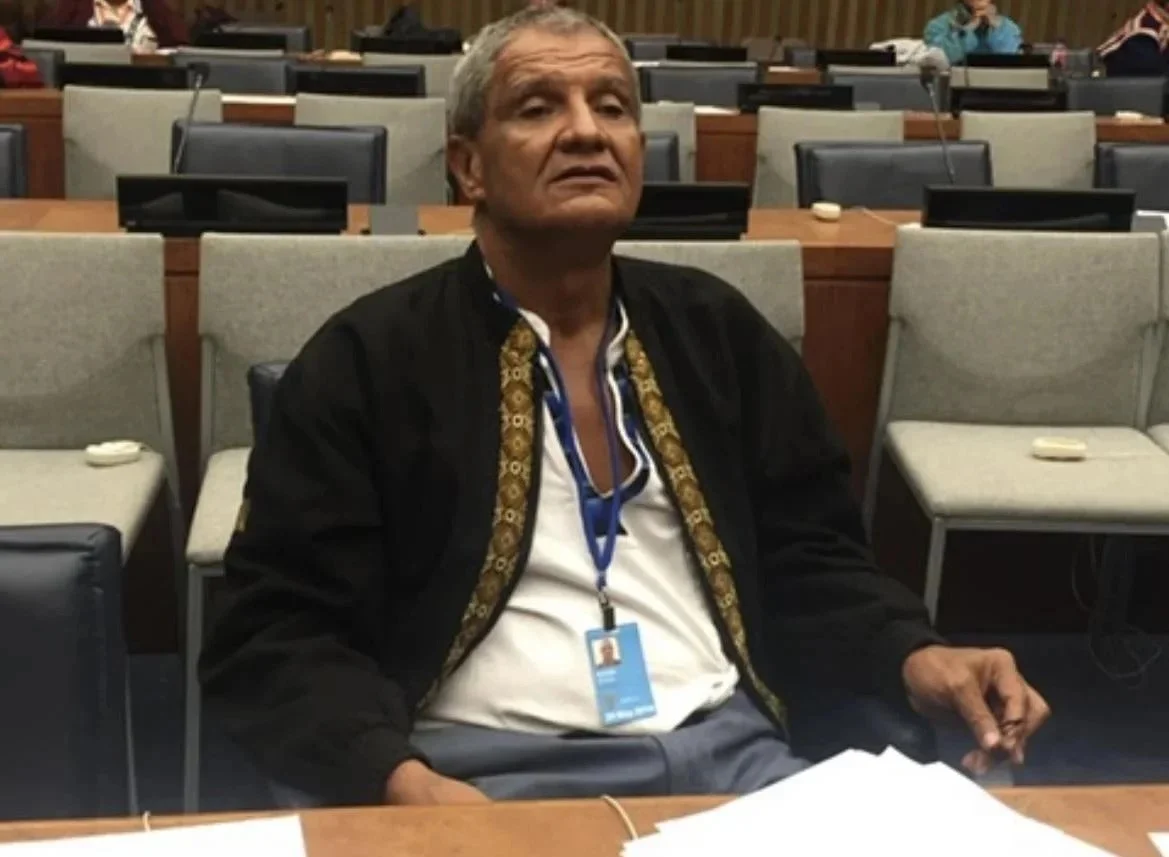
The grief of Tininiska Rivera, daughter of the late Miskitu Indigenous leader Brooklyn Rivera, is palpable, a potent blend of sorrow over her father’s death in captivity and searing anger at the treatment he endured, culminating in a hasty, family-absent burial. "They kidnapped him two times, once in 2023, and they kidnapped his body when he died," Tininiska stated, her voice resonating with the pain of a daughter denied closure and a people denied their rightful leader. Brooklyn Rivera, a pivotal figure in the Miskitu struggle for autonomy and a former representative in Nicaragua’s National Assembly, died on May 30, 2024, under circumstances that continue to draw international scrutiny.
Rivera’s family had envisioned a traditional Miskitu burial in Sandy Bay, on the Caribbean Coast, beside his mother, Pulcida. This final wish, however, was brutally overridden by the government of Co-Presidents Daniel Ortega and Rosario Murillo. Instead of honoring the family’s pleas, the Sandinista government reportedly took Rivera’s body from the hospital and conducted an "express" burial in a nearby cemetery, devoid of the cultural and familial rituals that were so central to his identity and legacy.
The government’s actions have been met with widespread condemnation from human rights organizations, international bodies, and governments including the United States and the European Union. The timing of these events is particularly sensitive, following the government’s release of images of a severely emaciated Rivera, clearly weakened and reliant on life support. These images surfaced after an international outcry demanding information about his deteriorating health. Tininiska Rivera vehemently refutes the government’s narrative, asserting, "He was perfectly healthy when they kidnapped him." This stark contrast between the government’s portrayal of his condition and his daughter’s account fuels the growing suspicion surrounding his demise.
A Government’s Grip: Detentions and Disinformation
The government’s control extended beyond Rivera’s final moments. Following his death, a group of his relatives and close family friends—including an aunt, a cousin, his wife, a female cousin, a niece, and a family friend—attempted to claim Rivera’s remains. Instead of facilitating their request, the Sandinista authorities detained them. Tininiska Rivera expressed grave concern for their safety, predicting, "They are going to fabricate some kind of charge against them." This suggests a pattern of repression aimed at silencing dissent and preventing any organized opposition or public mourning.
The official announcement of Brooklyn Rivera’s death on May 31, 2024, offered a narrative that was immediately challenged by his daughter and supporters. The government described him as their "brother" and claimed his death was due to medical complications following a COVID-19 infection. Tininiska Rivera found this characterization deeply offensive and manipulative. "That’s the dirtiest thing a government official could have said, to call him ‘brother.’ Only his people, the people whom he fought and struggled for all his life, have the right to call him ‘brother,’" she declared. Furthermore, the government’s assertion that "family" was by his side was unequivocally denied by Tininiska, who stated, "That’s what they say, but that’s not true." This deliberate dissemination of what appears to be misinformation underscores the government’s efforts to control the narrative surrounding Rivera’s death and imprisonment.
The Miskitu Struggle: A Legacy Under Siege
Brooklyn Rivera was not merely a political figure; he was a symbol of the Miskitu people’s enduring fight for their rights, autonomy, and ancestral lands on Nicaragua’s Caribbean Coast. The Miskitu, the largest indigenous group in the region, inhabit areas such as Bilwi (Puerto Cabezas), the Rio Coco (Wangki) region, and numerous coastal and river communities, representing a population of approximately 150,000 individuals.
Rivera’s political journey was intrinsically linked to this struggle. He co-founded the YATAMA party in the 1980s during a period of intense conflict between the Miskitu and the Sandinista government. His leadership in Miskitu guerrilla resistance against government incursions in the 1980s was instrumental in achieving a degree of autonomy, culminating in the Central American Peace Accords of August 7, 1987. Following the accords, Rivera and fellow Miskitu leader Steadman Fagoth established YATAMA as a political force. Rivera even served in the Violeta Chamorro administration as the minister of autonomous development, a testament to his influence and the nascent recognition of Miskitu rights.
However, the political landscape shifted dramatically with the Sandinista National Liberation Front (FSLN) and Daniel Ortega’s return to power in 2007. Rivera was elected as a YATAMA representative in the National Assembly, a position he held until April 2023. It was during this period that he took his concerns directly to the international stage, addressing the United Nations. There, he unequivocally condemned the government for its failure to protect the Miskitu people from the encroaching "colonos"—settlers from the Pacific Coast who have systematically dispossessed indigenous communities of their land for agricultural and lumbering purposes. He also denounced the government’s allowance of foreign interests, particularly Chinese entities, to engage in mining on Miskitu territories, further exacerbating land disputes and environmental degradation.
Upon his return to Nicaragua in September 2023, Rivera was immediately detained by the Ortega-Murrillo regime. This arrest marked a severe escalation of government pressure. In October 2023, the Supreme Electoral Council, an institution widely seen as aligned with the government, revoked YATAMA’s official standing, effectively banning the party and stripping the Miskitu population of their primary political voice. This move forced many YATAMA members into hiding or exile, and Rivera’s family endured agonizing uncertainty as they fruitlessly sought proof of his well-being.
A Timeline of Repression and Loss
The events leading to Brooklyn Rivera’s death and the subsequent dismemberment of his political movement can be traced through a series of critical junctures:
- 1980s: Brooklyn Rivera emerges as a key leader in the Miskitu struggle for autonomy, participating in armed resistance against the Sandinista government.
- August 7, 1987: The Central American Peace Accords are signed, offering a framework for peace and the recognition of indigenous rights.
- 1988: Rivera and Steadman Fagoth found the YATAMA party. Rivera later serves as Minister of Autonomous Development under President Violeta Chamorro.
- 2007: Daniel Ortega and the FSLN return to power. Rivera is elected as a YATAMA representative in the National Assembly.
- April 2023: Rivera travels to the United Nations to denounce the government’s failure to protect Miskitu lands from colonos and foreign mining interests.
- September 2023: Rivera returns to Nicaragua and is promptly arrested by the Ortega-Murrillo regime.
- October 4, 2023: The Supreme Electoral Council revokes YATAMA’s official standing, effectively banning the party. Party members face persecution and displacement.
- May 30, 2024: Brooklyn Rivera dies in government captivity.
- May 31, 2024: The Nicaraguan government announces Rivera’s death, claiming it was due to medical complications from COVID-19 and referring to him as their "brother."
- Post-May 31, 2024: Rivera’s family and supporters are denied access to his body, and he is buried in a hasty, unauthorized ceremony. International condemnation and calls for an independent investigation intensify.
International Scrutiny and Calls for Accountability
The international community’s response to Brooklyn Rivera’s death has been swift and largely critical of the Nicaraguan government. Statements from human rights organizations, the United Nations, and governments such as the United States and the European Union have unequivocally blamed the Sandinista regime for his demise. These entities have consistently called for an independent investigation into the circumstances of his disappearance, captivity, and death. The lack of transparency and the government’s evasive tactics have only amplified these demands.
The revocation of YATAMA’s legal status is seen as a deliberate attempt to dismantle indigenous political representation and silence any opposition within the autonomous regions. With the government having reportedly occupied the region with soldiers, Tininiska Rivera highlights the impossibility of convening an assembly to elect a new representative for the 400 communities. This effectively leaves the Miskitu population without a formal voice to advocate for their rights and interests.
The Path Forward: Justice and Remembrance
Despite the immense challenges and the government’s efforts to suppress his legacy, Tininiska Rivera remains resolute in her pursuit of justice for her father. She plans to continue advocating through international forums, seeking legal recourse in both Nicaraguan and international courts. "I’m going to go ahead and continue to try to get justice for him," she stated, underscoring her unwavering commitment. Furthermore, she intends to hold a religious service for her father in her country of exile, a testament to her determination to honor his memory and ensure his struggle is not forgotten.
The case of Brooklyn Rivera is a stark reminder of the ongoing human rights crisis in Nicaragua, particularly the systematic repression of indigenous communities and political opponents. The unanswered questions surrounding his death, the disrespect shown to his final wishes, and the dismantling of his political party underscore the urgent need for international attention and sustained pressure for accountability. The legacy of Brooklyn Rivera, a champion for Miskitu rights and autonomy, now rests in the hands of those who continue to fight for justice in the face of authoritarianism.
John McPhaul is a Costa Rican-American writer.