The Central Statistics Office (CSO) has released the findings of its 2025 Survey on Income and Living Conditions (SILC), revealing a significant and troubling increase in poverty rates among Ireland’s older population. The data, published in March 2026, indicates that senior citizens, particularly those residing in single-person households, are facing an unprecedented risk of financial instability and material hardship. Age Action, the leading advocacy organization for older people in Ireland, has responded to these figures with grave concern, noting that the temporary relief provided by one-off cost-of-living measures in previous years has failed to address the systemic issues underlying elder poverty. As the nation grapples with shifting demographics and economic fluctuations, the 2025 SILC report serves as a stark indicator of the widening gap between the state’s most vulnerable citizens and the broader national economic trajectory.
The 2025 SILC Findings: A Deep Dive into the Statistics
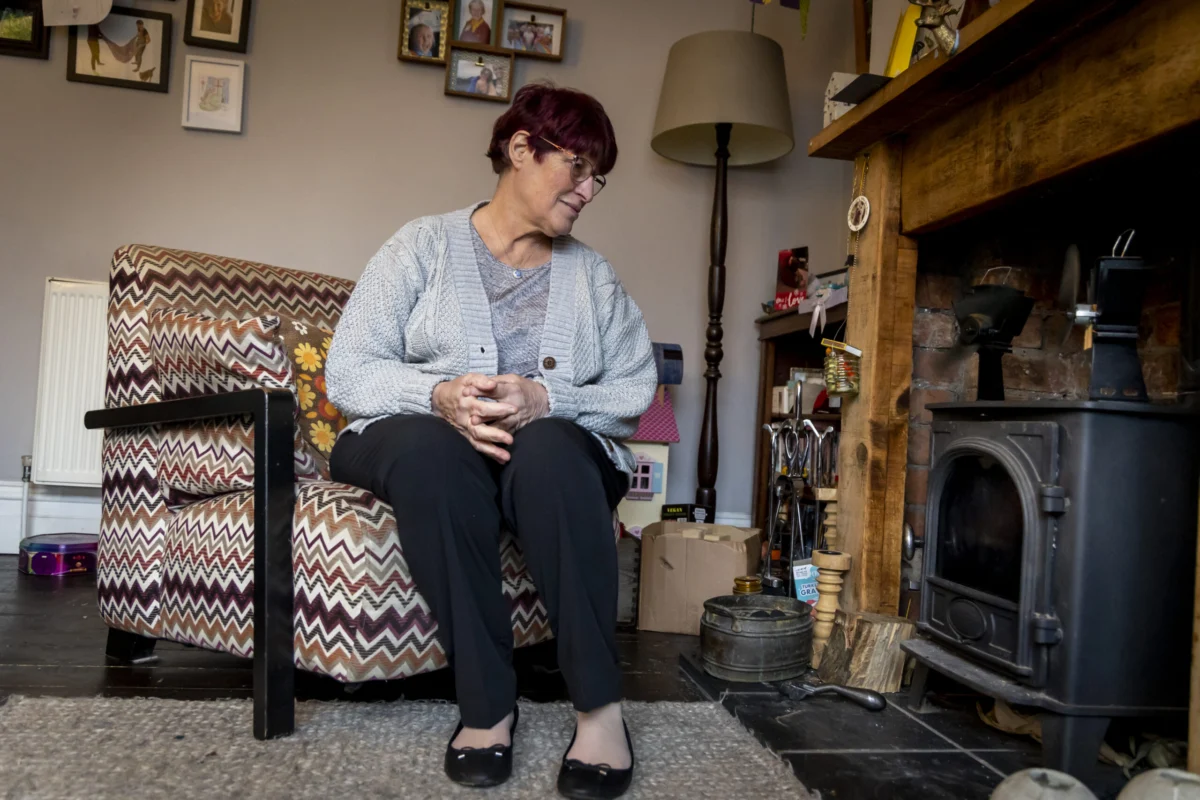
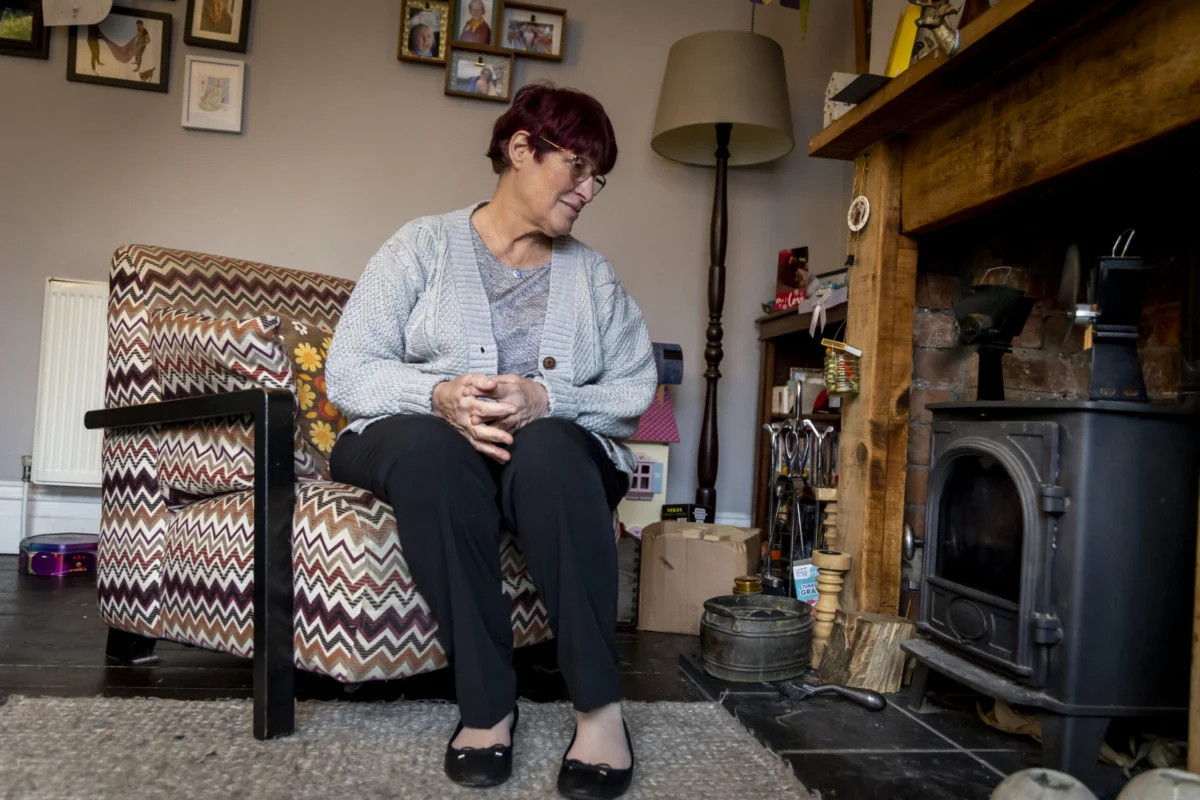
The 2025 CSO data paints a granular picture of the economic challenges facing the over-65 demographic. According to the report, older people living alone experienced the highest rate of income poverty across all surveyed social groups in 2025, reaching a staggering 30.3%. This represents a 4.4 percentage point increase from the 2024 figures. To put this in a broader context, the income poverty rate for older individuals living alone is now nearly two and a half times the national average. This disparity highlights a growing trend where the economic "rising tide" is failing to lift the boats of those on fixed incomes, specifically the State Pension.
Income poverty, often referred to as being "at risk of poverty," is defined as having an equivalised disposable income below 60% of the national median. For many older people, particularly those without private pensions or significant savings, the State Pension remains their primary or sole source of income. When the cost of essential services—such as energy, healthcare, and transport—outpaces the annual increases in the pension, these individuals fall below the poverty threshold. The 2025 data suggests that the current welfare protections are insufficient to shield the aging population from inflationary pressures.
Understanding Enforced Deprivation and Consistent Poverty
The CSO report distinguishes between income poverty and "enforced deprivation," the latter of which measures the practical ability of a household to afford basic necessities. The 2025 findings show that almost one in five older people living alone (18.3%) were forced to go without essential items because they could not afford them. These items include basic requirements such as adequate heating, nutritious food, or the replacement of worn-out furniture and clothing. Even among couples where at least one person is aged 65 or older, the rate of enforced deprivation stood at 9.8%, or approximately one in ten households.
The most severe metric tracked by the CSO is "consistent poverty," which occurs when an individual experiences both income poverty and enforced deprivation simultaneously. The 2025 survey found that 9.8% of older people living alone were in consistent poverty. This indicates that nearly one-tenth of the single-occupancy elderly population is not only living on an income below the poverty line but is also actively lacking the basic resources required for a dignified standard of living. This segment of the population is effectively trapped in a cycle of lack that affects their health, social participation, and overall well-being.
The Role of One-Off Measures and the Budget 2026 Critique
A critical component of the current debate surrounding elder poverty is the government’s reliance on temporary financial interventions. Camille Loftus, Head of Advocacy and Public Affairs at Age Action, pointed out that while one-off cost-of-living measures did provide a temporary buffer, they were not a sustainable solution. In 2025, these temporary measures reduced the poverty risk for older people by an estimated 5.9 percentage points. However, the transient nature of these payments means that their impact dissipates as soon as the funds are spent, leaving the underlying structural poverty unchanged.
The release of the 2025 data has brought the decisions made in Budget 2026 into sharp focus. Age Action and other advocacy groups have criticized the government’s failure to transition from these "sticking plaster" solutions to permanent, targeted measures. By failing to index the State Pension to a level that reflects the actual cost of living or to introduce permanent supplementary supports for those living alone, Budget 2026 has, according to Loftus, effectively set the stage for a further increase in poverty risks throughout 2026. The advocacy group argues that without a fundamental shift in how the social welfare system supports the elderly, the progress made by temporary payments will be entirely erased.
Chronology of Economic Pressures: 2024 to 2026
The current crisis did not emerge in a vacuum. To understand the 2025 figures, it is necessary to examine the economic timeline leading up to this point. In 2024, Ireland experienced significant inflationary spikes, particularly in the energy and food sectors. While the government responded with several "cost-of-living" packages, these were largely non-recurring. By the end of 2024, older people living on fixed incomes were already reporting a decrease in their purchasing power.

Entering 2025, the compounding effect of sustained high prices began to manifest in the SILC data. Despite a stabilization in some economic sectors, the "lag effect" of inflation meant that older households had exhausted their modest savings. The 4.4 percentage point jump in poverty risk between 2024 and 2025 reflects this exhaustion of resources. As 2025 progressed, the calls for a substantial, permanent increase in the State Pension grew louder, culminating in the disappointment expressed by NGOs following the announcement of Budget 2026 in the latter half of 2025. The March 2026 release of the official 2025 data serves as the empirical evidence supporting the warnings issued by advocates throughout the previous year.
Broader Implications for Health and Social Services
The rise in elder poverty has implications that extend far beyond the financial balance sheets of individual households. There is a well-documented correlation between poverty and poor health outcomes, particularly among the elderly. Enforced deprivation, such as the inability to heat a home or afford a healthy diet, directly contributes to the prevalence of respiratory issues, cardiovascular disease, and malnutrition. When older people cannot afford to maintain their health at home, the burden shifts to the national healthcare system (HSE), leading to increased hospital admissions and a higher demand for emergency services.
Furthermore, the "living alone" factor adds a layer of social isolation to the economic hardship. Financial constraints often prevent older people from participating in community activities, using public transport, or maintaining social connections, all of which are vital for mental health. The 30.3% poverty rate for those living alone is therefore not just a financial statistic; it is a marker for potential increases in loneliness and mental health struggles among Ireland’s senior population.
The Demographic Context: Ireland’s Aging Population
The 2025 SILC data arrives at a time when Ireland is undergoing a significant demographic shift. The proportion of the population aged 65 and over is increasing rapidly. According to Department of Finance projections, the number of people in this age bracket is expected to double over the next 30 years. This "silver tsunami" poses a challenge for the sustainability of the State Pension and the healthcare system.
If the current trend of rising poverty among the elderly is not arrested, the social and economic cost of supporting this demographic will escalate. Advocates argue that investing in a robust, poverty-proof pension system now is more cost-effective than dealing with the long-term consequences of widespread elder deprivation. The 2025 data suggests that the current "triple lock" or ad-hoc pension increases are not keeping pace with the specific needs of older people, particularly the "hidden costs" of aging, such as home maintenance and increased care needs.
Stakeholder Reactions and Policy Recommendations
In addition to Age Action’s vocal criticism, other social justice organizations have echoed the call for reform. Groups such as ALONE and the Society of St. Vincent de Paul (SVP) have noted an increase in requests for assistance from older people who are unable to meet basic utility bills. These organizations argue that the "Living Alone Allowance" must be significantly increased to account for the fact that single-occupancy households do not benefit from economies of scale in heating, electricity, and waste disposal.
Policy recommendations from these stakeholders focus on three main pillars:
- Benchmarking the Pension: Linking the State Pension to a percentage of average earnings or a Minimum Essential Standard of Living (MESL) to ensure it provides a dignified existence regardless of inflation.
- Permanent Energy Supports: Replacing one-off energy credits with a permanent, means-tested fuel allowance that reflects the true cost of heating a home throughout the winter months.
- Housing Security: Addressing the rising number of older people in the private rental sector, who are particularly vulnerable to poverty due to high rents and lack of security of tenure.
Conclusion: A Call for Structural Change
The 2025 Survey on Income and Living Conditions provides a sobering look at the reality of aging in modern Ireland. The fact that nearly one-third of older people living alone are at risk of poverty, and one in ten live in consistent poverty, is a significant indictment of the current social protection framework. While the government’s use of one-off measures provided a temporary reprieve, the 2025 data proves that these are insufficient to combat the structural causes of financial hardship.
As the findings are analyzed by policymakers and the public alike, the focus remains on whether the government will heed the warnings of Camille Loftus and Age Action. The failure to implement permanent, targeted measures in Budget 2026 suggests a disconnect between economic policy and the lived experience of the nation’s seniors. Moving forward, the challenge for the Irish state will be to ensure that the "Golden Years" are not defined by deprivation and struggle, but by the security and dignity that a modern, prosperous society should provide to its oldest citizens. The 2025 report is not merely a collection of statistics; it is a call for a fundamental reassessment of how Ireland values and supports its aging population.