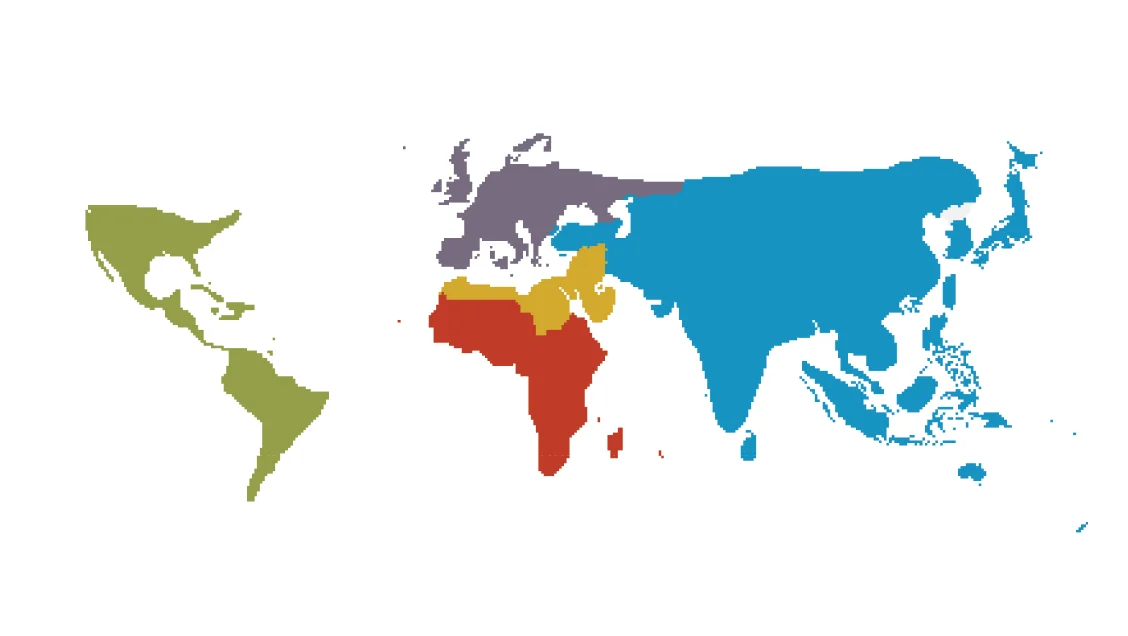
The landscape of religious freedom and the prevalence of religiously motivated hostilities have been a persistent concern for global observers and policymakers for over a decade. Pew Research Center’s latest comprehensive analysis, released on June 15, 2026, provides a granular look at these complex global patterns, examining restrictions imposed by governments as well as social hostilities originating from individuals and groups across 198 countries and territories. The report, titled “More Countries Had Elevated Levels of Social Hostilities Involving Religion in 2023,” builds upon more than a decade of tracking these trends, offering an updated perspective on the evolving challenges to religious freedom worldwide.
The interactive data visualization accompanying the report allows users to explore the specific restrictions in each country and observe how these levels have changed since 2007. This extensive dataset underscores the dynamic nature of religious persecution and discrimination, highlighting that the situation is not static but rather a fluid reflection of socio-political and cultural forces at play globally.
Understanding Government Restrictions and Social Hostilities
Pew Research Center meticulously distinguishes between two primary categories of religious restrictions: government restrictions and social hostilities involving religion. Government restrictions encompass a broad spectrum of actions, including the enactment of laws, the implementation of policies, and direct actions by state authorities that impinge upon the religious beliefs and practices of individuals and communities. These can range from outright bans on certain religious groups or practices to discriminatory legislation, surveillance, or the suppression of religious expression.
Conversely, social hostilities involving religion refer to actions taken by private individuals or groups within society that limit the religious practices of others. This category includes acts of religious-based harassment, intimidation, violence, discrimination in employment or housing, and the destruction of religious property by non-state actors. While government actions directly shape the legal and political environment for religious practice, social hostilities reflect the grassroots level of intolerance and conflict that can significantly impact the daily lives of religious adherents.
The distinction is crucial for understanding the multifaceted nature of religious repression. In some nations, state-sponsored restrictions may be the dominant form of religious suppression, while in others, widespread societal animosity and violence may pose the greater threat. The Pew report’s comprehensive data allows for a nuanced understanding of which of these factors, or combination thereof, is most prevalent in different regions and countries.
A Decade of Tracking: Trends and Transformations
The Pew Research Center’s commitment to tracking global religious restrictions began in 2007, providing a longitudinal perspective that is invaluable for identifying long-term trends. Over the years, the research has consistently highlighted the pervasive nature of religious restrictions and hostilities, with many countries experiencing significant fluctuations. The latest report, covering data up to 2023, reveals that the challenge to religious freedom remains a critical global issue.
The interactive tool allows users to pinpoint countries of interest and visualize their trajectory. For instance, a user might observe a country that has seen a marked increase in government restrictions over the past decade, perhaps due to a shift in political ideology or the rise of nationalist sentiments. Conversely, another country might show a decrease in social hostilities, potentially indicating successful interfaith dialogue initiatives or improved social cohesion.
The report’s accompanying full study, “More Countries Had Elevated Levels of Social Hostilities Involving Religion in 2023,” delves deeper into the findings. While the interactive tool provides a broad overview, the detailed report offers in-depth analysis, including specific country case studies and thematic discussions on the drivers of religious restrictions and hostilities. This comprehensive approach ensures that the research is not only descriptive but also analytical, providing insights into the underlying causes and consequences of these global trends.
Acknowledgements and Collaborative Effort
The development of such an extensive and detailed interactive report is a testament to a significant collaborative effort. The Pew Research Center acknowledges the contributions of a dedicated team of researchers and analysts. Among the key individuals involved in this project are Chris Baronavski, Alan Cooperman, Jeff Diamant, Vivian Jacobs, David Kent, Jess Ludwig, Samirah Majumdar, Anne Fengyan Shi, and Bill Webster. Their collective expertise in demographics, religion, and quantitative analysis has been instrumental in gathering, processing, and interpreting the vast amount of data.
For a complete list of contributors to the broader study, the report directs readers to an "Acknowledgments" section, underscoring the transparent and inclusive nature of their research methodology. This ensures that credit is given where due and allows interested parties to understand the full scope of the research team’s work.
Errata and Data Integrity
In the spirit of journalistic accuracy and academic rigor, the Pew Research Center also issued a correction on June 15, 2026, regarding minor discrepancies in the Global Restrictions on Religion (GRI) scores for six countries in 2017. These corrections, stemming from rounding discrepancies, resulted in small changes (no more than 0.1 point) to the scores. The errata page, readily accessible, provides a full list of these changes, demonstrating the organization’s commitment to maintaining the highest standards of data integrity. Such corrections, while minor, are vital for ensuring the reliability of the data upon which researchers, policymakers, and the public rely.
Broader Implications and the Global Fight for Religious Freedom
The findings presented by Pew Research Center have significant implications for understanding the state of human rights and religious freedom globally. Elevated levels of government restrictions and social hostilities can lead to a range of detrimental outcomes, including:
- Internal Displacement and Migration: Individuals and communities facing severe religious persecution are often forced to flee their homes, leading to internal displacement and international migration, creating humanitarian crises and straining resources in host countries.
- Social Fragmentation and Conflict: Widespread religious intolerance can exacerbate existing social tensions, leading to increased intergroup conflict, radicalization, and even violence. This can destabilize entire regions and undermine peacebuilding efforts.
- Economic Stagnation: Discrimination against religious minorities can hinder their full participation in the economy, leading to lost talent, reduced innovation, and overall economic underperformance. Furthermore, countries with high levels of religious restriction may be perceived as less stable and attractive for foreign investment.
- Erosion of Democratic Norms: The suppression of religious freedom often goes hand-in-hand with the erosion of other fundamental freedoms, such as freedom of speech, assembly, and association. Countries that restrict religious practice are often characterized by authoritarian governance and a lack of accountability.
- International Relations and Diplomacy: Persistent religious restrictions can strain international relations, leading to sanctions, diplomatic pressure, and condemnation from international bodies and individual nations committed to human rights.
The data from Pew Research Center serves as a critical tool for advocacy groups, governments, and international organizations working to promote religious freedom. By identifying hotspots and understanding the specific nature of restrictions, these stakeholders can tailor their interventions, advocate for policy changes, and provide targeted assistance to those most affected. The report’s emphasis on both government actions and social hostilities allows for a more comprehensive approach, recognizing that effective solutions must address both state-level policies and societal attitudes.
Looking Ahead: The Path Towards Greater Religious Freedom
The Pew Research Center’s ongoing work provides an indispensable resource for anyone concerned with the state of religious freedom worldwide. As the report "More Countries Had Elevated Levels of Social Hostilities Involving Religion in 2023" highlights, the challenges are significant and persistent. However, by illuminating these trends with robust data and thorough analysis, Pew contributes to a greater understanding of the issues at stake. This understanding is the first step towards developing effective strategies to protect religious freedom, foster interfaith harmony, and build more just and peaceful societies for all. The interactive nature of their research empowers individuals to engage with the data, fostering greater awareness and encouraging informed action in the ongoing global effort to safeguard the fundamental right to believe and practice one’s faith freely.
The research is formally cited as: Pew Research Center. 2026. “Religious Restrictions Around the World.” doi: 10.58094/btnb-r624.