The history of the American LGBTQ+ rights movement is often told through the lens of singular, explosive events, yet the foundational strength of the community frequently resided in the private, enduring partnerships that navigated the perils of the mid-20th century. Among the most significant yet under-documented of these unions was the 26-year relationship between Stormé DeLarverie, a legendary performer and "protector" of Greenwich Village, and Diana "Debbie" Jenkins, a pioneering Black aerialist and showgirl. Their lives, documented through the detailed accounts of their "chosen daughter," Christy Henderson Jenkins, offer a profound look into the intersection of race, gender performance, and queer survival in Harlem from the 1940s through the dawn of the liberation era.
The Genesis of a 26-Year Union: Smalls’ Paradise and the Harlem Scene
Stormé DeLarverie and Diana met in 1943 at Smalls’ Paradise, a landmark of Harlem nightlife located at 2294 Seventh Avenue. At the time, Smalls’ was one of the few venues that maintained a racially integrated clientele, ranging from wealthy white businessmen associated with organized crime to the Black elite of the Harlem Renaissance’s waning years. While the club primarily catered to a heterosexual audience, it served as a critical incubator for drag performance and gender-nonconforming artists.
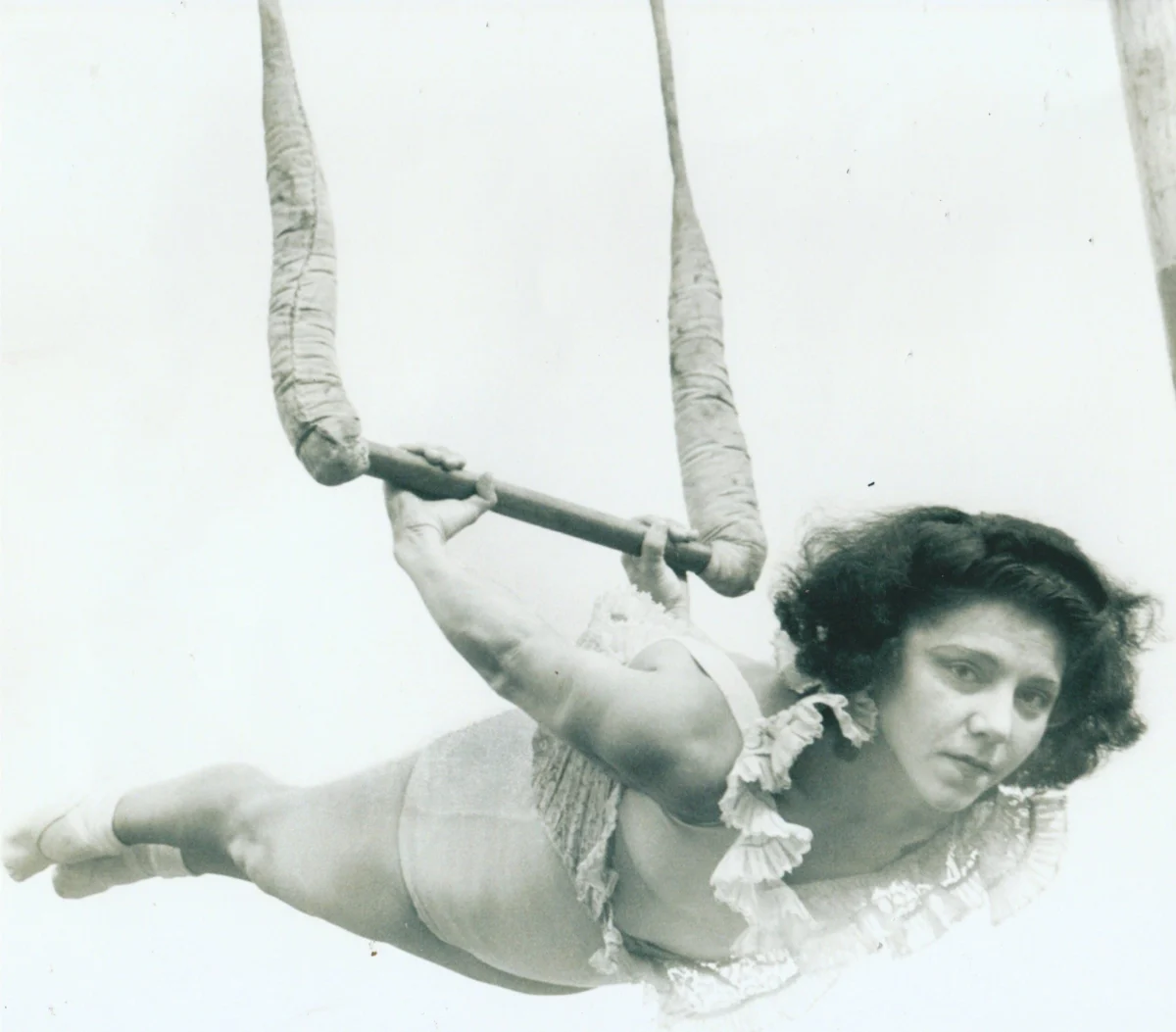
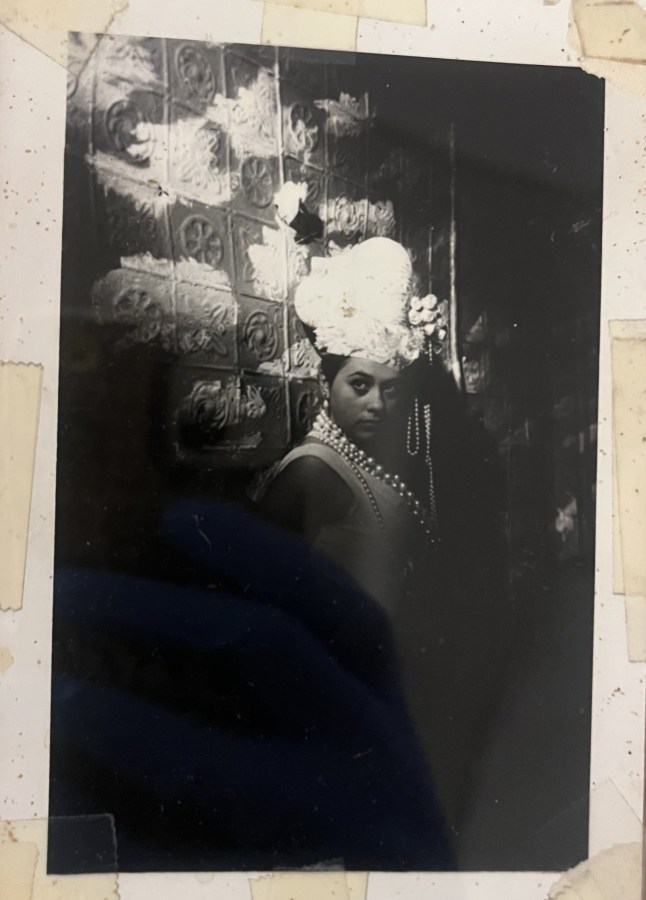
Diana, born Debbie, was an established figure in the New York entertainment circuit. A light-brown woman of mixed-race heritage who identified as African American, she was a trained gymnast and track athlete who had broken barriers as an aerialist for the Ringling Brothers and Barnum & Bailey Circus. Her professional pedigree included a performance at the 1939–1940 New York World’s Fair, a rare achievement for a Black woman in the Jim Crow era. By the time she met DeLarverie, she was leading the "Diana Dancers," a troupe of professional tap dancers that toured the city’s premier nightclubs.
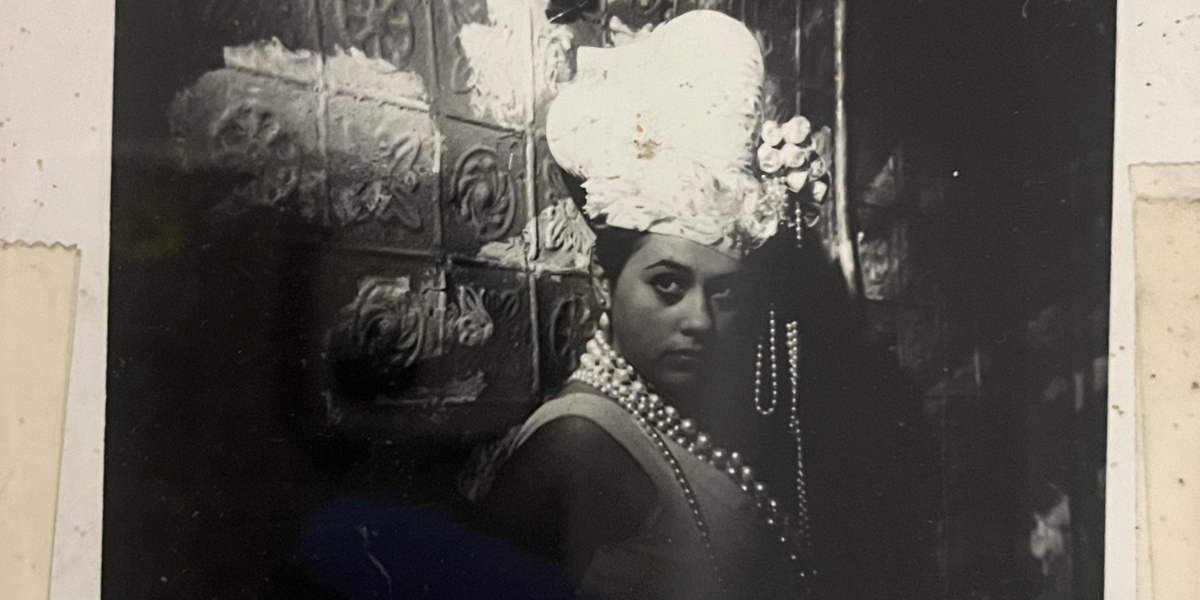
DeLarverie, born in 1920 in New Orleans to a Black mother and a wealthy white father, arrived in New York in the early 1940s. Initially marketed as a female vocalist in the vein of Lena Horne—briefly performing at the Cotton Club under the name "Stormy Dale"—DeLarverie found her true calling in masculine drag. According to family accounts, it was Diana who facilitated this transition, purchasing DeLarverie’s first suit and encouraging her to perform as a "male impersonator." This partnership was not merely romantic but served as a professional alliance that allowed DeLarverie to cultivate the "drag king" persona that would eventually lead her to the center stage of the Jewel Box Revue.
The Jewel Box Revue and the Politics of Gender Performance
From 1955 to 1969, DeLarverie served as the emcee and sole "male impersonator" for the Jewel Box Revue, the first racially integrated drag show in the United States. The Revue was a massive cultural undertaking, touring the "Chitlin’ Circuit" and playing prestigious venues like the Apollo Theater. In a period characterized by "masquerading laws"—statutes in many U.S. cities that required individuals to wear at least three pieces of clothing matching their assigned sex at birth—the Jewel Box Revue operated in a precarious legal gray area.
DeLarverie’s role was pivotal. Dressed in impeccably tailored suits, she provided a masculine counterpoint to the "femme" impersonators, often escorting them onto the stage. While the show was integrated, Black performers like DeLarverie and Christy Henderson Jenkins (who joined the troupe in 1967) often faced internal hierarchies. Despite these challenges, the Revue provided a level of visibility and economic stability that was otherwise unavailable to queer people of color.
For Diana, the success of the Jewel Box Revue was bittersweet. While she supported DeLarverie’s career, she remained largely "on the down low," fearing that her identity as a lesbian would jeopardize her work in mainstream entertainment or alienate her family. In public, the two often presented themselves as friends. When navigating "straight" spaces where their safety was at risk, DeLarverie would occasionally revert to feminine attire—utilizing a wig and dresses—to present the appearance of a traditional female friendship or, conversely, utilize her masculine presentation to pass as a heterosexual couple with Diana.
Economic Survival and Domesticity in Mid-Century Harlem
The stability of the DeLarverie-Jenkins household was maintained through a variety of entrepreneurial efforts. While DeLarverie’s income from the Jewel Box Revue was modest, Diana was the primary breadwinner for much of their lives. Together, they operated a cleaning and maintenance business that serviced affluent white households in New York. They also took on catering contracts, leveraging DeLarverie’s culinary skills and Diana’s organizational expertise.
Their domestic life at 125th Street and St. Nicholas Avenue served as a sanctuary for younger queer people who had been displaced by their biological families. Christy Henderson Jenkins, who fled to New York at age 15, was unofficially adopted by the couple in 1967. This "chosen family" structure was a common survival strategy in the Black queer community, providing a safety net that the state and traditional institutions refused to offer.
The couple’s home was a site of cultural and emotional nourishment. They hosted fellow musicians and performers, engaging in informal "jam sessions" and singing standards like "Let It Be Me." These moments of private joy stood in stark contrast to the external pressures of the era, which included the constant threat of "gay-bashing" and police harassment.
Intersectionality and the Civil Rights Context
The lives of DeLarverie and Diana were deeply intertwined with the broader struggle for Civil Rights. Both women faced the dual burden of racial segregation and homophobic discrimination. Diana, in particular, recounted traumatic experiences of being forced into rat-infested dressing rooms in white-owned theaters and having her performances canceled to make room for white acts.

A significant moment in their personal history occurred when Christy Henderson Jenkins shared a story regarding Dr. Martin Luther King Jr. In 1963, Jenkins’ biological mother had asked Dr. King how to handle her child’s gender-nonconforming behavior. Dr. King’s response—urging the mother to love and pray for the child as God intended—provided a rare sense of spiritual validation for Diana and DeLarverie. As Black women of faith, they had often felt they were living "against God’s will." This intersectional validation from a leader of Dr. King’s stature helped fortify their sense of self-worth and pride in their lifestyle.
The Stonewall Contradiction: Memory vs. History
One of the most debated aspects of Stormé DeLarverie’s biography is her role in the Stonewall Rebellion of June 1969. In her later years, DeLarverie frequently claimed to have been the "lesbian who fought back," punching a police officer and inciting the crowd to action. However, the testimony of Christy Henderson Jenkins provides a significant counter-narrative based on the timeline of Diana’s health.
In late 1968, Diana became terminally ill. By September 1969, DeLarverie had resigned from the Jewel Box Revue to become Diana’s full-time caregiver. According to Jenkins, DeLarverie was rarely away from Diana’s side during the summer of 1969, fearing she would lose her partner at any moment. Furthermore, Jenkins, who was arrested at the Stonewall Inn on the night of the riot, maintains that she did not see DeLarverie there, nor did DeLarverie mention the event in the subsequent years of their close relationship.
This discrepancy highlights the complexities of oral history within marginalized communities. Whether DeLarverie was present at the Stonewall Inn or whether her legacy as a "protector" of the Village led to her becoming a symbolic figurehead for the rebellion, her impact on the community remains undisputed. Her history of physical intervention to protect queer people from police harassment in Harlem and the Village is well-documented, even if her specific involvement on June 28, 1969, remains a point of historical contention.

Legacy and Historical Significance
Diana "Debbie" Jenkins passed away in the fall of 1970, leaving DeLarverie in a state of profound grief from which she never fully recovered. For the remainder of her life, which ended in 2014, DeLarverie carried a photograph of Diana in her wallet—a testament to a devotion that survived the harshest eras of American intolerance.
The story of Stormé and Diana is essential to the enrichment of LGBTQ+ history for several reasons:
- Pioneering Gender Performance: DeLarverie’s success as a drag king during the 1950s challenged the era’s rigid gender binaries and paved the way for modern masculine-of-center performance.
- The Role of Black Women in the Circus and Vaudeville: Diana’s career as an aerialist and troupe leader highlights the often-overlooked contributions of Black women to the physical arts and early 20th-century entertainment.
- Chosen Family as a Survival Mechanism: Their "adoption" of Christy Henderson Jenkins illustrates the vital role of "gay parents" in providing stability for queer youth decades before the concept was popularized in mainstream culture.
- The "Down Low" Experience: Their relationship provides a nuanced look at how queer couples of color navigated the "pre-Stonewall" era, balancing the need for privacy with a fierce internal pride.
Ultimately, the union of Stormé DeLarverie and Diana Jenkins serves as a reminder that the fight for equality was not only won in the streets but also maintained in the quiet, resilient homes of those who dared to love one another when the world demanded they remain invisible. Their legacy is a cornerstone of the Black queer experience, offering a narrative of endurance, professional excellence, and unwavering mutual respect.