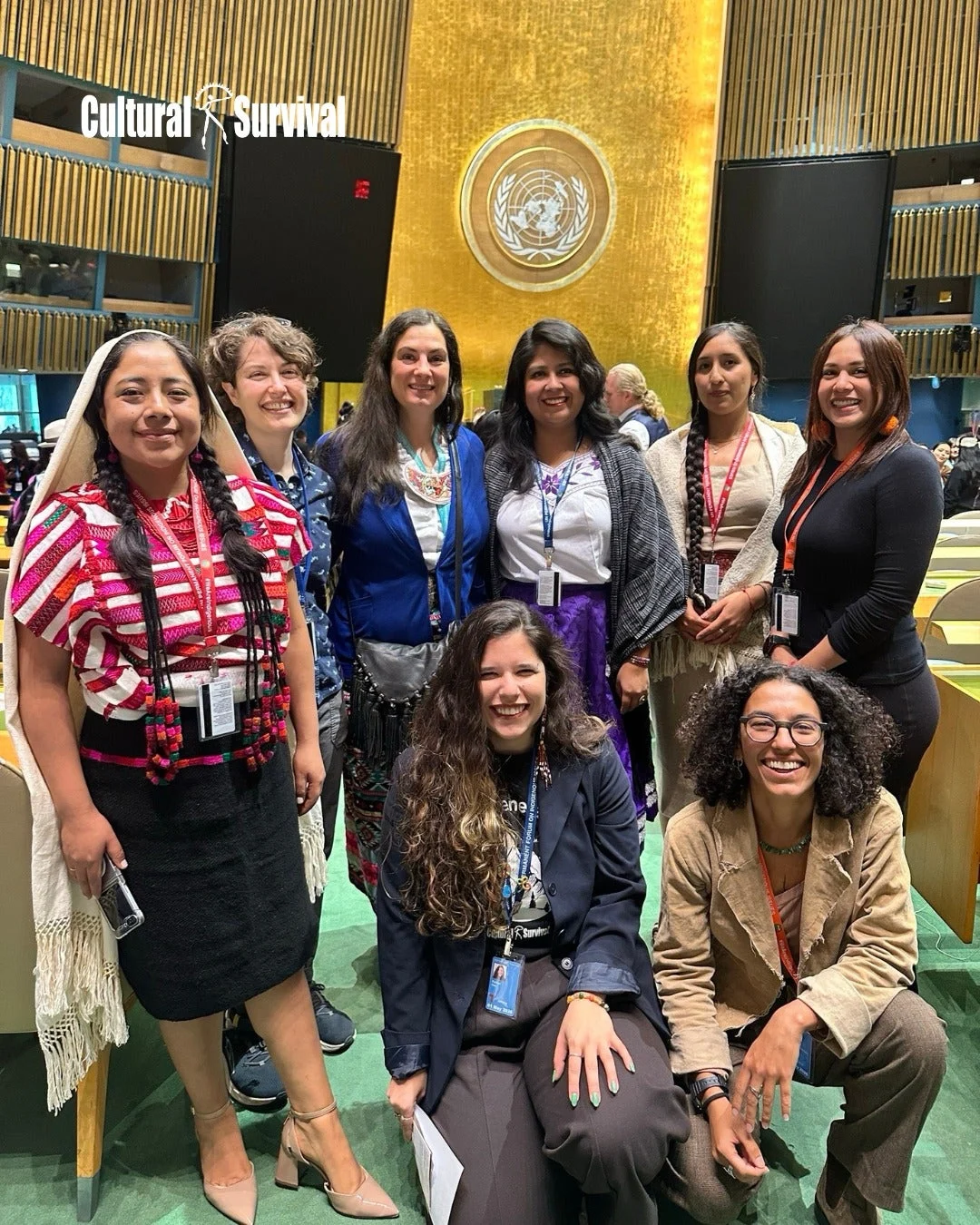
From April 20 to May 1, 2026, the global community convened for the 25th session of the United Nations Permanent Forum on Indigenous Issues (UNPFII), a pivotal gathering dedicated to addressing the multifaceted challenges faced by Indigenous Peoples worldwide. This year’s session centered on the critical theme of "Ensuring Indigenous Peoples’ health, including in the context of conflict," a topic of profound urgency given escalating global instability and the persistent historical marginalization of Indigenous communities. Despite facing significant funding cuts, visa processing delays, and broader geopolitical impediments to travel, over 1,000 delegates from diverse Indigenous nations and supporting organizations converged, underscoring the unwavering commitment to advocating for Indigenous rights and well-being. The significant turnout, even amidst these obstacles, amplified concerns regarding the inadequate implementation of the UN Declaration on the Rights of Indigenous Peoples (UNDRIP), a foundational document adopted by the UN General Assembly in 2007.
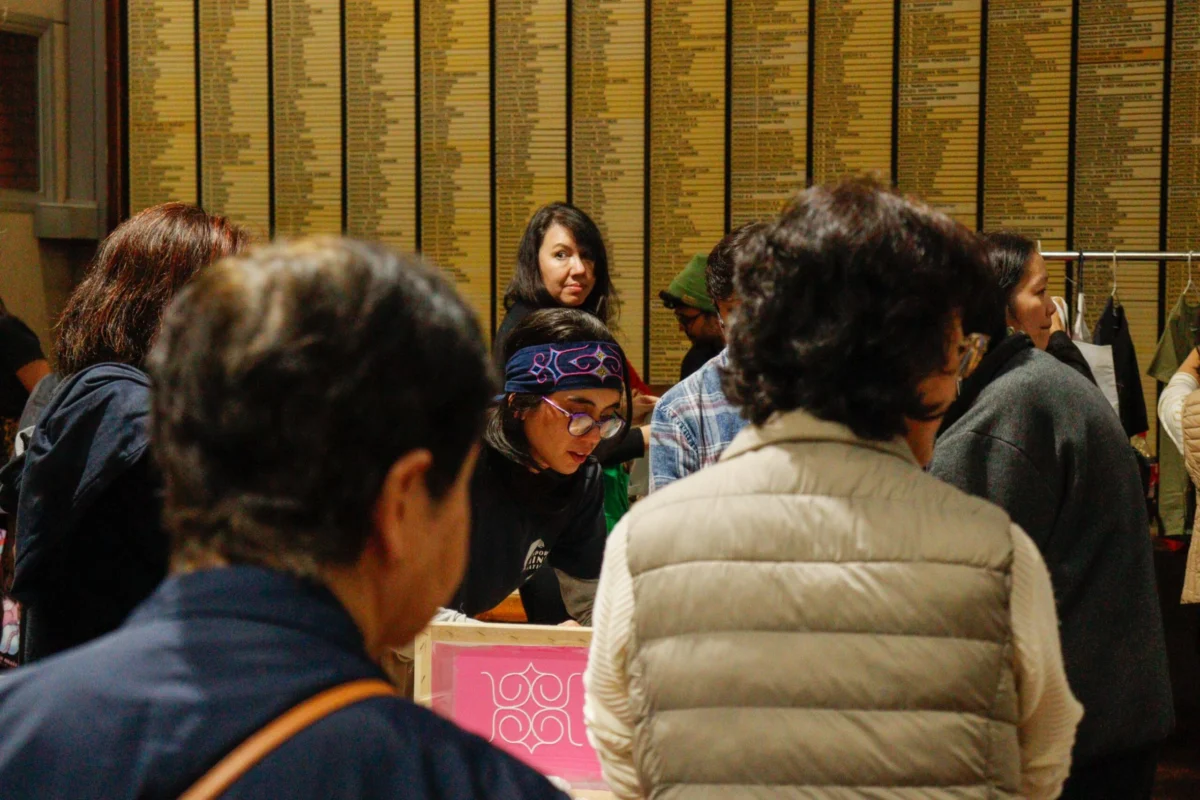
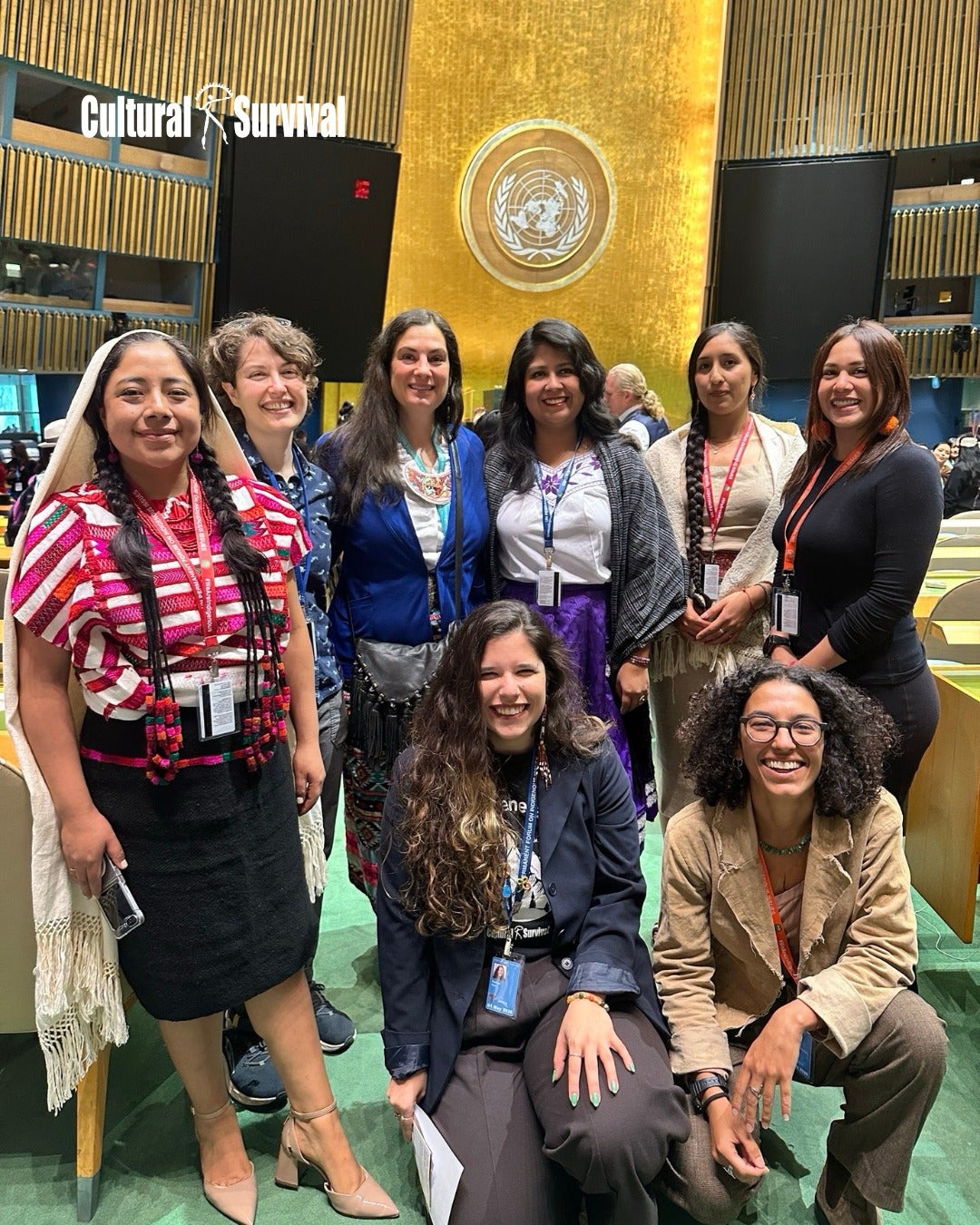
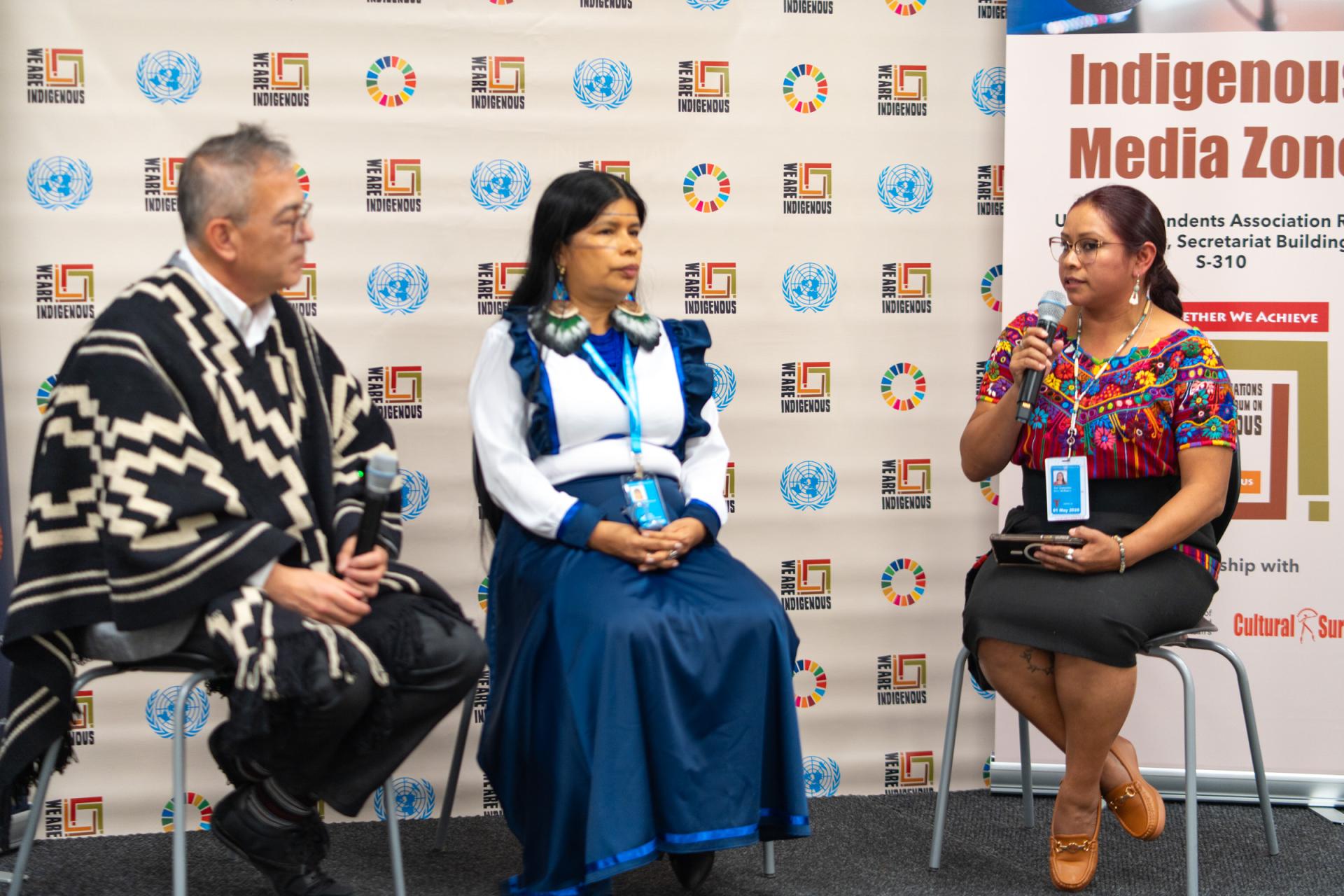
Cultural Survival, a long-standing advocate for Indigenous Peoples’ rights, played a crucial role in amplifying Indigenous voices and showcasing Indigenous-led solutions throughout the UNPFII session. The organization actively partnered with the UNPFII secretariat and the UN Department of Economic and Social Affairs (UNDESA) to manage the Indigenous Media Zone, a vital platform for disseminating Indigenous perspectives to a global audience. Furthermore, Cultural Survival co-hosted and facilitated numerous side events, parallel discussions, and workshops, providing a crucial space for dialogue and knowledge exchange. The organization also provided dedicated support to its fellows and grant partners, facilitating their advocacy efforts through curated events and strategic meetings with government representatives and key international experts. The collaborative spirit evident at the session was a testament to the collective efforts of all participants who engaged in meaningful dialogue and partnership.
The participation of a diverse cohort of Indigenous leaders and advocates was instrumental in bringing critical issues to the forefront of the UNPFII discussions. Among those supported by Cultural Survival were Samuel Stanely, Chairperson of the Indigenous Ink Network and Director of the Indigenous Youth Summit, whose insights on youth engagement in Indigenous health initiatives were invaluable. Sarai Timothy and Arlene Greist, representing the Iñupiat Ilitqusiat and serving as Elders from the Ambler Road Tribal Council in Alaska, shared crucial traditional knowledge and perspectives on community health. Jen Deer in Water (Cherokee), Founding Executive Director of Crushing Colonialism Magazine, contributed significantly to discussions on media representation and Indigenous narratives surrounding health. Margarita Diaz, a representative from the Wuxhtaj Council in Guatemala and a Maya Popti’ leader, highlighted the specific health challenges faced by her community. Rosa Fátima Mamani Quispe, a member of the Chimpu Warmi Network of Bolivia and an Indigenous Uru Murato representative, brought forth vital information on the intersection of Indigenous women’s health and community well-being. The presence of these individuals, among many others, ensured that the UNPFII sessions were grounded in the lived experiences and immediate concerns of Indigenous Peoples.
The Urgency of Indigenous Health in Conflict Zones
The overarching theme of the 25th UNPFII session, "Ensuring Indigenous Peoples’ health, including in the context of conflict," underscored a growing global recognition of the disproportionate impact of violence and instability on Indigenous communities. Historically, Indigenous Peoples have often been situated in regions rich in natural resources, making them vulnerable to land disputes, resource extraction conflicts, and the displacement that often accompanies these struggles. These conflicts not only disrupt traditional livelihoods and cultural practices but also have devastating consequences for physical and mental health. Factors such as forced migration, exposure to environmental toxins from resource exploitation, lack of access to culturally appropriate healthcare, and the psychological trauma of violence contribute to significant health disparities.
Data consistently shows that Indigenous populations experience higher rates of chronic diseases, lower life expectancies, and greater vulnerability to infectious diseases compared to non-Indigenous populations. The World Health Organization (WHO) has repeatedly highlighted the health inequities faced by Indigenous Peoples globally, often attributing them to a complex interplay of historical injustices, ongoing discrimination, poverty, and inadequate access to essential services. In conflict-affected regions, these pre-existing vulnerabilities are exacerbated. Indigenous communities often lack access to emergency medical services, face targeted violence, and suffer from the breakdown of social structures that support health and well-being. The deliberate or incidental targeting of Indigenous communities in armed conflicts, coupled with the destruction of their environments and traditional food sources, creates a public health crisis of immense proportions. The UNPFII’s focus on this theme was thus a timely call to action, demanding a comprehensive approach that integrates human rights, peacebuilding, and culturally sensitive healthcare strategies.
A Chronicle of Engagement and Advocacy
The 25th UNPFII session unfolded over two weeks, featuring a packed agenda of plenary sessions, expert panel discussions, and numerous side events. The Opening Ceremony, which set the tone for the forum, was followed by in-depth deliberations on the health challenges. Delegates engaged with UN officials, government representatives, and civil society organizations to chart a course for improved health outcomes.
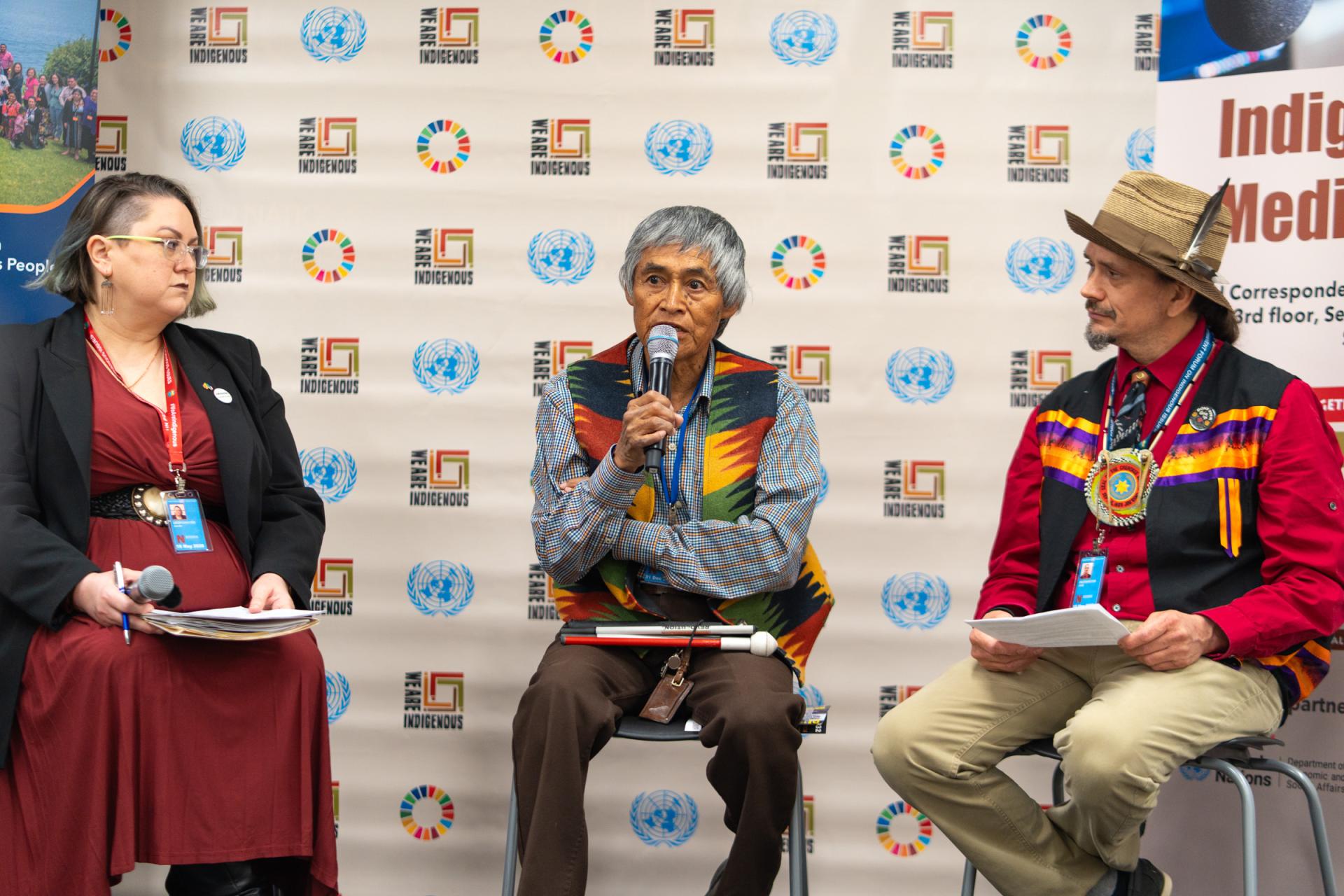
Throughout the session, the Indigenous Media Zone served as a dynamic hub for communication. Cultural Survival’s initiative facilitated live broadcasts, interviews, and public awareness campaigns, ensuring that the discussions within the UN halls reached a wider audience. The recordings of the Opening Ceremony and general sessions are made available on the UN Web TV platform, providing an accessible archive of the proceedings for ongoing reference and advocacy. This digital accessibility is crucial for holding stakeholders accountable and for informing ongoing efforts to advance Indigenous health rights.
The organization also prioritized parallel and side events, offering platforms for more focused discussions. These events provided opportunities for Indigenous Peoples to share specific case studies, present research findings, and engage in direct dialogue with policymakers. Cultural Survival’s co-hosting of these events underscores its commitment to fostering inclusive spaces where Indigenous voices can be heard and their proposed solutions can gain traction. The organization’s efforts to arrange meetings between its partners and government missions aimed to translate the discussions at the UNPFII into concrete policy commitments and actions at national and international levels.
Amplifying Voices Through Media and Direct Action
Cultural Survival’s multifaceted approach to supporting Indigenous advocacy was evident in its comprehensive engagement strategy. The organization’s support for Indigenous leaders like Samuel Stanely, Jen Deer in Water, Margarita Diaz, and Rosa Fátima Mamani Quispe allowed them to actively participate in UNPFII proceedings, delivering interventions and engaging in critical dialogues. These leaders, representing a diverse array of Indigenous nations and geographic regions, brought unique perspectives and invaluable on-the-ground knowledge to the discussions.
The Indigenous Media Zone, a key initiative managed by Cultural Survival, facilitated the dissemination of Indigenous narratives and advocacy messages. Livestreams from this zone, now accessible on Cultural Survival’s YouTube page, offer a rich repository of discussions, interviews, and presentations by Indigenous leaders and allies. These recordings serve as vital resources for ongoing advocacy and for educating the broader public about the realities faced by Indigenous Peoples. Indigenous Rights Radio, a program produced by Cultural Survival, also played a significant role, featuring interviews with Indigenous leaders and UNPFII Expert Members, including Patricia Gualinga Montalvo (Ecuador) and Rodrigo Eduardo Paillalef Monnard (Chile). These interviews provided in-depth insights into the complexities of Indigenous health, particularly in the context of environmental threats and political instability.
Furthermore, Cultural Survival launched its new podcast, "Mother Earth Medicine: An Ancestral Intelligence Podcast to Heal Our Future," on Earth Day, April 22, coinciding with the UNPFII session. This initiative, a collaboration with the "Nihizhi" Podcast, aims to amplify Indigenous voices and promote traditional knowledge systems as pathways to healing and sustainable futures. The timing of its launch at the UNPFII underscores its relevance to the forum’s agenda and its commitment to addressing the root causes of health disparities.
Key Interventions and Reports
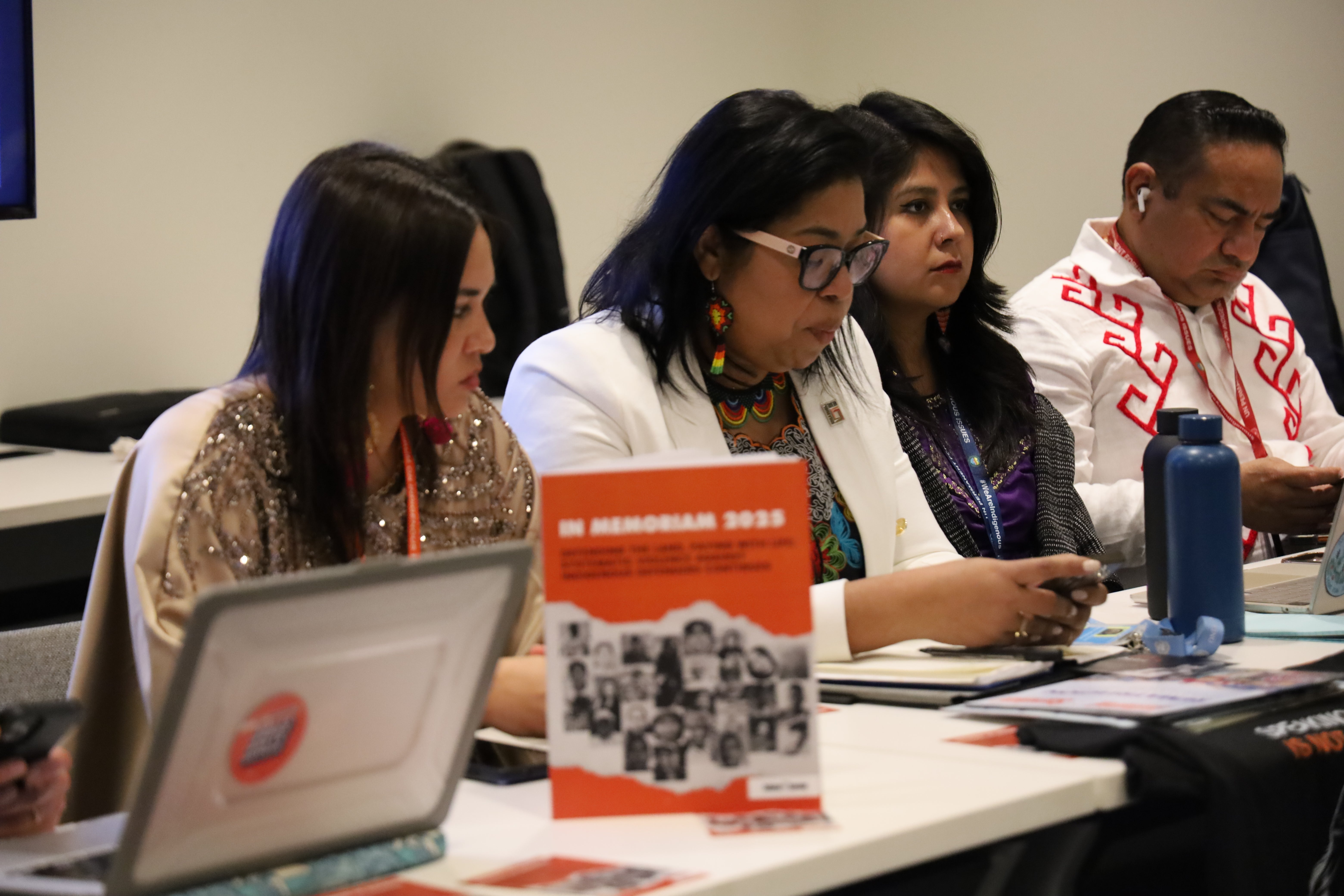
A significant outcome of Cultural Survival’s engagement was the release of an advocacy brief titled "Defending the Land, Paying with Life." This report, presented at the 25th UNPFII session, critically analyzes the systemic violence that leads to the murders of Indigenous land defenders. It contextualizes these tragic events within international human rights legal frameworks and proposes actionable recommendations for various stakeholders, including corporations, state governments, the UN Permanent Forum on Indigenous Issues, the Presidency of the Escazú Agreement’s governing board, and the international community. The report highlights the urgent need for robust protection mechanisms for environmental and human rights defenders, particularly Indigenous leaders who are often at the forefront of environmental stewardship.
The side event, "Defending the Defenders: Protecting Indigenous Defenders in a Context of Escalating Criminalization, Violence, and Threats," co-hosted by Cultural Survival, provided a crucial platform for discussing the findings of the advocacy brief and for strategizing on how to enhance the safety and security of Indigenous defenders. The discussions underscored the fact that the health of Indigenous Peoples is intrinsically linked to their ability to live safely on their ancestral lands and to protect their environments from destructive development projects. The criminalization and violence faced by these defenders directly impede their ability to advocate for their communities’ health and well-being.
Analysis and Broader Implications
The 25th UNPFII session’s focus on Indigenous health in conflict zones carries significant implications for global health policy, human rights frameworks, and sustainable development efforts. The persistent challenges in implementing UNDRIP, as highlighted by the delegates, signal a critical gap between international commitments and on-the-ground realities. The funding cuts and travel restrictions faced by delegates underscore the need for more sustainable and predictable funding mechanisms for Indigenous-led initiatives and participation in UN processes.
The session served as a powerful reminder that the health of Indigenous Peoples cannot be addressed in isolation. It is inextricably linked to their rights to self-determination, land, resources, and cultural integrity. The ongoing criminalization of Indigenous defenders and the environmental degradation resulting from unchecked resource extraction are direct threats to their health and survival. The recommendations emerging from the UNPFII, particularly those from the "Defending the Land, Paying with Life" brief, call for a paradigm shift in how states and corporations engage with Indigenous communities. This includes upholding free, prior, and informed consent, ensuring accountability for human rights violations, and investing in culturally appropriate health systems that are rooted in Indigenous knowledge.
The success of initiatives like the Indigenous Media Zone and the launch of new podcasts and radio programs demonstrates the growing importance of Indigenous-controlled media in shaping narratives and mobilizing support. These platforms are essential for counteracting misinformation, raising global awareness, and fostering solidarity. The sustained engagement of organizations like Cultural Survival, along with the active participation of Indigenous leaders and communities, is vital for ensuring that the commitments made at the UNPFII translate into tangible improvements in the health and well-being of Indigenous Peoples worldwide. The continued monitoring of implementation and the persistent advocacy for the full recognition and realization of Indigenous rights remain paramount in the pursuit of global justice and equitable health outcomes.