May 29, 2026 | By Lindsay Kagalis, Social Media Manager
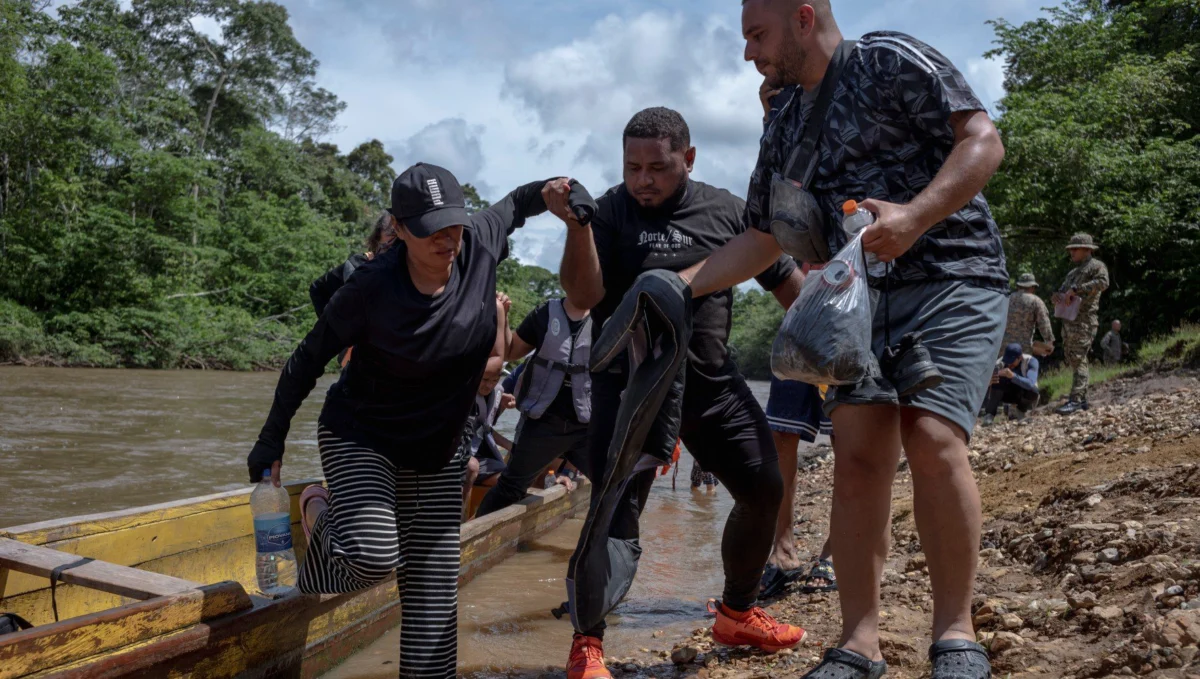
For thousands fleeing violence, persecution, and instability, the perilous journey through the Darien Gap—one of the world’s most dangerous migration routes—was intended as a path to safety. However, a significant and alarming trend is emerging: a "reverse migration" where these same individuals are now being forced to retrace their steps, heading back south, a direct consequence of evolving U.S. immigration policies. Between February and August of 2025 alone, an estimated 14,000 individuals who aspired to reach the United States have been compelled to turn around, their dreams of asylum and safety dashed by increasingly restrictive border measures and the closure of traditional pathways for legal entry. This reversal is not a voluntary choice but a stark manifestation of a shifting geopolitical landscape that has rendered the pursuit of asylum or other forms of legal status in the U.S. exceedingly difficult, if not impossible, for many.
The dangers inherent in migration across Latin America remain acute. Migrants face a constant barrage of threats, including pervasive violence, predatory extortion schemes, forced labor, and critical medical emergencies. The narratives of those undertaking these journeys are rarely monolithic; they are often fraught with peril and complex individual circumstances. Amidst the broader discourse on migration, a specific demographic frequently remains overlooked: men traveling alone. These individuals constitute approximately half of those navigating the region’s arduous routes, and they frequently endure disproportionate risks and profound isolation throughout their travels. The stories of men like Salem and Nerli encapsulate the enduring challenges, highlighting their protracted journeys, which can span years, all fueled by the unwavering hope of securing a better future for themselves and their loved ones.
The Darien Gap: A Shifting Landscape of Despair
The Darien Gap, a dense, untamed jungle separating Colombia and Panama, has long been a critical, albeit treacherous, transit point for migrants attempting to reach North America. Its unforgiving terrain, characterized by dense rainforest, swamps, and a lack of infrastructure, makes it a formidable obstacle. Historically, migrants have navigated this perilous stretch to reach Panama, subsequently continuing their journey northward through Central America to the U.S.-Mexico border. However, recent policy shifts in the United States have fundamentally altered this dynamic.
The implementation of stricter asylum rules, including the expansion of expedited removal processes and the designation of certain countries as ineligible for asylum if migrants do not seek it in transit countries, has created a significant deterrent. For those who have already embarked on their journey, the closing of the U.S.-Mexico border to asylum seekers, coupled with the difficulty in accessing legal avenues for entry, has left many stranded or facing the daunting prospect of being returned to their countries of origin without having achieved their objectives. This has led to an unprecedented phenomenon: individuals who have braved the Darien Gap are now turning back, creating a new wave of humanitarian challenges in countries further south.
The Plight of Solo Male Travelers
While the challenges faced by all migrants are severe, solo male travelers often encounter unique and amplified risks. Their journeys are frequently marked by a lack of established support networks, making them more vulnerable to exploitation and violence. Unlike families who may have collective resources or shared responsibilities, single men often bear the full brunt of the dangers alone. This isolation can be particularly acute in remote and lawless areas like the Darien Gap.
Salem’s journey exemplifies the protracted nature of these travels. Having arrived in Mexico at the close of 2025, he made the difficult decision to reverse course and travel south. For the majority of his nearly six-year odyssey, he navigated alone, driven by a self-reliance that underscored his determination. "Ever since I left, I’ve never asked anyone for help; I’ve always done what I could to make it on my own," he recounted.
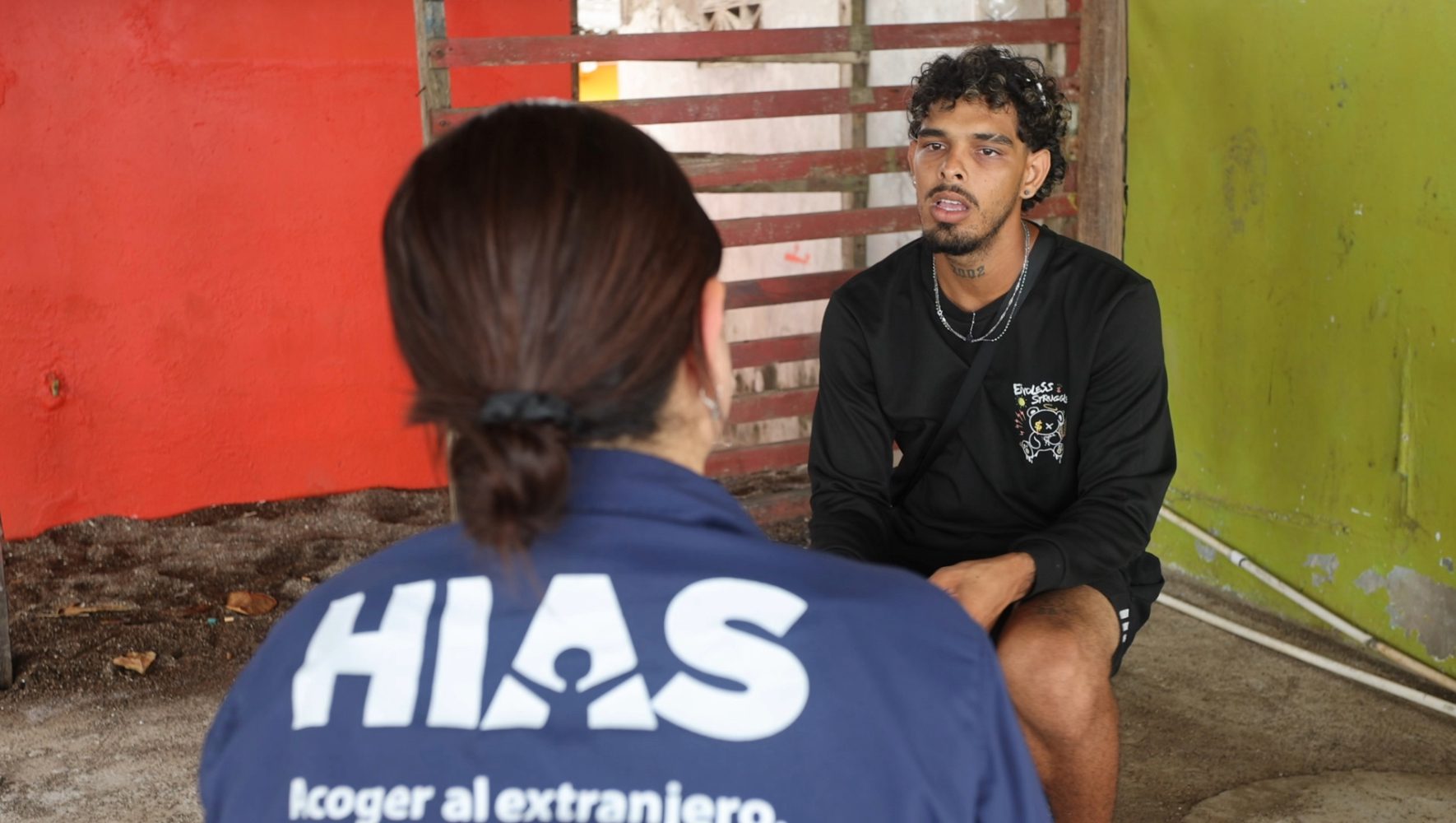
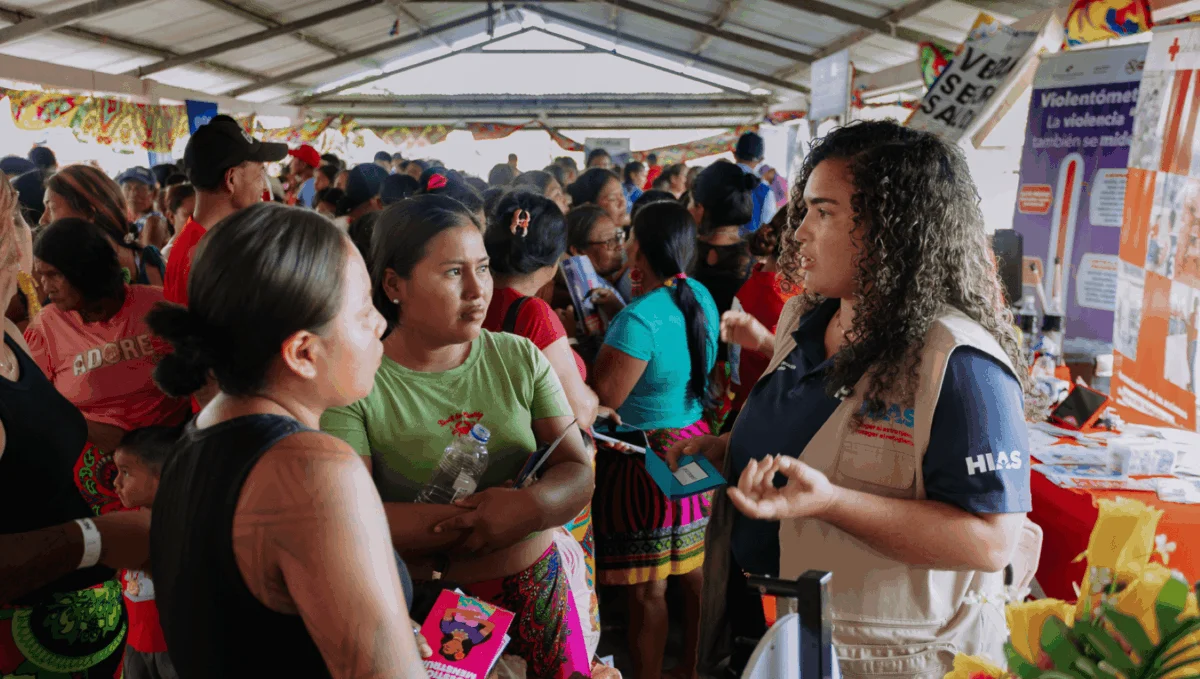
A significant turning point in Salem’s journey was meeting his now-wife. Together, they continued their southward travel towards Colombia, where relatives were awaiting to assist them in preparing for the impending birth of their child. Upon reaching Panama, however, Salem’s wife experienced severe pregnancy-related complications, necessitating immediate medical attention. In Miramar, they encountered HIAS Panama staff, whose timely intervention proved crucial. The HIAS team facilitated an ambulance call for Salem’s wife, provided essential baby supplies and hygiene kits, and arranged a place for Salem to rest while his wife received medical care.
The Impact of Humanitarian Aid Cuts
The U.S. government’s significant reductions in humanitarian assistance, particularly in early 2025, have exacerbated the crisis by creating substantial gaps in support for vulnerable displaced populations. These cuts have had a devastating ripple effect, dismantling programs that previously offered vital food, water, medical care, education, and other essential services to individuals in need worldwide. This withdrawal of support has placed an immense burden on local organizations and host communities, stretching their resources thin and increasing the vulnerability of those relying on their aid.
Despite these formidable challenges, the HIAS Panama team has remained steadfast in its commitment to assisting individuals transiting through the Darien Gap. Their presence in key transit areas allows them to provide a range of critical services, including protection services, mental health care, emergency assistance, and resource sharing. Yazcari Murillo, HIAS Panama’s Protection Officer, emphasized the importance of human connection in delivering effective aid: "Each person has a story—and often, it’s good to have that human connection in order to provide service in the best way possible." This personalized approach is vital in addressing the complex needs of the migrant community in Miramar and along the Panamanian migration routes.
Stories of Resilience and Solidarity
Nerli’s story is another poignant example of the resilience and solidarity found amidst hardship. Having been on the move for a decade, Nerli’s primary motivation is to create a better future for his son, whom he left behind as a toddler. On his recent journey south, he was part of a group of eight solo male travelers accompanying several families. Upon their arrival in Panama, limited aid and transportation space meant difficult choices had to be made. Nerli and the other solo travelers voluntarily deferred their passage, allowing the families to proceed first.
For over five months, Nerli has resided in Miramar, volunteering at Casa Rosada, a migrant shelter. In exchange for maintaining the shelter’s organization and cleanliness, he receives free accommodation. However, his commitment transcends mere transactional exchange; it is an act of contribution to the broader migrant community. "I’m sort of contributing my own little grain of sand to the migrant community here in Miramar," Nerli stated, reflecting a deep sense of shared humanity and purpose.
Broader Implications and the Path Forward
The current scenario of reverse migration, driven by U.S. policy changes, carries significant implications for regional stability and humanitarian efforts. It places an increased strain on transit countries like Panama, which must contend with the logistical and social challenges of supporting a growing population of displaced individuals heading south. The economic and social fabric of these nations can be tested as they grapple with providing essential services and managing the needs of a fluctuating migrant population.
The shift in migration patterns underscores the interconnectedness of global policies and their localized impacts. For individuals like Salem and Nerli, the journey is no longer solely about reaching a distant destination. As opportunities dwindle and migration routes become increasingly unpredictable, people traversing the Americas, whether heading north or south, are compelled to make agonizing choices in their pursuit of safety, stability, and dignity.
The support provided by organizations like HIAS, bolstered by partnerships such as the one with the Hilton Foundation, remains critical. Their commitment to protecting and assisting vulnerable populations, particularly those undertaking reverse migration, highlights the ongoing need for sustained humanitarian efforts in the face of evolving global challenges. The ongoing work in Panama aims to provide a lifeline to those caught in this complex web of policy shifts and perilous journeys, offering a semblance of support and hope in an increasingly uncertain landscape. The situation demands continued international attention and a re-evaluation of policies that can lead to such profound humanitarian consequences, emphasizing the need for more comprehensive and humane approaches to migration management.