The past two years have marked an unprecedented period of global upheaval, fundamentally reshaping the landscape of work and challenging long-held organizational paradigms. The COVID-19 pandemic, far from being a temporary disruption, initiated a massive, rapid-paced experiment in new ways of working, triggering a profound shift in how both employers and employees perceive the future of work. This transformation has brought to the forefront critical questions regarding workplace processes and policies, particularly their impact on diversity, equity, and inclusion (DEI). As organizations continue to grapple with evolving data and persistent ambiguities, a comprehensive reassessment of the existing social contract between employees and employers is not merely advisable but imperative.
The Unprecedented Experiment: A Shift in Work Paradigms
When the pandemic struck in early 2020, businesses globally were forced into an immediate and widespread adoption of remote work. What began as a crisis response quickly evolved into a prolonged period of sustained remote and then hybrid operations. This enforced flexibility inadvertently exposed the vulnerabilities and inefficiencies of traditional workplace models, prompting a collective re-evaluation of everything from daily commutes to fundamental management philosophies. Suddenly, the long-standing assumptions about work being a place rather than an activity were debunked for millions of knowledge workers. This initial shock gave way to a realization that many established norms were, in fact, artifacts of an outdated industrial era, ill-suited for the demands of the 21st-century workforce.
The rapid transition forced organizations to innovate on the fly, experimenting with digital collaboration tools, new communication protocols, and revised performance metrics. This period of intense change laid bare areas where the status quo was no longer serving the needs of a modern, diverse workforce. It presented a valuable, albeit challenging, opportunity for organizations to critically assess, thoughtfully design, and agilely experiment with new solutions that could foster more inclusive and effective work environments.
Redefining the Employee-Employer Social Contract
One of the most significant outcomes of the pandemic-era shifts has been the dramatic renegotiation of the social contract between employees and employers. Workers, having experienced a different way of working and living, now exhibit a significantly lower tolerance for practices that were once considered standard. The concept of "presenteeism"—the expectation of being physically present in the office, often regardless of productivity—has largely been dismantled. Long, arduous commutes, rigid formal clothing codes, and a general acceptance of poor working conditions are increasingly met with resistance.
Moreover, the pandemic heightened awareness of more insidious issues that had long plagued workplaces. Employees are now less willing to overlook unfair compensation practices, instances of abuse or discrimination, or the pervasive, often unconscious, biases embedded within a false belief in meritocracy. The desire for greater control over one’s work, a rejection of "always-on" availability expectations, and a critical look at the necessity of extensive business travel have become prominent demands. Concerns about feelings of isolation, a lack of holistic well-being support, and insufficient psychological safety in the workplace have also gained unprecedented urgency. Furthermore, the disproportionate burden of family care, often falling on women, highlighted the persistent lack of gender equality in work-life integration policies, revealing unhealthy workplaces built on outdated norms that no longer fit current realities. This collective awakening signals a pivotal moment for organizations to fundamentally reset and clearly communicate their policies for where, when, and how work is done.
The Pivotal Policy Shift: Location of Work
Among the most contentious and widely debated policy shifts is the question of work location. While data on remote work preferences can sometimes appear conflicting, a consistent theme emerges: a significant segment of the workforce expresses a strong desire to continue working remotely, at least part-time. Projections in the U.S., for instance, suggest that remote work will persist at least one day a week for many, and a substantial portion of employees—estimated by some studies at two-thirds—expect more than just a single day of remote work, with many willing to quit their jobs if remote options are not a norm.
Crucially, the desire for flexible work arrangements, including remote work, is notably strongest among specific demographic groups. Women, working parents, and employees of color have often reported significant gains in their employee experience scores when working remotely. This preference has profound social ramifications, potentially leading to greater employee diversity, improved work-life balance, and significantly larger talent pools as geographical location becomes less of a constraint.
-
Addressing Pre-Pandemic Inequities in Flexible Work Access: Before the pandemic, access to remote work often reflected existing organizational hierarchies and biases. Research conducted by Lisa and Veronika Hucke in 2019 revealed that remote workers were predominantly senior males, while working mothers frequently faced stigma when requesting flexible options. More junior staff, despite desiring remote work, often hesitated to ask, fearing it would signal a lack of commitment to their careers. This ad hoc approach, heavily reliant on managerial discretion, fostered biases, placed undue burden on managers, and was widely perceived as unfair. The global experience of forced remote work has provided an invaluable opportunity to rectify these historical inequities and implement equitable, transparent, and fair policies for flexible work.
-
The Perils of Top-Down Policy Making: Despite the clear and widespread employee preference for flexibility, a concerning disconnect persists in how new policies are being developed. A multi-country survey of knowledge workers revealed that a staggering 66% of executives admitted to designing post-pandemic workforce policies with little to no direct input from their employees. This isolated, top-down approach risks creating policies that are not fit for purpose, leading to low acceptance and utilization, and potentially exacerbating existing inequalities or creating new ones. The same survey highlighted an overconfidence among executives, with 66% believing they were being "very transparent," while only 42% of workers agreed. Such a significant perception gap can undermine trust and engagement, dooming new policies from the outset. Failing to engage the very people these policies are designed for in an inclusive, co-creative process represents a tremendous missed opportunity to "get it right."
Beyond Location: A Broader Reassessment of Workplace Norms
The pandemic has not only reshaped where work happens but also fundamentally questioned how it happens. The scrutiny extends beyond remote work to a wide array of processes and policies that govern daily organizational life.
- Challenging "Presenteeism" and Outdated Practices: The forced shift away from the physical office environment highlighted the often-performative nature of "presenteeism." Organizations are now challenged to move beyond hours spent at a desk to focus on output, impact, and results. This re-focus necessitates a re-evaluation of traditional indicators of commitment and productivity. Similarly, the necessity of long commutes, often seen as a prerequisite for career progression, is being questioned, leading to calls for policies that support local talent and reduce environmental impact.
- Impact on Well-being and Mental Health: The pandemic brought mental health and well-being to the forefront of workplace discourse. Policies around workload, always-on availability, and support for psychological safety are under intense scrutiny. Employees now expect comprehensive well-being programs, robust mental health support, and policies that genuinely foster a sense of security and belonging, rather than merely paying lip service to these critical aspects. The absence of psychological safety, where employees fear reprisal for speaking up, is increasingly recognized as a major barrier to innovation and inclusion.
- Compensation and Fairness: The spotlight on work conditions also reignited discussions around fair compensation and the systemic issues contributing to pay gaps. The pandemic underscored the value of essential workers and the fragility of financial security for many, pushing organizations to reassess their compensation structures, benefits packages, and policies related to performance evaluations to ensure equity and transparency.
- Gender Equality for Family Care: With schools closed and caregiving responsibilities skyrocketing, the pandemic disproportionately affected working parents, particularly mothers. This crisis illuminated the deep-seated gender inequalities in family care policies, revealing how traditional work structures often fail to support caregivers. There is now a strong impetus for organizations to implement more robust and equitable parental leave policies, flexible work arrangements, and support systems that enable both men and women to balance professional and personal responsibilities without career penalty.
The Imperative for Inclusive Policy Co-Creation
The collective experience of the pandemic-era underscores a clear call to action: organizations must critically assess whether existing policies align with current realities and future aspirations. This requires a fundamental shift in policy development from an isolated, top-down model to one that is inclusive, data-driven, and agile.
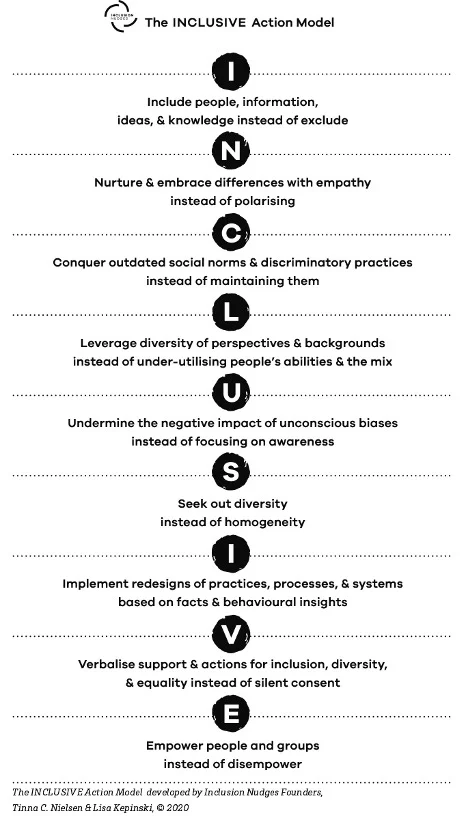
An effective approach mandates using diverse data points and actively soliciting input from all levels of the organization. This co-creation process, integrating behavioral insights, is crucial for designing solutions that address real needs, foster a sense of ownership among employees, and are genuinely fit for purpose. Furthermore, implementation should embrace agile experimentation, allowing for continuous feedback loops and iterative adjustments. This ensures that policies remain responsive to evolving circumstances and effectively support a dynamic workforce. By leveraging behavioral science, organizations can design "nudges" that make inclusive choices the default, rather than exceptions, for example, by making flexible working the norm or promoting "all jobs are 80% jobs" as a standard.
Implications for Diversity, Equity, and Inclusion (DEI)
The transformations in process and policy have profound implications for DEI initiatives. Done correctly, these shifts can significantly advance DEI goals; handled poorly, they risk creating new disparities or exacerbating existing ones.
- Talent Pool Expansion and Geographic Diversity: The normalization of remote and hybrid work models allows organizations to tap into wider, more diverse talent pools, unbound by geographical constraints. This can lead to increased representation of individuals from different socioeconomic backgrounds, regions, and those with disabilities who might have faced barriers to traditional office-based employment.
- Equity in Flexible Work Access: It is crucial to ensure that flexible work policies are designed and implemented equitably. Without careful consideration, hybrid models could inadvertently create a two-tiered system where in-office employees receive preferential treatment or career advancement opportunities, disadvantaging those who work remotely due to personal circumstances or choice. Policies must explicitly address equitable access, clear communication, and fair evaluation for all work arrangements.
- Fostering Psychological Safety and Inclusion: Policies that prioritize psychological safety, well-being, and anti-discrimination are fundamental to creating truly inclusive environments. When employees feel safe to voice concerns, contribute ideas, and be their authentic selves, it directly translates to higher engagement, innovation, and retention across all demographic groups.
- Leadership in Navigating Change: Leaders play a pivotal role in modeling inclusive behaviors and ensuring that new policies are implemented fairly. Their commitment to transparency, empathy, and active listening is essential in building trust and successfully navigating the complexities of these transformations.
Looking Ahead: The Evolving Landscape of Work
The journey through the pandemic era has irrevocably altered our understanding of work. The open questions and evolving data underscore that this is not a destination but an ongoing process of adaptation and learning. Organizations that embrace this continuous evolution, prioritizing human-centric policies, inclusive co-creation, and agile experimentation, will be best positioned to thrive. The opportunity is ripe to dismantle outdated structures and build more resilient, equitable, and fulfilling workplaces for all.
This summary of research on emerging workplace trends from the pandemic-era offers critical areas for reflection for organizations committed to advancing DEI and inclusive leadership. For those seeking advisory consulting, coaching, or speaking engagements to navigate these complex shifts, reaching out to experts in behavioral insights and inclusive design can provide invaluable guidance. The moment calls for proactive, thoughtful engagement with the future of work, ensuring that processes and policies are not merely updated, but transformed to create genuinely inclusive and empowering environments.
Supporting Reflection and Action:
Organizations can leverage frameworks and tools, such as the Inclusion Nudges, to support these critical reflections and catalyze action. Specifically, tools like "Reveal Gaps in Flexible Working to Increase Use by All," "Flexible Working as the Default & Norm," and "Default as ‘All Jobs Are 80% Jobs’" offer practical, behavioral science-informed strategies to embed inclusion into new processes and policies. These tools can be found in resources like The Inclusion Nudges Guidebook and specialized volumes for Leaders and Talent Selection.
This article is part of a broader series exploring the pandemic-era shifts in work and their implications for DEI, covering ‘Purpose,’ ‘People,’ and ‘Polarisation & Activism.’ For a comprehensive understanding, the full article and other parts of the series are available on the Inclusion Nudges blog. Further insights can also be gained from articles such as "Ask Lisa & Tinna: How Do I Create New Inclusive Workplace Models?", "Reframe Language on How We Work Today," and "Ask Lisa & Tinna: How Can We Ensure Intersectionality is Best Reflected in KPIs," all offering practical guidance for leaders and change-makers in this transformative era.