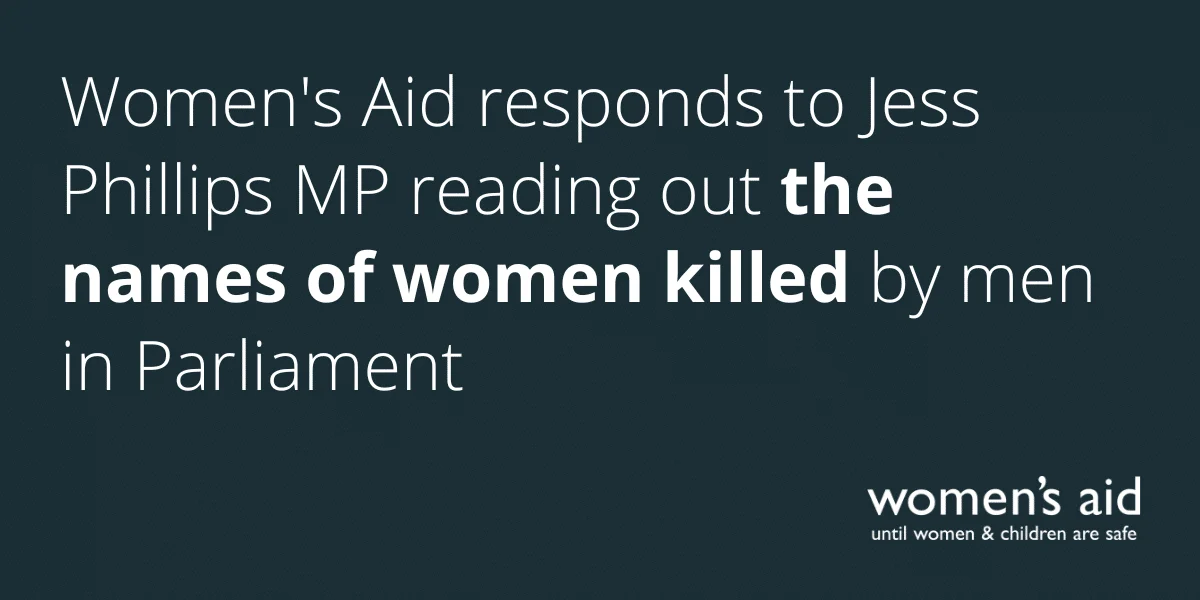
The solemn tradition of reading the names of women murdered by men in the United Kingdom marked its eleventh consecutive year, a poignant parliamentary event that once again highlighted the enduring and tragic scale of femicide, prompting renewed calls for radical change from leading women’s rights organisations. Ellie Daniel, Head of Policy and Survivor Services at Women’s Aid, voiced the organisation’s profound dismay following the reading, which saw Jess Phillips, identified as the Minister for Safeguarding and Violence Against Women and Girls, enumerate the 107 women whose lives were taken by men over the past year. This annual ritual serves as a stark reminder of the persistent crisis of male violence against women, a devastating reality underscored by the fact that, despite over a decade of such commemorations, the number of women killed has shown no significant reduction. Women’s Aid consistently reports that, on average, at least one woman a week is killed by a male partner, a statistic that translates into a harrowing annual toll of mothers, friends, sisters, colleagues, and daughters whose lives are prematurely ended, leaving behind an indelible void for their families and communities.
The Enduring Shadow of Femicide: A Decade of Unchanged Numbers
The annual parliamentary reading, which has become a powerful symbol of advocacy and remembrance, originated from a deep-seated desire to ensure that the victims of femicide are not forgotten and that their deaths serve as a catalyst for action. Initiated by dedicated parliamentarians and supported by women’s rights campaigners, this event aims to impress upon policymakers the human cost of gender-based violence. The act of publicly acknowledging each name transforms abstract statistics into individual tragedies, humanising the scale of the problem and placing the responsibility for systemic change squarely before the nation’s legislative body. For over a decade, the unchanging nature of these statistics has been a source of profound frustration and sorrow for organisations like Women’s Aid, which have consistently campaigned for more robust preventative measures and support systems. The 107 deaths recorded in the most recent period align disturbingly with historical trends documented by the Femicide Census, a collaborative project by Women’s Aid and Nia, which has systematically collected data on women killed by men in the UK since 2009. This comprehensive dataset consistently reveals that the numbers have remained stubbornly high, fluctuating only marginally year-on-year, reinforcing the urgent message that current interventions are insufficient to stem the tide of violence. The Femicide Census also provides crucial insights into the demographics and circumstances surrounding these deaths, revealing patterns in perpetrator relationships, methods used, and the often-pre-existing history of domestic abuse.
A Call for Radical Reform: Addressing Systemic Failures
Women’s Aid’s statement emphatically underscores that "Change is desperately needed." While acknowledging certain "significant steps," such as the publication of the government’s Violence Against Women and Girls (VAWG) Strategy, the organisation stresses that these measures alone have not translated into a tangible reduction in fatalities. The VAWG Strategy, typically refreshed every few years, outlines governmental priorities and actions aimed at tackling various forms of gender-based violence, including domestic abuse, sexual violence, and harmful practices. It often includes pillars such as prevention, policing and justice, and victim support. However, advocacy groups frequently argue that the strategy’s effectiveness is hampered by insufficient funding, fragmented implementation, and a lack of specific, measurable targets for reducing femicide rates.
A critical area of concern highlighted by Women’s Aid is the perilous situation faced by women attempting to escape abusive relationships. Research and survivor testimonies consistently demonstrate that the period immediately following a woman’s decision to leave an abuser is often the most dangerous, a time when the risk of severe violence, including homicide, dramatically escalates. This heightened risk necessitates readily accessible, safe, and specialist support services. However, a pervasive problem across the UK is the chronic shortage of bed spaces in refuges, leading to countless women being turned away at their most vulnerable moment. Data from organisations like Women’s Aid and Refuge frequently reveal that thousands of requests for refuge accommodation are denied annually due to a lack of capacity, leaving women with an impossible choice between returning to an abuser or facing homelessness, both fraught with danger. This systemic failure to provide safe havens directly undermines efforts to protect women at critical junctures.
The Economic and Social Cost of Underinvestment
The call for "investment in specialist services" is not merely a plea for charity but a demand for strategic allocation of resources that directly addresses a life-or-death situation. Specialist women’s services, often run by and for women, offer holistic support tailored to the complex needs of survivors of domestic abuse, including culturally specific services, advocacy, legal advice, and therapeutic interventions. These services are proven to be highly effective in facilitating recovery and preventing further harm. Yet, they are frequently underfunded, operating on precarious short-term grants and facing intense competition for dwindling resources.
Compounding this issue is the urgent need for "radical reform of commissioning systems." Commissioning refers to the process by which public bodies, such as local authorities, plan, purchase, and monitor services. The current system is often criticised for its emphasis on competitive tendering, which can disadvantage smaller, specialist organisations that may struggle to compete with larger, more generic providers on cost alone. This approach can lead to a ‘race to the bottom,’ where quality and specialism are compromised. Furthermore, short-term contracts create instability, making it difficult for services to plan for the future, retain experienced staff, or develop long-term support programmes. A radical reform would involve shifting towards sustainable, needs-based funding models that recognise the unique expertise and critical role of specialist women’s services, ensuring long-term financial security and enabling them to provide continuous, life-saving support.
The broader implications of underinvestment extend beyond individual tragedies. The economic cost of domestic abuse to society is immense, encompassing healthcare costs for injuries and mental health support, criminal justice system expenses (police response, court proceedings, incarceration), housing costs, and lost economic productivity due to victims’ inability to work or perpetrators’ incarceration. Various studies, including those commissioned by the government, have estimated these costs to be in the tens of billions of pounds annually, far outweighing the investment required for effective prevention and support services.
Contextualising the Crisis: Broader Societal Factors
The persistently high rates of femicide cannot be viewed in isolation; they are symptoms of deeply entrenched societal issues, including patriarchal attitudes, gender inequality, and a culture that too often minimises or excuses male violence. The discourse surrounding femicide often highlights the need for broader societal change, including educational initiatives aimed at challenging harmful gender stereotypes from an early age, promoting healthy relationships, and fostering respect. Public awareness campaigns, while important, must be accompanied by robust policy frameworks and consistent enforcement of laws designed to protect women.
The role of the criminal justice system is also critical. While the police and courts are tasked with holding perpetrators accountable, challenges persist. These include inconsistencies in police response to domestic abuse incidents, difficulties in gathering evidence, and often lengthy and traumatic court processes for survivors. Domestic Homicide Reviews (DHRs), which are multi-agency reviews conducted when someone dies as a result of domestic violence, frequently identify systemic failings, missed opportunities, and a lack of coordinated response across various agencies. The findings of DHRs consistently point to the need for better information sharing, improved risk assessment, and more effective interventions from health, housing, social services, and the police.
Looking Ahead: Towards a Future Free from Violence
The eleventh annual reading of names serves as a powerful, albeit sombre, moment of reflection and renewed commitment. It underscores that while legislative frameworks and strategies are in place, their true impact is hindered by implementation gaps and chronic under-resourcing. The call from Women’s Aid for radical reform is not merely an appeal for more money but a demand for a fundamental re-evaluation of how society values and protects women. This includes prioritising specialist services, ensuring that women have immediate access to safe accommodation, and overhauling the bureaucratic systems that often impede rather than facilitate life-saving support.
Achieving a significant reduction in femicide rates requires a multi-faceted approach: sustained government funding for specialist services, a fully resourced and coordinated national strategy, improved training and accountability across all agencies (police, health, social services, justice), and a societal shift towards zero tolerance for violence against women. The voices of the 107 women lost in the past year, and the thousands before them, echo a demand for a future where no more names need to be read in remembrance, but rather celebrated in a society truly free from the shadow of male violence. The time for incremental steps has passed; radical, transformative change is not merely desirable but an imperative for the safety and equality of all women.