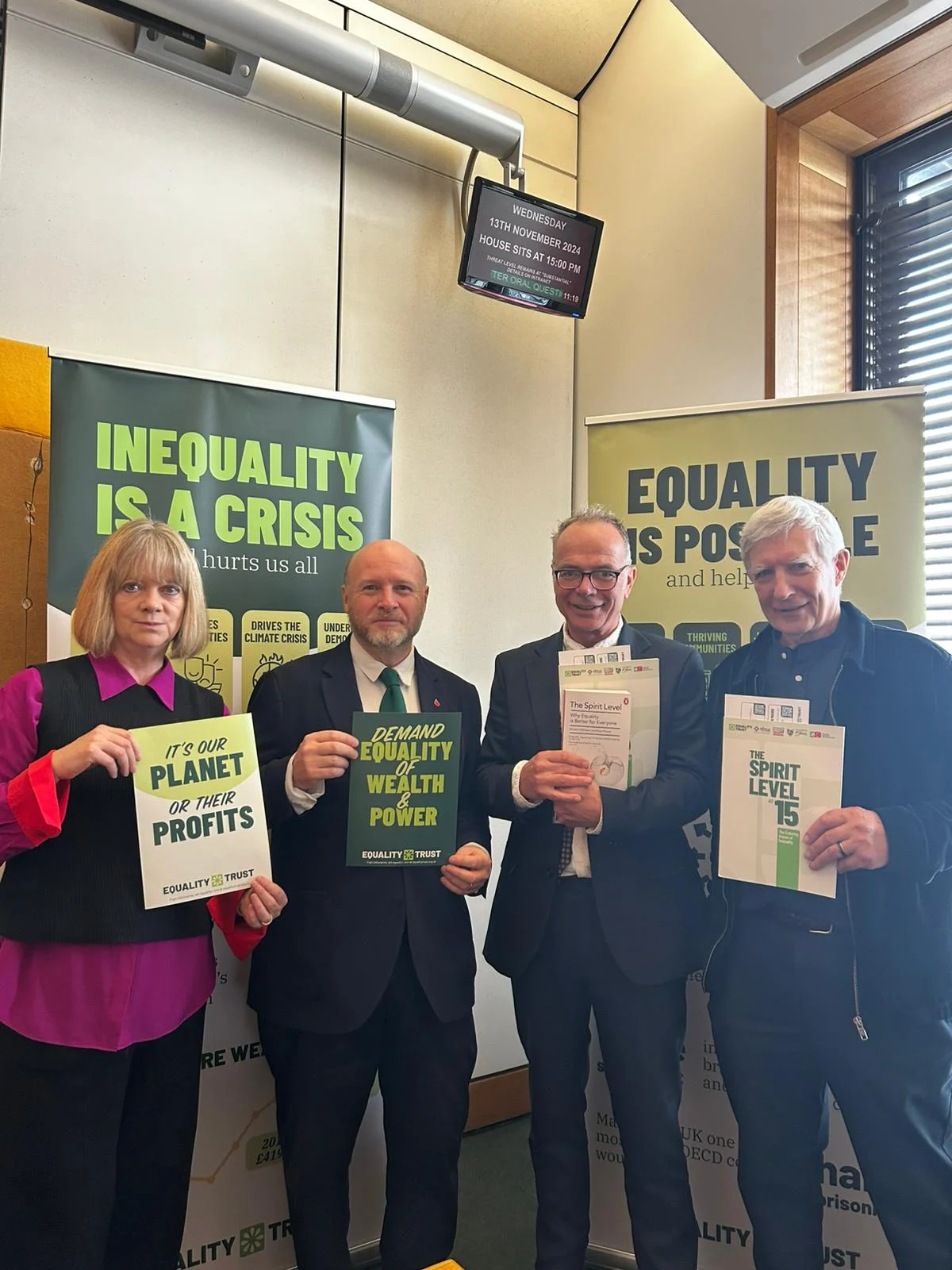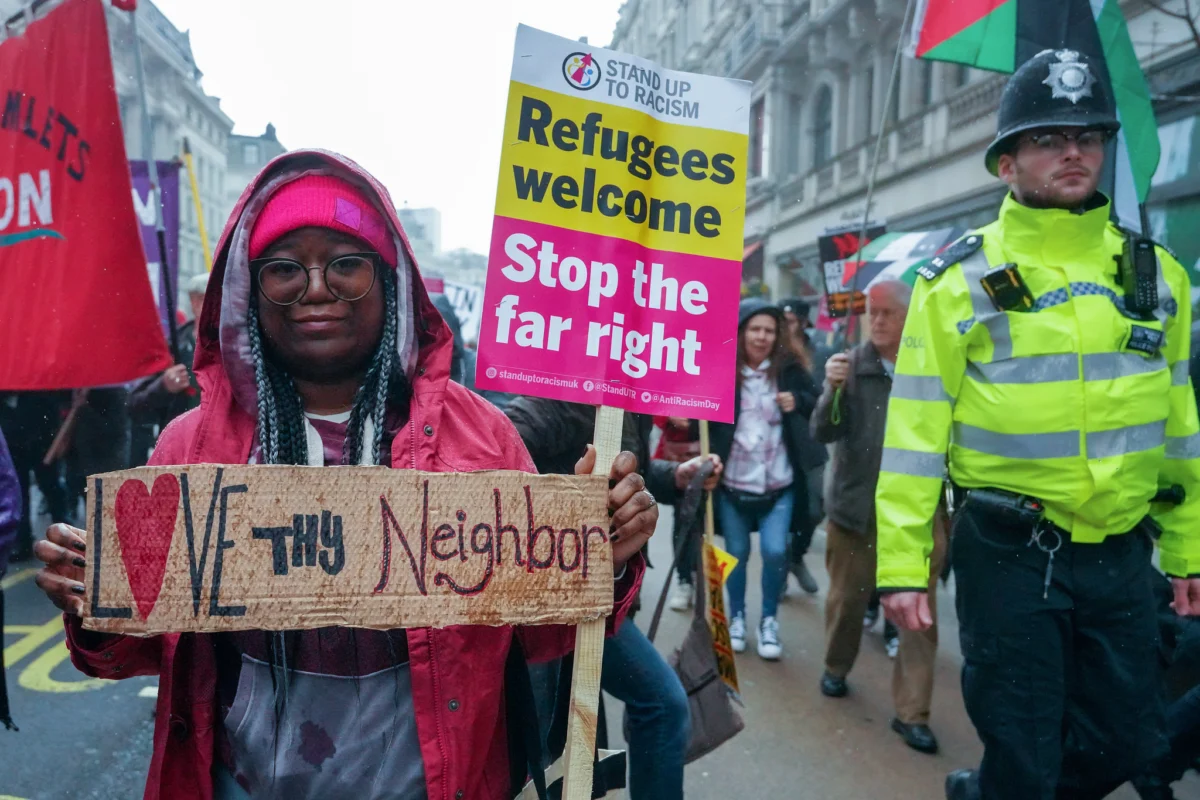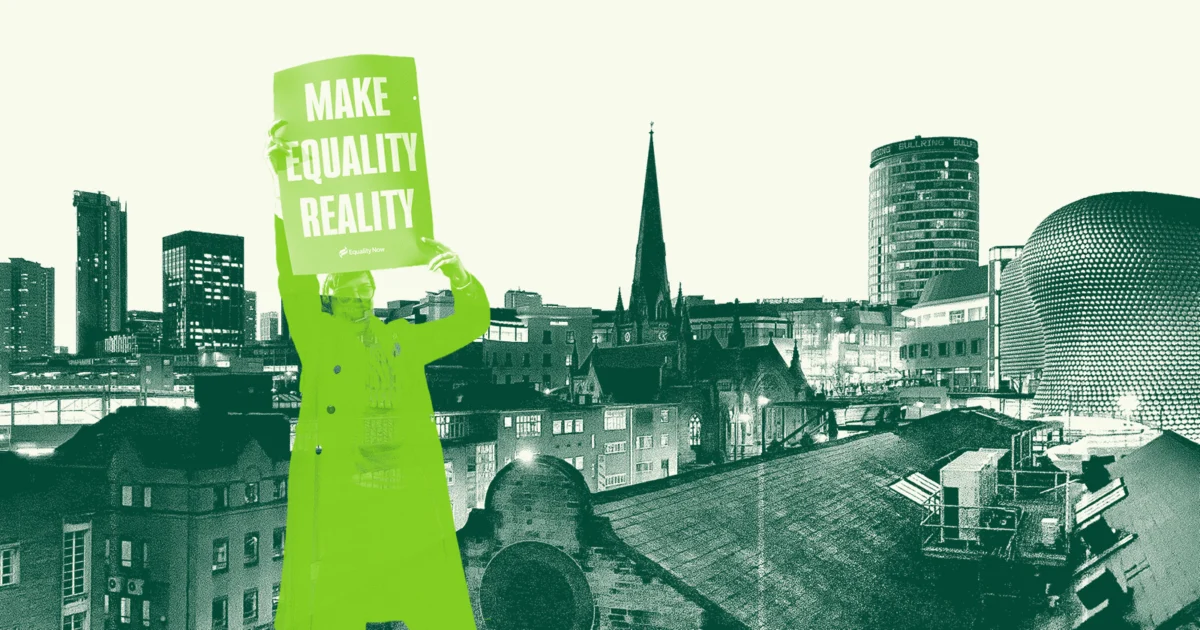
On January 29, 2026, the Midlands Arts Centre (MAC) in Birmingham hosted a comprehensive workshop and film screening dedicated to examining the intersection of socio-economic inequality and cultural accessibility. Organized by The Equality Trust and funded by the Barrow Cadbury Trust as part of its Economic Justice place-based program, the event brought together academics, activists, community leaders, and local residents. The central objective of the gathering, titled "Re-imagine a Better Brum," was to address the systemic barriers preventing citizens from participating in the city’s arts, culture, and recreational offerings, while simultaneously fostering a collaborative vision for a more equitable urban environment.
The event was spearheaded by Charlie McNeill, the Senior Project Officer for Socio-Economic Duty (SED) at The Equality Trust. It featured a diverse panel of speakers, including Kathy Hopkin of the "Save Birmingham" campaign, Dr. Patrycja Rozbicka from Aston University, and Ian Francis, Director of the Flatpack Festival. A cornerstone of the afternoon was the premiere of a documentary film produced by three Community Reporters—Alev, Arash, and Jennifer—who spent months documenting the lived experiences of Birmingham residents navigating the current economic climate.

Chronology of the Community Reporter Project
The January workshop represented the culmination of a year-long initiative designed to empower local voices through the Community Reporter model. This methodology prioritizes grassroots storytelling as a form of qualitative data collection, allowing individuals directly impacted by policy decisions to articulate their experiences without external mediation.
The project began in early 2025 with the recruitment of Alev, Arash, and Jennifer, who underwent training in interviewing techniques and narrative structure. Throughout the summer and autumn of 2025, these reporters conducted a series of in-depth interviews across various Birmingham wards. Their focus was specifically directed toward how the "broken system"—characterized by inflation, wage stagnation, and public service retrenchment—manifests in daily life.
By late 2025, the project entered the post-production phase. Film editor Keiran Fuller worked with the reporters to synthesize hours of footage into a cohesive narrative titled "Conversations of Change: Access to Arts, Culture, Entertainment, and Recreation in Birmingham." The final film serves as both a historical record of the city’s current socio-economic state and a provocative tool for policy discussion, which was utilized during the MAC workshop to stimulate dialogue among attendees.
Socio-Economic Context: The Crisis of Accessibility
The workshop occurred against a backdrop of significant financial instability for Birmingham. Following the issuance of Section 114 notices by the Birmingham City Council in late 2023, the city has faced unprecedented budgetary constraints. These fiscal pressures have resulted in a 100% cut to direct arts funding, the proposed closure of several local libraries, and a reduction in maintenance for public parks and community hubs.
According to data discussed during the event, the "cost-of-living crisis" has exacerbated these structural issues. National statistics indicate that participation in cultural activities—such as attending theatre performances, music lessons, or festivals—has seen a disproportionate decline among households in the bottom 20% of the income bracket. In Birmingham, where certain wards rank among the most deprived in the United Kingdom, the impact is particularly acute.
Participants at the workshop noted that when community centers and creative projects close, the "social glue" of the city weakens. The loss of these spaces does not merely affect leisure; it impacts mental health, youth development, and community cohesion. The project highlighted that for many Brummies, the barrier to culture is twofold: the physical disappearance of venues due to funding cuts and the financial impossibility of accessing remaining private-sector entertainment.
Expert Perspectives on Urban Inequality
The guest speakers provided academic and advocacy-based frameworks to complement the film’s personal narratives. Dr. Patrycja Rozbicka, an Associate Professor at Aston University specializing in the politics of the creative industries, shared insights into how the local music ecosystem has been altered by economic shifts. Her research suggests that the disappearance of small-to-medium venues limits the "cultural pipeline," making it harder for local talent to emerge and for diverse audiences to find affordable entertainment.
Kathy Hopkin of "Save Birmingham" addressed the preservation of community assets. Her contribution focused on the "Community Right to Bid" and other legislative tools that residents can use to protect heritage sites and local landmarks from being sold to private developers during municipal "fire sales." Hopkin emphasized that once public assets are privatized, they rarely return to community use, creating a permanent deficit in the city’s social infrastructure.
Ian Francis of the Flatpack Festival discussed the logistical challenges of maintaining a vibrant film and arts culture in a city where public transport costs are rising and discretionary income is falling. He argued that festivals must move beyond traditional venues and integrate into neighborhoods to remain relevant and accessible to the broader population.
Workshop Outcomes: Re-imagining the City
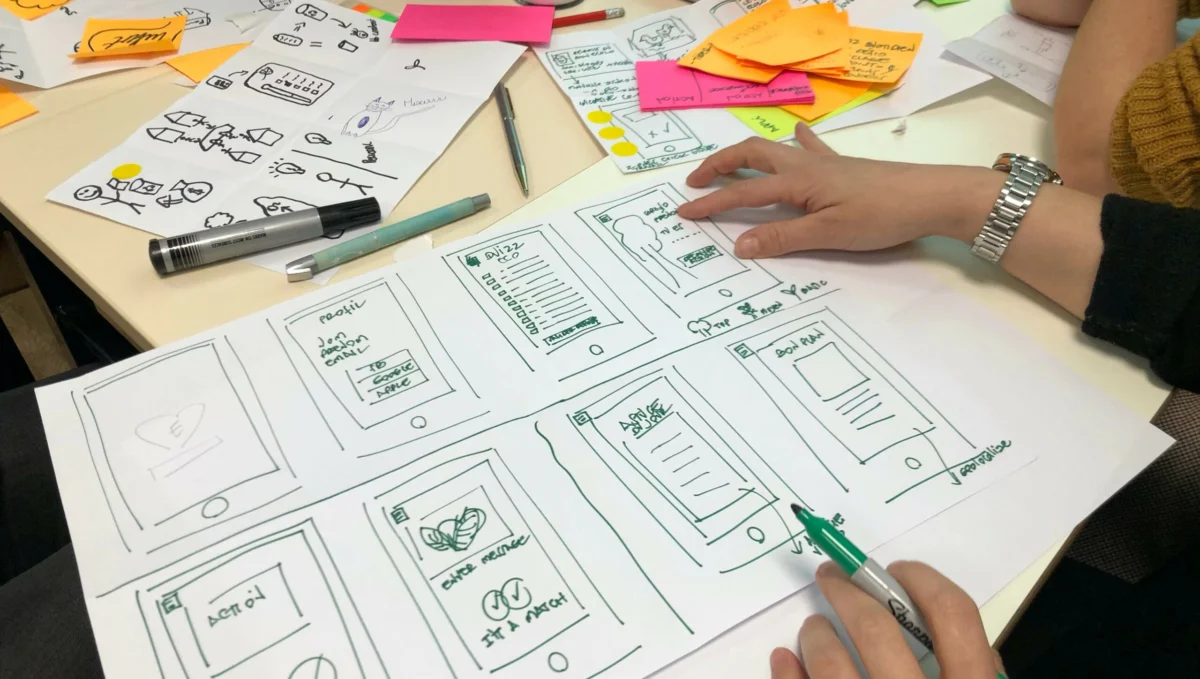
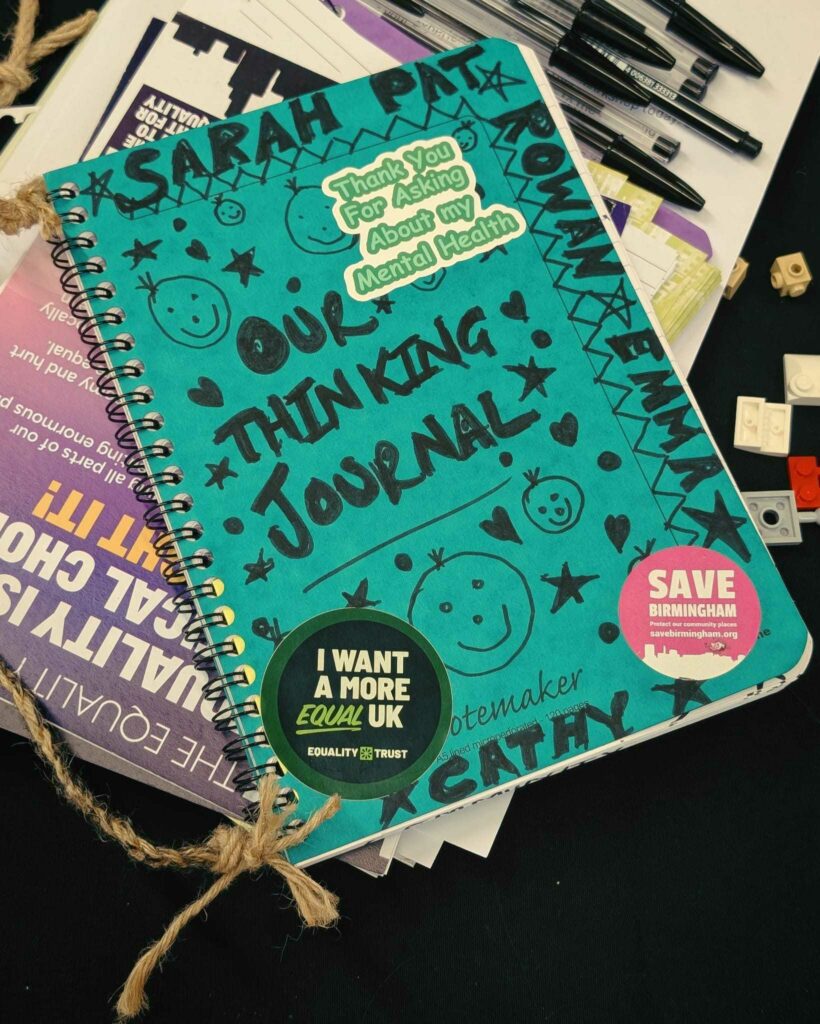
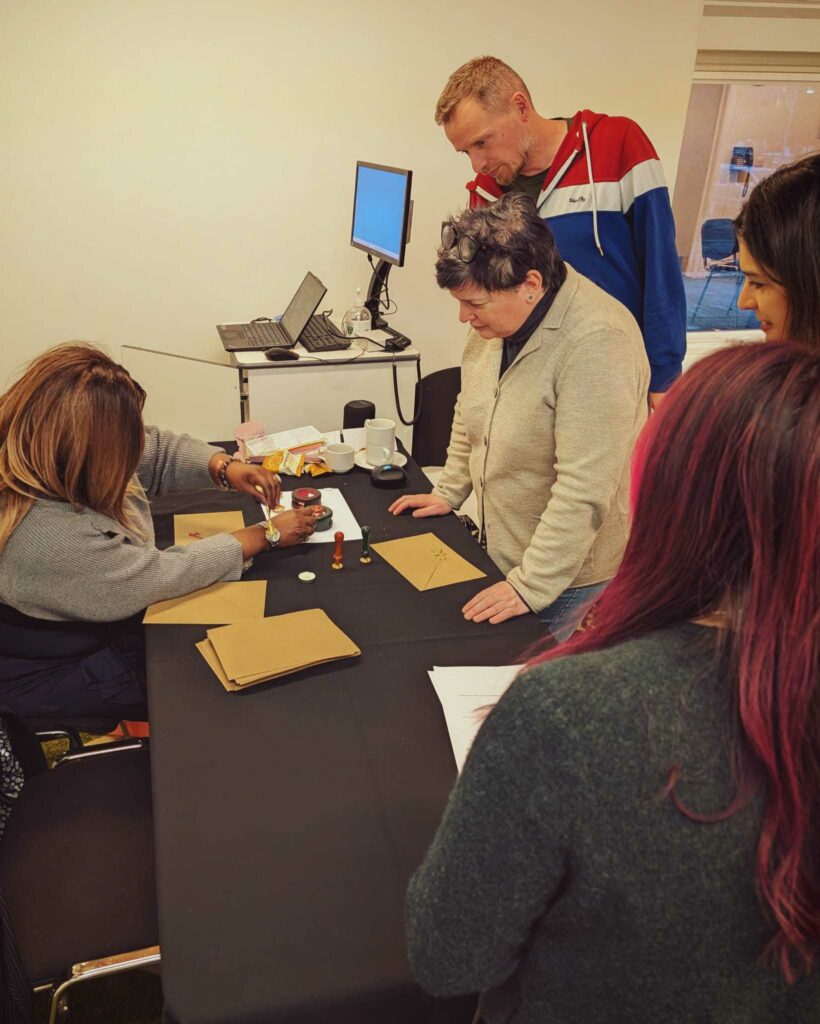
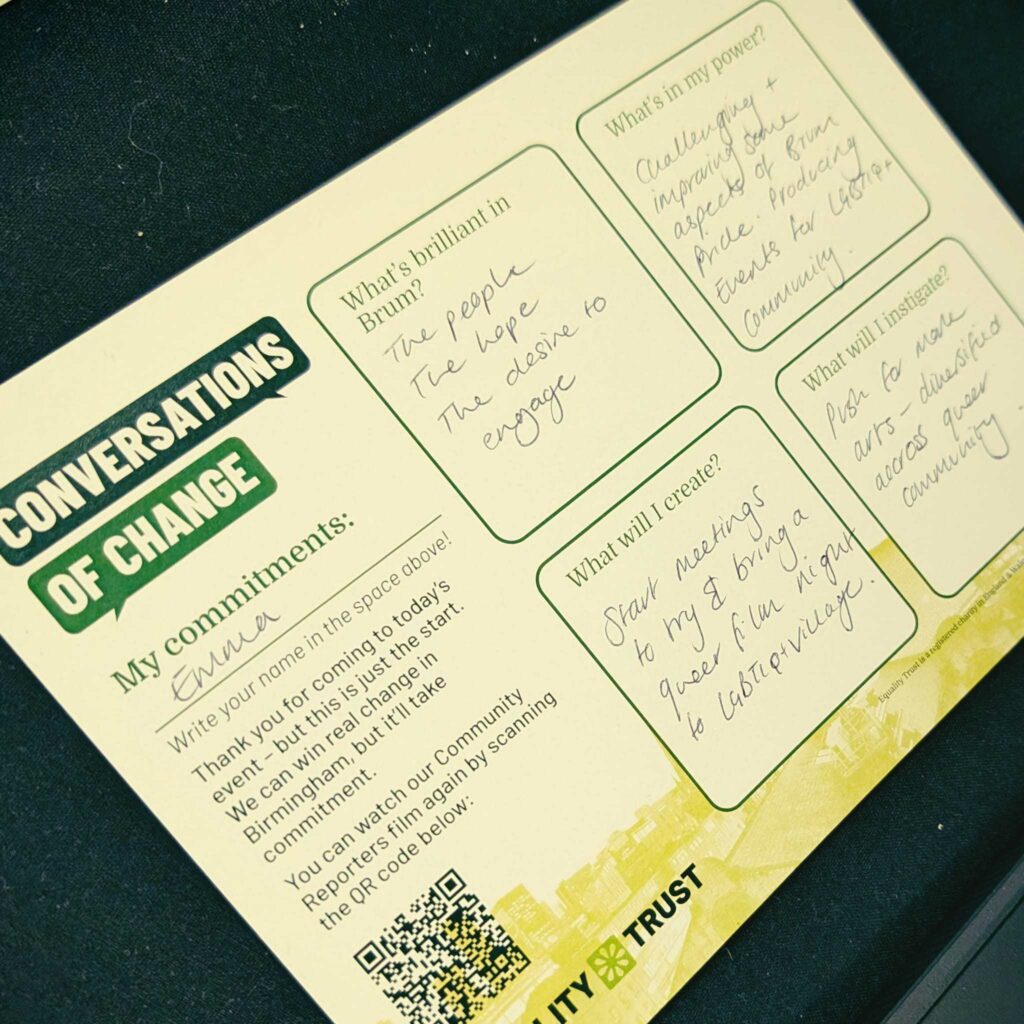
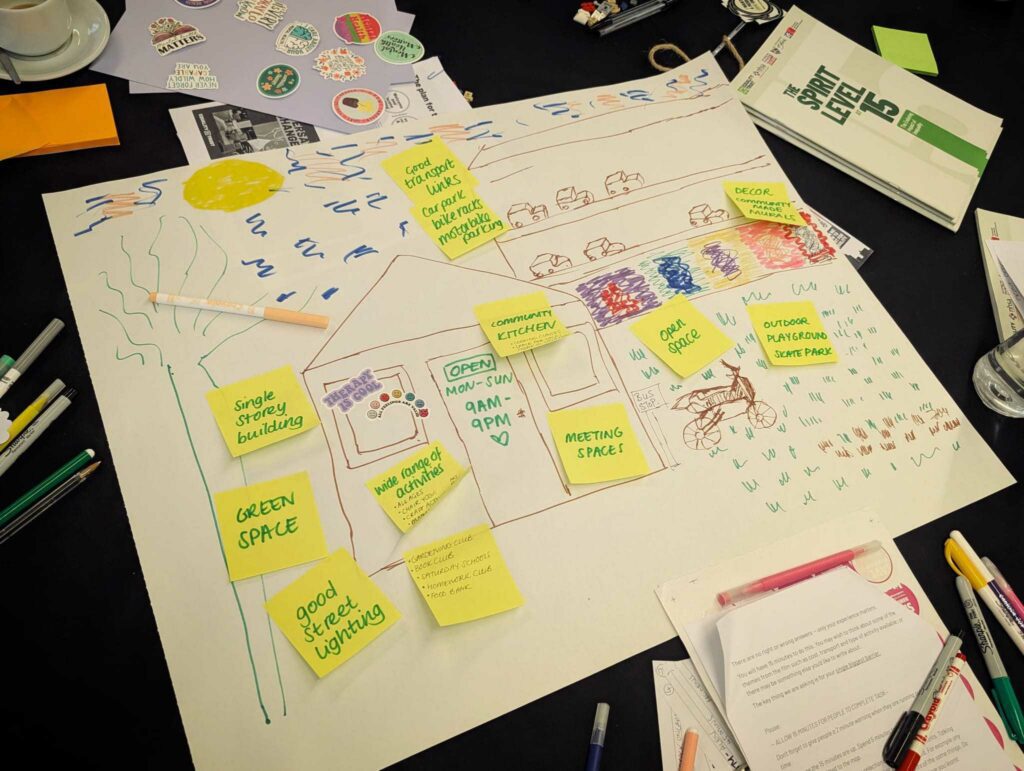
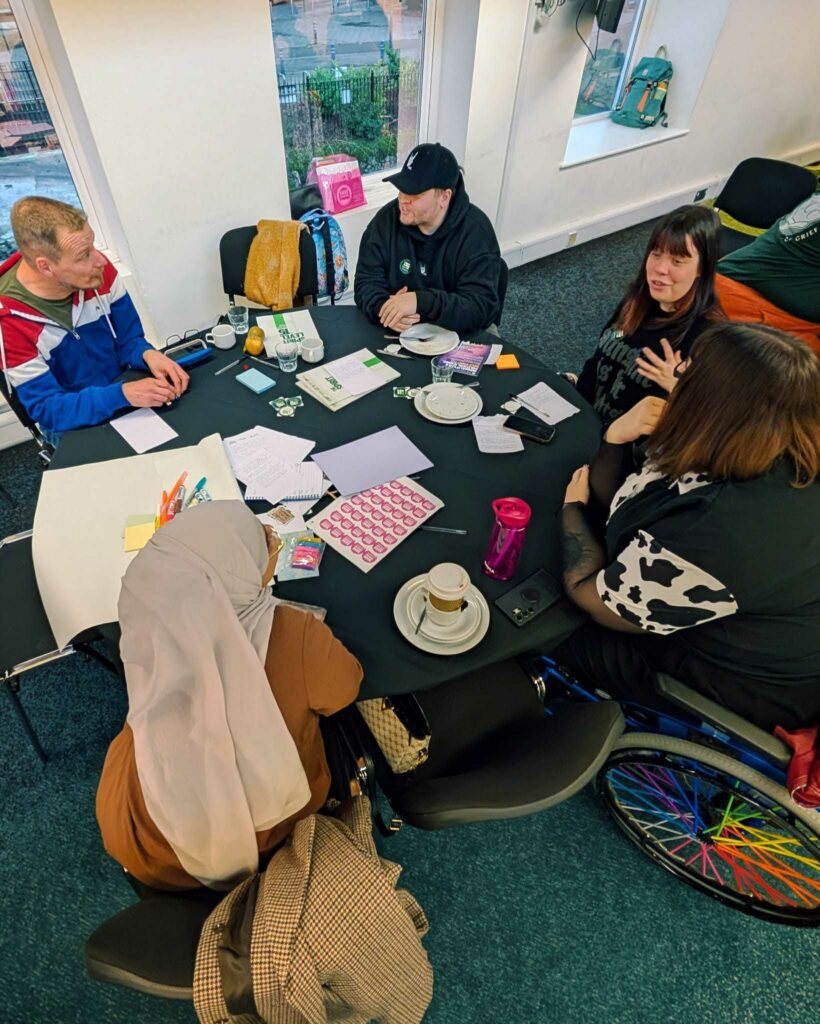
Following the film screening, attendees participated in a structured workshop designed to translate the "re-imagined Birmingham" concept into actionable themes. The discussions were categorized into three primary areas: identifying invisible barriers, defining an "Equal Brum," and establishing a roadmap for local advocacy.
Identifying Barriers
Beyond the obvious financial constraints, participants identified "psychological barriers" to cultural participation. These include the perception that certain arts venues are "not for us" due to a lack of representation or inclusive programming. Transport inequality was also cited as a major hurdle; residents in the outskirts of the city found it increasingly difficult and expensive to reach the city center for evening events following cuts to bus routes.
The Vision for Equality
The "re-imagined Brum" envisioned by the attendees included a decentralized cultural map where every ward has a dedicated, multi-use community space that is free to access. There was a strong call for "socially-prescribed culture," where the health and well-being benefits of the arts are recognized through formal policy and public funding.
Advocacy and Policy Change
The Equality Trust utilized the workshop to emphasize the importance of the Socio-Economic Duty (Section 1 of the Equality Act 2010). Although not yet fully commenced by the central government in England, many local authorities, including those in Scotland and Wales, have adopted it to ensure that public bodies consider how their decisions can reduce the inequalities of outcome caused by socio-economic disadvantage. Workshop participants discussed how a more robust application of this duty in Birmingham could have protected cultural and youth services from the most severe budget cuts.
Broader Implications and Analysis
The "Conversations of Change" project underscores a growing trend in urban policy: the recognition that cultural access is a fundamental component of economic justice. When a segment of the population is priced out of the city’s cultural life, it leads to "cultural poverty," which reinforces social stratification.
The collaboration between The Equality Trust and the Barrow Cadbury Trust highlights the role of the third sector in filling the void left by state retrenchment. However, as noted by several participants, philanthropic funding cannot be a permanent substitute for a well-funded local government. The event served as a reminder that the "broken system" described by the Community Reporters is a result of specific political and economic choices, which can be challenged through organized community action and evidence-based advocacy.
The documentary film is now being used as an educational tool for local policymakers and community groups. By documenting the specific ways in which inequality limits the lives of Birmingham residents, the project provides a data-driven argument for the restoration of community funding and the protection of public spaces.
Conclusion and Future Directions
The success of the Birmingham workshop has prompted calls for similar initiatives across the West Midlands. The Equality Trust has indicated that it will continue to support the Community Reporter network, providing a platform for marginalized voices to influence the local political discourse.
As Birmingham continues to navigate its recovery from financial crisis, the insights gathered from the "Re-imagine a Better Brum" event provide a vital blueprint. The emphasis on "place-based" economic justice ensures that solutions are not imposed from the top down but are instead rooted in the actual needs and aspirations of the city’s residents. The project concludes with a clear message: a city’s wealth is not measured solely by its skyline or its commercial output, but by the ability of all its citizens to participate fully in its cultural and social life.
The Equality Trust has invited the public to engage with the film and the ongoing findings of the project through their digital platforms, aiming to keep the conversation regarding socio-economic duty at the forefront of the upcoming municipal election cycles.