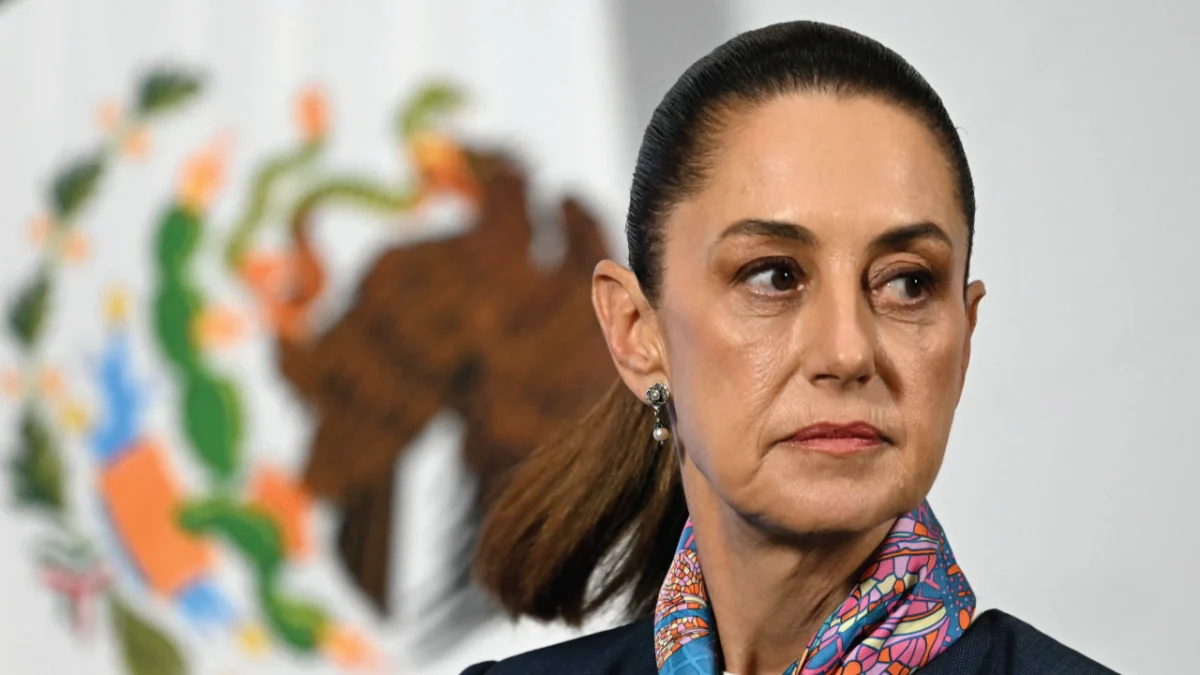
Sixteen months into her presidency, Mexican President Claudia Sheinbaum continues to hold a generally favorable standing among the Mexican populace. However, a recent Pew Research Center survey conducted in the spring of 2026 reveals a notable shift, with a decrease in the positive perceptions of both President Sheinbaum and her left-leaning political party, Morena, compared to the previous year. This subtle but significant erosion of public favor coincides with a broader national sentiment characterized by declining views of the country’s economic situation and a diminishing satisfaction with the functioning of its democracy.
The survey, which polled 1,017 Mexican adults between February 20 and April 10, 2026, provides a snapshot of public opinion amidst a complex domestic and international landscape. Notably, the fieldwork for this survey concluded before two significant events that have since shaped the narrative around security and governance in Mexico. The first was the reported death of cartel leader Nemesio Oseguera Cervantes, known as "El Mencho," in the custody of Mexican special forces, an event followed by retaliatory violence across the country. The second was the indictment of Sinaloa Governor Rubén Rocha Moya by U.S. authorities on charges related to aiding the Sinaloa drug cartel, a development that led to his subsequent resignation from office. The timing of the survey’s data collection means these recent crises are not directly reflected in the reported figures but provide crucial context for understanding potential future shifts in public sentiment.
Declining Favorability for Sheinbaum and Morena
The latest Pew Research Center data indicates a clear downward trend in public approval for both President Sheinbaum and the Morena party. In the spring of 2026, 64% of Mexican adults expressed a favorable view of President Sheinbaum, a significant decrease from the 83% who held a positive opinion in 2025. This decline is further underscored by a sharp drop in the number of respondents who hold a very favorable view, which has fallen from 46% to 24% year-over-year.
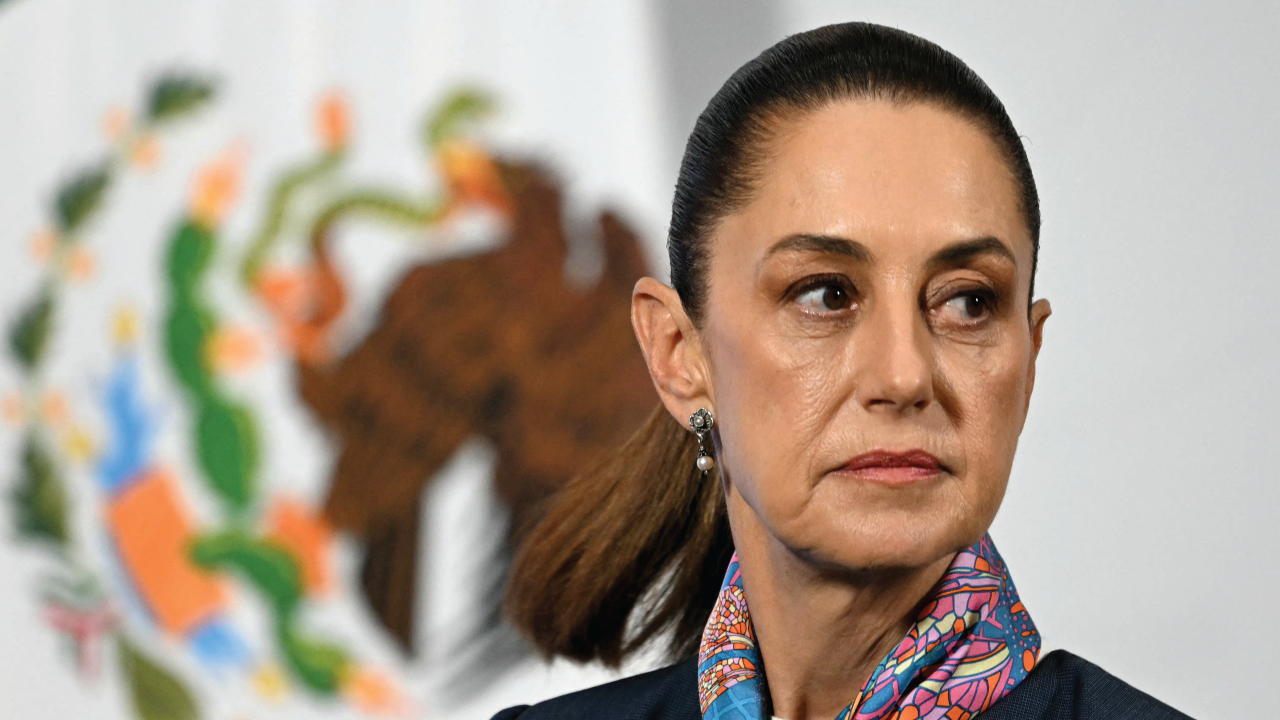
Similarly, the Morena party, the political vehicle through which President Sheinbaum ascended to power, has seen its favorable ratings slip. In 2026, 61% of Mexicans viewed the party favorably, a decline from 78% in the previous year. Despite this decrease, Morena continues to maintain a substantial lead over its political rivals. The survey indicates that Morena is the only major political party in Mexico that a majority of the populace views favorably. For comparison, the Citizens’ Movement (MC) garnered a 44% favorable rating, the National Action Party (PAN) stood at 30%, and the Institutional Revolutionary Party (PRI) at 26% in the 2026 survey. This suggests that while public sentiment towards Morena has softened, its dominance in the political landscape remains largely unchallenged by other established parties.
Mixed Performance on Key Issues
President Sheinbaum’s administration faces a nuanced public assessment regarding its handling of various domestic and international challenges. While she receives generally positive marks for her performance in areas such as education, the economy, and relations with the United States, her administration’s efforts to combat organized crime and corruption are met with more skepticism.
Specifically, 65% of Mexican adults approve of Sheinbaum’s handling of education, and 61% approve of her management of the economy. Her stewardship of relations with the U.S. also garners a 55% approval rating. These figures suggest a public that largely trusts her leadership on issues perceived as fundamental to national well-being and international standing.
However, the data reveals a starkly different picture when it comes to security and governance. A majority of respondents, 53%, disapprove of her handling of fighting organized crime and drug traffickers. The same percentage, 53%, also disapproves of her efforts to combat corruption. This sentiment is further detailed by the breakdown of approval and disapproval, with a significant portion expressing strong disapproval in these critical areas. For instance, 35% of respondents strongly disapprove of her approach to organized crime, and 34% hold the same strong negative view regarding corruption.

Analysis of these differing approval ratings suggests a potential disconnect between the public’s expectations and the administration’s perceived effectiveness in addressing deeply entrenched issues. The persistent challenges of drug cartels and corruption, which have long plagued Mexico, continue to be significant concerns for citizens, and any perceived lack of progress in these areas can have a substantial impact on overall presidential approval.
Furthermore, the survey highlights a partisan divide in how the public perceives Sheinbaum’s performance. Supporters of her Morena party and its allied parties in the 2024 presidential election – the Ecologist Green Party of Mexico (PVEM) and the Labor Party (PT) – are considerably more likely to offer positive assessments of her handling of various issues compared to non-supporters. For example, 56% of Morena supporters approve of her handling of corruption, contrasting with only 37% of those who do not support the party. This indicates that political affiliation remains a strong determinant of public opinion regarding the president’s effectiveness.
Economic Outlook Dims, Democracy Satisfaction Wanes
Beyond the assessments of the president and her party, the Pew Research Center survey also captured a notable downturn in Mexicans’ views on the national economy and the state of their democracy. In the spring of 2026, approximately half of all Mexican adults (49%) believe the country’s economic situation is good, a decline from 61% in 2025. This sentiment shift appears to be occurring against a backdrop of actual economic headwinds, as Mexico’s economy experienced a contraction in the first quarter of 2026, a development that likely contributes to the public’s more pessimistic outlook.
The decline in positive economic sentiment is particularly pronounced among those who identify with the ideological left. The share of left-leaning individuals who described the economic situation as good dropped by a substantial 24 percentage points since the previous year. In contrast, those on the right and in the center experienced more modest declines of 6 percentage points. This suggests that economic anxieties may be disproportionately affecting certain segments of the population, potentially influencing their broader political perspectives.

The erosion of public confidence extends to the democratic system itself. Satisfaction with the way democracy is functioning in Mexico has fallen significantly, with only 33% of Mexicans expressing contentment in 2026, down from 51% in 2025. Similar to the economic outlook, this decline in democratic satisfaction is largely driven by a decrease in optimism among those on the ideological left. This trend could signal growing disillusionment with the political system’s ability to deliver on its promises or address pressing national issues effectively.
Contextualizing the Survey Findings
The period between February and April 2026, during which the survey was conducted, was marked by significant developments that, while not directly captured by the survey’s final data points, provide important context. The reported death of "El Mencho," a high-profile figure in Mexico’s organized crime landscape, and the subsequent wave of violence, underscored the persistent and formidable security challenges facing the nation. Such events can heighten public anxiety and scrutiny of the government’s security policies, potentially contributing to a decline in approval for leaders perceived as not effectively managing these threats.
Furthermore, the indictment of Governor Rocha Moya highlighted ongoing concerns about corruption and the infiltration of organized crime within governmental structures. While the survey’s fieldwork concluded before this indictment became public knowledge, the underlying issues of corruption and the influence of drug cartels are pervasive concerns that likely influence public sentiment even before specific high-profile cases emerge. These ongoing challenges to the rule of law and public safety can erode trust in institutions and leadership, contributing to the observed declines in favorability and satisfaction.
Broader Implications and Future Outlook
The findings from the Pew Research Center survey suggest a maturing public opinion in Mexico, where initial enthusiasm for a new political leadership and party may be tempered by the realities of governance and persistent national challenges. President Sheinbaum, despite a decline in her favorable ratings, still commands a majority approval, indicating a solid base of support. However, the downward trends in her approval and that of her party, coupled with declining views on the economy and democracy, signal a need for the administration to address underlying public concerns more effectively.

The administration’s ability to navigate the complex security situation, demonstrate tangible progress in combating corruption, and foster economic growth will be critical in the coming months. The divergence in views between ideological groups on economic issues also suggests that targeted policy interventions and clear communication strategies may be necessary to address specific demographic anxieties.
The survey’s methodology, which involved a nationally representative sample of 1,017 Mexican adults, provides a robust basis for these conclusions. The research was designed to accurately reflect the opinions of the adult population across Mexico, building upon Pew Research Center’s extensive history of international public opinion research. Understanding these trends is crucial for policymakers, political analysts, and the public alike as Mexico continues to navigate its path forward. The data serves as a vital barometer of public sentiment, offering insights into the challenges and opportunities that lie ahead for President Sheinbaum’s administration and the nation as a whole.
The full survey questions and methodology documents are available for further review, offering a comprehensive look at the data underpinning these analyses. This research provides a critical lens through which to understand the evolving political and social landscape of Mexico.