Before the advent of modern medical paradigms, Indigenous Peoples across the globe cultivated intricate systems of healthcare. These practices, honed over generations through deep ecological understanding and communal rituals, addressed illness and fostered well-being. Today, through initiatives like Cultural Survival’s Indigenous Youth Fellowship Program, young Indigenous women are spearheading efforts to reclaim and disseminate this vital ancestral knowledge, focusing particularly on women’s health and the continuity of traditional practices. Three fellows, representing the Muisca of Colombia, the Ngäbe of Costa Rica, and the Kichwa Otavalo of Ecuador, are at the forefront of this movement, revitalizing pathways once trod by their maternal ancestors and ensuring these lifeways remain accessible to their communities.
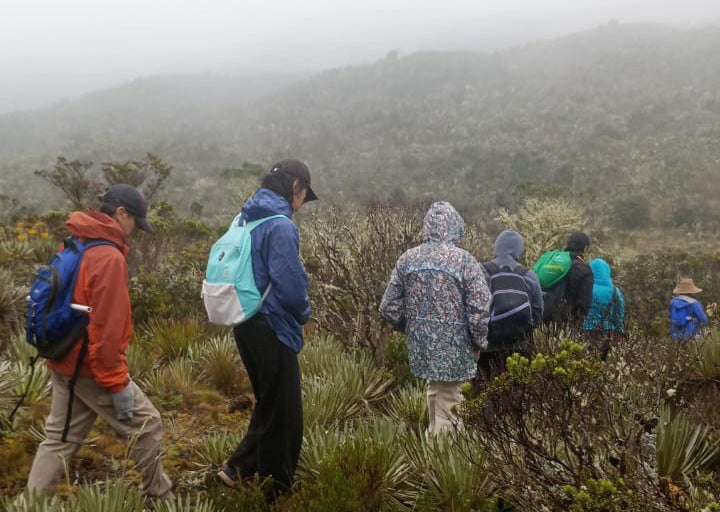
The contemporary healthcare landscape, often dominated by Western biomedical models, frequently overlooks or marginalizes the sophisticated healing traditions that have sustained Indigenous communities for millennia. These traditions are not merely a collection of remedies but are deeply intertwined with cosmology, social structures, and a profound respect for the natural world. They encompass a holistic understanding of health, addressing physical, emotional, spiritual, and communal well-being. The Indigenous Youth Fellowship Program, by supporting these young women, aims to bridge the intergenerational knowledge gap, ensuring that practices related to midwifery, menstruation, herbalism, and the broader spectrum of womanhood are not lost to time.
Muisca Resilience: Reclaiming Women’s Medicine in Colombia
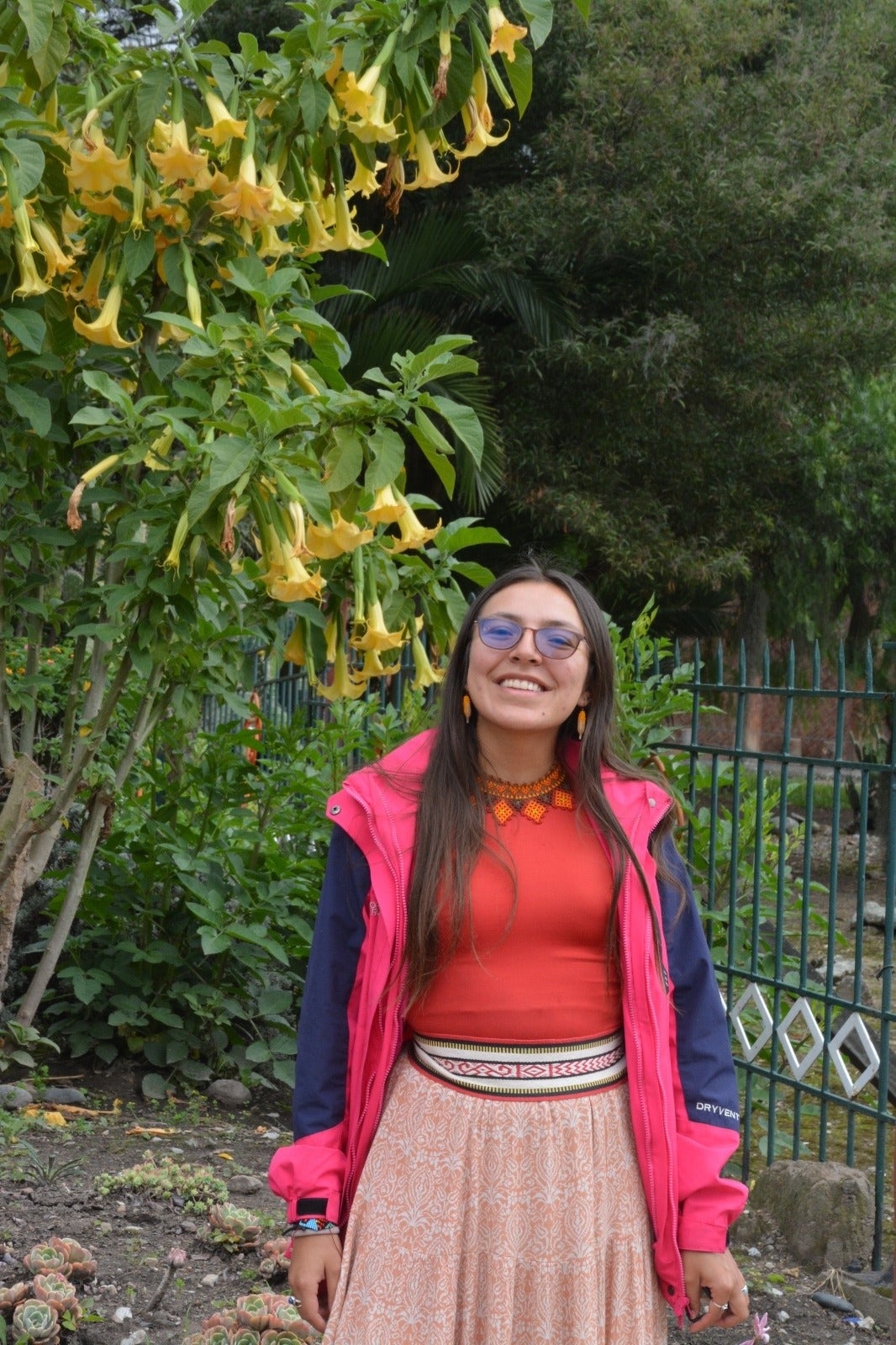
Gabriella Garibello Daza, a 2025 Youth Fellow from the Muisca community in Colombia, is dedicated to the resurgence of ancestral Muisca medicine and midwifery. Residing in the territory historically known as Mhuykytá, now Bogotá, Daza brings a rich background in literature, collective Indigenous action, and language revitalization to her work. Her co-founding of the "Tinzi" (meaning "to bloom") Indigenous collective and her leadership in the Bosa Native Language Revitalization Program have equipped her with the skills to facilitate discussions on cultural identity, health, oral traditions, and Indigenous education. Her current apprenticeship in Muisca ancestral medicine and midwifery signifies a deep commitment to embodying and transmitting this knowledge.
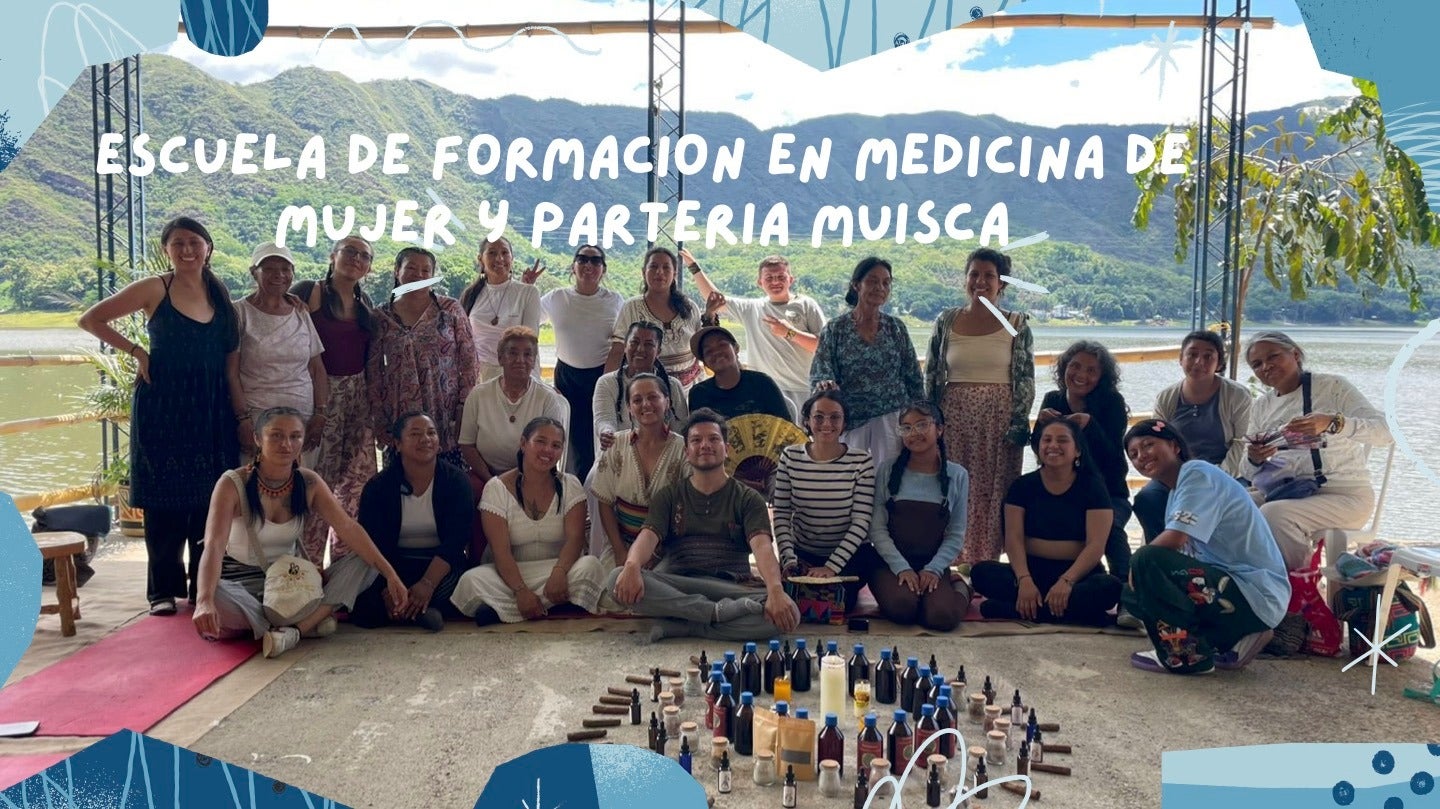
Daza’s project, in collaboration with co-coordinators Erika Samantha Galeano, Wendy Lorena Díaz Pachón, and Deina Catherine Tovar, established the "Escuela de Formación en Medicina Natural de Mujer y Partería Tradicional Muisca" (School of Training in Natural Medicine for Women and Traditional Muisca Midwifery). This initiative, named after an existing educational institution, underscores the critical importance of re-integrating Indigenous identities through robust community building and facilitated knowledge exchange. The project’s core mission was to empower Muisca women through preventative care, enhancing their physical, emotional, and spiritual well-being. Daza observed a pervasive need within her community: "Women in these communities are usually caring for others, but they don’t often have the time to care for themselves."
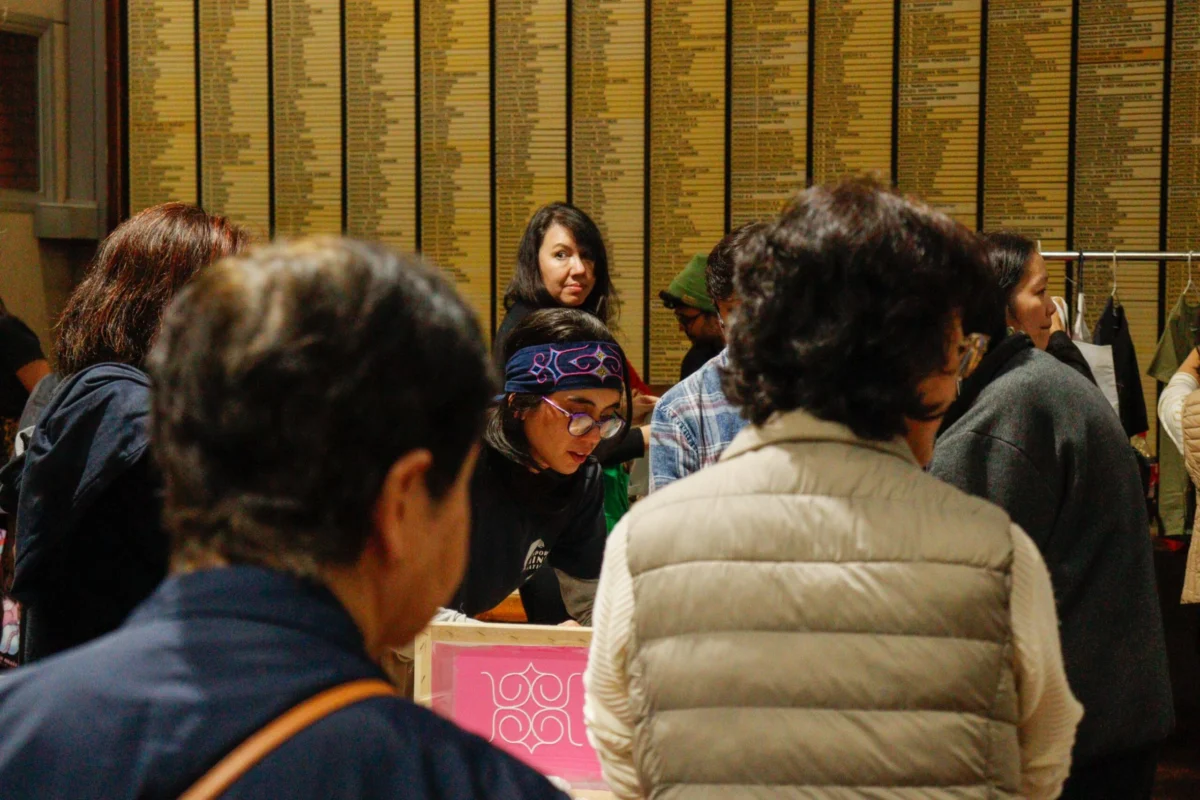
Over an eight-month period, twenty participants from four distinct Muisca communities convened monthly for intensive knowledge transfer sessions. The program was structured into four interconnected "spirals": Tasqua ("thought"), Quyca ("territory"), Puyky ("heart"), and Sie ("water"). Each spiral encompassed immersive capacity-building workshops, integrating various facets of Muisca knowledge. Topics ranged from the intricate art of weaving and understanding menstruation in relation to lunar cycles to practices such as womb work, traditional massages, therapeutic baths, steam treatments, and the application of herbal remedies. This multi-faceted approach ensured a comprehensive engagement with ancestral healing practices.
The project’s impact was profound, as Daza herself noted a significant personal growth. She realized her capacity to create and hold supportive spaces for her community, spaces that had once nurtured her. This realization has solidified her resolve to continue establishing women-led initiatives, recognizing the deep connection and healing potential inherent in such environments. Daza emphasizes that intergenerational knowledge transmission is a collective endeavor, stating, "The path of a leader is in company and not individually. It’s not about one person leading everything, it’s a shared responsibility." This sentiment highlights the communal ethos central to Indigenous leadership and knowledge preservation.
Bridging Worlds: Ngäbe Maternal Health and Rights in Costa Rica
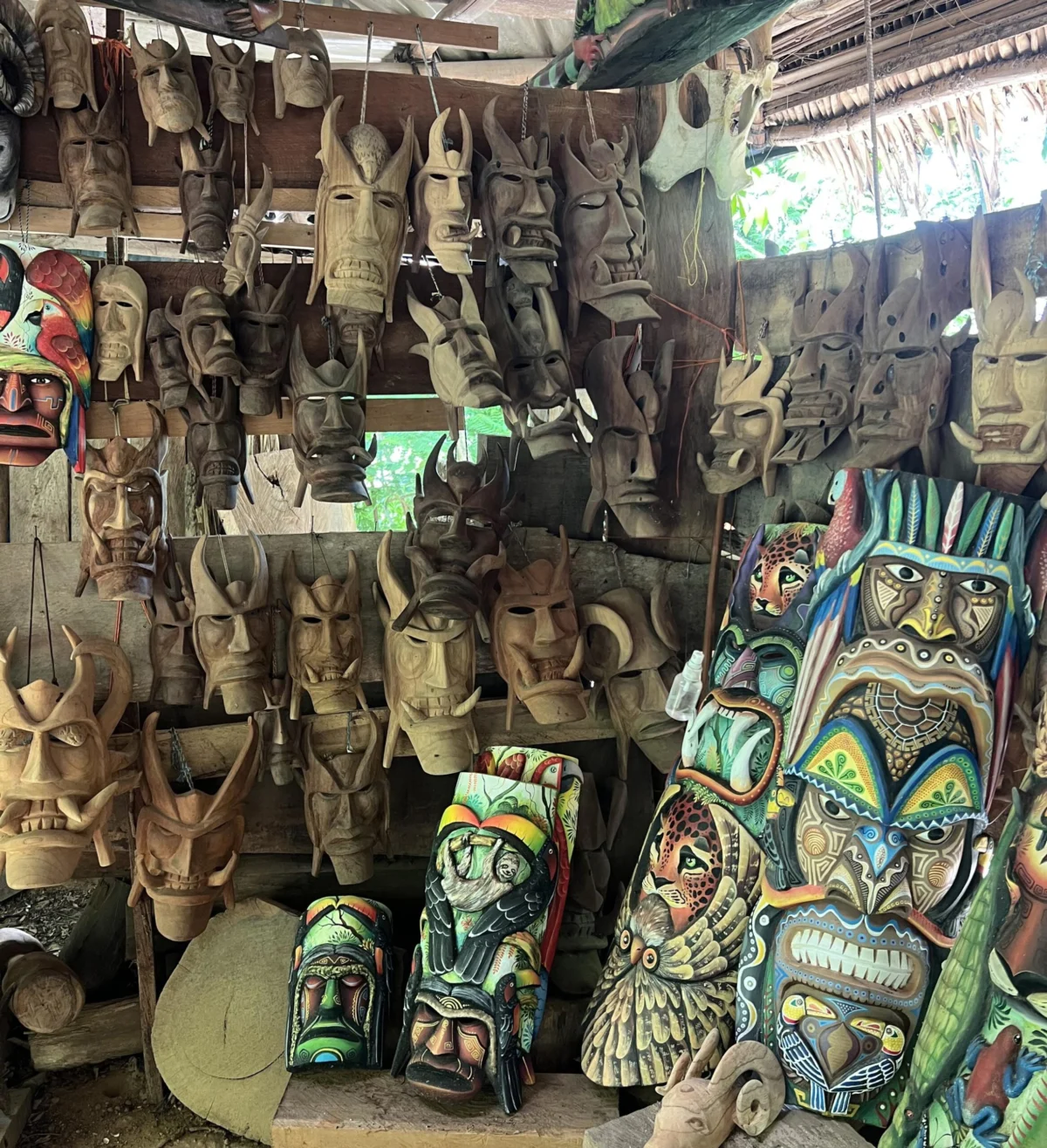
Thalía Jiménez Tomás, a 2025 Youth Fellow from the Ngäbe Indigenous community in Costa Rica, is championing the recovery of intercultural maternal health knowledge. Residing in the Limón province, Tomás is a co-founder of the Meri Derikä Ngäbe Association (Ngäbe Women Leaders of Sixaola) and holds a degree in Local Management for Indigenous Peoples. Her advocacy has been instrumental in the creation of Law Number 9710 in 2018, which officially recognizes the identities of Indigenous and Tribal peoples and establishes protective measures for them. For her tireless work with the Indigenous Women’s Organization and her efforts to promote the rights of the Ngäbe people, Tomás was honored with the 2024 European Union’s Gender Equality Award.
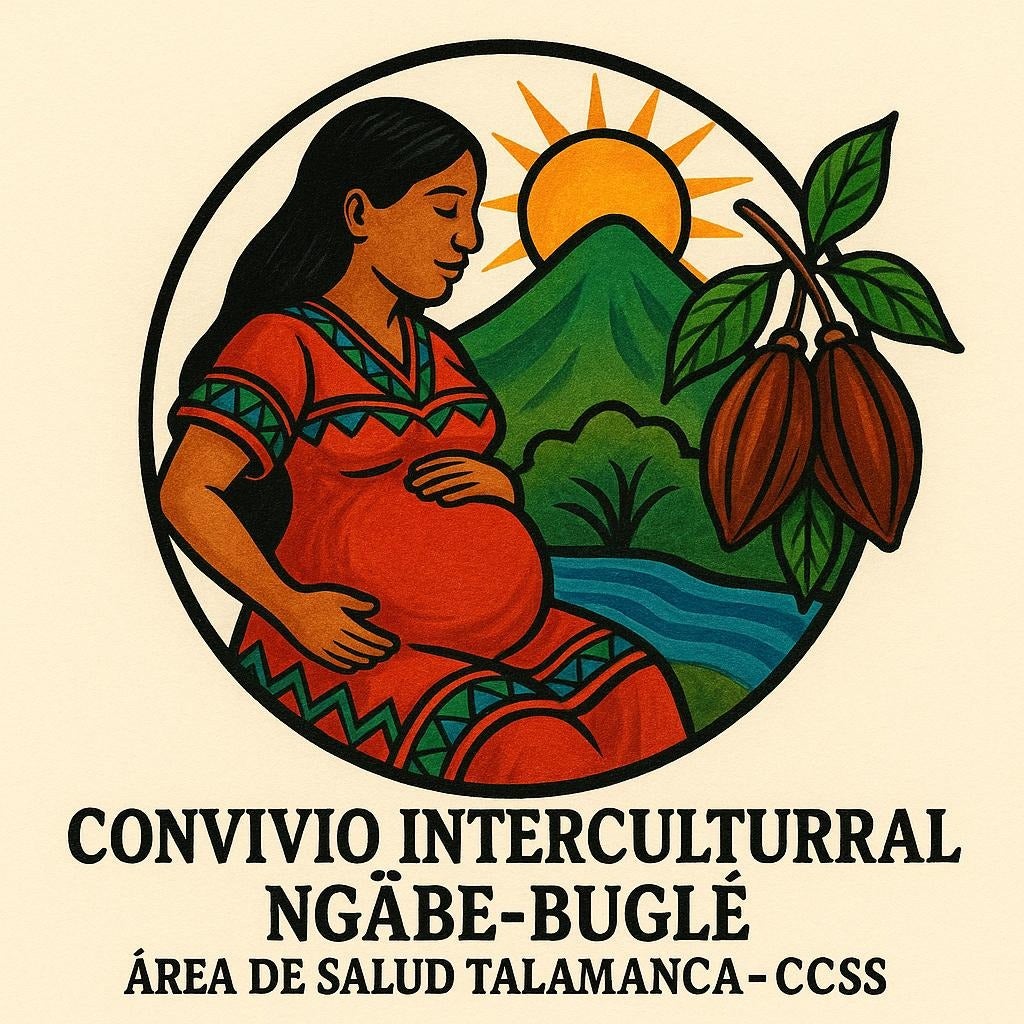
Tomás’s project, titled "Meritre krëgae Dean nain, migatrë gare monsotre ngäbere (Maternal Health as a Vision in Ngäbe Youth)," aimed to foster a crucial dialogue between Ngäbe traditional midwives, women, youth, and state-sanctioned healthcare providers. The Ngäbe community faces significant challenges in accessing adequate medical care. Long distances and arduous travel make healthcare facilities difficult to reach. Furthermore, a pervasive language barrier at these centers often leads to misunderstandings, potentially resulting in consent to treatments that conflict with Indigenous cosmologies or that women simply do not comprehend. While legal protections exist to prevent such occurrences, awareness within the community remains limited.
A significant consequence of these barriers is that many Ngäbe women give birth at home. This practice, however, leads to further complications when children enroll in school, as mothers often lack birth certificates. The state lacks official documentation confirming the child’s residency within Ngäbe communities or their Costa Rican citizenship. These lived experiences underscore the urgent need for initiatives like Tomás’s project.
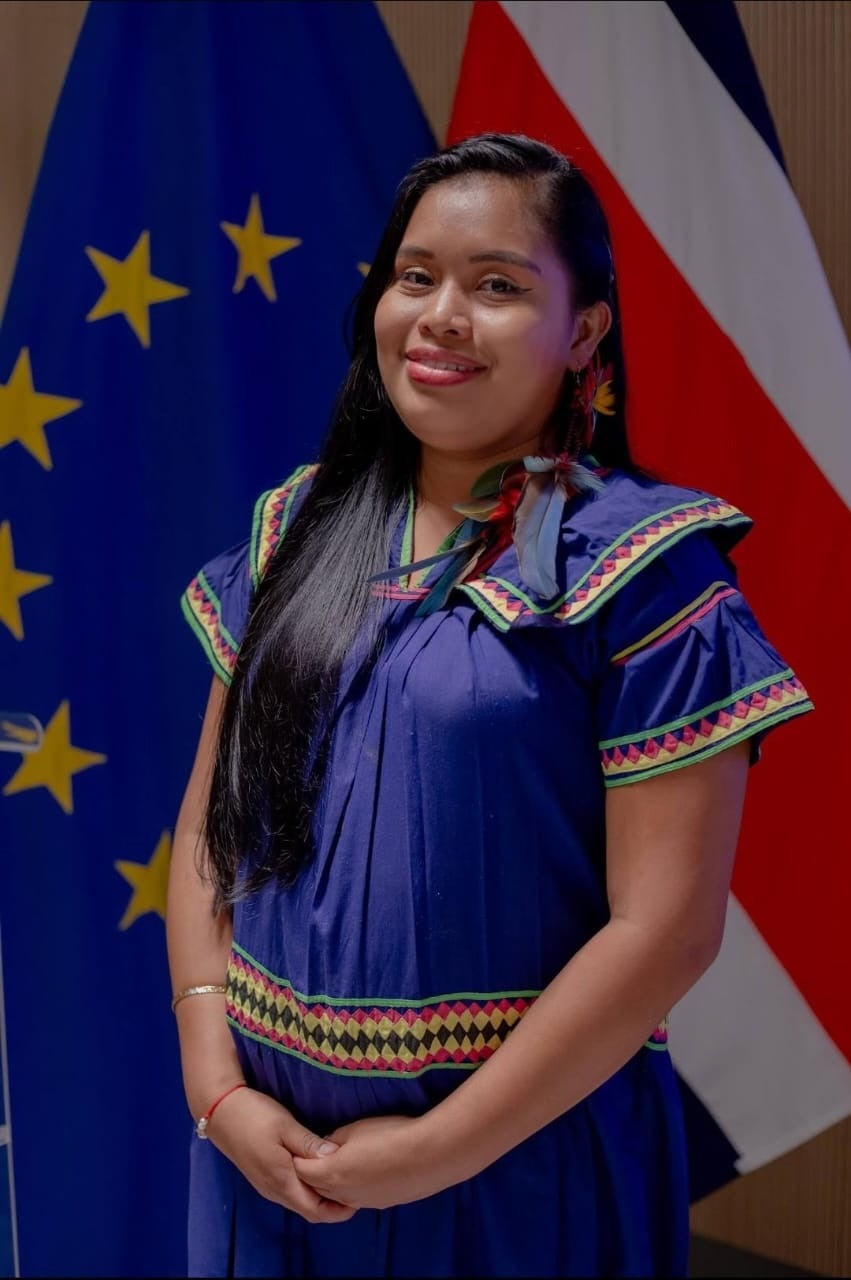
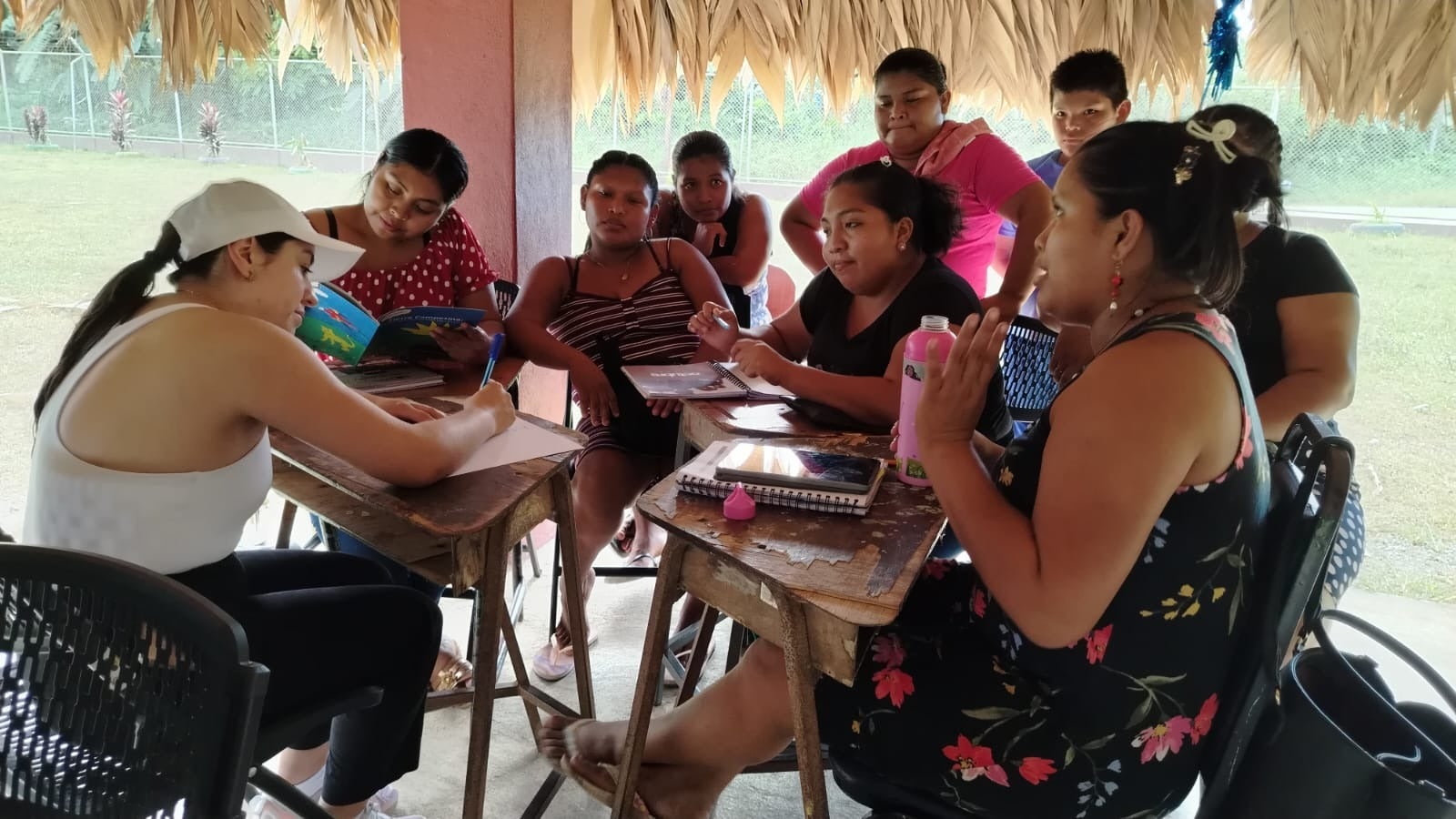
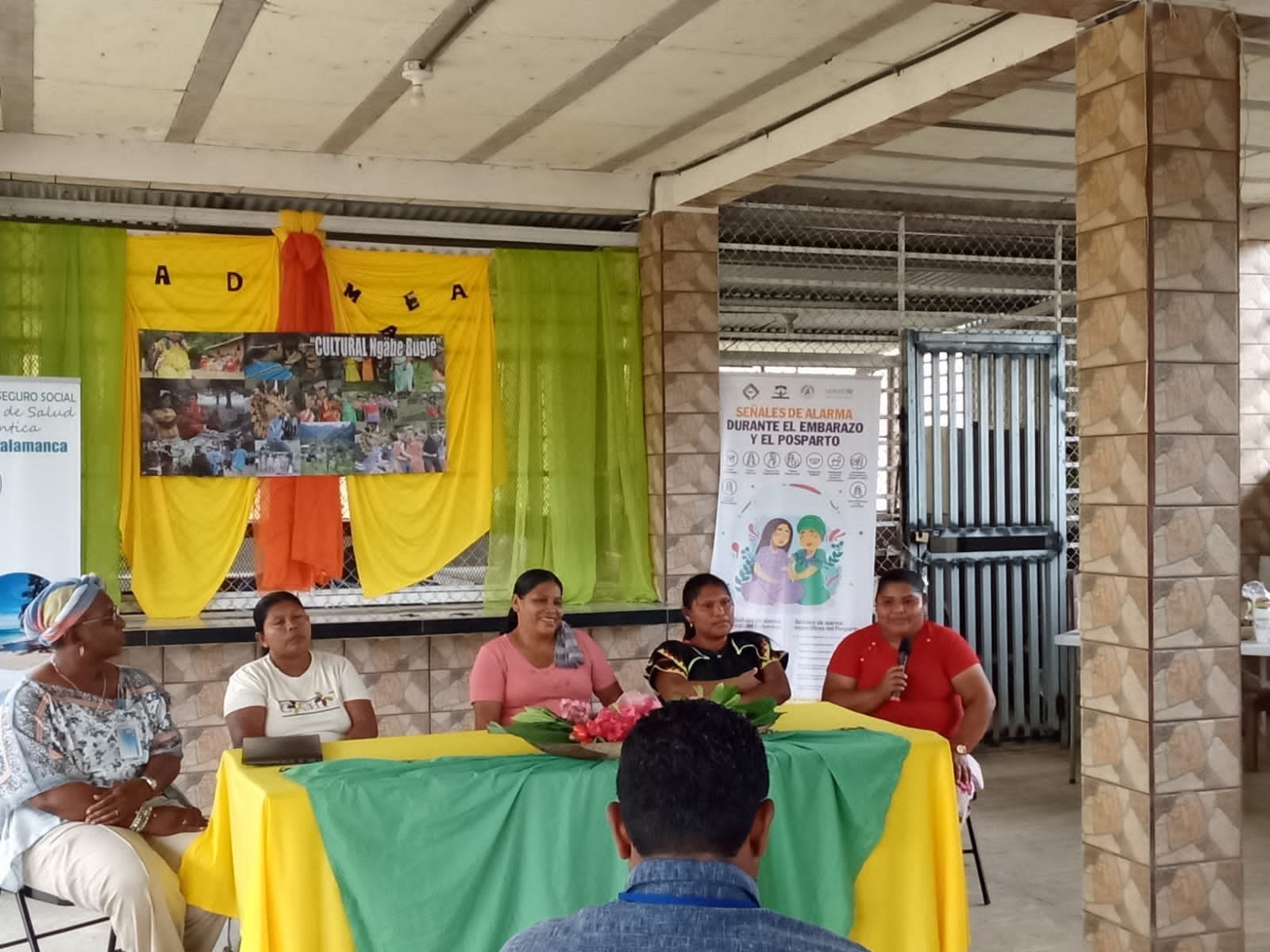
Through her work, Tomás’s project has directly benefited over 40 women across four Ngäbe communities. Participants gained access to vital knowledge exchange sessions and medicinal herbs. Crucially, they engaged in direct dialogue with health officials, including obstetricians, where they were able to articulate their needs and advocate for healthcare practices that align with their cosmological beliefs. The impact of this initiative has been recognized beyond the community, with the University of Costa Rica reaching out to request a workshop on the project’s findings.
Tomás views her project as an honor and a testament to the enduring connections among women, transcending imposed state borders. She notes, "These borders were placed by the States, yet the connections women had amongst themselves already existed." Inspired by the project’s success, Tomás is actively engaged in securing a State-recognized territory for the Ngäbe people, a vital step in preserving their identity and cultural practices. She recognizes the risk of disintegration of Indigenous identities and ancestral practices when communities are displaced or lack secure territorial belonging. Her ongoing efforts are crucial for ensuring that future generations remember their origins and their identity.
Preserving Knowledge: Kichwa Otavalo Midwifery and Science in Ecuador
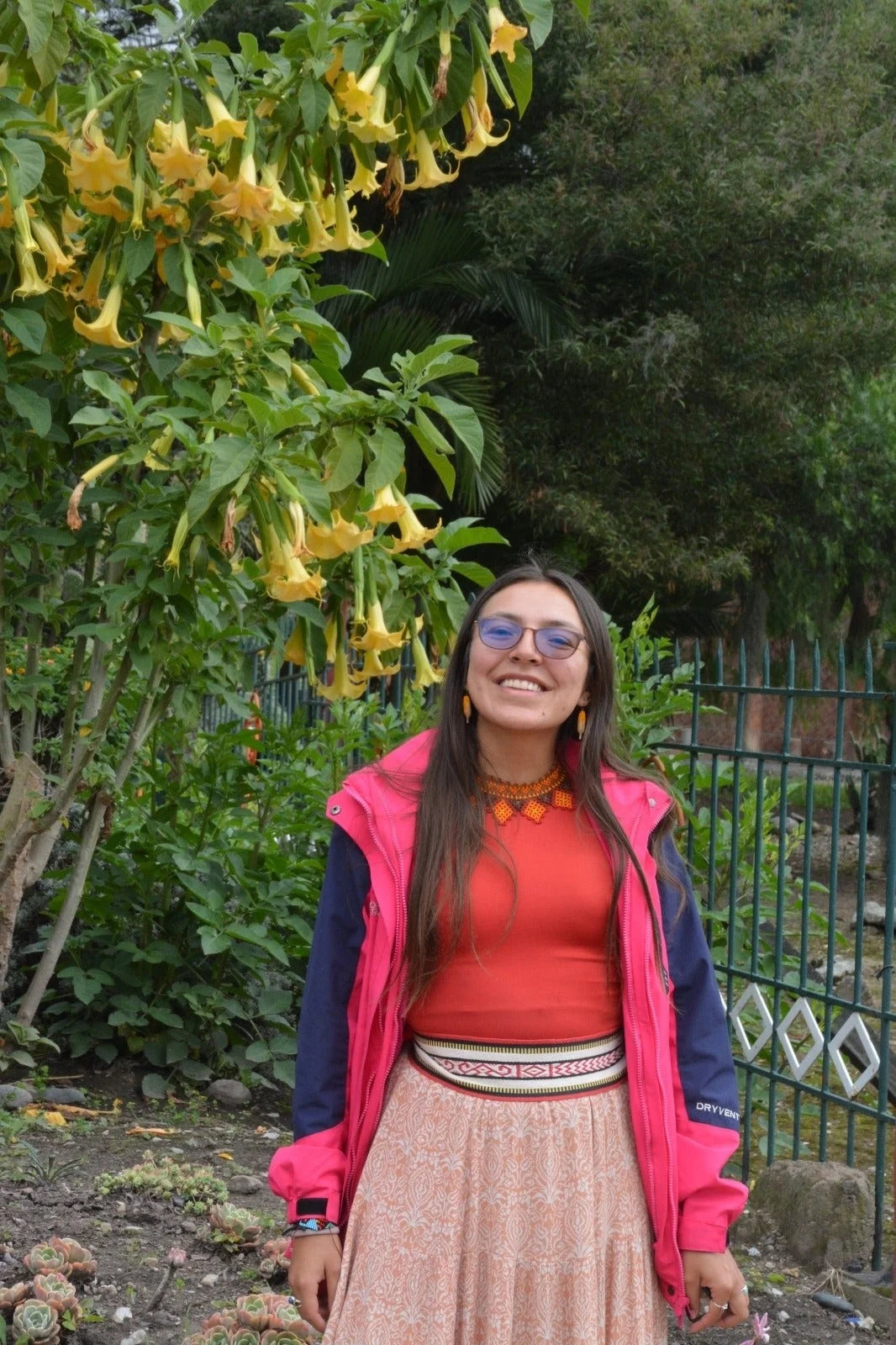
Cenia Kaina Córdova Pichamba, an Indígena Kichwa Otavalo woman from Peguche, Imbabura, Ecuador, is another impactful 2025 Youth Fellow. With a degree in Arts and Humanities and further education in Anthropology, research, and cultural heritage, Pichamba is deeply invested in her community’s cultural continuity. Her community, Doctor Miguel Egas Cabezas Peguche, is comprised of several Indigenous communities historically known for their textile workshops. However, this heritage is increasingly viewed through an archaeological lens, risking the perception of being a relic of the past. Elders have voiced profound concerns about the erosion of identity, and while youth engagement offers hope, culturally significant customs, including traditional childbirth practices, are on the brink of being lost.
Locating experienced midwives has become increasingly challenging due to their advanced age, language barriers, memory loss, and the absence of documented ancestral knowledge. In response to these critical issues, Pichamba’s project, "Yuyaykuna," meaning "knowledge" in Kichwa, was designed to intentionally address this gap. The initiative aims to compile and formally recognize Indigenous science and knowledge, asserting its relevance not as mere folklore but as an integral part of everyday life.
The project’s methodology heavily emphasized meticulous record-keeping. This involved documenting and collecting oral histories through interviews with Kichwa midwives, creating photographic records that corroborate these narratives, and capturing striking portraits of the midwives and medicinal plants. Through carefully curated visual documentation, "Yuyaykuna" seeks to dismantle harmful stereotypes often associated with Indigenous figures and to foster a dialogue about the power of recognizing identity and its constructive role.
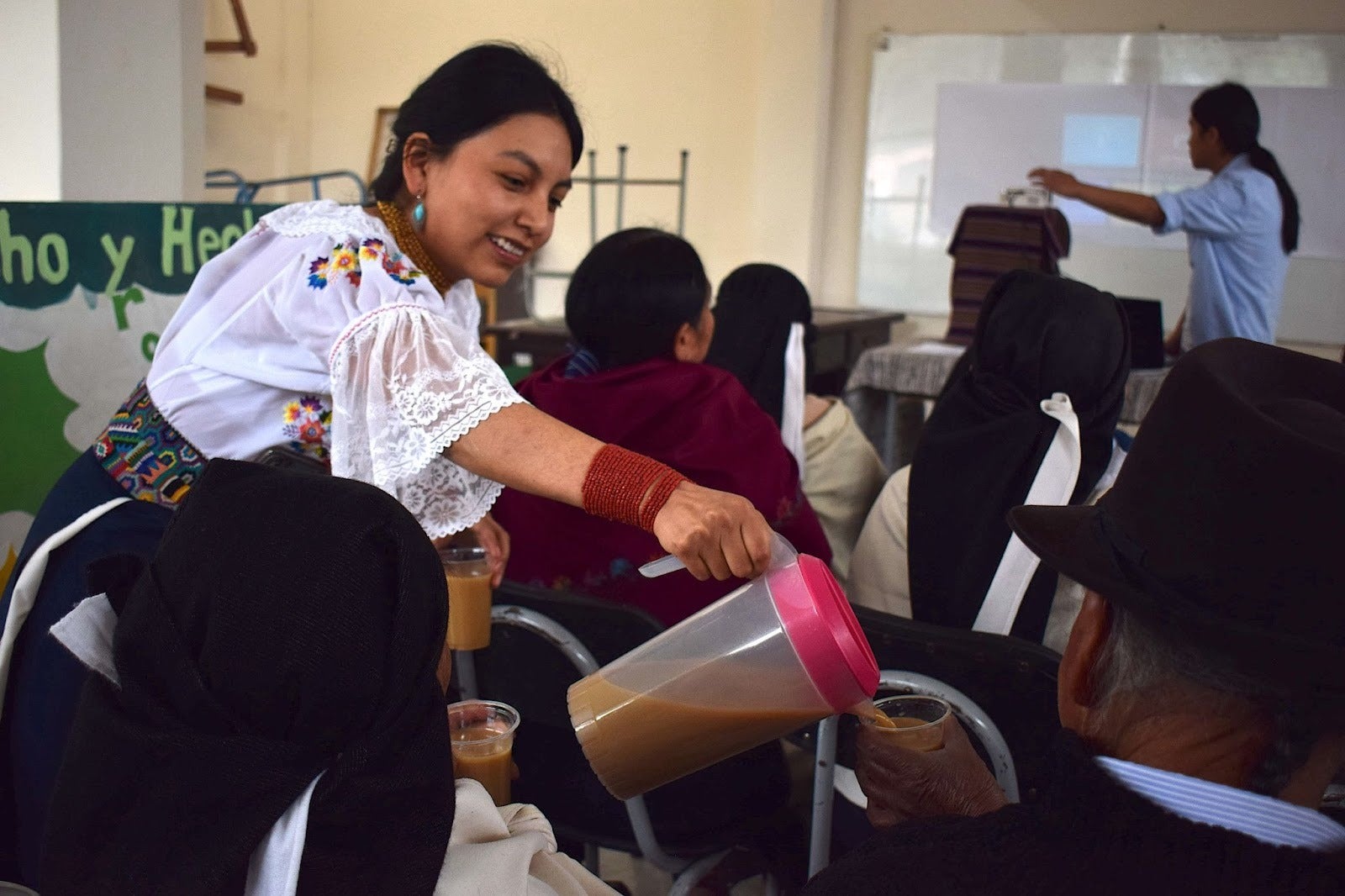
Following the documentation phase, Pichamba organized a significant gathering for ten midwives. This event facilitated an invaluable exchange of information, allowing for constructive critique, feedback, and mutual reinforcement of their shared experiences. During the gathering, midwives and an obstetrician presented on strategies for bridging traditional customs with modern medical practices. The event also featured communal meals prepared using traditional Kichwa recipes, fostering a sense of shared heritage. Attendees received certificates of training completion, acknowledging their vital role and contributions.
Despite living in the same city, the participating midwives represented diverse cultural upbringings and practices. Nevertheless, the gathering successfully fostered a supportive network among Indigenous Kichwa women and midwives, demonstrating the strength of collective identity.
The extensive data collected during Pichamba’s project will be compiled into a photobook, serving as a crucial repository for safeguarding ancestral knowledge. By leveraging visual documentation, Pichamba aims to counter the homogenizing forces of globalization that threaten to erase Kichwa history and unique forms of knowing. Disseminating the project’s findings within the community is intended to reinforce traditional customs and create enduring tools that enhance the longevity of Kichwa cultural identity.
Broader Implications and Future Directions
The work undertaken by these Indigenous Youth Fellows holds significant implications for Indigenous self-determination, health equity, and cultural preservation. By centering Indigenous knowledge systems, these initiatives challenge the dominance of Western medical frameworks and advocate for culturally appropriate healthcare models. The intergenerational transmission of knowledge is crucial for maintaining cultural continuity and empowering future generations.
The success of these projects highlights the need for increased support for Indigenous-led initiatives that address critical health and cultural issues. Furthermore, these efforts underscore the importance of decolonizing knowledge production and recognizing Indigenous science as a valid and vital source of understanding and practice. As these young women continue their work, they are not only revitalizing ancestral traditions but also forging new pathways for health, identity, and resilience within their communities. Their dedication serves as a powerful testament to the enduring strength and adaptability of Indigenous cultures in the face of modern challenges.