New York, NY – From April 20 to May 1, 2026, the United Nations Headquarters in New York City served as the global stage for the 25th session of the United Nations Permanent Forum on Indigenous Issues (UNPFII). This pivotal gathering convened over 1,000 delegates, including Indigenous leaders, human rights advocates, government representatives, and international experts, to address the critical theme: "Ensuring Indigenous Peoples’ Health, Including in the Context of Conflict." Despite facing significant challenges, including reported funding cuts and complex visa and travel restrictions influenced by the current global political climate, the persistent engagement of Indigenous Peoples underscored their unwavering commitment to advocating for their rights and well-being.
The UNPFII, established in 2000 by the UN Economic and Social Council (ECOSOC) with the mandate to provide expert advice and a forum for Indigenous issues within the UN system, holds annual sessions to discuss issues concerning Indigenous Peoples concerning economic and social development, culture, environment, education, health, and human rights. The 25th session marked a significant milestone, coming at a time when the implementation of the UN Declaration on the Rights of Indigenous Peoples (UNDRIP), adopted in 2007, remains a persistent concern for Indigenous communities worldwide. UNDRIP, a comprehensive instrument outlining the individual and collective rights of Indigenous Peoples, including their rights to culture, identity, language, employment, health, and self-determination, has yet to be fully enacted by many member states, leading to ongoing challenges in securing fundamental rights and protections.
A Forum for Amplification and Advocacy
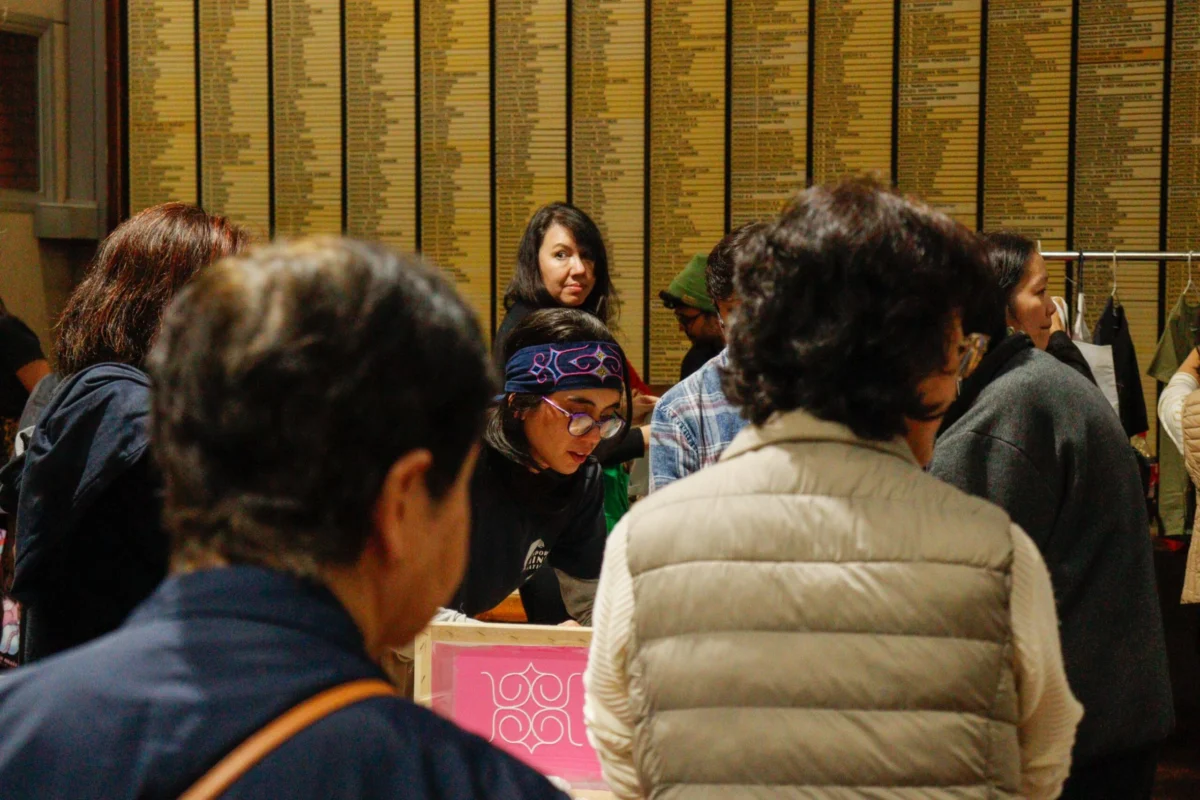
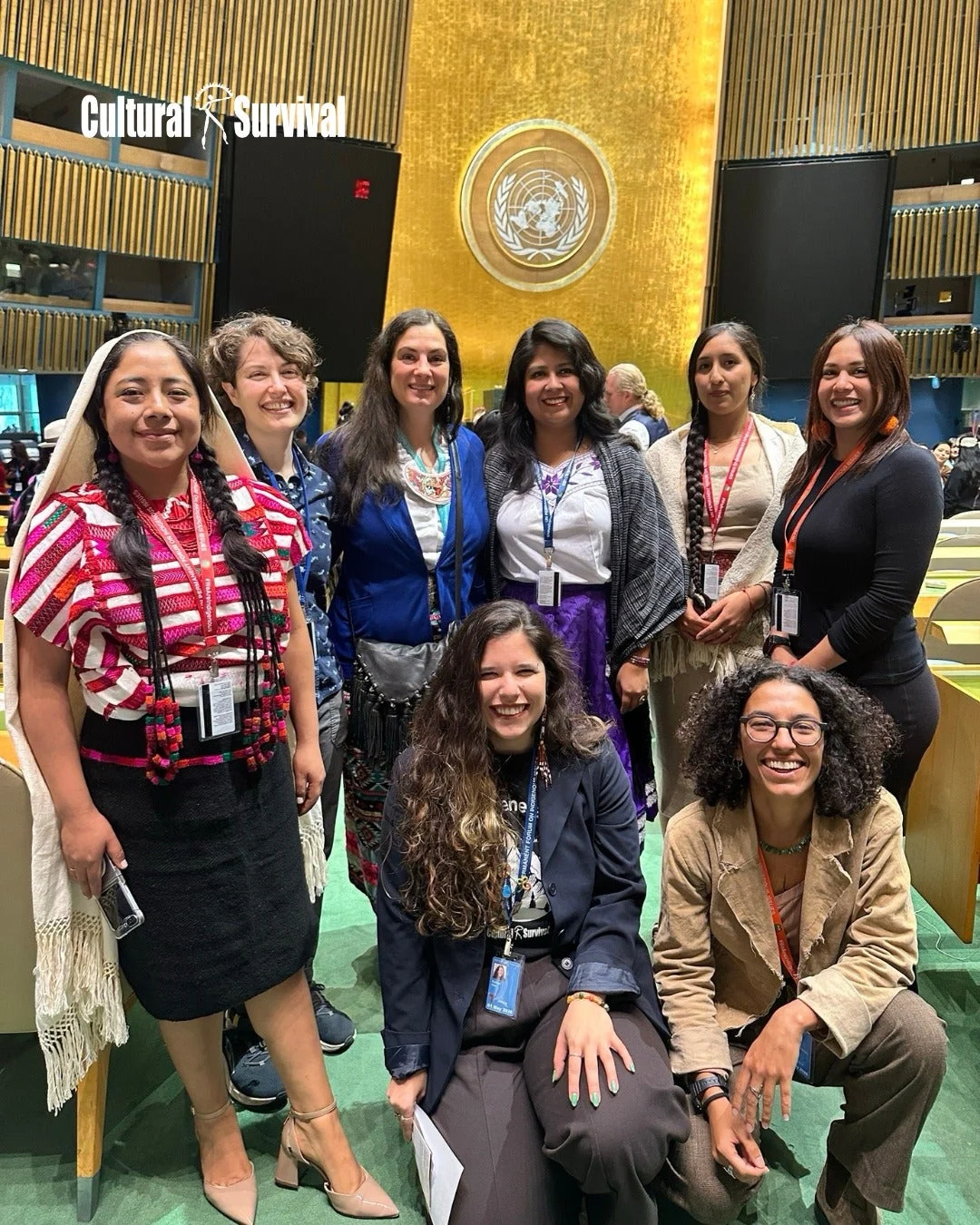
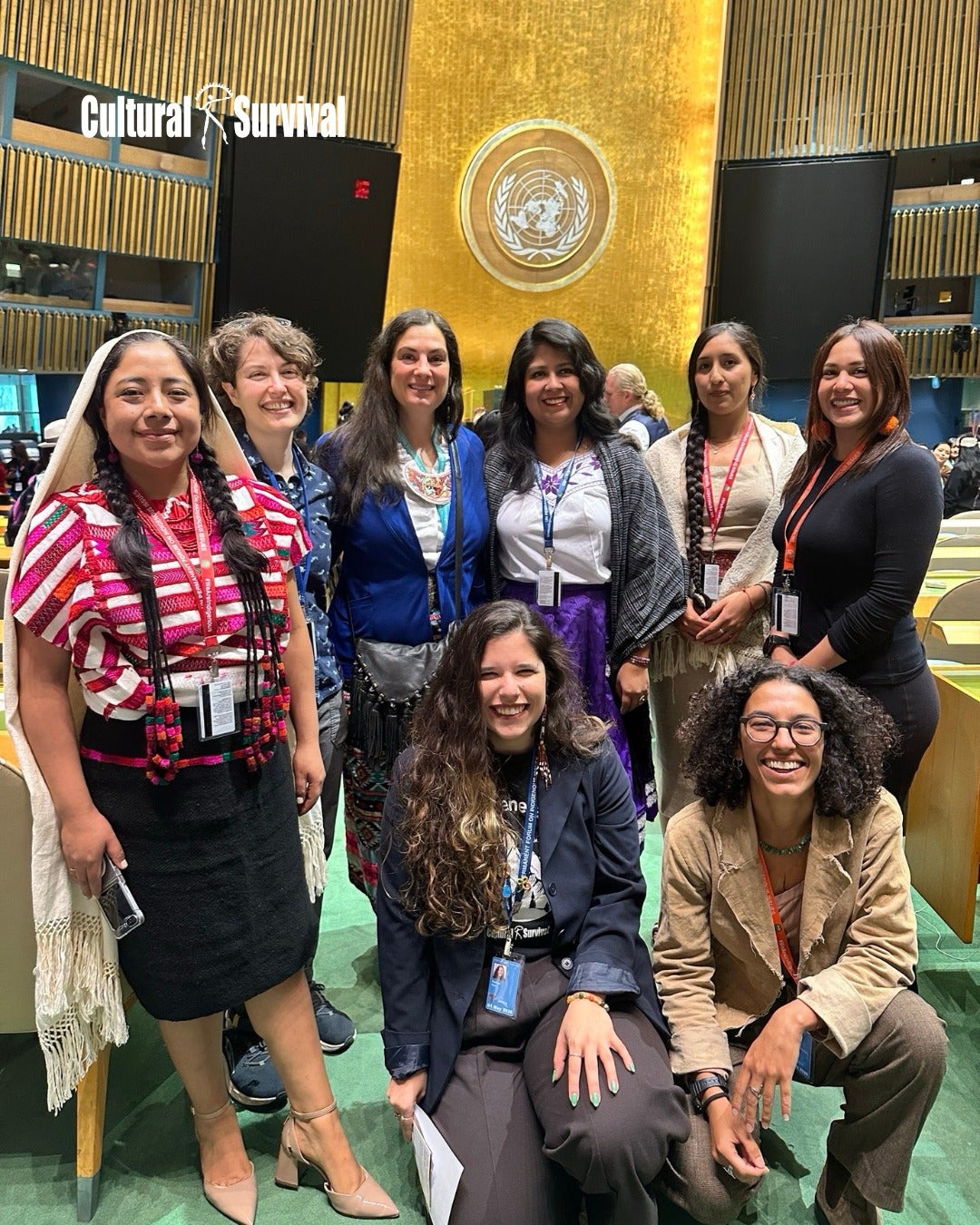
Cultural Survival, a non-governmental organization dedicated to supporting Indigenous Peoples’ rights and advocating for their cultural survival, played a significant role in facilitating dialogue and amplifying Indigenous voices throughout the 25th session. The organization actively partnered with the UNPFII and the UN Department of Economic and Social Affairs (UNDESA) to manage the Indigenous Media Zone, a crucial space for Indigenous Peoples to share their perspectives, experiences, and proposed solutions directly with the international community. This initiative provided a platform for real-time reporting, interviews, and dissemination of information, ensuring that the complexities of Indigenous health, particularly in conflict zones, received broad attention.
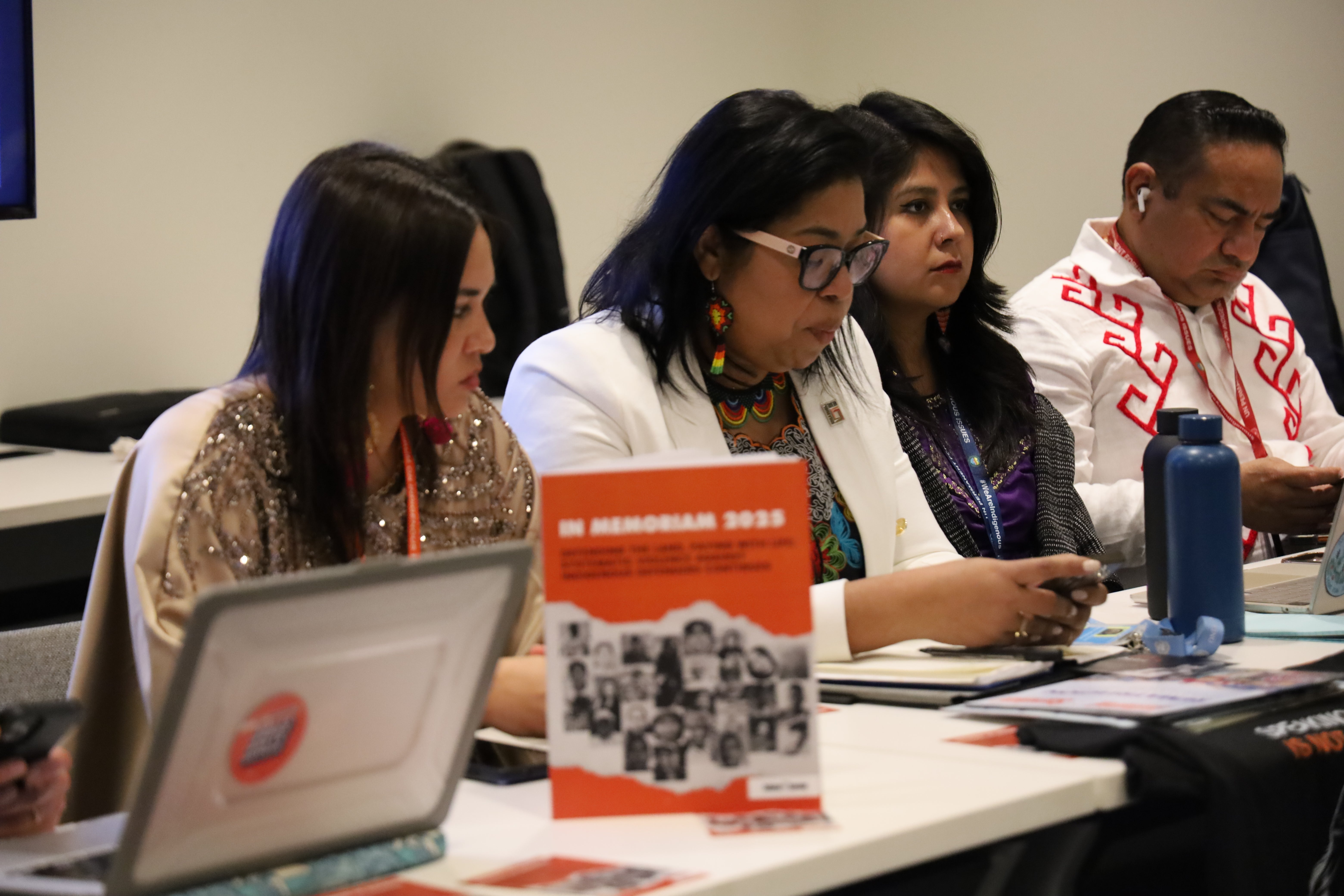
In addition to the Media Zone, Cultural Survival co-hosted a series of impactful side events, parallel discussions, and forums. These events provided deeper dives into specific issues, fostering collaboration and strategizing among participants. A key focus of these discussions was the profound impact of conflict on the health and well-being of Indigenous communities. Such conflicts often lead to displacement, loss of traditional lands and resources vital for subsistence and cultural practices, increased exposure to violence and trauma, and disruption of essential health services. The intersection of Indigenous health and conflict is further exacerbated by historical injustices, systemic discrimination, and lack of access to culturally appropriate healthcare, creating a complex web of challenges that require multifaceted solutions.
Cultural Survival also dedicated significant efforts to supporting its fellows and grant partners. By organizing events and facilitating meetings with government missions and key experts, the organization aimed to translate the discussions and recommendations from the UNPFII into concrete actions and policy changes. This direct engagement is crucial for bridging the gap between international forums and the realities faced by Indigenous Peoples on the ground.
Voices from the Frontlines
The 25th session was enriched by the presence and active participation of numerous Indigenous leaders and advocates. Among those supported by Cultural Survival were:
- Samuel Stanely (San), Chairperson of the Indigenous Ink Network and Director of the Indigenous Youth Summit, whose insights highlighted the unique health challenges faced by young Indigenous individuals and the importance of intergenerational knowledge transfer in promoting well-being.
- Sarai Timothy and Arlene Greist (Iñupiat Ilitqusiat), an Elder from the Ambler Road Tribal Council in Alaska, who shared invaluable traditional knowledge and perspectives on the holistic health of their communities, emphasizing the interconnectedness of environmental health, cultural practices, and human well-being.
- Jen Deer in Water (Cherokee), Founding Executive Director of Crushing Colonialism Magazine, who brought a critical media and advocacy lens, focusing on the power of Indigenous storytelling and narrative control in challenging colonial structures that undermine Indigenous health.
- Margarita Diaz (Maya Poptí), a representative from the Wuxhtaj Council in Guatemala, who spoke about the health disparities and environmental challenges faced by Maya communities, particularly in the context of resource extraction and land disputes.
- Rosa Fátima Mamani Quispe (Uru Murato), a member of the Chimpu Warmi Network of Bolivia, who contributed perspectives on the health implications of climate change and the importance of women’s leadership in advocating for Indigenous health rights.
The presence of these individuals and many others underscored the diversity of Indigenous experiences and the shared commitment to advancing Indigenous health on a global scale. Their contributions provided firsthand accounts of the challenges and resilience of Indigenous communities, offering critical insights that informed the deliberations of the forum.
Delving into the Discourse: Opening Ceremony and Main Sessions
The 25th session commenced with an Opening Ceremony that set the tone for the subsequent discussions. Recordings of this ceremony, along with the general sessions and various side events, are available on the UN Web TV platform, offering a valuable resource for those seeking to understand the breadth of topics covered. These sessions provided a platform for high-level dialogue, where delegates articulated their concerns, presented research, and engaged in crucial negotiations. The discussions frequently revolved around the social determinants of Indigenous health, including access to clean water, adequate housing, nutritious food, culturally relevant education, and safe environments.
The context of conflict, a recurring element in the discussions, highlighted the disproportionate impact of armed conflict, civil unrest, and environmental degradation on Indigenous Peoples. These situations often lead to the disruption of traditional healthcare systems, the destruction of culturally significant sites, and the exacerbation of existing health disparities. The forum explored the nexus between peace, security, and Indigenous health, emphasizing that lasting health outcomes are intrinsically linked to the recognition and protection of Indigenous rights, including the right to self-determination and the control over their lands and resources.
The Indigenous Media Zone: Amplifying Unheard Narratives
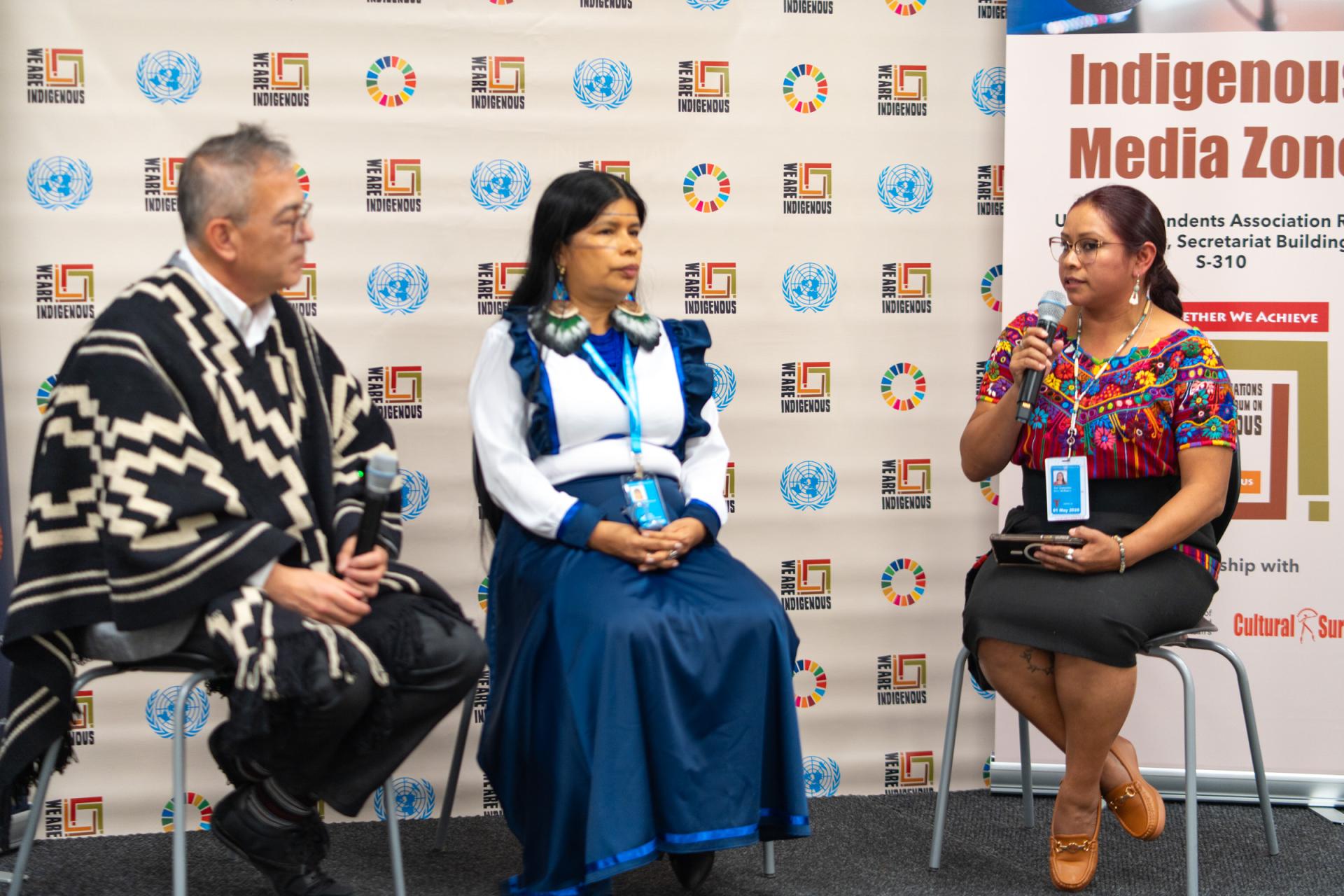
The Indigenous Media Zone, a collaborative effort between Cultural Survival and the UNPFII, served as a vibrant hub for Indigenous media professionals and advocates. Livestreams from this zone, now accessible on Cultural Survival’s YouTube page, captured a multitude of interviews, panel discussions, and presentations. These recordings offer a direct window into the grassroots perspectives and innovative solutions emerging from Indigenous communities. Indigenous Rights Radio Program Manager, Rosy Sul Gonzaléz (Maya Kaqchikel), was actively engaged in interviewing UNPFII Expert Members such as Patricia Gualinga Montalvo (Ecuador) and Rodrigo Eduardo Paillalef Monnard (Chile) within this dynamic space, further extending the reach of critical conversations.
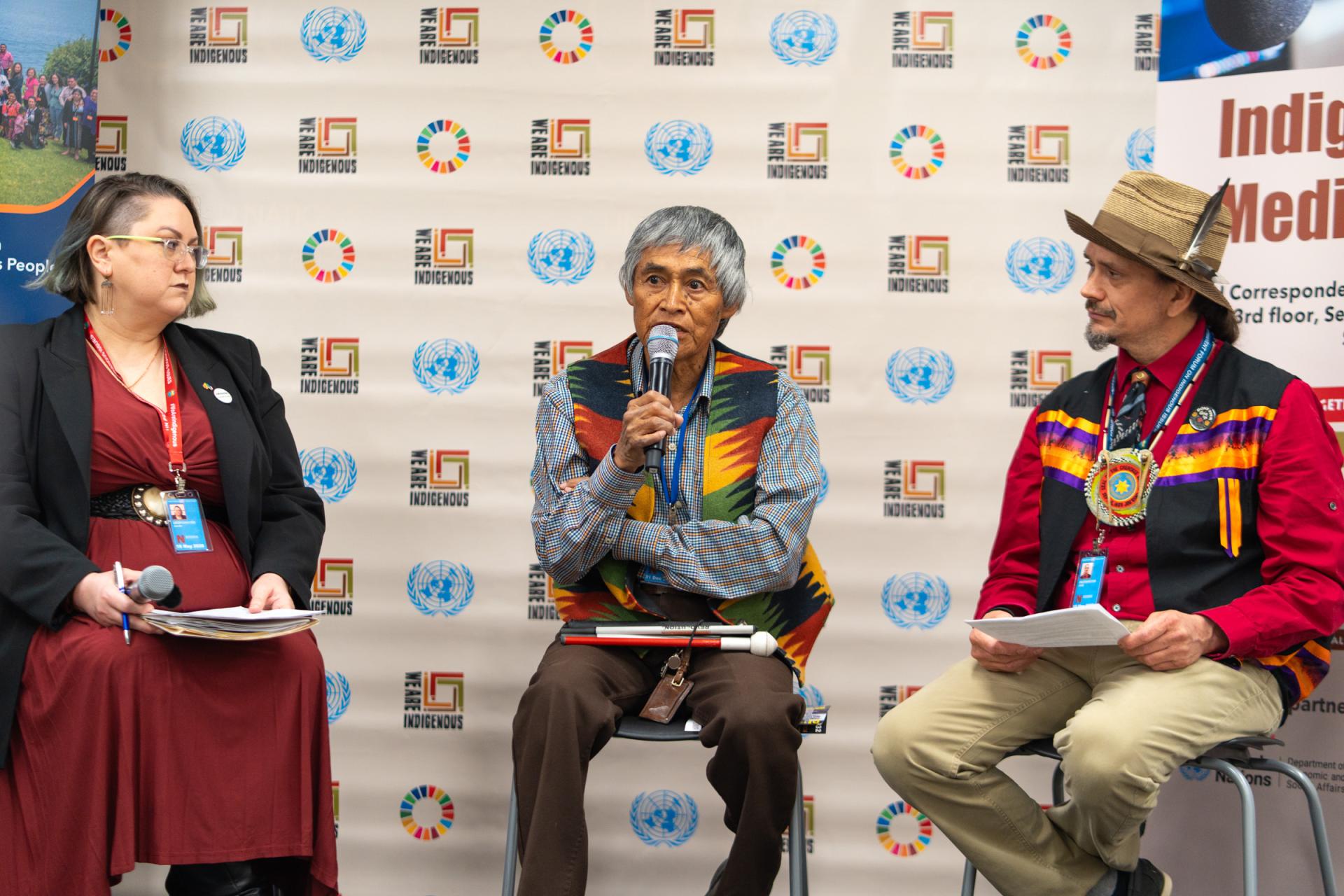
The media zone’s content frequently delved into the specific health implications of extractive industries, large-scale development projects, and the impacts of climate change on Indigenous territories, all of which can be considered forms of ongoing conflict or violence against Indigenous Peoples and their environments. Discussions also centered on the importance of traditional medicine, Indigenous healing practices, and the role of Indigenous health practitioners in providing culturally sensitive care. The availability of these recordings ensures that the voices and insights shared at the forum can continue to inform and inspire action beyond the immediate event.
Indigenous Rights Radio: In-Depth Conversations
Cultural Survival’s Indigenous Rights Radio program continued its vital work of producing and broadcasting interviews with Indigenous leaders, providing in-depth explorations of the issues discussed at the UNPFII. These audio and video interviews offer listeners and viewers nuanced perspectives on the challenges and triumphs of Indigenous Peoples in their pursuit of health and justice. The program serves as a critical tool for disseminating information and fostering understanding among a global audience, highlighting the resilience and innovative approaches Indigenous communities are employing to address complex health crises.
Advocacy and Action: Interventions and Reports
A significant outcome of the 25th session was the submission and delivery of interventions by Cultural Survival and its partners. These formal statements, made during the official proceedings, articulated specific recommendations and concerns to the UN bodies and member states present. The content of these interventions often reflected the urgent need for increased accountability from governments and corporations regarding their impacts on Indigenous health and human rights.
One of the most impactful releases during the session was Cultural Survival’s advocacy brief, "Defending the Land, Paying with Life." This report critically analyzes the systemic violence and structural factors contributing to the murders of Indigenous land defenders. It situates these tragic events within international human rights legal frameworks and presents actionable recommendations to various stakeholders, including corporations, states, the UNPFII itself, the Presidency of the Escazú Agreement’s governing board, and the broader international community. The brief underscores the fact that defending Indigenous lands and environments is often a dangerous endeavor, with defenders facing significant threats, criminalization, and violence. The report’s release during the UNPFII provided a stark reminder of the immediate and life-threatening consequences of failing to uphold Indigenous rights.
Furthermore, Cultural Survival launched the inaugural episode of its new podcast, "Mother Earth Medicine: An Ancestral Intelligence Podcast to Heal Our Future," on Earth Day, April 22, coinciding with the UNPFII session. This collaboration with the "Nihizhi" Podcast aims to amplify Indigenous voices and promote ancestral knowledge as a pathway to healing and a sustainable future. The podcast’s debut at the UNPFII signaled a commitment to leveraging new media platforms to engage a wider audience on critical issues facing Indigenous Peoples.
Looking Ahead: The Path to Implementation
The 25th session of the UNPFII served as a crucial platform for dialogue, advocacy, and the sharing of knowledge. However, the persistent concerns regarding the lack of implementation of UNDRIP and the ongoing challenges faced by Indigenous Peoples in accessing basic rights, including healthcare, underscore the urgency for continued action. The data presented and the testimonies shared during the forum highlight the systemic nature of the challenges and the interconnectedness of Indigenous health with environmental protection, human rights, and self-determination.
The reports, interventions, and media produced during this session provide a roadmap for future engagement and advocacy. The commitment demonstrated by the over 1,000 delegates, despite logistical and political hurdles, is a testament to the resilience and determination of Indigenous Peoples to secure a healthier and more just future for themselves and for all. The success of future UNPFII sessions, and indeed the broader progress on Indigenous rights, will depend on the translation of these discussions into tangible policy changes, increased accountability, and genuine partnerships between Indigenous Peoples and the international community. The call for action remains clear: to ensure that the rights and well-being of Indigenous Peoples are not only recognized in international forums but are also fully realized in their daily lives, particularly in the face of conflict and ongoing threats.