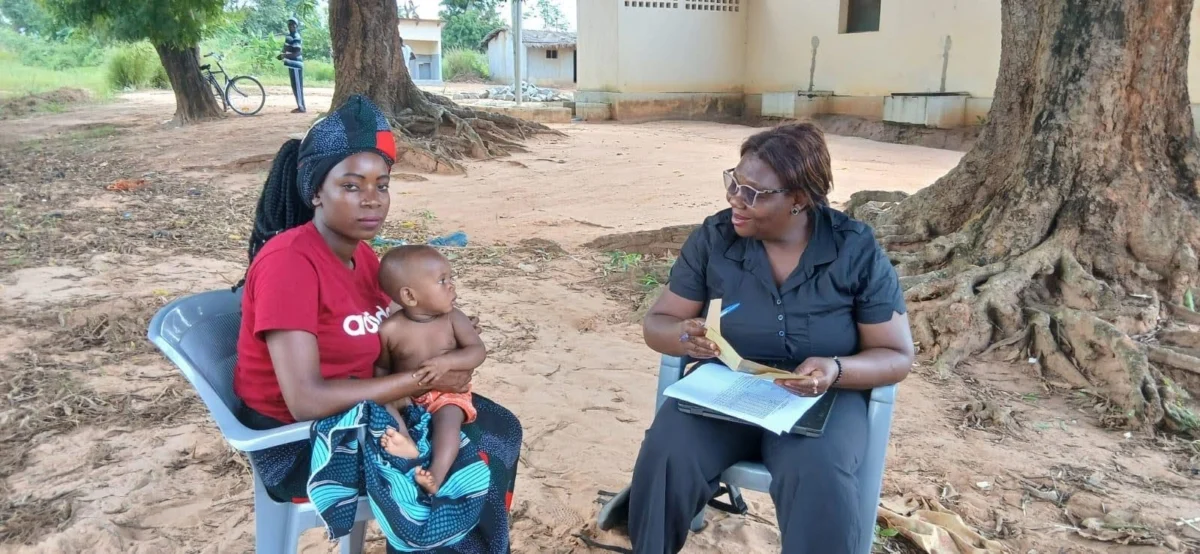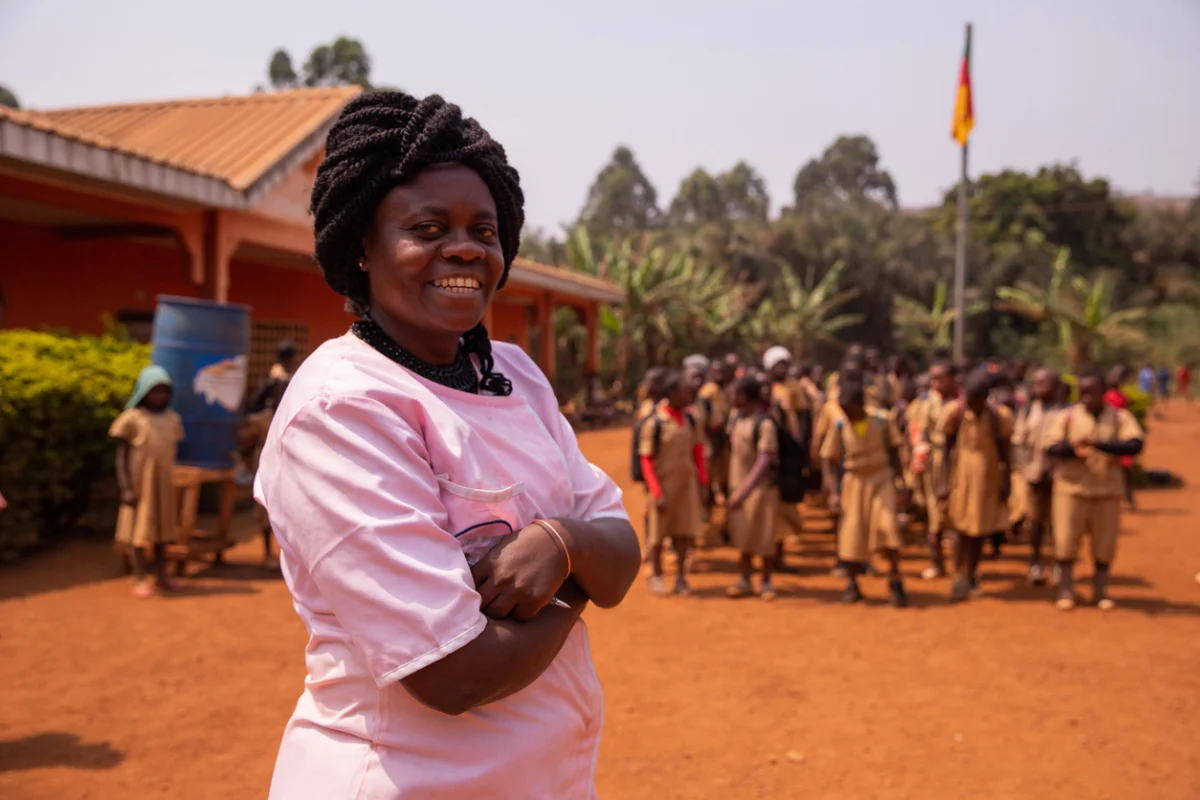
The Government of Mozambique, through its National Youth Institute (Instituto Nacional da Juventude – INJ), has officially designated World Education, an initiative of JSI (John Snow, Inc.), as the lead partner for the "Eu Sou Capaz" (I Am Capable) Technical Assistance and Training Activity. This strategic partnership, bolstered by financial and technical support from the World Bank, represents a pivotal component of the broader Empowering Adolescent Girls to Earn and Read (EAGER) vision. This multi-country strategy spans Mozambique, Zimbabwe, and Madagascar, aiming to address the systemic vulnerabilities that prevent adolescent girls from completing their education and transitioning into productive economic roles.
The Eu Sou Capaz initiative is designed to scale government-led interventions that target the complex interplay of social, economic, and behavioral factors driving high school dropout rates among girls in Mozambique. By providing specialized technical assistance, World Education will support the National Youth Institute in refining its delivery models, ensuring that the program is not only nationally scalable but also deeply resonant with the specific socio-cultural realities of local communities. The activity focuses on two primary pillars: enhancing the quality of life-skills education and strengthening the government’s capacity to manage and implement large-scale social protection and educational support programs.
Strategic Context: The EAGER Vision and Mozambique’s Educational Landscape
The launch of this technical assistance activity comes at a critical juncture for Mozambique. Despite significant strides in primary school enrollment over the last decade, the transition to and completion of secondary education remains a daunting challenge for girls. Statistics from the Ministry of Education and Human Development (MINEDH) indicate that while gender parity is nearly achieved at the lower primary level, the gap widens significantly in secondary school. Factors such as extreme poverty, long distances to educational facilities, and the prevalence of early marriage contribute to a high attrition rate.
The World Bank’s EAGER project, which provides the foundational framework for Eu Sou Capaz, recognizes that educational outcomes are inextricably linked to economic empowerment and reproductive health. In Mozambique, where approximately 46% of girls are married before the age of 18, the EAGER initiative seeks to break the cycle of poverty by addressing the "invisible barriers" that Obert Darara, JSI’s World Education Country Lead in Mozambique, identifies as the primary hurdles to success.
"Eu Sou Capaz is about more than access—it is about removing the invisible barriers that stop girls from thriving," Darara noted during the program’s launch phase. "By integrating social and behavior change with human-centered design, we are supporting the National Youth Institute to redesign systems around girls’ realities, ensuring enrollment leads to achievement."
The Pilot Phase and the Role of Community Leadership
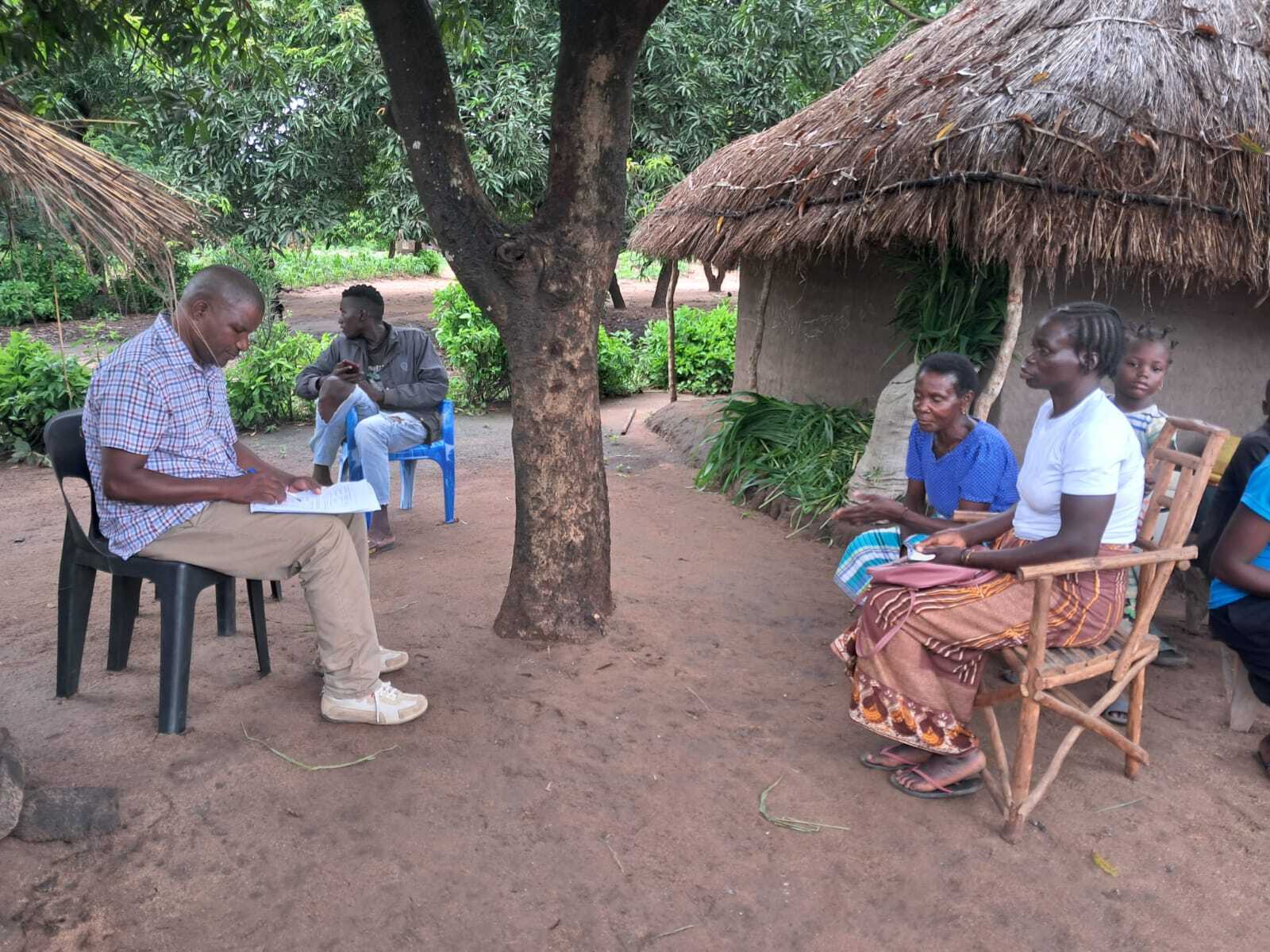
A key element of the Eu Sou Capaz strategy is its reliance on data-driven community engagement. Recently, the program conducted a pilot of the Community Leader Mapping Tool in Sofala Province. This tool is designed to identify and mobilize local influencers—traditional leaders, religious figures, and community elders—who hold significant sway over social norms.
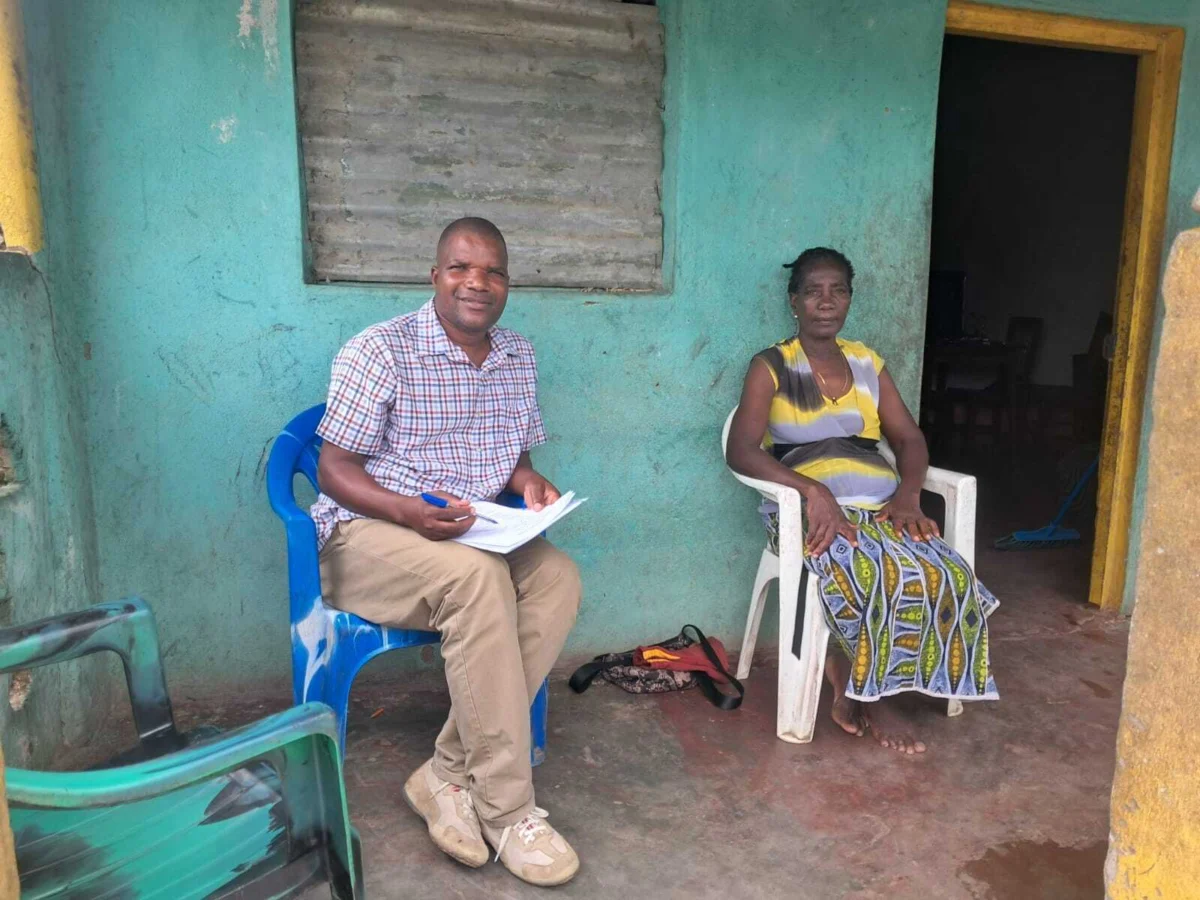
During the pilot, Alberto Domingos, a representative of the project, conducted extensive one-on-one interviews with community leaders to understand the specific drivers of school dropout in their jurisdictions. This mapping process is vital because it moves beyond top-down mandates, instead fostering a sense of local ownership. By engaging leaders in Sofala, a province that has faced significant climate-related and economic shocks in recent years, the project has been able to refine its approach to community mobilization. These leaders are trained to identify at-risk girls and intervene in cases of potential early marriage or gender-based violence (GBV), acting as a first line of defense in the protection of adolescent rights.
Addressing the Root Causes: Social and Behavior Change
The technical assistance provided by World Education is rooted in the principles of Social and Behavior Change (SBC) and Human-Centered Design (HCD). This methodology acknowledges that providing school supplies or building classrooms is insufficient if the underlying social fabric discourages female education.
The program targets several root causes of educational inequity:
- Harmful Socio-Cultural Norms: In many rural areas, the perceived value of a girl’s education is secondary to her role in domestic labor or as a source of "lobolo" (bride price). Eu Sou Capaz works to shift this perception by highlighting the long-term economic benefits of an educated female workforce.
- Teenage Pregnancy and Early Marriage: Mozambique has one of the highest rates of early pregnancy in the region. The program integrates life-skills education that includes comprehensive information on sexual and reproductive health, empowering girls to make informed decisions about their futures.
- Gender-Based Violence (GBV): Safety remains a major concern for girls traveling to and from school. The initiative works with local authorities and school boards to create "safe spaces" and reporting mechanisms for survivors of violence.
- Economic Constraints: Through the provision of material support—ranging from school uniforms and learning materials to bicycles for those living in remote areas—the program lowers the "cost of entry" for families who might otherwise withdraw their daughters from school for financial reasons.
A History of Regional Impact
The selection of World Education for this activity is based on a 15-year history of impactful programming in Southern Africa. The organization has a proven track record of working with ministries of education and youth to implement transformative educational models.
To date, World Education’s regional efforts have resulted in:
- The development of specialized life-skills curricula that have been adopted into national school systems.
- The training of thousands of educators in gender-responsive pedagogy.
- The implementation of data tracking systems that allow governments to monitor student retention in real-time.
- Successful community-led advocacy campaigns that have delayed the age of marriage for thousands of adolescent girls.
By applying this regional expertise to the Mozambican context, World Education ensures that the Eu Sou Capaz model is not a temporary fix but a sustainable shift in how the government supports its youth. The focus on "technical assistance" means that the ultimate goal is the transfer of knowledge and systems to the National Youth Institute, allowing the Mozambican government to manage the program independently in the future.
Chronology of the EAGER and Eu Sou Capaz Rollout
The timeline for the Eu Sou Capaz Technical Assistance and Training Activity follows a phased approach designed for maximum stability and scalability:
- Phase 1: Diagnostic and Design (2023-2024): This phase involved extensive research into the barriers facing Mozambican girls. It included the development of the Community Leader Mapping Tool and the initial curriculum design for life-skills training.
- Phase 2: Pilot and Refinement (Late 2024 – Early 2025): The pilot in Sofala Province served as a testing ground for the mapping tools and community engagement strategies. Feedback from this phase was used to adjust the training modules for government officials.
- Phase 3: National Scaling and Capacity Building (2025-2026): With the official award to World Education, the program is now moving into a national scaling phase. This involves training INJ staff across all provinces of Mozambique to implement the Eu Sou Capaz model.
- Phase 4: Evaluation and Sustainability (2027 and beyond): The final phase will focus on measuring the impact on school retention and graduation rates, with the aim of fully integrating the activity into the national budget and administrative structure.
Official Responses and Economic Implications
The World Bank’s involvement underscores the economic significance of the project. World Bank representatives have frequently stated that increasing female education is one of the most effective ways to boost a nation’s GDP. In Mozambique, where the economy is diversifying, the need for a literate and skilled workforce is paramount. By keeping girls in school, the government is essentially investing in the country’s future economic resilience.
The National Youth Institute has expressed optimism regarding the partnership, noting that World Education’s expertise in Human-Centered Design will help the institute reach the most marginalized populations. "Our goal is to ensure that every girl in Mozambique feels she is ‘Capaz’ (capable) of achieving her dreams," a representative from the INJ stated. "This technical assistance allows us to build the infrastructure necessary to turn that goal into a reality."
From a broader perspective, the Eu Sou Capaz activity serves as a model for regional cooperation. By sharing lessons learned with counterparts in Zimbabwe and Madagascar under the EAGER umbrella, Mozambique is contributing to a regional body of knowledge on how to effectively address gender disparities in education.
Conclusion: A Transformative Path Forward
The Eu Sou Capaz Technical Assistance and Training Activity represents more than just an educational program; it is a comprehensive social intervention. By addressing the intersection of poverty, tradition, and policy, World Education and the National Youth Institute are laying the groundwork for a more equitable Mozambique.
As the program moves forward, the focus will remain on ensuring that the systems being built are responsive to the girls they serve. Through the combination of material support, community mobilization, and systemic reform, Eu Sou Capaz is poised to significantly reduce school dropout rates and empower a new generation of Mozambican women to lead their communities and contribute to the nation’s growth. The success of this initiative will be measured not just in enrollment numbers, but in the lives changed and the "invisible barriers" finally dismantled.