The past two years have marked a period of unprecedented upheaval and rapid experimentation in the global labor market, profoundly reshaping perceptions of work and its future. As the world grapples with the lingering effects of the pandemic era, a complex landscape of shifting employee expectations, talent shortages, and persistent inequalities has emerged. This article, part of a broader series exploring these trends across ‘Purpose,’ ‘People,’ ‘Process & Policy,’ and ‘Polarisation & Activism,’ delves specifically into the transformative shifts concerning ‘People’ and their profound implications for Diversity, Equity, and Inclusion (DEI).
Pre-Pandemic Undercurrents: Seeds of Change
While the COVID-19 pandemic acted as a powerful accelerant, the seeds of significant labor market shifts were already present. Prior to 2020, various factors had been subtly eroding traditional employer-employee dynamics. Stagnant wage growth in many sectors, increasing workloads, and a growing demand for greater flexibility and work-life balance had begun to foster a sense of disillusionment among segments of the workforce. The rise of the gig economy and an evolving generational mindset, particularly among millennials and Gen Z, had also started to place a higher premium on meaningful work, ethical employers, and personal well-being over strict career ladders. Burnout was a recognized, though often unaddressed, issue across numerous industries. These underlying currents set the stage for a workforce ripe for re-evaluation when confronted with a global crisis of unprecedented scale.
The Pandemic’s Catalytic Impact: A Chronology of Labor Shifts
The onset of the pandemic triggered a series of distinct phases in the global labor market, each contributing to the current landscape.
-
Early 2020: Initial Shock and Adaptation: The initial phase was characterized by widespread uncertainty, mandatory lockdowns, and a rapid pivot to remote work for many office-based employees. Simultaneously, essential workers, from healthcare professionals to delivery drivers, faced immense pressure, health risks, and often, insufficient compensation or recognition. Millions globally experienced job losses, furloughs, or reduced hours as economies contracted sharply. The prevailing sentiment was one of job insecurity, with employees largely focused on retaining their positions.
-
Late 2020 – Mid 2021: The Great Reassessment: As the immediate crisis subsided in some regions and remote work became normalized, a significant psychological shift began. Employees, having navigated personal and professional challenges during lockdowns, began to re-evaluate their priorities. The forced pause provided an opportunity for introspection, leading many to question their career paths, employer values, and work-life integration. Burnout, exacerbated by increased demands and blurred boundaries between work and home, became pervasive. It was during this period that the concept of "The Great Resignation" began to gain traction, describing the burgeoning trend of employees voluntarily leaving their jobs in record numbers.
-
Late 2021 Onwards: Sustained Momentum and Evolving Dynamics: The latter half of 2021 and into 2022 saw the "Great Resignation" continue its momentum, transforming from a speculative trend into a definitive global phenomenon. Companies struggled with unprecedented talent shortages, forcing them to re-evaluate compensation, benefits, and workplace culture. Hybrid work models became a central topic of debate, while employee well-being, mental health support, and robust DEI initiatives moved from desirable perks to critical components of talent strategy. The period also saw an increase in more abrupt departures, termed "rage quitting," signaling a reduced tolerance for poor working conditions.
The Great Resignation: A Global Phenomenon of Employee Empowerment
The pandemic era has unequivocally shifted power dynamics in the labor market, placing employees in a significantly stronger position to articulate their expectations and demands. This empowerment is most vividly illustrated by "The Great Resignation," a term coined to describe the mass exodus of workers from their jobs.
-
Statistical Overview: Data from various regions underscores the magnitude of this trend. A global survey released by Microsoft in March 2021 revealed that over 40% of employees were contemplating leaving their current employers within the year. While researchers acknowledge that a building resignation trend predated the pandemic, the crisis undeniably accelerated it. In the United States, August 2021 alone saw 4.3 million individuals voluntarily quit their jobs, coinciding with a staggering 10.4 million open positions, according to the Bureau of Labor Statistics. Similarly, the United Kingdom reported over 1 million open jobs during the same period, a record high. The talent crunch was not confined to English-speaking economies; in Germany, Europe’s largest economy, company leaders expressed increasing concern over the lack of skilled employees, with a substantial 11% jump in three months, reaching 34.6% by July 2021. The long-term implications are significant, with a Willis Towers Watson survey indicating that 70% of U.S. employers anticipate this talent gap to persist into the following year, and 61% admitting struggles with employee retention.
-
Demographic Breakdown: Analysis of resignation rates reveals specific patterns. Mid-career professionals experienced a particularly sharp increase in departures, up 20% from pre-pandemic levels. Sectors under immense pressure during the pandemic, such as technology and healthcare, also saw elevated resignation rates. These employees, often experiencing acute burnout and recognizing their market value, sought better opportunities, improved work-life balance, or a shift in career direction. While high turnover has historically characterized the service and hospitality sectors, the pandemic brought greater public awareness and empathy towards the often-poor working conditions in these industries, fueling resignations even there.
-
The Rise of "Rage Quitting": Beyond planned departures, the pandemic era witnessed an increase in "rage quitting"—spontaneous resignations driven by an immediate inability to tolerate negative or toxic work environments. This phenomenon underscores a fundamental shift in employee tolerance thresholds and a newfound confidence in the availability of alternative employment options. Workers are increasingly unwilling to endure exploitative practices, disrespect, or inadequate support.
-
Analysis: This aggregate data paints a clear picture: the balance of power has shifted. Employers are now compelled to prioritize employee experience, foster inclusive workplaces, and implement fair labor practices not just as ethical imperatives, but as critical business strategies for talent attraction and retention. The economic consequences of failing to adapt are severe, impacting organizational success and broader societal economic growth. The message from employees is unequivocal: "we can do better," and they are actively seeking environments that affirm this belief.
The Great Divergence: Unmasking Economic Inequalities
While "The Great Resignation" highlights employee empowerment and voluntary departures, it is crucial to acknowledge "The Great Divergence"—the stark inequalities in economic recovery and employment changes that have exacerbated global employment crises. Not all pandemic-era employment shifts were voluntary resignations; a significant portion comprised unwanted job losses, disproportionately affecting vulnerable populations.
-
Global Job Losses: The numbers are stark. In OECD countries, there are approximately 20 million fewer people in work compared to the start of the pandemic. Globally, the number of jobs is over 110 million fewer. The International Labour Organization (ILO) calculated that in 2021, global hours worked were 4.3% below pre-pandemic levels, equating to the loss of 125 million full-time jobs. While global unemployment saw a slight drop as of May 2021, it remains higher than before the pandemic.
-
Disproportionate Impact: The burden of these job losses and reduced working hours fell heaviest on low-paid jobs, precarious workers, women, youth, and racial and ethnic minorities. Many women, for instance, were forced out of the workforce due to increased caregiving responsibilities stemming from school closures and lack of childcare. Younger workers and those in sectors like hospitality, tourism, and retail, which were severely impacted by lockdowns, faced significant unemployment or underemployment. This "Divergence" created a two-tiered recovery, where some segments of the workforce gained leverage and opportunities, while others struggled with persistent unemployment, underemployment, and economic insecurity.
-
Analysis: The "Great Divergence" exposes and amplifies existing socio-economic fault lines. It necessitates an inclusive approach to talent and employment recovery, one that actively addresses systemic inequalities and ensures that the future of work is equitable for all. Any initiatives aimed at "building back better" or "The Great Reset" must prioritize policies that foster job creation, provide reskilling and upskilling opportunities for displaced workers, and safeguard against future economic shocks for the most vulnerable. This period offers a critical juncture for profound structural changes towards a fairer labor market.
Industry and Sectoral Responses
Across various industries, organizations are grappling with the ramifications of these shifts, implementing diverse strategies to adapt.
-
Tech & Healthcare: These sectors, which experienced immense demand and often extreme burnout during the pandemic, are now at the forefront of implementing flexible work arrangements, enhanced mental health support, and competitive compensation packages to attract and retain talent. Many tech companies, for example, have embraced permanent remote or hybrid models, while healthcare systems are exploring innovative ways to support their frontline staff, including better pay, more flexible scheduling, and mental health resources.
-
Hospitality & Service: Historically characterized by high turnover, these sectors are facing unprecedented labor shortages. In response, many businesses are being forced to raise wages, offer benefits previously uncommon in the industry, and improve working conditions to attract and retain staff. There is a growing public and governmental scrutiny on fair labor practices within these industries, pushing for long-overdue reforms.
-
Corporate Strategies Across the Board: Forward-thinking companies are recognizing that a "people-centred" approach is no longer optional. This includes investing in comprehensive well-being programs, fostering cultures of psychological safety, implementing flexible work policies (e.g., four-day work weeks, asynchronous work), and significantly strengthening DEI initiatives. The focus has shifted from simply filling vacancies to creating an environment where employees feel valued, heard, and supported, thereby reducing turnover and enhancing productivity.
The Mandate for Inclusive Recovery and People-Centred Cultures
The profound changes wrought by the pandemic highlight an urgent mandate for an inclusive recovery. The crisis illuminated existing inequalities, making it unequivocally clear that talent and employment strategies must be reset to be fairer to all people.
-
Why DEI Matters More Than Ever: The pandemic’s disproportionate impact on marginalized groups underscores the critical importance of Diversity, Equity, and Inclusion. Organizations must move beyond performative gestures and embed DEI into the very fabric of their talent strategies, policies, and workplace cultures. This means actively addressing biases in hiring and promotion, ensuring equitable access to flexible work arrangements, and creating genuinely inclusive environments where all employees can thrive.
-
"The Great Reset" and "Build Back Better": Global initiatives like the World Economic Forum’s "Great Reset" and various "build back better" campaigns emphasize the need to reconstruct economies and societies in a more resilient and equitable manner. At the heart of this must be a commitment to people-centred work cultures. This involves designing work that prioritizes human dignity, fosters well-being, offers opportunities for growth, and contributes positively to society.
-
Stakeholder Perspectives: Business leaders are increasingly acknowledging that human capital is the primary driver of innovation and sustained success. Economists are analyzing the long-term implications of these labor shifts on productivity, wage inflation, and economic stability, often advocating for policies that support both workers and sustainable growth. Policymakers, in turn, are exploring legislative frameworks that can protect workers, promote equitable opportunities, and ensure that the economic recovery benefits a broad spectrum of the population, not just a privileged few. The consensus is building that a failure to address these shifts comprehensively will lead to continued instability and deeper societal divides.
Strategic Considerations for Organizations
In this highly ambiguous and fast-changing environment, organizations must engage in critical self-reflection regarding their DEI efforts. The future of work demands a proactive and adaptive stance. No organization can afford to ignore the profound impact of workplace culture and employee experience on talent attraction and retention. This moment provides an unparalleled opportunity to make profound, lasting changes.
The insights from the broader series—covering ‘Purpose,’ ‘Process & Policy,’ and ‘Polarisation & Activism’—offer complementary perspectives. Understanding employees’ evolving search for purpose, adapting organizational processes and policies to new realities, and navigating increasing polarization and activism are all integral to building a resilient and inclusive workforce.
Tools for Navigating Change: Reflective Questions and Inclusion Nudges
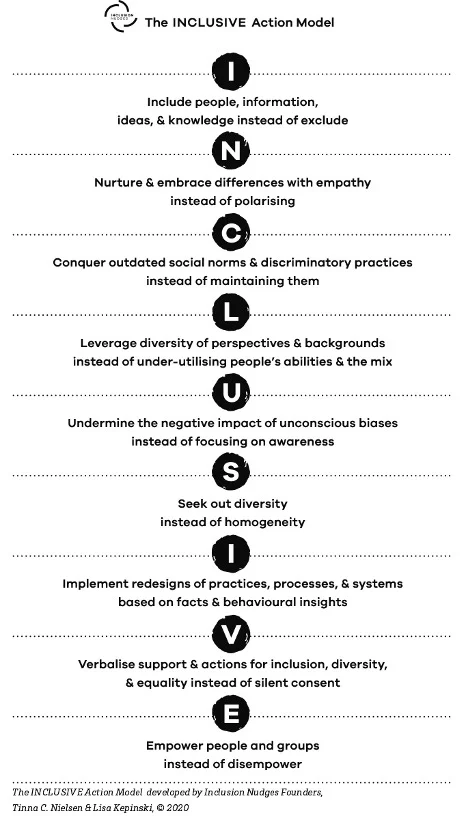
To support organizations in navigating these complex shifts, practical tools and methodologies are invaluable. The concept of "Inclusion Nudges" offers actionable, behavioral science-based solutions to embed inclusion and equity into daily practices. These nudges encourage individuals and organizations to consciously counteract unconscious biases and systemic barriers.
For instance, "Retention with an Alternative Future Vision" helps organizations creatively address employee dissatisfaction. "Talent Readiness & Mobility in Colours & Shapes" provides structured approaches to foster internal mobility and development. "Colour Code People to Ensure Meritocracy" offers mechanisms to reduce bias in talent evaluation. "Social Shuffle to Include Others" facilitates broader networking and integration within teams. Finally, "Ask Flip Questions to Change Your Perceptions in the Moment" equips individuals with a cognitive tool to challenge assumptions and broaden perspectives, crucial for inclusive leadership. These and other nudges, detailed in publications like The Inclusion Nudges Guidebook and Inclusion Nudges for Leaders, offer concrete steps for organizations committed to fostering an equitable future of work.
Conclusion
The pandemic era has undeniably accelerated a paradigm shift in how we perceive and organize work. The dual phenomena of "The Great Resignation" and "The Great Divergence" underscore both the newfound empowerment of employees and the persistent, often exacerbated, inequalities within the global labor market. As economies and organizations strive for recovery, the imperative for a truly inclusive and people-centred approach has never been stronger. This period of tumult and experimentation presents a unique opportunity to build work environments that are not only productive and resilient but also inherently fairer and more equitable for all.
Acknowledgements:
Special thanks are extended to Barry Phillips for inviting Lisa to deliver an HR Master Class as part of Legal Island’s support for DEI change makers. In that September 2021 session, Lisa presented some of these pandemic-era research trends and facilitated a discussion on their implications for DEI.
We trust that this summary of emerging workplace trends from the pandemic era has stimulated new reflections for those focusing on DEI and inclusive leadership within their organizations. For advisory consulting, coaching, and speaking engagements, please reach out to us at [email protected].
Further Reading:
SERIES: The Pandemic-Era Shifts in Work & DEI: Read the other three articles in this series: PROCESS & POLICY, POLARISATION & ACTIVISM, and PURPOSE, as well as the FULL ARTICLE.
Additional insights can be found in:
- Ally by Actions – Not by Posting on Social Media
- Ally Through Empathic Perspective Taking
- Ask Lisa & Tinna: How Can We Ensure Intersectionality is Best Reflected in KPIs