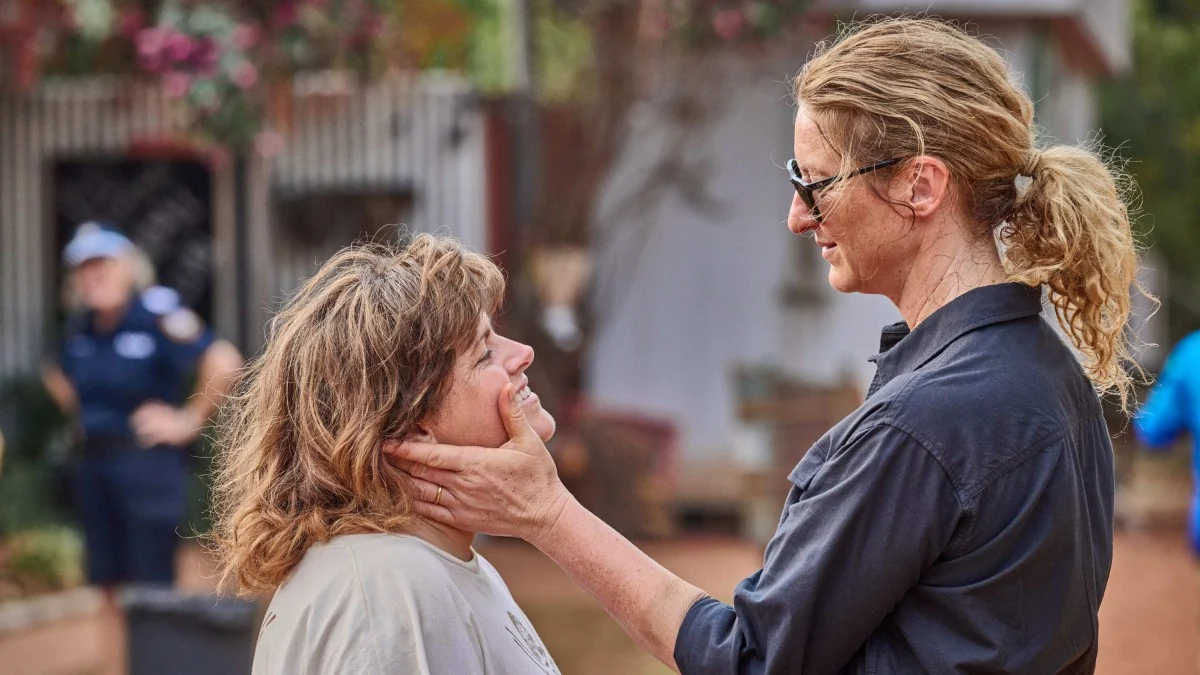
The acclaimed Australian noir-comedy series Deadloch has returned for its second season on Amazon Prime Video, marking a significant narrative shift from the temperate landscapes of Tasmania to the tropical environment of the Northern Territory. Created by the comedic duo Kate McCartney and Kate McLennan, colloquially known as "The Kates," the series continues to explore the complex partnership between Senior Sergeant Dulce Collins, portrayed by Kate Box, and Detective Eddie Redcliffe, played by Madeleine Sami. Following a three-year hiatus since the debut season, the latest installment intensifies the show’s signature blend of graphic crime procedural and sharp social satire, while significantly expanding its commitment to diverse gender representation and indigenous commentary.
Evolutionary Transition: From Tasmania to the Northern Territory
The inaugural season of Deadloch established the series as a "Tas-Noir" parody, subverting the tropes of brooding Scandinavian crime dramas by setting a serial killer investigation in a fictional Tasmanian town with a high concentration of lesbian residents. The season concluded with Dulce Collins and her wife, Cath (Alicia Gardiner), accompanying Eddie Redcliffe to Darwin to investigate the cold case surrounding the death of Eddie’s former police partner.
Season 2 picks up this thread in Barra Creek, Eddie’s hometown. The change in geography serves as a catalyst for character development and thematic exploration. While the first season utilized the isolation and cold of Tasmania to mirror Dulce’s rigid professionalism, the second season uses the oppressive heat and "testosterone-filled" atmosphere of the Northern Territory to challenge both protagonists. The investigation into Eddie’s past partner initially appears to be a dead end, but the narrative quickly pivots when a severed human arm is discovered in the mouth of a crocodile, coinciding with the disappearance of two backpackers.
Narrative Chronology and Structural Development
The structure of the second season mirrors the investigative rigor of the first while accelerating the personal stakes for the lead characters. The chronology of the season is defined by several key investigative milestones:
- The Barra Creek Arrival: Dulce and Cath attempt to settle into the tropical climate while Eddie confronts the ghosts of her past in her hometown.
- The Crocodile Discovery: The discovery of human remains within local wildlife initiates a new multi-layered murder mystery that draws the attention of regional authorities.
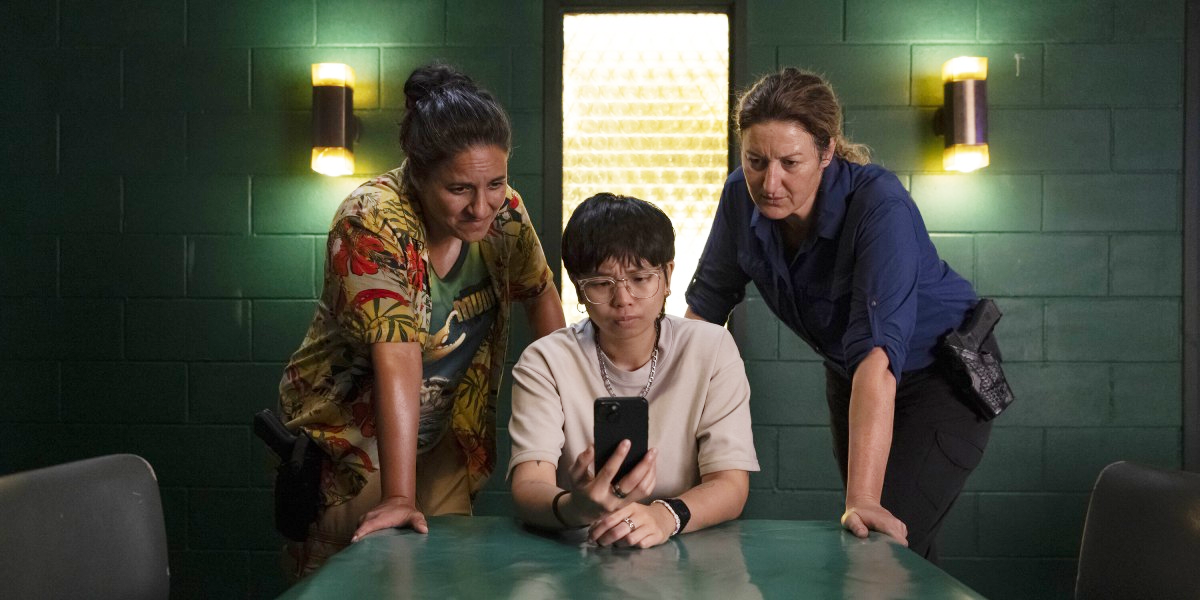
- The Integration of Abby Matsuda: Constable Abby "Big Eyes" Matsuda (Nina Oyama) relocates from Tasmania to assist her former mentors, bringing a familiar dynamic to the new setting.
- The Indigenous Connection: The investigation intersects with local Aboriginal communities, represented by characters such as Miki Evan (Shari Sebbens), delving into historical and contemporary tensions between the police force and Indigenous Australians.
- The Resolution of Internal Conflict: The season culminates in a confrontation with systemic corruption within the Northern Territory police, forcing Dulce and Eddie to re-evaluate their roles within the institution.
Groundbreaking Gender Representation and Linguistic Shifts
One of the most notable aspects of Deadloch Season 2 is its nuanced approach to gender identity and linguistic expression. The series introduces Leo (Jean Tong), a non-binary journalist—referred to in the local vernacular as a "journo"—who becomes an integral part of the investigative team. The production has been noted for its seamless integration of non-binary identities, treating Leo’s gender as a factual reality rather than a plot point for conflict.
Furthermore, the character of Eddie Redcliffe undergoes a significant identity evolution. Mirroring the real-life identity of actor Madeleine Sami, the character of Eddie begins using she/they pronouns. This transition is handled through a mid-argument exchange with Dulce, who accepts the change without hesitation. Industry analysts have pointed out that Deadloch may be among the first major scripted television series to successfully implement the alternating use of "she" and "they" pronouns for a lead character within the flow of natural dialogue. This "gender expansive" approach extends to Eddie’s burgeoning self-discovery regarding her sexual orientation, as she begins to question her attraction to women, seeking guidance from the more experienced Dulce.
Socio-Political Commentary and Institutional Critique
While maintaining its comedic veneer, Season 2 of Deadloch engages in a rigorous critique of Australian social structures. The show expands on the themes of racism and police misconduct that were introduced in the first season. By moving the setting to the Northern Territory, the creators are able to more explicitly address the fraught relationship between law enforcement and Aboriginal populations.
The narrative suggests that the "fix it from the inside" philosophy previously held by Dulce Collins is increasingly untenable. The show depicts the police force not merely as a collection of bumbling individuals, but as an institution prone to systemic corruption and bigotry. This serious undercurrent is balanced by the series’ hallmark "overlapping yelling" and irreverent humor, creating a tonal duality that reflects the complexities of real-world social issues.
Supporting Data and Production Context
The return of Deadloch comes at a time of increased global interest in Australian "outback noir" and regional storytelling. According to Screen Australia’s 2023-2024 production reports, there has been a 15% increase in domestic investment for series that highlight regional Australian landscapes and diverse voices.
The production of Season 2 benefited from the established chemistry of its lead duo. Kate Box and Madeleine Sami have received critical acclaim for their ability to transition from "comedic caricatures" to deeply grounded, dramatic performances during the season’s heavier emotional beats. The inclusion of Shari Sebbens and Jean Tong further diversifies the ensemble, ensuring that the "queer-centric" lens of the show remains its defining feature.
The creators, McCartney and McLennan, have built a reputation for "messy" female-led comedy, beginning with their hit web series The Katering Show and later Get Krack!n. Deadloch represents the most sophisticated iteration of their creative vision, utilizing a larger budget and a longer runtime to explore character arcs that are rarely afforded to queer women in the crime genre.
Official Responses and Future Outlook
In recent interviews and press statements, the creators have hinted at the possibility that Season 2 could serve as the series’ conclusion. Kate McCartney recently stated that they treated this season with a sense of finality, ensuring that the narrative arcs for Dulce and Eddie reached a satisfying resolution. However, the phrase "never say never" has been frequently cited by the production team, leaving the door open for future iterations or spin-offs.
Amazon MGM Studios has expressed satisfaction with the show’s performance, noting its strong viewership in both domestic and international markets. The series has been praised by LGBTQ+ advocacy groups for its "unapologetic" representation, portraying queer characters as heroes and competent professionals while allowing them to be flawed and "root-for-able."
Broader Impact on the Television Landscape
The legacy of Deadloch Season 2 is likely to be defined by its refusal to compromise on its specific cultural and identity-based perspective. By placing queer women and non-binary individuals at the center of a high-stakes murder mystery—and making them the "only truly useful people" in the room—the show subverts the traditional power dynamics of the police procedural.
As the television industry continues to grapple with the need for authentic representation, Deadloch provides a blueprint for how to integrate diverse identities into genre fiction without sacrificing entertainment value. The show’s ability to balance "dickbum" jokes and expert profanity with profound explorations of grief, identity, and institutional failure has solidified its place as a landmark in contemporary Australian television.
Whether or not the series continues for a third season, Deadloch has successfully demonstrated that stories about "messy, complicated women" and queer communities have a global audience. The transition from the "lesbian paradise" of Tasmania to the "croc-infested" Northern Territory has not only refreshed the series’ aesthetic but has also deepened its intellectual and emotional resonance, proving that queer narratives are, as the creators suggest, "everywhere, from remote islands to croc country."