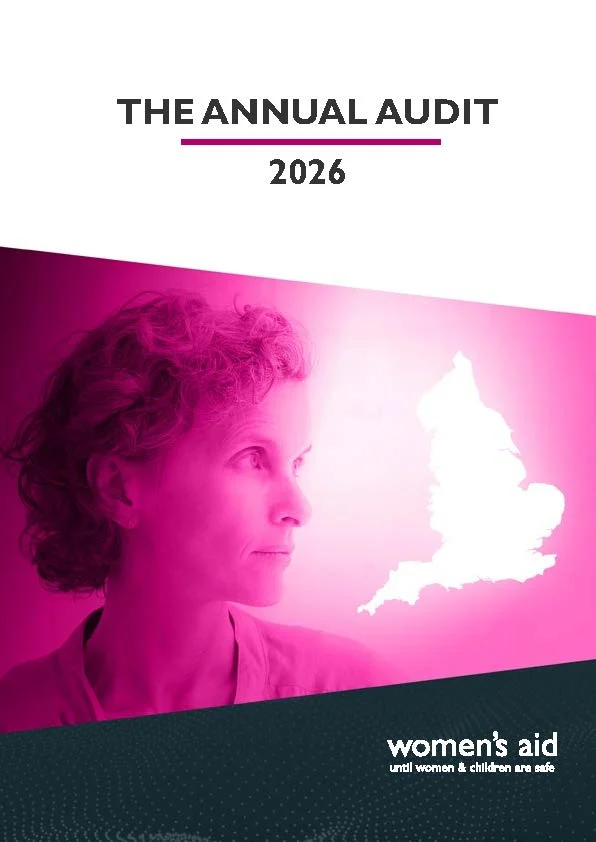
The Women’s Aid Annual Audit 2026, released in March 2026, offers an exhaustive analysis of the landscape of domestic abuse services across England for the financial year 2024-25. This seminal publication provides an unparalleled insight into the operational dynamics, service utilisation, and overall efficacy of the specialist domestic abuse sector. The report meticulously details how the sector has continued its trajectory of growth, development, and adaptation in response to evolving needs and challenges, whilst simultaneously pinpointing critical areas that necessitate urgent improvement and strategic intervention. Fundamentally, the evidence presented in this audit unequivocally demonstrates that specialist domestic abuse services constitute a life-saving and indispensable infrastructure, asserting that a truly robust and sustainable national response to violence against women and girls (VAWG) cannot be achieved without their unwavering support and continued evolution.
Understanding the Context: The Crucial Role of Women’s Aid and Its Annual Audit
Women’s Aid, a leading national charity for women and children experiencing domestic abuse, has consistently championed the rights and safety of survivors for over five decades. Founded in the early 1970s, at the dawn of the women’s refuge movement, the organisation has grown into a powerful federation of frontline services, providing vital support, campaigning for policy change, and raising public awareness. Their annual audit stands as a cornerstone of their advocacy work, serving as the most comprehensive barometer of the sector’s health and effectiveness.
These audits are not merely statistical compilations; they are critical advocacy tools that translate the lived experiences of survivors and the operational realities of frontline staff into actionable policy recommendations. By systematically gathering data on service provision, demand, funding, and outcomes, Women’s Aid provides policymakers, funders, and the public with a unique, evidence-based understanding of the challenges and successes within the sector. The 2026 audit, covering the 2024-25 financial year, arrives at a particularly critical juncture, following the full implementation phases of the landmark Domestic Abuse Act 2021 and amidst ongoing societal pressures that continue to exacerbate the risks faced by women and girls.
Key Findings from the 2026 Audit: Resilience Amidst Persistent Challenges
The 2026 audit paints a complex picture of a sector marked by both profound resilience and acute vulnerability. During the 2024-25 financial year, specialist domestic abuse services in England continued to demonstrate remarkable adaptability. The report highlights significant advancements in service delivery models, including the expansion of digital support platforms, enhanced trauma-informed care approaches, and more tailored interventions for diverse survivor groups, such as those from Black and minoritised communities, disabled women, and LGBTQ+ individuals.
However, these innovations and expansions are frequently overshadowed by persistent challenges. The audit reveals a relentless increase in demand for services, with an estimated 320,000 women and children seeking support from specialist domestic abuse services across England in 2024-25. This figure represents an approximate 7% rise compared to the previous year, underscoring the enduring prevalence of domestic abuse and the growing awareness among survivors of available support. Despite the sector’s efforts to scale up, capacity remains a critical issue. The report indicates that approximately 65% of all refuge spaces were consistently occupied throughout the year, often leading to services operating at or above their intended capacity. Alarmingly, an estimated 28% of referrals to refuge accommodation and community-based support could not be met due to a severe lack of resources, including bed spaces, specialist staff, and sustainable funding.
The audit further underscores disparities in access, noting that while mainstream services are growing, smaller, "by and for" organisations – those led by and for specific groups of survivors – continue to face disproportionate funding challenges. These organisations, vital for reaching marginalised communities, reported greater instability in funding streams and a higher likelihood of having to turn away survivors due to resource limitations.
A Chronology of Progress and Setbacks in Domestic Abuse Provision
The journey of domestic abuse services in England is a testament to decades of activism and incremental policy change.
- 1970s: The Birth of the Movement: The first women’s refuges were established in the UK, often by grassroots activists, providing immediate safety for women and children fleeing abuse. Women’s Aid was formed in 1974, uniting these nascent services.
- 1980s-1990s: Growing Recognition and Legislative Steps: Domestic violence began to gain more public and political attention. Key legislative changes, such as the Family Law Act 1996, provided greater legal protections for survivors, including non-molestation and occupation orders.
- 2000s: Strategic Development and National Standards: The government introduced national strategies for tackling domestic violence, leading to increased coordination between agencies and the development of national standards for service provision. Funding began to be routed more systematically, though often remaining precarious.
- 2010s: Austerity and Its Impact: The period of austerity saw significant cuts to local government budgets, which in turn led to a substantial reduction in funding for many domestic abuse services. This era forced many services to innovate with fewer resources, but also led to closures and reduced capacity.
- 2020s: The Domestic Abuse Act 2021 and Post-Pandemic Landscape: The Domestic Abuse Act 2021 marked a watershed moment, providing a statutory definition of domestic abuse, placing duties on local authorities to provide support in safe accommodation, and enhancing legal protections. However, the implementation of this Act coincided with the COVID-19 pandemic, which saw an unprecedented surge in domestic abuse incidents and demand for support, further straining already stretched services. The 2024-25 financial year, covered by the current audit, represents a period of continued post-pandemic recovery and the ongoing, complex implementation of the 2021 Act.
Supporting Data: The Stark Reality of Demand and Funding Gaps
The 2026 audit provides compelling data points that highlight the systemic challenges:
- Demand Overwhelm: The aforementioned 320,000 women and children seeking support represents a consistent upward trend observed over the past five years, indicating that domestic abuse remains a pervasive issue impacting millions.
- Refuge Capacity: With 65% occupancy rates, many refuges are consistently full, forcing services to make difficult decisions about who they can accommodate. The report notes that for every 10 referrals received for refuge space, an average of 3 could not be accommodated.
- Community-Based Support: Beyond refuge, community-based support services, including helplines, outreach, and advocacy, reported an average 15% increase in caseloads. These services are often the first point of contact for survivors and are crucial for early intervention and prevention.
- Funding Disparities: A critical finding is that approximately 45% of specialist domestic abuse services reported experiencing funding shortfalls in 2024-25. This often translated into reduced staffing, delayed service expansion, or even the curtailment of vital support programmes. The report specifically calls out the need for multi-year, ring-fenced funding to allow for strategic planning and stability.
- Impact on Specific Groups: The audit highlighted that services for Black and minoritised women, disabled women, and women with complex needs faced particular funding precarity, often leading to culturally inappropriate or inaccessible support provision.
- Positive Outcomes Despite Adversity: Despite these challenges, the report proudly states that 88% of survivors who accessed specialist services reported improved safety, well-being, or access to justice. This statistic powerfully reinforces the life-saving impact of these services, even when operating under immense pressure.
Official Responses and Calls to Action
The release of the Women’s Aid Annual Audit 2026 has prompted immediate reactions from key stakeholders.
Farah Nisa, CEO of Women’s Aid, commented on the findings: "This audit is a stark reminder of the dual reality facing the domestic abuse sector in England. On one hand, we see incredible resilience, innovation, and an unwavering commitment from our frontline services to adapt and provide life-saving support. On the other, we are confronted with the undeniable truth that demand continues to outstrip capacity, and chronic underfunding remains a pervasive threat. The 2024-25 financial year saw hundreds of thousands of women and children reach out for help, and while we are proud of the positive outcomes achieved, it is unacceptable that so many were turned away. This report is not just a collection of data; it is a call to action for sustainable, equitable funding and a renewed governmental commitment to building a truly robust national response to violence against women and girls. Without it, the lives of countless women and children remain at risk."
A spokesperson for the Department for Levelling Up, Housing and Communities, responsible for local authority funding, stated: "The government is fully committed to tackling domestic abuse and supporting victims and survivors. The Domestic Abuse Act 2021 has brought significant improvements, and we continue to work closely with local authorities and the third sector to ensure vital services are available. We recognise the increasing demand and have provided substantial funding, including £125 million for local authorities to deliver support in safe accommodation, and additional funding for community-based services. We will carefully review the findings of the Women’s Aid Annual Audit to inform our ongoing strategies and ensure our investments are making the greatest impact."
Leaders from other specialist organisations echoed Women’s Aid’s concerns. Dr. Anya Sharma, Director of a national charity supporting Black and minoritised women, remarked: "The audit’s findings on funding disparities for ‘by and for’ organisations are crucial. Our services are culturally specific and often the only safe space for women who face multiple barriers to accessing support. Sustainable, ring-fenced funding for these vital services is not a luxury; it’s an imperative for achieving equitable access to safety and justice."
Broader Impact and Implications: A Roadmap for Future Action
The implications of the 2026 Women’s Aid Annual Audit extend far beyond the immediate statistics. It serves as a critical roadmap for policy development, funding allocation, and societal change.
Policy Reform and Implementation: The report implicitly calls for a rigorous evaluation of the Domestic Abuse Act 2021’s implementation. While the Act laid a strong foundation, its full impact hinges on adequate resourcing and consistent application across all local authorities. The audit suggests a need to strengthen duties around preventative work and ensuring comprehensive support for children impacted by domestic abuse, who are often overlooked as victims in their own right. Furthermore, it highlights the need for a national domestic abuse strategy that integrates responses from across government departments, including health, education, housing, and justice.
Sustainable and Equitable Funding: The most pressing implication is the urgent need for a reformed funding model. The current reliance on short-term, competitive grants creates instability, hinders long-term planning, and disproportionately affects smaller, specialist organisations. The audit advocates for multi-year, ring-fenced funding streams that reflect the true cost of delivering quality, trauma-informed support and ensure equitable distribution across all types of specialist services. This includes dedicated funding for preventative programmes that address the root causes of domestic abuse and challenge perpetrator behaviour.
Workforce Development and Retention: The relentless demand and often precarious funding environment place immense pressure on the frontline workforce. The report indirectly points to the need for greater investment in staff training, supervision, and competitive remuneration to attract and retain skilled professionals within the sector. A stable, well-supported workforce is fundamental to providing high-quality, continuous care for survivors.
Public Awareness and Prevention: While the audit primarily focuses on service provision, its findings implicitly underscore the ongoing societal challenge of domestic abuse. Continued public awareness campaigns are essential not only to inform survivors of available support but also to educate the wider public about the dynamics of abuse, challenge harmful gender norms, and promote healthy relationships. True progress in tackling domestic abuse requires a cultural shift that rejects all forms of violence against women and girls.
In conclusion, the Women’s Aid Annual Audit 2026 is a powerful and sobering document. It celebrates the unwavering dedication and innovative spirit of the specialist domestic abuse sector while simultaneously issuing a stark warning about its fragility. The report leaves no doubt that these services are indispensable for the safety and well-being of countless individuals. The challenge now lies with policymakers, funders, and society as a whole to heed its findings, translate its recommendations into concrete action, and ensure that every woman and child experiencing domestic abuse can access the life-saving support they deserve, without exception.