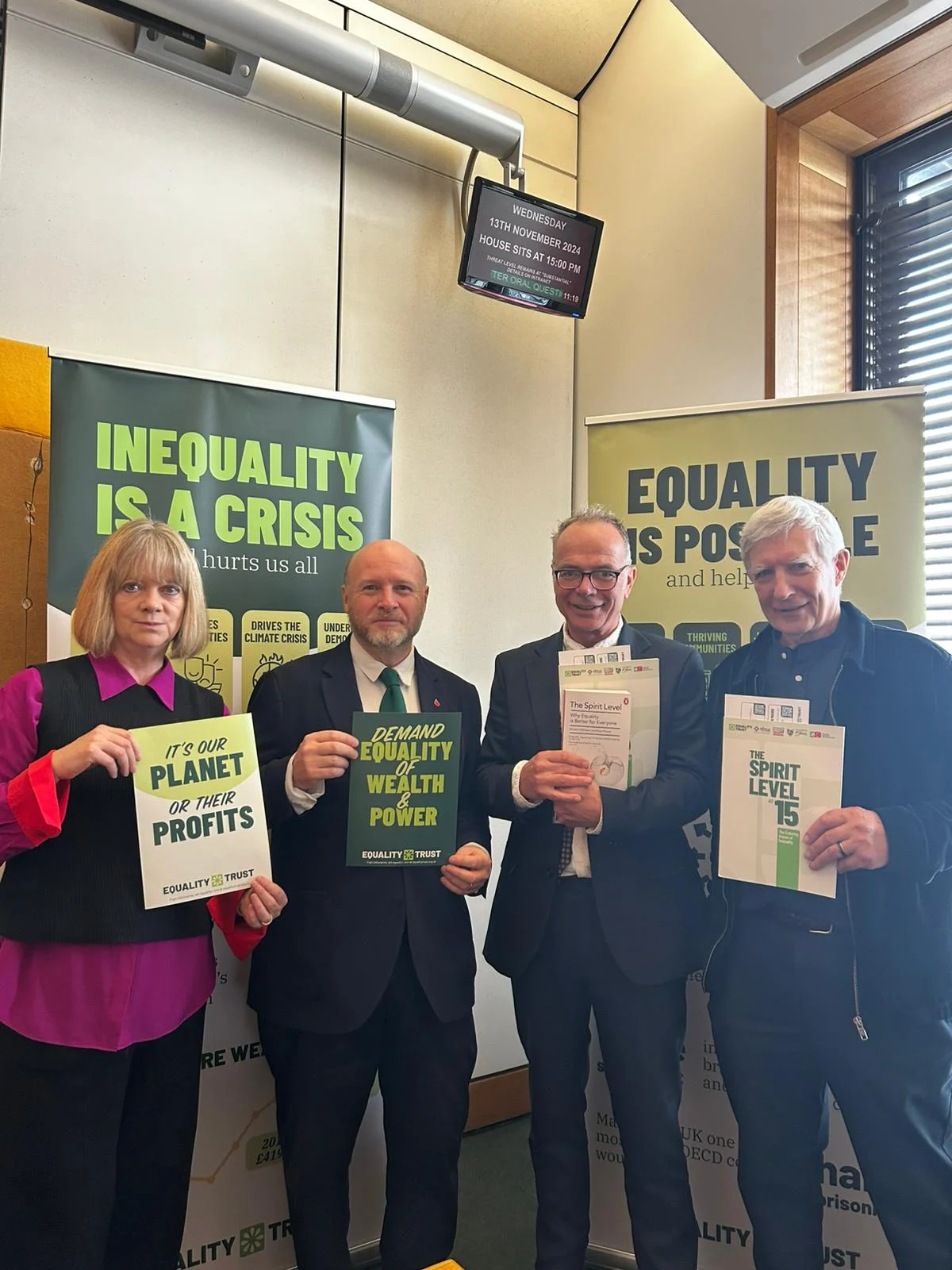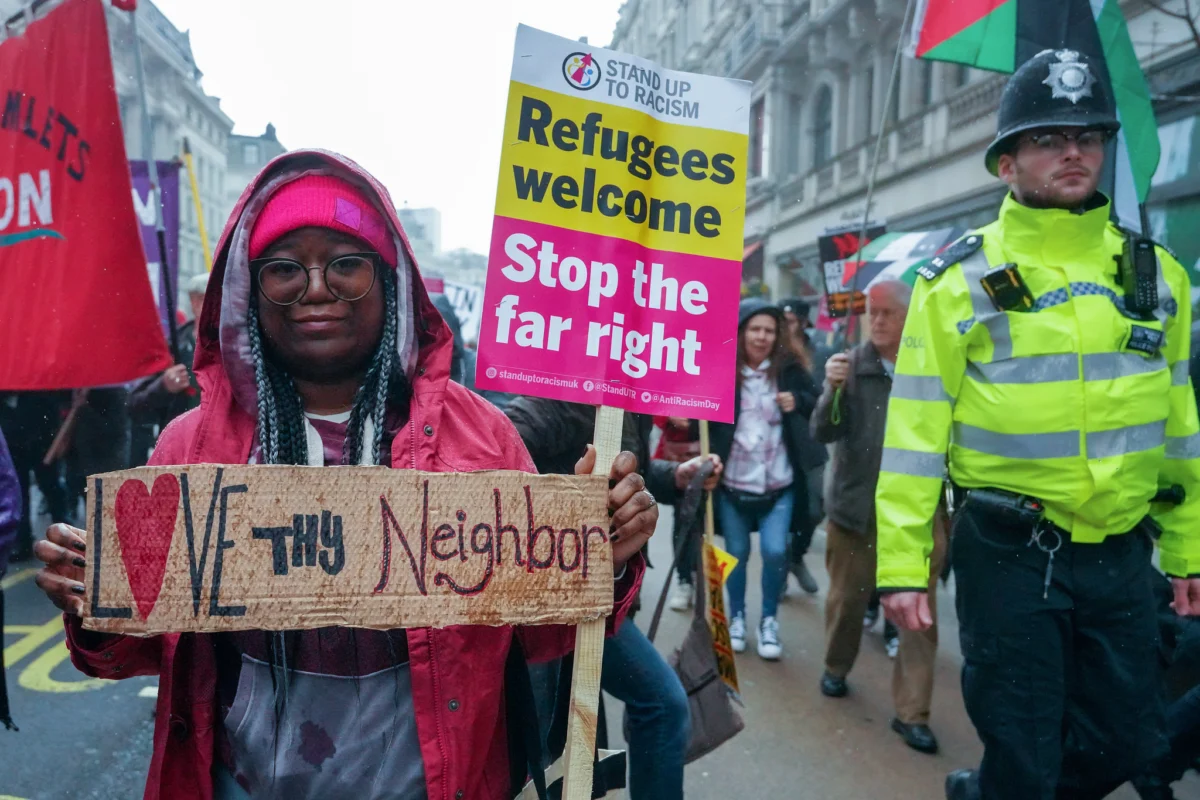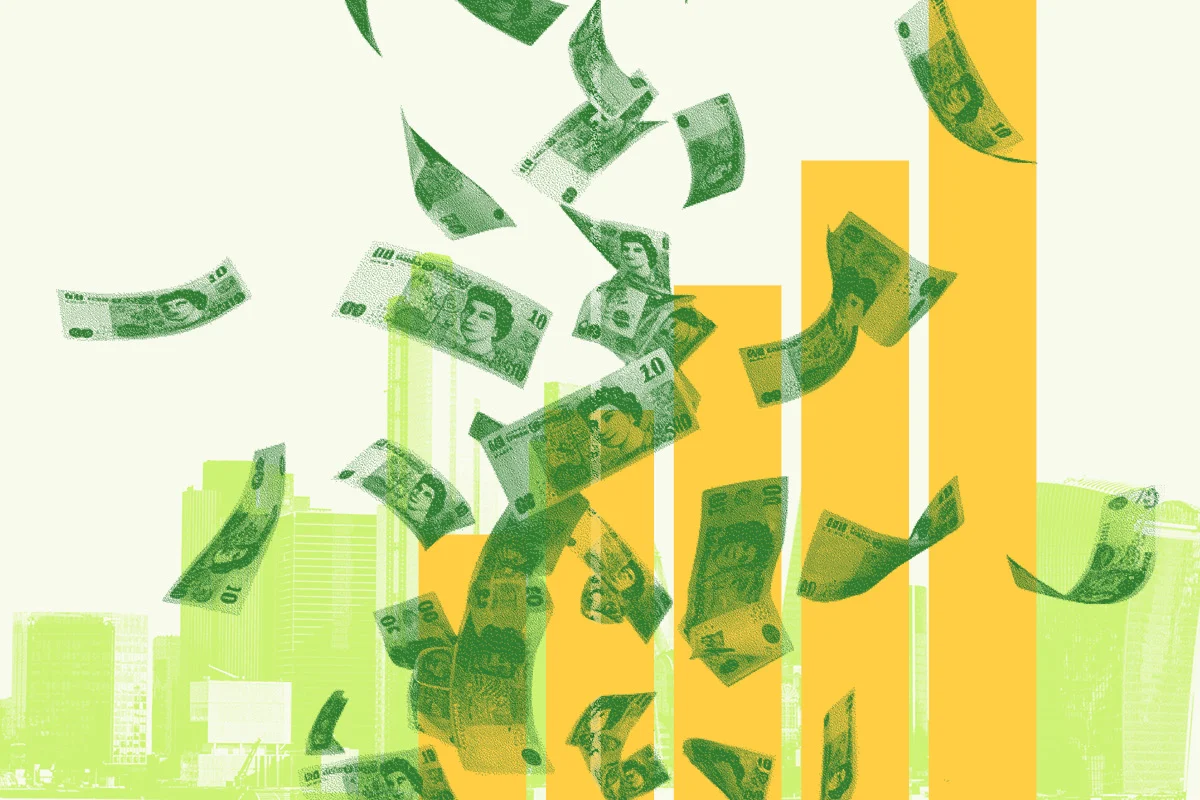
The Equality Trust has released a comprehensive analysis of the United Kingdom’s economic landscape for 2026, revealing a dramatic concentration of wealth that has fundamentally altered the nation’s financial structure. According to the report, Britain’s 157 billionaires now command a collective wealth equivalent to 22 percent of the national Gross Domestic Product (GDP). This figure represents a more than fivefold increase from 1990, when 15 billionaires held wealth equal to just 4 percent of GDP. This surge in private accumulation, occurring alongside the longest pay squeeze in modern history, has led economists to describe the current state of the UK as a "hollow economy"—a system where top-line growth figures mask a reality of stagnant wages, declining public health, and eroding social mobility.
The Evolution of the Hollow Economy: A 36-Year Chronology
The trajectory toward the current levels of inequality began in the late 1980s, a period characterized by the deregulation of financial markets and the dismantling of postwar social protections. The Sunday Times Rich List, first published in 1989, has served as a yearly chronicle of this shift. In 1990, the collective wealth of the UK’s billionaire class stood at approximately £27 billion, representing about 4p of every pound in the economy. By 2026, that figure has ballooned to nearly £670 billion, or 22p of every pound.
This accumulation was not a steady climb but rather one punctuated by national and global crises. Data indicates that during every major disruption—the 2008 financial collapse, the COVID-19 pandemic, and the subsequent cost-of-living crisis—billionaire wealth grew at an accelerated pace while the average household’s real income declined. The Equality Trust notes that by 2025, the richest 50 families in Britain held more wealth than the bottom 34 million citizens combined.
The nature of this wealth has also transformed. In 1990, the majority of the UK’s wealthiest individuals derived their fortunes from manufacturing or retail. By 2026, the profile of the billionaire class has shifted toward "rentier capitalism." Finance now accounts for 30 percent of all billionaire wealth, a fourfold increase over three decades. This model relies on the ownership of existing assets—such as property, land, and financial instruments—to extract value through rents and fees rather than through the creation of new products or services.
Ghost GDP and the Distortion of Economic Success
In early 2026, Citrini Research introduced the concept of "Ghost GDP" to describe an economy that appears robust on paper but fails to provide tangible benefits to the majority of its participants. The Equality Trust argues that the UK has already entered this state. While politicians frequently cite GDP growth as a primary indicator of national health, this metric increasingly reflects the appreciation of assets held by a tiny fraction of the population.
The UK’s current situation mirrors a phenomenon observed in Ireland in 2025. Ireland reported a 12 percent increase in GDP, yet much of this was attributed to multinational corporations routing profits through Dublin for tax purposes. The distortion became so extreme that the Irish government had to adopt "Modified Domestic Demand" as a secondary metric to understand the actual economic conditions facing its citizens. In the UK, Ghost GDP is driven by property price inflation and financial speculation, which drive up GDP figures while simultaneously making housing unaffordable for the younger generation.
Elite Capture and the Infrastructure of Influence
The maintenance of the hollow economy is supported by what researchers term "structural corruption"—the legal and normalized influence of extreme wealth over democratic institutions. The Equality Trust’s analysis highlights a sixfold increase in large-scale political donations between 2002 and 2019, a trend that has only intensified in the mid-2020s. This financial influence often translates into policy decisions that protect dynastic wealth, such as the use of discretionary trusts to bypass inheritance taxes.
Furthermore, the concentration of media ownership has played a significant role in normalizing these disparities. Currently, three media conglomerates control 90 percent of national newspaper circulation in the UK. This oligopoly often frames the accumulation of obscene wealth as a national success story rather than a systemic risk. Professor Kate Pickett, a patron of The Equality Trust and a member of the consultative council to the International Panel on Inequality, warns that this "elite capture" creates a dual-track society where the rules of law and taxation apply differently to the billionaire class than to the general public.
Even figures within the highest echelons of global finance have expressed concern. Larry Fink, Chief Executive of BlackRock, noted in his 2026 annual letter that the integration of artificial intelligence into the economy could push inequality to a "breaking point" if the benefits are not more broadly distributed. However, critics argue that market-led solutions, such as encouraging more private investment, fail to address the underlying structural issues of the hollow economy.
The Human Cost: Health, Wellbeing, and Environmental Impact
The statistical reality of the hollow economy is reflected in the deteriorating physical and social health of the British population. Recent data from the Health Foundation shows that healthy life expectancy in the UK has fallen to under 61 years, a decline of two years over the past decade. While the UK remains the world’s sixth-largest economy, it ranks second to last among comparable wealthy nations for the duration of time its citizens live in good health, trailing only the United States—the most unequal nation in the developed world.
The disparity is also geographic and socio-economic. Individuals in Britain’s most affluent areas can expect 20 more years of healthy life than those in the poorest regions. UNICEF’s 2026 Report Card 20 further underscores this crisis, ranking the UK 35th for income inequality and 25th for child poverty among the world’s wealthiest nations.
Beyond human health, the hollow economy is a primary driver of environmental degradation. An Oxfam study titled Climate Plunder found that the world’s richest billionaires produce more carbon through their investments and lifestyles in three hours than the average British citizen does in a lifetime. In the UK, the richest 0.1 percent are 56 times more polluting than those on the lowest incomes. Since 1990, while the bottom 90 percent of the UK population reduced their carbon emissions by 26 percent, the emissions of the ultra-wealthy rose by 53 percent. This is largely due to the fact that nearly 40 percent of billionaire investments remain concentrated in high-polluting industries like oil, gas, and cement.
The Global Movement Toward "Beyond GDP"
The findings of The Equality Trust arrive at a moment of significant international policy shifts. In May 2026, the United Nations High-Level Expert Group on "Beyond GDP" released its final report, proposing 31 new indicators to replace GDP as the primary measure of national progress. These indicators prioritize equity, sustainability, and wellbeing over raw financial throughput.
Simultaneously, the UN Special Rapporteur on Extreme Poverty and Human Rights, Olivier De Schutter, published a roadmap for eradicating poverty that explicitly moves away from the pursuit of perpetual GDP growth. De Schutter argues that the traditional growth model has become a barrier to solving poverty, as it prioritizes asset inflation over the provision of basic needs.
In the UK, local election results in May 2026 reflected a growing public discontent with the economic status quo. Analysts suggest that the "hollowing out" of the economy has led to a hollowing out of traditional political structures, with voters increasingly seeking radical alternatives to the current system.
Recommendations for Structural Reform
The Equality Trust and its network of Community Economists argue that "sticking plaster" reforms, such as minor adjustments to the welfare state, are no longer sufficient to address a system functioning as designed to concentrate wealth. Instead, they advocate for a fundamental rethink of the economy’s purpose. Proposed solutions include:
- Progressive Wealth Taxes: Implementing structural limits on the concentration of power by taxing high-value assets and closing loopholes used for dynastic wealth transfer.
- Democratic Reform: Capping political donations and breaking up media monopolies to reduce the influence of the ultra-wealthy on public policy.
- New Economic Metrics: Adopting the UN-recommended "Beyond GDP" indicators to ensure that government success is measured by the health and security of the population rather than the growth of "Ghost GDP."
- Planetary Limits: Aligning economic activity with environmental sustainability, specifically targeting the investment emissions of the ultra-wealthy.
The Equality Trust concludes that the trajectory of the UK—where billionaire wealth has grown from 4 percent to 22 percent of GDP—is an extreme version of a global pattern that threatens social stability. As the 2026 Sunday Times Rich List celebrates the gains of the few, the data suggests that these gains are inextricably linked to the losses of the many, signaling an urgent need for an irrevocable shift toward an equitable society.