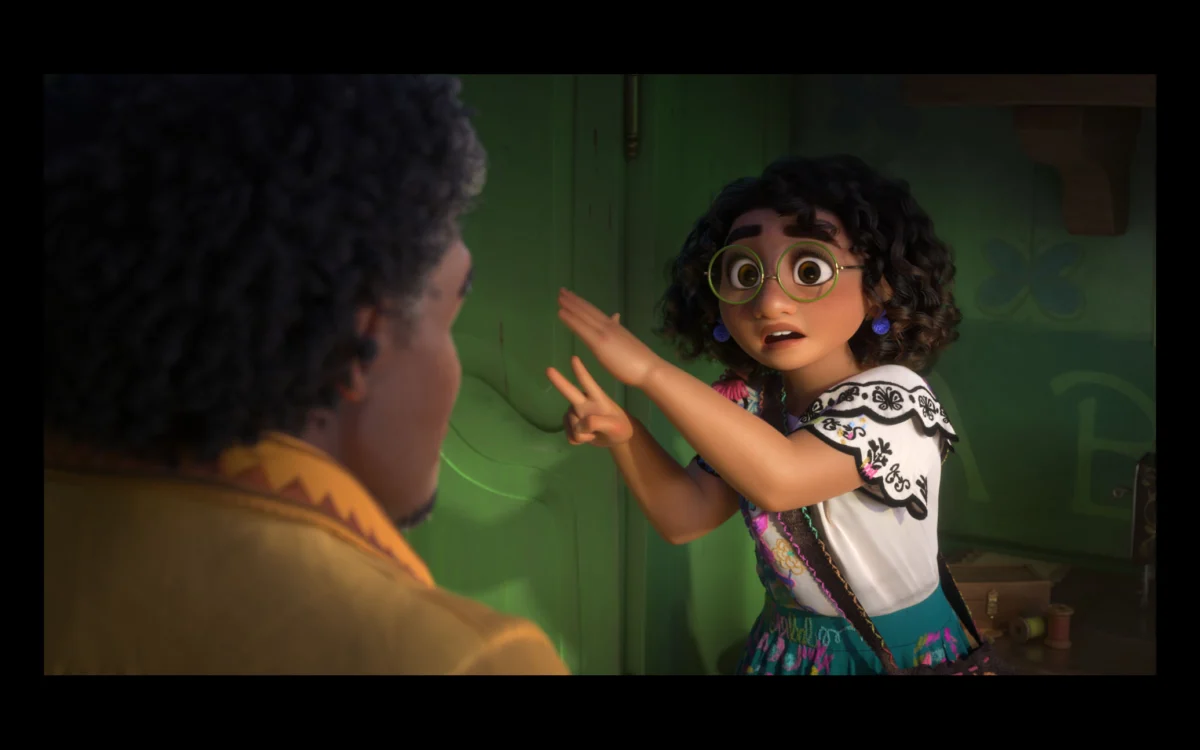
Disney is embarking on a significant initiative to enhance accessibility and foster deeper connections with the disability community through the debut of "Songs in Sign Language," a new series premiering this month on Disney+. This innovative project reimagines iconic musical sequences from beloved animated films, including "Frozen 2," "Encanto," and the upcoming "Moana 2," by integrating American Sign Language (ASL) directly into the animation and choreography. The release coincides with National Deaf History Month, underscoring Disney’s commitment to celebrating and representing the Deaf community.
A Groundbreaking Approach to Inclusive Storytelling
The "Songs in Sign Language" series features three highly popular musical numbers: "The Next Right Thing" from "Frozen 2," the globally acclaimed "We Don’t Talk About Bruno" from "Encanto," and "Beyond" from "Moana 2." These sequences have been meticulously reanimated to not only present the songs but also to convey their emotional depth and narrative nuances through ASL. This approach moves beyond simple subtitling or audio descriptions, aiming to provide a fully integrated and artistically rich experience for Deaf and hard-of-hearing audiences.
The genesis of this ambitious project can be traced back to Hyrum Osmond, a director and animator at Walt Disney Animation Studios. Osmond’s personal connection to the Deaf community, stemming from his father being Deaf, served as a powerful catalyst for the initiative. "If ever there was a medium to showcase sign language, it was animation," Osmond stated. He further elaborated on the project’s core mission: "This project, in a way, helps bring down barriers and allows us to connect in a special way with our Deaf community audience." This sentiment highlights a conscious effort to leverage animation’s unique visual storytelling capabilities to bridge communication gaps and foster a sense of belonging.
Collaboration and Artistic Fusion
The creation of "Songs in Sign Language" involved a multidisciplinary team of over 20 animators at Walt Disney Animation Studios, who collaborated closely with artistic director DJ Kurs and performers from the renowned Deaf West Theatre in Los Angeles. This partnership was crucial in ensuring the authenticity and artistic integrity of the ASL interpretations. A dedicated sign language reference choreographer also played a pivotal role in translating the lyrical content and emotional subtext of each song into a visual language that resonates with ASL users.
The animation for these sequences is largely new, a testament to the significant investment Disney has made in this endeavor. This is not merely an overlay of sign language onto existing animation; rather, it is a complete reimagining of the performance, where the characters’ movements, expressions, and the surrounding environment are designed to complement and amplify the signed lyrics. This comprehensive approach aims to deliver a more immersive and impactful viewing experience.
DJ Kurs, artistic director for Deaf West Theatre, expressed the profound significance of this collaboration. "Disney stories are the universal language of childhood," Kurs remarked. "The chance to bring our language into that world was a historic opportunity to reach a global audience. For so long, we have known and loved the artistic medium of Disney Animation. Here, the art form was adapting to us." This statement underscores the transformative nature of the project, shifting the paradigm to center the experiences and artistic expressions of the Deaf community within a globally recognized storytelling framework.
A Timeline of Inclusion
The development of "Songs in Sign Language" represents a culmination of growing efforts within the entertainment industry to enhance accessibility. While specific dates for the project’s inception are not publicly detailed, its release in April 2024, during National Deaf History Month, is a deliberate and symbolic choice. National Deaf History Month, observed annually from March 1 to April 15, commemorates significant events and achievements in Deaf history, including the establishment of the first permanent school for the Deaf in the Western Hemisphere in 1817 and the founding of Gallaudet University, the world’s only university for the Deaf, in 1864. By launching this series within this commemorative period, Disney signals a broader recognition of the Deaf community’s cultural heritage and contributions.
The decision to focus on "We Don’t Talk About Bruno" is particularly noteworthy. This song from "Encanto" became a cultural phenomenon, topping charts worldwide and resonating with audiences of all ages. Its intricate lyrics, rapid-fire delivery, and character-driven narrative present a unique challenge and opportunity for sign language interpretation. Successfully translating its complex storytelling and infectious rhythm into ASL demonstrates a commitment to inclusivity that extends to the most popular and artistically ambitious aspects of Disney’s repertoire.
Similarly, the inclusion of "The Next Right Thing" from "Frozen 2" and "Beyond" from "Moana 2" showcases a range of emotional and thematic content. "The Next Right Thing" is a poignant ballad about perseverance in the face of despair, while "Beyond" from the yet-to-be-released "Moana 2" likely carries themes of exploration and discovery. Adapting these diverse musical styles and emotional landscapes into ASL highlights the versatility and expressive power of sign language.
Broader Implications and Industry Impact
The launch of "Songs in Sign Language" by Disney has significant implications for the broader entertainment industry and the ongoing discourse surrounding disability representation. For years, advocates have pushed for more authentic and integrated portrayals of disabled individuals and a greater emphasis on accessible content. Disney’s initiative, by investing in high-quality, animated ASL interpretations of its most popular songs, sets a new benchmark for what can be achieved.
This move is likely to influence other studios and content creators to explore similar avenues for accessibility. The success of this series could encourage further investment in ASL-integrated content across various genres and platforms. It also acknowledges that accessibility is not merely about compliance but about enriching the artistic landscape and expanding the potential audience for creative works.
Furthermore, the project contributes to the normalization of sign language as a legitimate and vibrant art form. By showcasing ASL within the visually rich medium of animation, Disney helps to demystify it for hearing audiences and celebrates its beauty and expressiveness for Deaf viewers. This can foster greater understanding and appreciation for Deaf culture and language.
Data and Supporting Context
While specific viewership data for "Songs in Sign Language" will only become available after its release, the general trend of increasing demand for accessible content is well-documented. Streaming services, in particular, have seen a surge in the use of closed captions and audio descriptions. According to a 2023 report by Nielsen, the percentage of viewers who regularly use closed captions has been steadily increasing, with a significant portion of this usage coming from individuals who are not Deaf or hard-of-hearing, indicating a broader appeal for enhanced accessibility features.
The global reach of Disney’s properties means that "Songs in Sign Language" has the potential to introduce ASL to millions of viewers worldwide. While the series specifically features American Sign Language, the principles of translating lyrical content into visual language can be adapted to other sign languages, potentially paving the way for future international collaborations.
The artistic director of Deaf West Theatre’s statement about "the art form was adapting to us" is particularly telling. It highlights a historical power dynamic where art forms often cater to a dominant cultural norm. This project signifies a welcome shift, where a globally dominant art form like Disney animation is actively adapting to embrace and amplify a minority language and culture.
Behind the Scenes and Future Prospects
Disney+ will not only host the "Songs in Sign Language" series but also offer a behind-the-scenes documentary. This supplementary content is crucial for providing insight into the creative process, the challenges faced, and the collaborative spirit that defined the project. By showcasing the work of animators, Deaf performers, and sign language experts, Disney can educate audiences about the complexities of ASL interpretation and the dedication involved in bringing these reimagined songs to life.
The success of "Songs in Sign Language" could lead to further expansions of this initiative. Future projects might include other popular Disney songs, extend to live-action films, or even explore original content developed with ASL integration from its inception. The potential for Disney to become a leader in accessible animated storytelling is significant, and this series represents a bold first step in that direction.
The commitment to inclusivity demonstrated by "Songs in Sign Language" aligns with broader societal movements advocating for the rights and visibility of disabled individuals. By leveraging its immense platform and creative prowess, Disney is not only providing entertainment but also fostering a more inclusive and understanding world, one song at a time. The debut of "We Don’t Talk About Bruno" in a new, visually expressive form serves as a powerful testament to the company’s evolving approach to storytelling and its dedication to reaching all audiences.