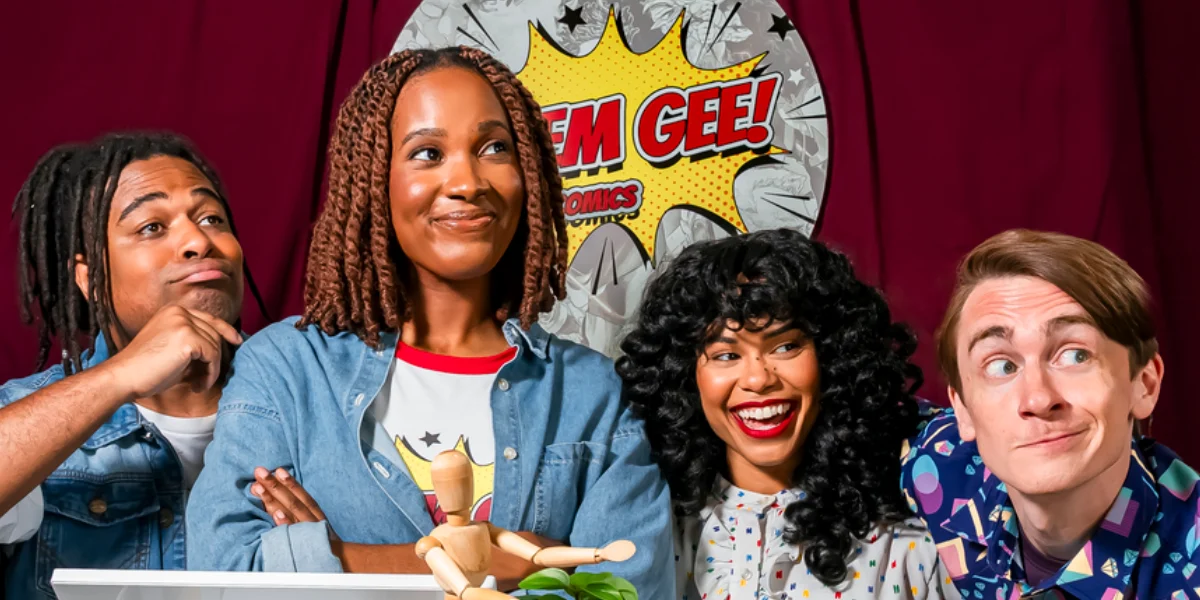
The landscape of independent digital media has undergone a significant transformation since the initial "web series boom" of the early 2010s. While that era introduced audiences to groundbreaking works like Issa Rae’s The Misadventures of Awkward Black Girl and Felicia Day’s The Guild, the 2020s have seen a shift toward high-production, community-funded projects that fill specific representational gaps left by mainstream streaming platforms. One of the most prominent examples of this evolution is The Comic Shop, a series created by Cheyenne Ewulu that centers on the life of a Black lesbian comic book store owner. By blending niche "nerd" culture with authentic queer experiences, the show has emerged as a cultural touchstone for a demographic frequently marginalized in both traditional and digital media.
The Genesis of a Community-Driven Narrative
The journey of The Comic Shop from a conceptual pitch to a fully realized series serves as a case study for the power of modern crowdfunding. The project began in 2023 with the production of a 12-minute "proof of concept" short film. Although the short itself was intended for the film festival circuit and was not initially released to the public, its trailer was shared on social media, where it quickly achieved viral status. This sudden surge in digital engagement demonstrated a significant market demand for stories featuring Black queer women in "geek" spaces—a demographic often referred to as "Blerds" (Black Nerds).
Faced with the realization that the project required a budget far exceeding their initial resources, Ewulu and her team launched a Kickstarter campaign in 2024. The campaign proved to be an overwhelming success, raising over $200,000. This figure represented 130% of the original funding goal, highlighting a dedicated audience base willing to financially support the production of niche content. Following the successful funding round, production took place throughout 2025, leading to the series’ eventual release.
Redefining the "Blerd" Archetype
A central theme of The Comic Shop is the dismantling of the "monolithic" view of Black identity. In mainstream American pop culture, the "nerd" or "geek" archetype has historically been occupied by white male characters. Even as the Marvel Cinematic Universe and DC Extended Universe have popularized comic book culture globally, Black characters within these narratives are rarely portrayed as fans or consumers of the medium themselves.
Ewulu, who wrote the series based on her own lived experiences, has noted that she was frequently told a show about Black nerds might be "too niche" or that the Black community would not relate to "geeky" subject matter. However, current cultural trends suggest otherwise. The rise of public "otaku-dom" among high-profile Black figures, such as Grammy-winning artist Megan Thee Stallion, has signaled a shift in how Black "nerdiness" is perceived and celebrated. The Comic Shop capitalizes on this shift, presenting characters who are not only Black and queer but also deeply invested in Dungeons & Dragons (D&D), anime, and comic book lore.

Narrative Structure and Character Dynamics
The series follows Stephanie, portrayed as a resilient entrepreneur struggling to keep her comic book store, "OMG Comics," afloat. Unlike many mainstream depictions of queerness that focus heavily on "coming out" stories or trauma-centered narratives, The Comic Shop treats Stephanie’s lesbian identity as an established fact of her life. This allows the show to explore more nuanced and often humorous aspects of queer interpersonal relationships.
One of the standout narrative arcs involves a "lovers-to-enemies" dynamic between Stephanie and her ex-girlfriend, Keke, played by Haley Law. The relationship is characterized by comedic tension and sabotage, a portrayal that fans have affectionately labeled "toxic yuri"—a term borrowed from Japanese media referring to dramatic or complex girls’-love stories. Another subplot features a comedic rivalry over a "D&D baddie" named Amber (played by Kiera Please), which subverts traditional tropes by centering Black women in the competitive and often gatekept world of tabletop gaming.
Production Authenticity and Local Impact
A defining characteristic of The Comic Shop is its commitment to communal authenticity. Rather than utilizing generic soundstages, the production was filmed at "The Comic Den," a real Black-owned comic book store located in Inglewood, California. This choice served a dual purpose: it provided the show with an authentic visual backdrop and offered tangible economic support to a local Black-owned business.
The synergy between the production and the venue has resulted in a measurable "halo effect" for the store. According to reports from the production team, "The Comic Den" has seen an increase in foot traffic from fans of the show, some of whom had never visited a comic book store prior to watching the series. Furthermore, the show served as a platform for other independent creators. The set dressing featured comics from various indie writers, and certain featured works, such as Kisha Demon Eater, became best-sellers at the Inglewood location after appearing on screen.
Chronology of Development
The timeline of The Comic Shop reflects the typical trajectory of a successful independent digital production in the current media environment:
- Early 2023: Production of the 12-minute proof-of-concept short.
- Late 2023: Viral success of the trailer on social media platforms, identifying a clear target audience.
- 2024: Launch and completion of the Kickstarter campaign, raising over $200,000.
- 2025: Principal photography and post-production.
- Late 2025/Early 2026: Series release and subsequent expansion into other media.
- Upcoming: Release of a companion comic book detailing the backstories of the main characters.
Broader Implications for the Media Industry
The success of The Comic Shop occurs against a backdrop of increasing frustration within the LGBTQ+ community regarding the "bury your gays" trope and the frequent cancellation of sapphic-led television shows. Industry analysts have noted a pattern where major streaming platforms often cancel shows featuring queer women—particularly those of color—after only one or two seasons, citing high production costs or niche viewership.

By bypassing traditional gatekeepers and going directly to the audience for funding, creators like Ewulu are proving that these "niche" audiences are not only large enough to sustain a show but are also highly engaged. The $200,000 raised via Kickstarter suggests that independent creators can achieve production values that rival traditional cable television while maintaining complete creative control over their narratives.
Furthermore, the series highlights the importance of intersectionality. Ewulu has cited influences ranging from the early 2000s sitcom That’s So Raven to Lena Waithe’s Twenties. By drawing on these diverse influences, The Comic Shop creates a space where Black queer identity and nerd culture coexist without one eclipsing the other.
Official Responses and Creative Vision
In statements regarding the show’s reception, Cheyenne Ewulu has emphasized that the series is a "love letter" to Black geeks and "weirdos" who have long felt invisible in mainstream media. "You just want people to be able to resonate with your show and your characters as much as you do," Ewulu stated. "I’ve just been lucky that people genuinely [connect with] The Comic Shop."
The creator also highlighted the importance of creating a "safe space" within the narrative. While many "nerd" spaces have historically been criticized for being unwelcoming to women and people of color, the fictional "OMG Comics" was designed to be an aspirational environment—a place where diversity is the norm rather than the exception. This vision has resonated with viewers, many of whom have expressed that the show represents the first time they have seen their specific intersection of identities portrayed with such specificity and care.
Future Outlook
As the first season concludes, the "Comic Shop" brand is set to expand. Ewulu has announced a forthcoming comic book that will serve as a prequel, providing fans with the backstory of the relationship between Stephanie and Keke. This move into print media further solidifies the series’ place within the very industry it depicts.
The success of The Comic Shop serves as a blueprint for future independent creators. It demonstrates that with a clear vision, a dedicated community, and a commitment to authentic storytelling, it is possible to bypass traditional industry barriers and create high-impact media that reflects the true diversity of the modern audience. As digital platforms continue to evolve, projects like The Comic Shop are likely to play an increasingly central role in defining the future of queer and Black representation on screen.