March 31, 2026
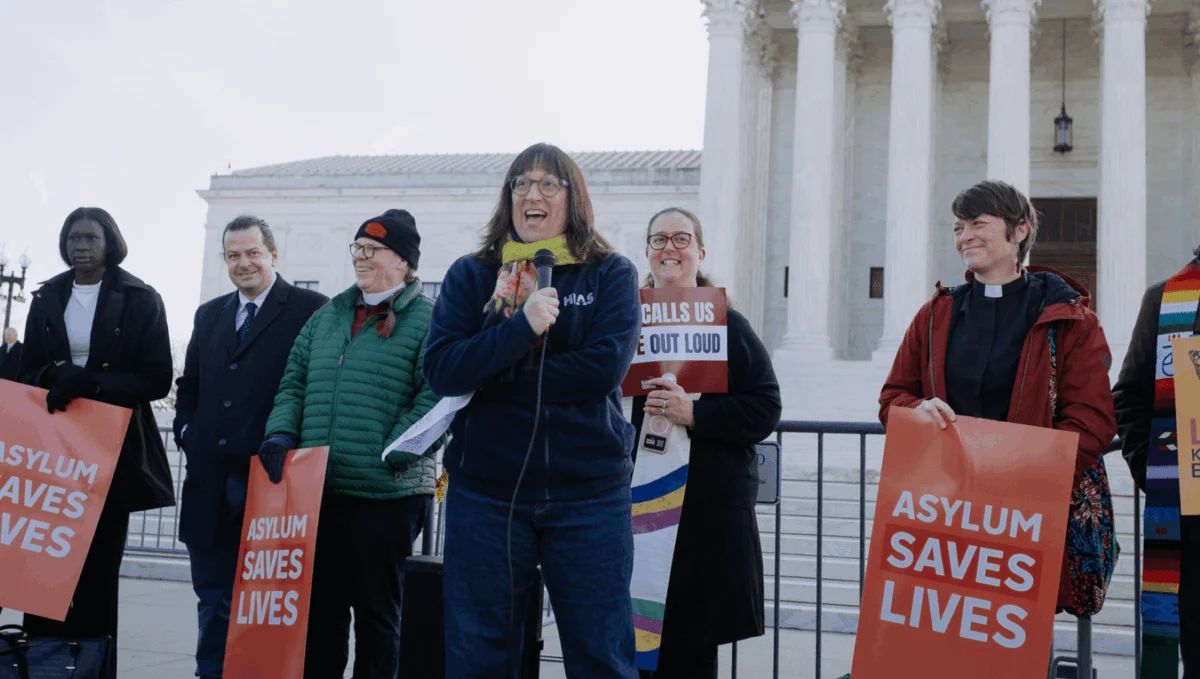
This Passover night is different from all other nights not by chance, but by deliberate choice. It is a night marked by a conscious decision to resist distraction, to embrace remembrance, and to commit to action, particularly for those who are displaced and seeking refuge. Rabbi-in-Residence Sarah Bassin of HIAS, a global Jewish nonprofit dedicated to protecting refugees, underscores this sentiment, drawing a direct parallel between the ancient story of liberation and the contemporary plight of individuals forced from their homes.
The Passover seder, a central observance of the holiday, is structured around the recitation of the Haggadah and the symbolic Seder plate. At its heart lies a ritualistic question: "Why is this night different from all other nights?" The answer, deeply embedded in Jewish tradition, is illuminated through four symbolic acts, each a poignant echo of the experience of being uprooted and vulnerable. The bitter herbs, or maror, represent the bitterness of oppression. Matzah, the unleavened bread, signifies the haste and urgency of flight, baked without the time for dough to rise. The dipping of green vegetables into salt water evokes the tears shed in sorrow and loss. Finally, reclining during the meal symbolizes the attainment of safety and the ability to finally rest after a perilous journey.
These are not mere abstract symbols; they are tangible representations of the lived reality of displacement. They encapsulate the architecture of forced migration: the omnipresent fear that drives departure, the perilous flight itself, the profound grief of separation, and the enduring, often aching, hope for sanctuary. The question, "Why is this night different?" serves as a powerful pedagogical tool, designed not only to engage the intellect but, more importantly, to open the heart. Within its answer lies a fundamental truth about the human condition and, specifically, about the collective history of the Jewish people. Throughout millennia, Jewish communities have experienced firsthand the profound vulnerability of being strangers in unfamiliar lands, facing displacement and uncertainty. Yet, the narrative of Jewish survival is also a testament to resilience forged through external compassion and intervention, transforming despair into liberation.
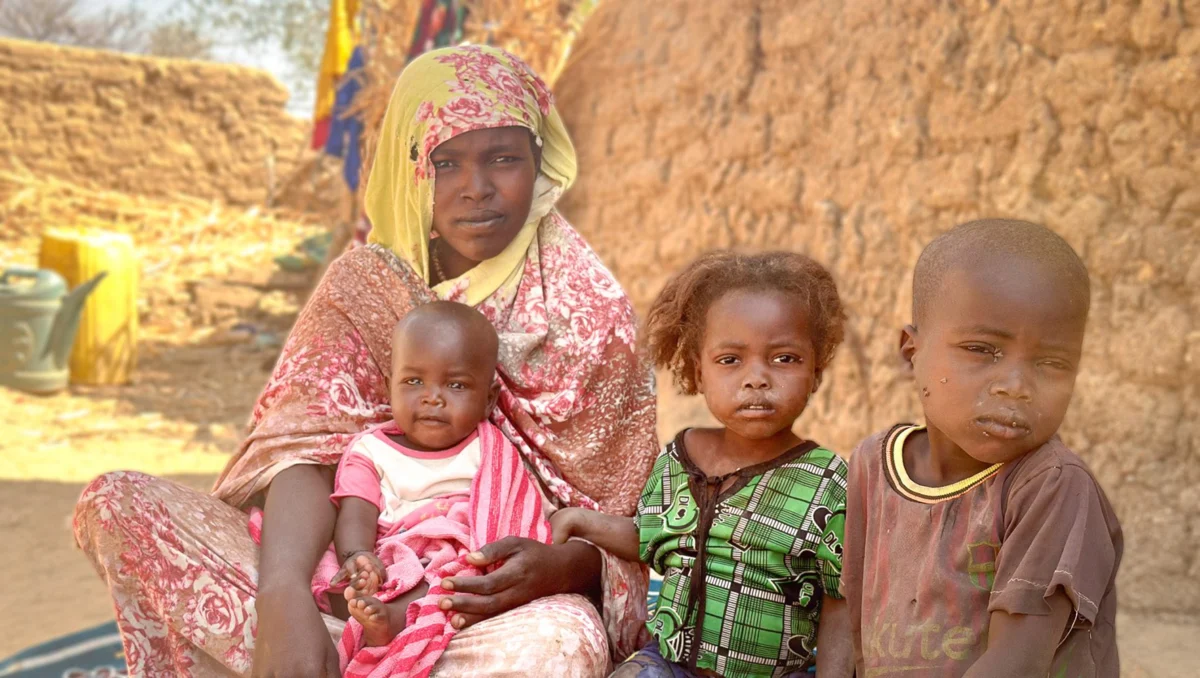
HIAS, drawing on this historical imperative, emphasizes that the families they serve today are navigating journeys that resonate deeply with this ancient narrative. The organization highlights the stories of mothers fleeing with their children, carrying only the bare essentials; of teenagers striving to learn new languages and the meaning of "safe" and "home" in unfamiliar surroundings; and of asylum seekers finally experiencing the relief of sleeping without fear, a sensation they may not have known for years. The Haggadah, the text that guides the Passover seder, explicitly prevents detachment from these realities. It compels participants to confront the bitterness of oppression, to acknowledge the urgency of flight, to remember the tears of sorrow, and, critically, to translate this understanding into action.
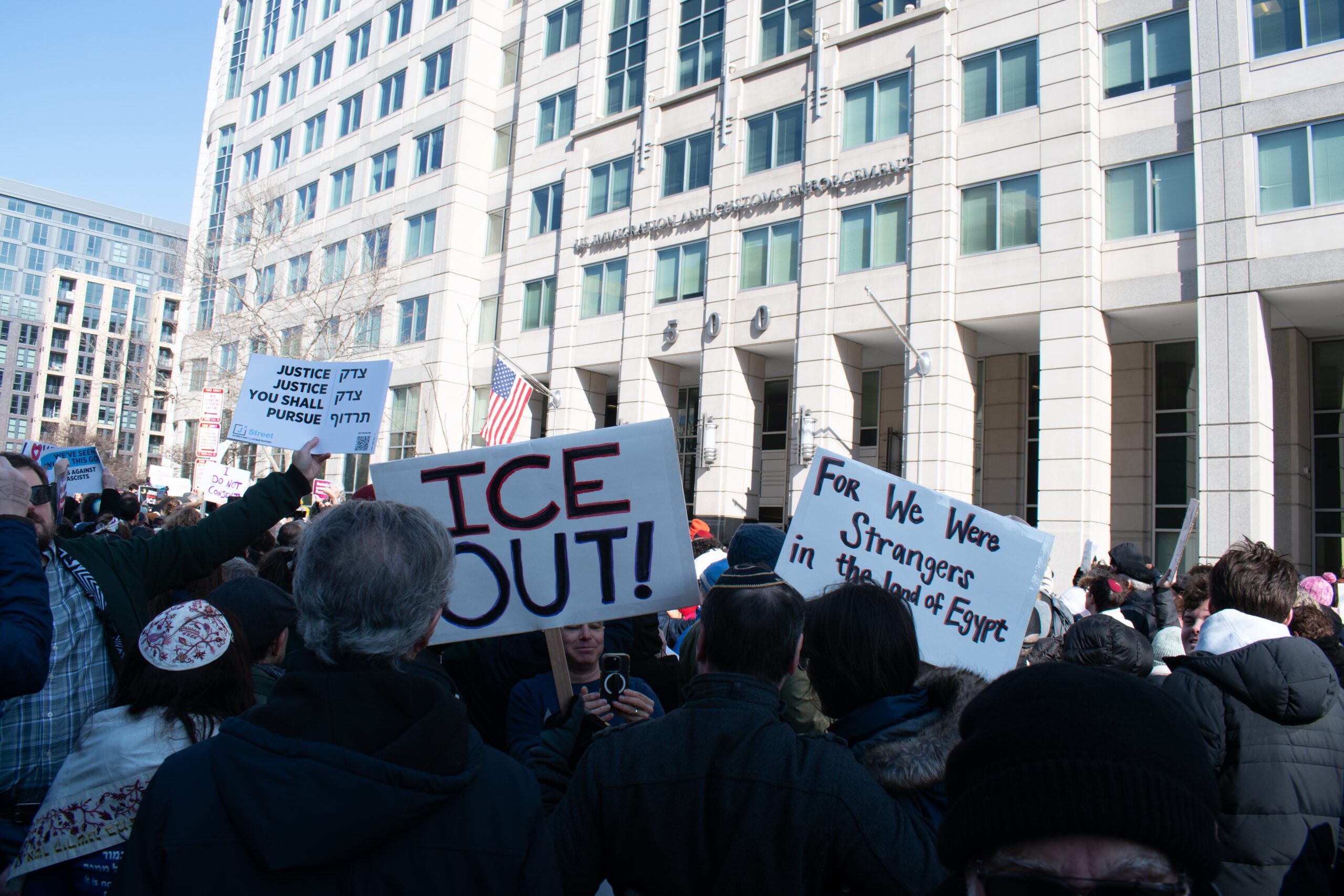
The core mandate of the Haggadah, often cited as one of the most challenging and transformative injunctions in Jewish tradition, states: "In every generation, everyone is obligated to see themselves as though they personally left Egypt." This is far more than an exercise in abstract empathy. It is a profound call to personal responsibility, a potent reminder that memory divorced from action remains incomplete. It is a demand that individuals undertake for others the same acts of kindness and assistance that were once extended to them.
The Enduring Relevance of "Welcoming the Stranger"
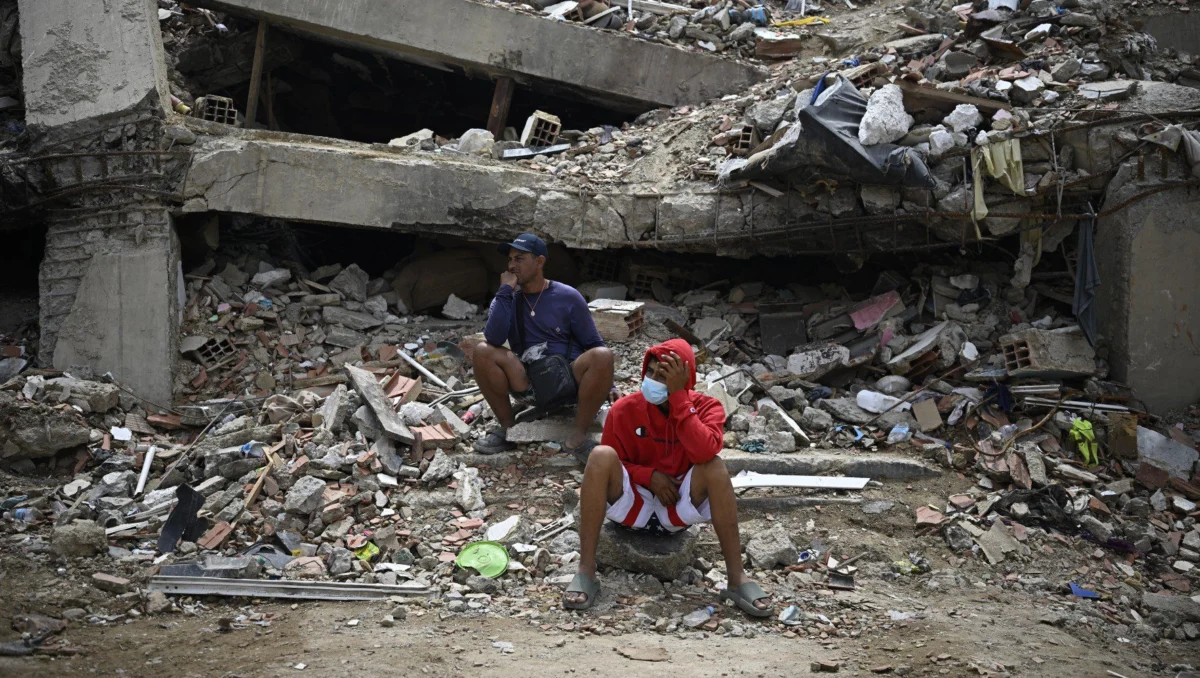
The principles embodied in the Passover story are profoundly relevant in the contemporary global landscape of forced displacement. As of early 2026, the United Nations High Commissioner for Refugees (UNHCR) reports an estimated 110 million people forcibly displaced worldwide. This figure represents a stark and ongoing humanitarian crisis, with individuals and families fleeing conflict, persecution, and climate-induced disasters. The challenges faced by these individuals are multifaceted, ranging from immediate threats to life and safety to long-term struggles for integration and dignity.
In this context, the Passover observance serves as an annual recommitment to the ethical imperatives of welcoming the stranger and protecting the vulnerable. HIAS actively works to uphold these principles by providing essential legal, resettlement, and psychosocial support services to refugees and asylum seekers across the globe. The organization’s work is informed by the understanding that every individual, regardless of their origin or circumstances, deserves safety, dignity, and the opportunity to rebuild their lives.
Addressing Contemporary Xenophobia and Shrinking Protections
Despite the deeply ingrained tradition of welcoming the stranger, the current global political climate presents significant challenges. Refugees, asylum seekers, and displaced populations are increasingly confronting rising tides of xenophobia, restrictive immigration policies, and a general erosion of protections. Many nations are grappling with complex debates surrounding border security, national identity, and the economic and social implications of immigration, leading to policies that often prioritize deterrence and exclusion over humanitarian assistance.
This environment makes the proactive and compassionate stance urged by HIAS and the Passover tradition all the more critical. The organization advocates for policies that uphold the human rights of refugees and asylum seekers, ensuring fair and efficient processing of claims, access to legal representation, and opportunities for integration. Their efforts aim to counter narratives of fear and division with messages of solidarity and shared humanity.

A Call to Tangible Action
The Passover narrative, with its emphasis on active liberation, compels individuals to move beyond passive reflection and engage in concrete acts of support. HIAS outlines several avenues through which individuals can translate their commitment to welcoming into tangible action. These include:
- Advocacy: Engaging with elected officials to support policies that protect refugees and asylum seekers, and to advocate for increased humanitarian aid. This can involve writing letters, making phone calls, or participating in public awareness campaigns.
- Donation: Contributing financially to organizations like HIAS that provide direct assistance to displaced populations. Financial support enables vital services such as legal aid, emergency shelter, and educational programs.
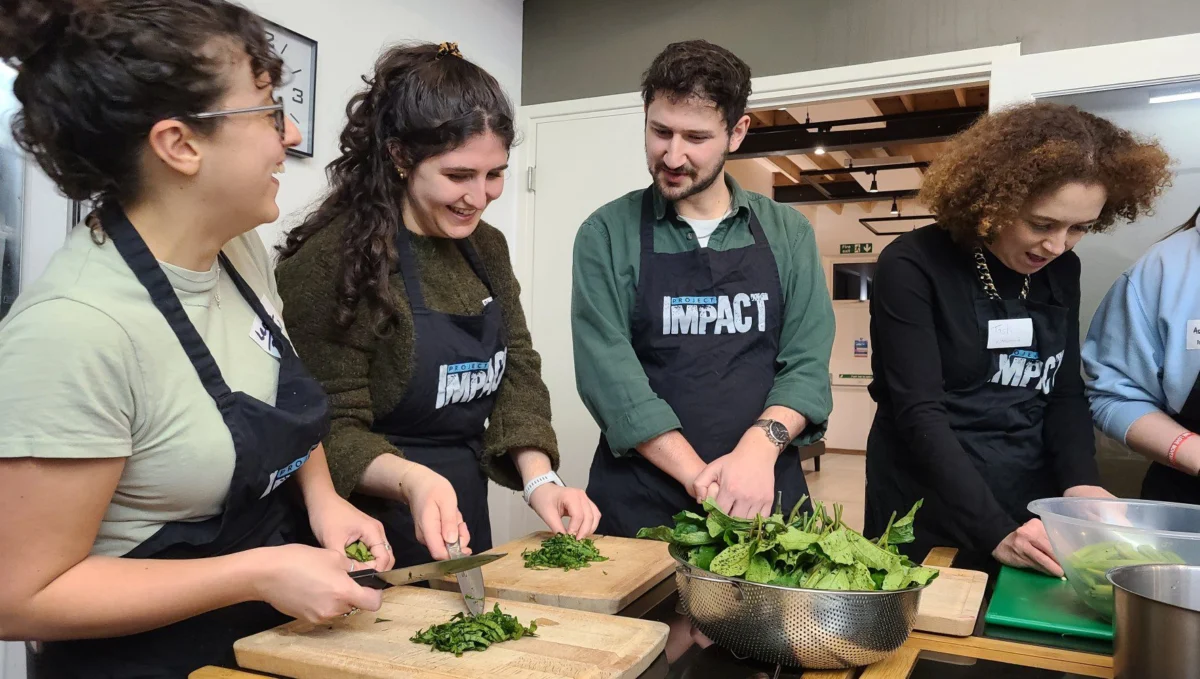
- Volunteering: Dedicating time and skills to support refugee resettlement agencies or organizations working with immigrant communities. This can involve tutoring, mentoring, assisting with cultural orientation, or providing practical support.
- Education and Awareness: Sharing information about the realities of refugee crises and the importance of welcoming policies with friends, family, and communities. Challenging misinformation and promoting understanding can help shift public perception.
- Community Engagement: Supporting local initiatives that welcome and integrate refugees and immigrants into their new communities. This can include attending community events, supporting local businesses, or participating in interfaith dialogues.
The Personal Imperative: Seeing Ourselves in the Exodus
The Passover commandment to "see ourselves as though we personally left Egypt" is a powerful call to recognize our shared humanity and the universal vulnerability that can befall any individual or group. It is a reminder that the circumstances that lead to displacement are not inherently tied to any particular people or region; they are a consequence of global instability, conflict, and human rights abuses that can affect anyone.
This Passover, as families gather around their seder tables, the familiar question of why this night is different resonates with a renewed urgency. It is different because, in observing this holiday, participants are not merely recounting historical events; they are engaging with a living tradition that demands present-day relevance. It is different because the choice has been made to actively remember the struggles of those who have been forced from their homes and to translate that remembrance into meaningful action. It is different because the commitment to welcome, to protect, and to support refugees and immigrants is a conscious and deliberate act of solidarity, a testament to the enduring power of compassion over fear, and a vital continuation of the ancient narrative of liberation. The support and engagement of individuals and organizations like HIAS are crucial in ensuring that the lessons of Passover are not confined to the past, but are actively shaping a more just and humane future for all.