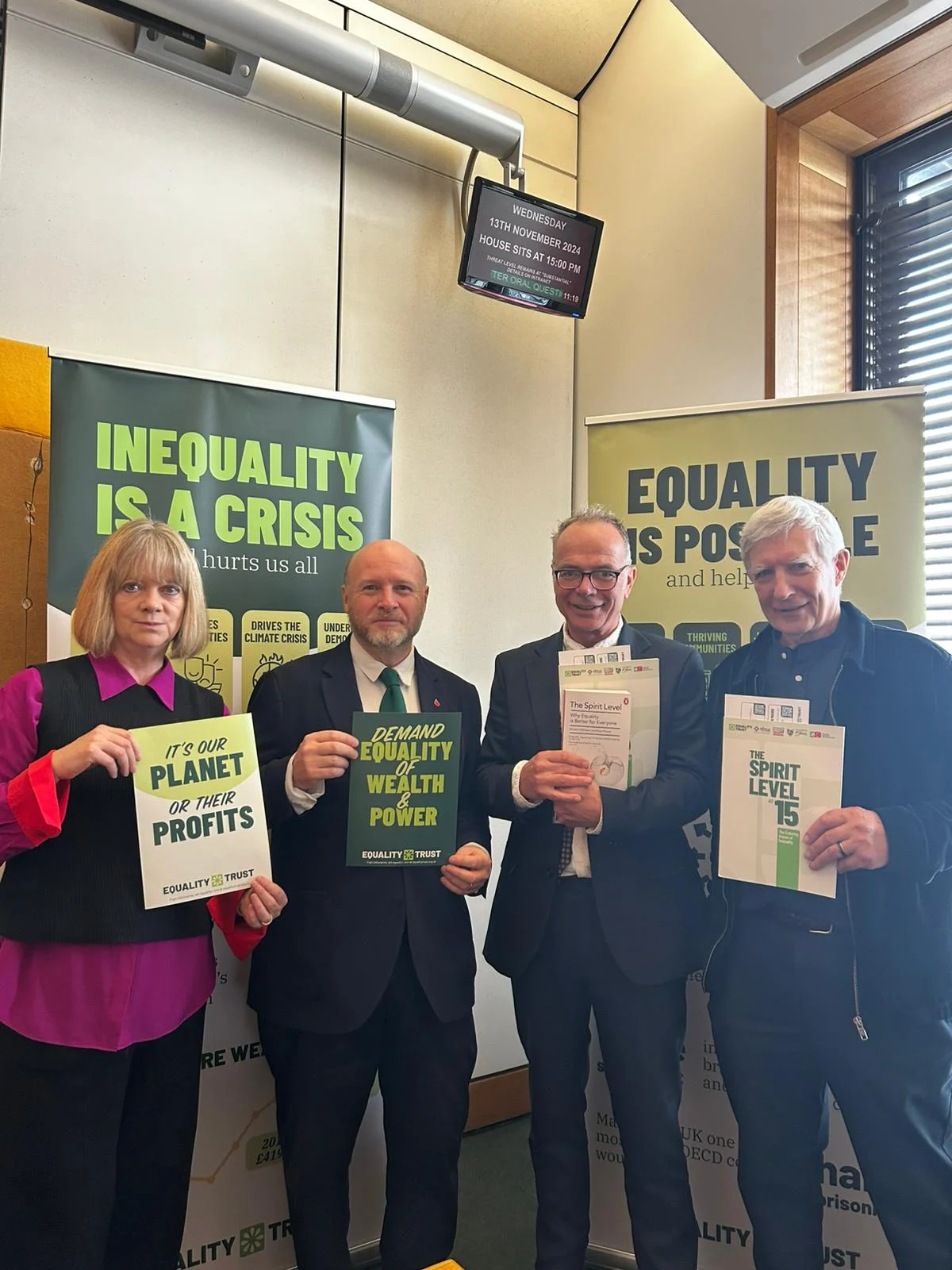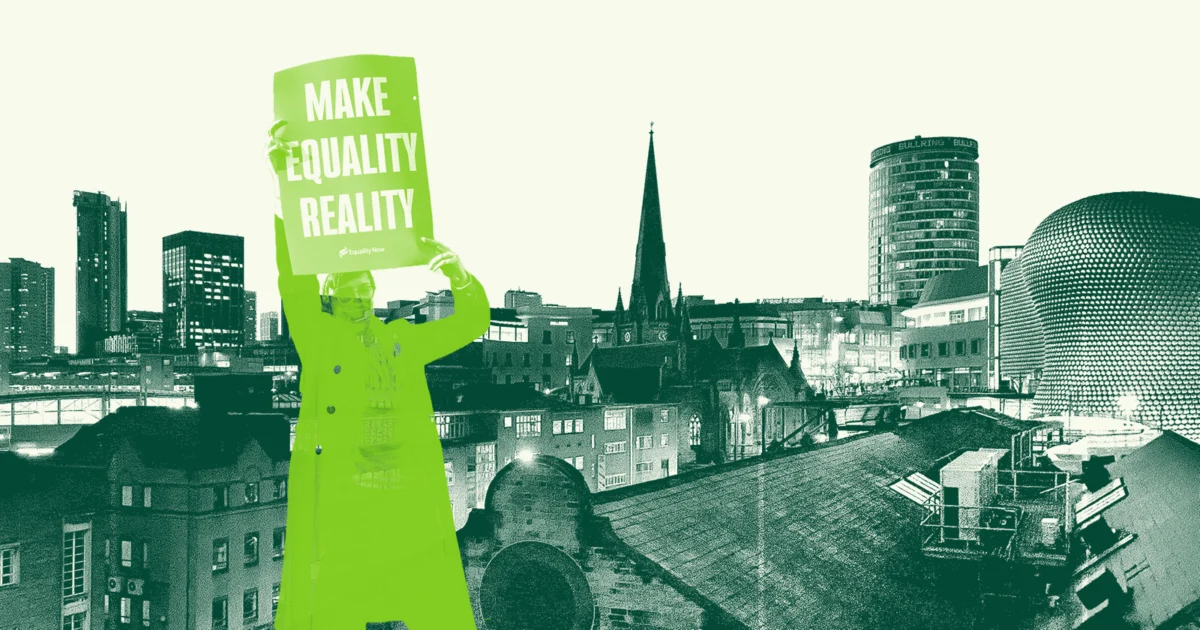
The Midlands Arts Centre in Birmingham served as the focal point for a significant assembly of community leaders, academic researchers, and local residents on January 29, 2026, as The Equality Trust hosted a landmark workshop and film screening titled Re-imagining a Better Brum. The event was designed to confront the deepening divide in cultural participation across the city, driven by years of systemic underfunding and a persistent cost-of-living crisis that has reshaped the social landscape of the United Kingdom’s second city. Led by Charlie McNeill, Senior Project Officer for Socio-Economic Duty (SED) at The Equality Trust, the gathering sought to bridge the gap between policy discussions and the lived experiences of Birmingham’s diverse population.

At the heart of the proceedings was the premiere of Conversations of Change: Access to Arts, Culture, Entertainment, and Recreation in Birmingham, a documentary film produced by a dedicated team of Community Reporters. The project, funded by the Barrow Cadbury Trust as part of its economic justice place-based program, utilized first-hand testimonies to illustrate how socio-economic inequality acts as a formidable barrier to the "soul of the city"—its creative and recreational spaces. By centering the voices of local citizens, the initiative aimed to move beyond abstract statistics and highlight the human cost of a "broken system" that many attendees argued has marginalized the working class and vulnerable communities.
A Chronology of the Conversations of Change Initiative
The workshop at the Midlands Arts Centre was the culmination of a multi-month collaborative effort that began in the previous year. The Equality Trust’s Community Reporter program was established to empower residents with the tools of journalism and filmmaking, allowing them to document the realities of their own neighborhoods. Reporters Alev, Arash, and Jennifer underwent training to conduct ethical interviews and narrative storytelling, focusing specifically on how the lack of disposable income and the closure of local facilities affect community cohesion.
Throughout the autumn and winter of 2025, the reporters traversed Birmingham, from the revitalized city center to the often-overlooked outer estates. They engaged with "storytellers"—everyday Brummies who shared accounts of how the loss of youth centers, the rising cost of concert tickets, and the privatization of public spaces had narrowed their worlds. These interviews were then meticulously edited by Keiran Fuller to create a cohesive narrative that was screened for the first time during the January 29 event. This film served as a prompt for the afternoon’s workshop, where participants were asked to envision a city where cultural access is treated as a fundamental right rather than a luxury for the affluent.
The Socio-Economic Context: A City at a Crossroads
The event took place against a backdrop of significant municipal financial strain. Birmingham City Council’s ongoing budgetary challenges, exacerbated by the fallout of its Section 114 notice in late 2023 and subsequent years of austerity measures, have resulted in unprecedented cuts to non-statutory services. Arts venues, community libraries, and youth hubs have frequently been the first casualties of these fiscal contractions. According to recent socio-economic data, the West Midlands continues to grapple with some of the highest levels of income deprivation in the UK.
Supporting data from national cultural surveys indicates a widening "participation gap." In 2025, individuals from the highest socio-economic groups were nearly twice as likely to have attended a theatre performance or a gallery exhibition compared to those in the lowest deciles. In Birmingham specifically, the cost-of-living crisis has forced many households to prioritize basic necessities—food, heating, and rent—over leisure activities. The Equality Trust argues that this is not merely a personal financial issue but a systemic failure. When cultural spaces close or become unaffordable, the "social glue" that binds different ethnic and economic groups together begins to dissolve, leading to increased isolation and a decline in regional well-being.
Expert Perspectives and Community Advocacy
The workshop featured a panel of speakers who brought diverse expertise to the discussion. Kathy Hopkin, representing the Save Birmingham campaign, spoke passionately about the need to protect community assets from being sold off to balance municipal ledgers. She emphasized that once a community center or a local park is privatized or demolished, the loss to the neighborhood’s social capital is often permanent.
Dr. Patrycja Rozbicka from Aston University provided an academic framework for the discussion, drawing on her research into the music industry and cultural policy. Dr. Rozbicka noted that Birmingham’s reputation as a "city of a thousand trades" and a hub for musical innovation—from heavy metal to bhangra—is at risk if the grassroots venues that nurture new talent are allowed to fail. She argued that cultural policy must be integrated with economic policy to ensure that the creative economy remains inclusive.
Ian Francis of the Flatpack Festival offered a perspective from the independent arts sector. He highlighted the challenges faced by festivals and small-scale exhibitors in maintaining affordable pricing while dealing with rising overhead costs. Francis stressed that collaboration between large institutions and community-led projects is essential to maintain a vibrant, accessible cultural ecosystem.
Key Findings from the Workshop Discussions
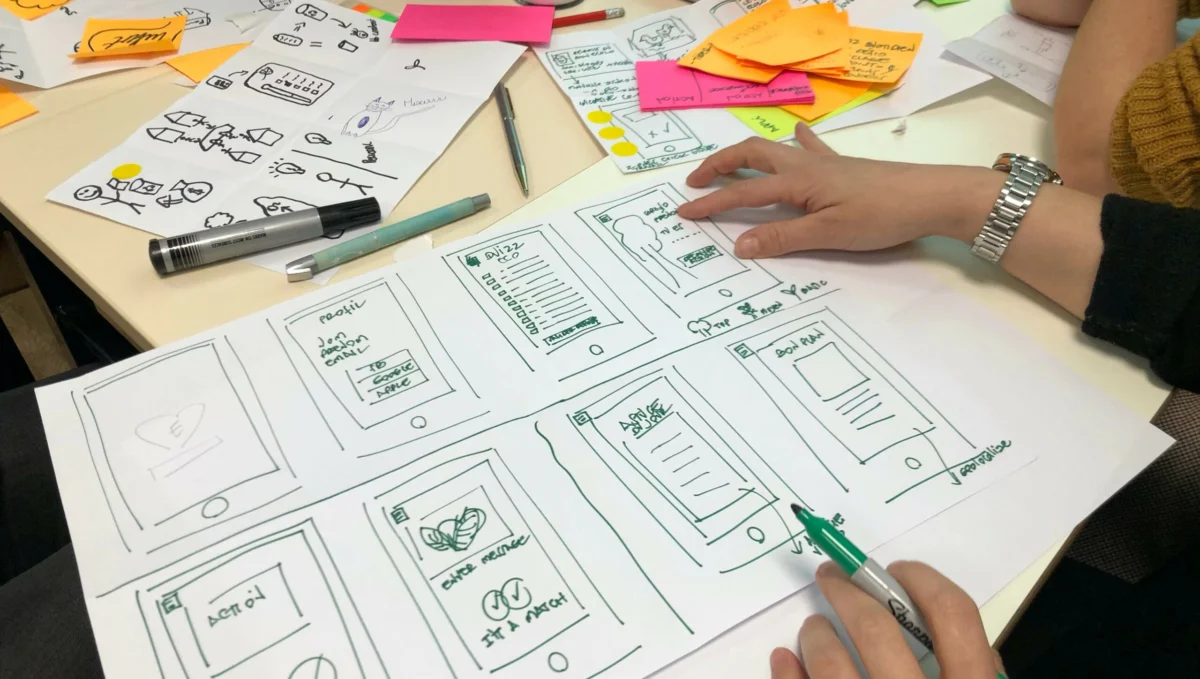
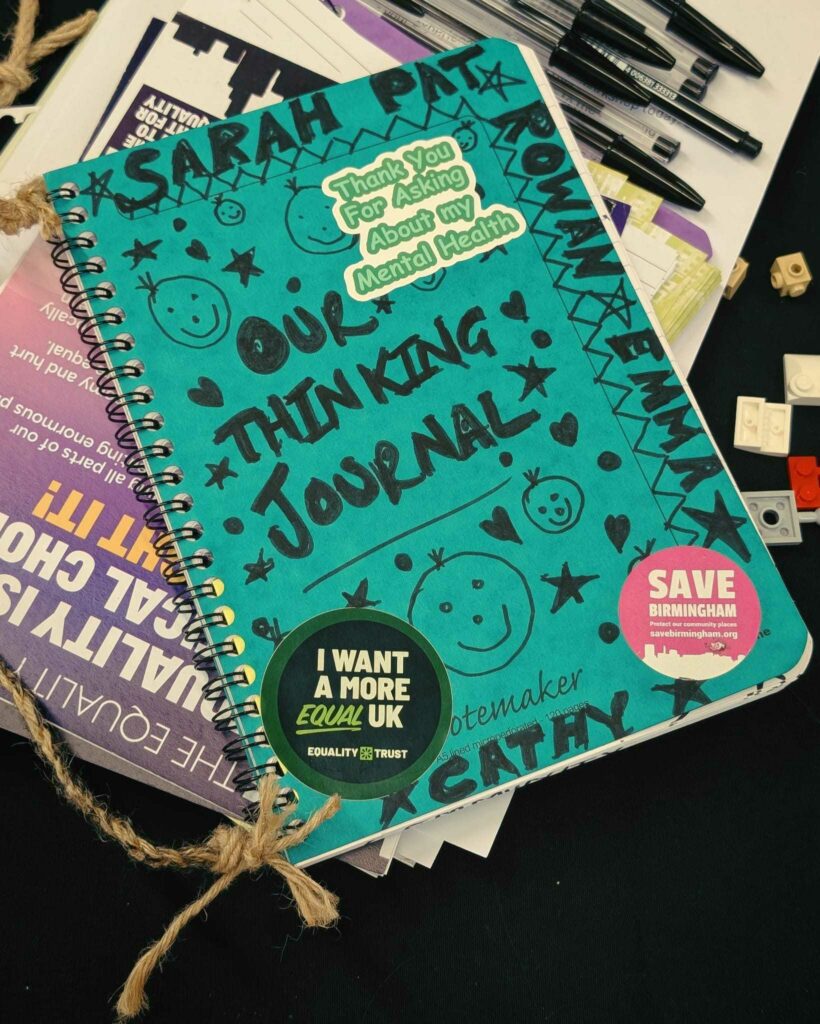
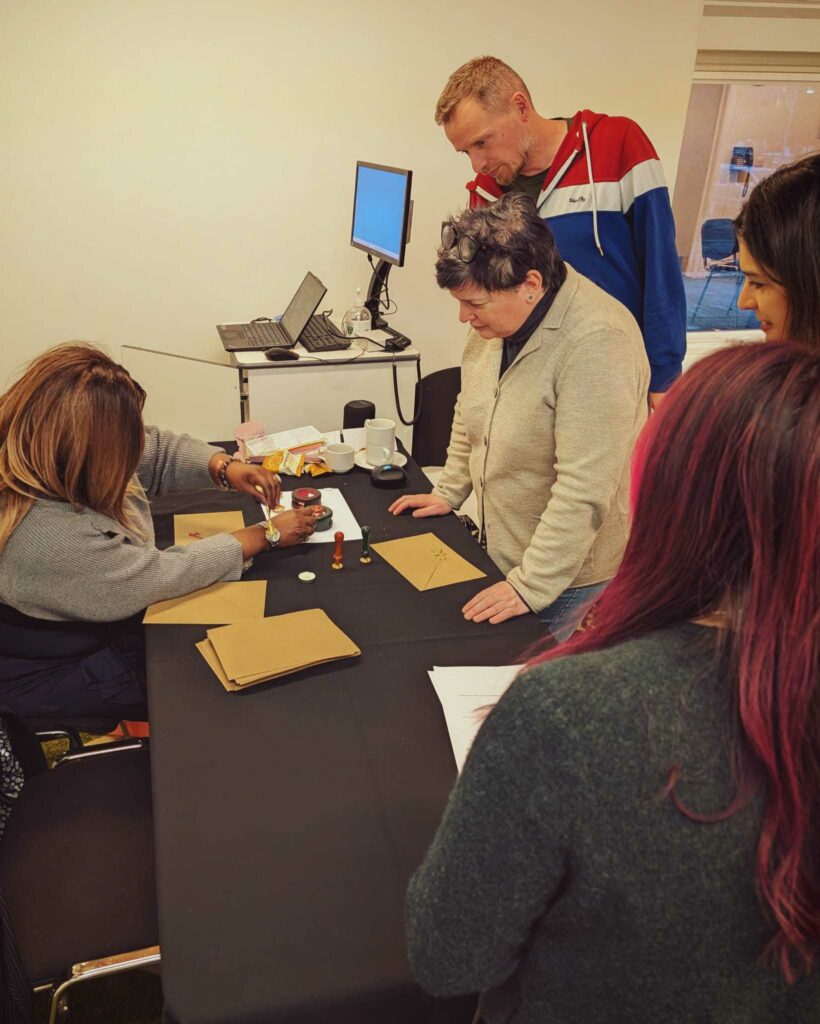
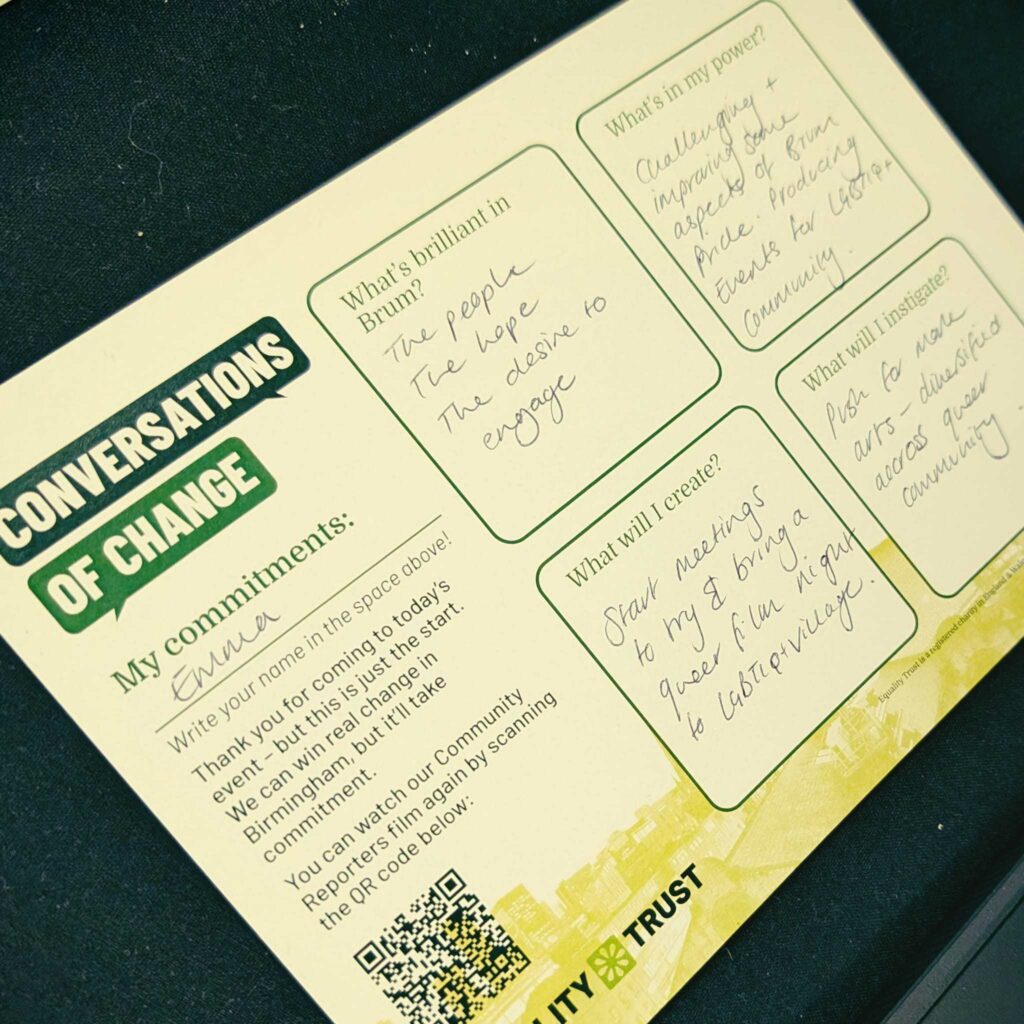
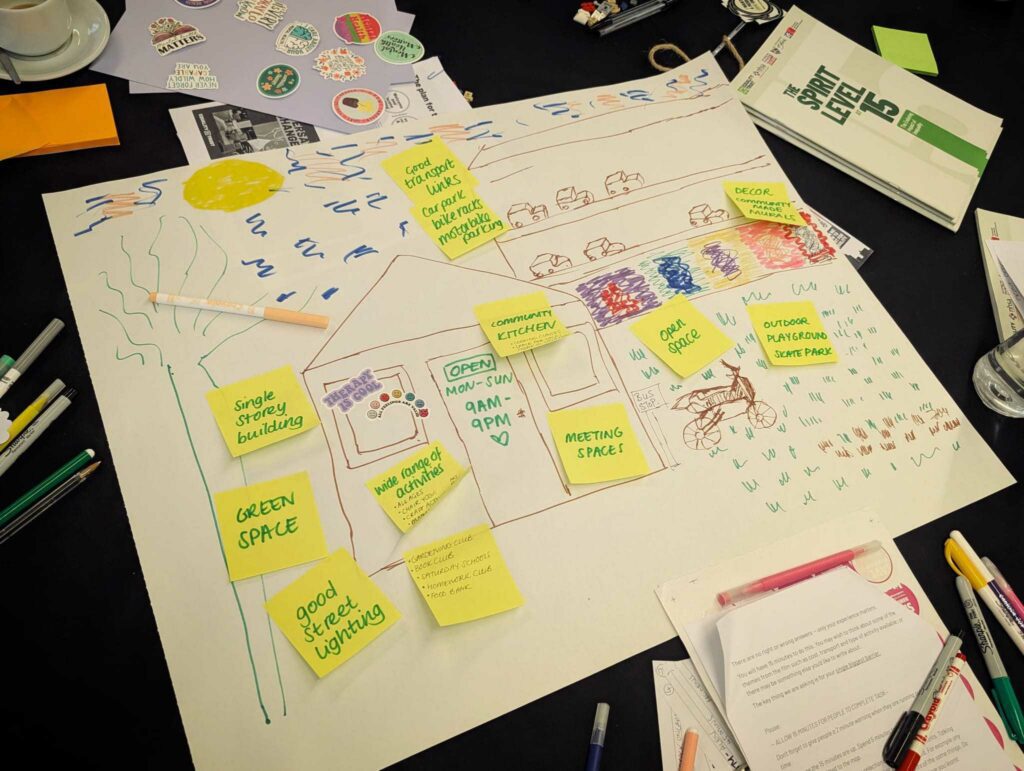
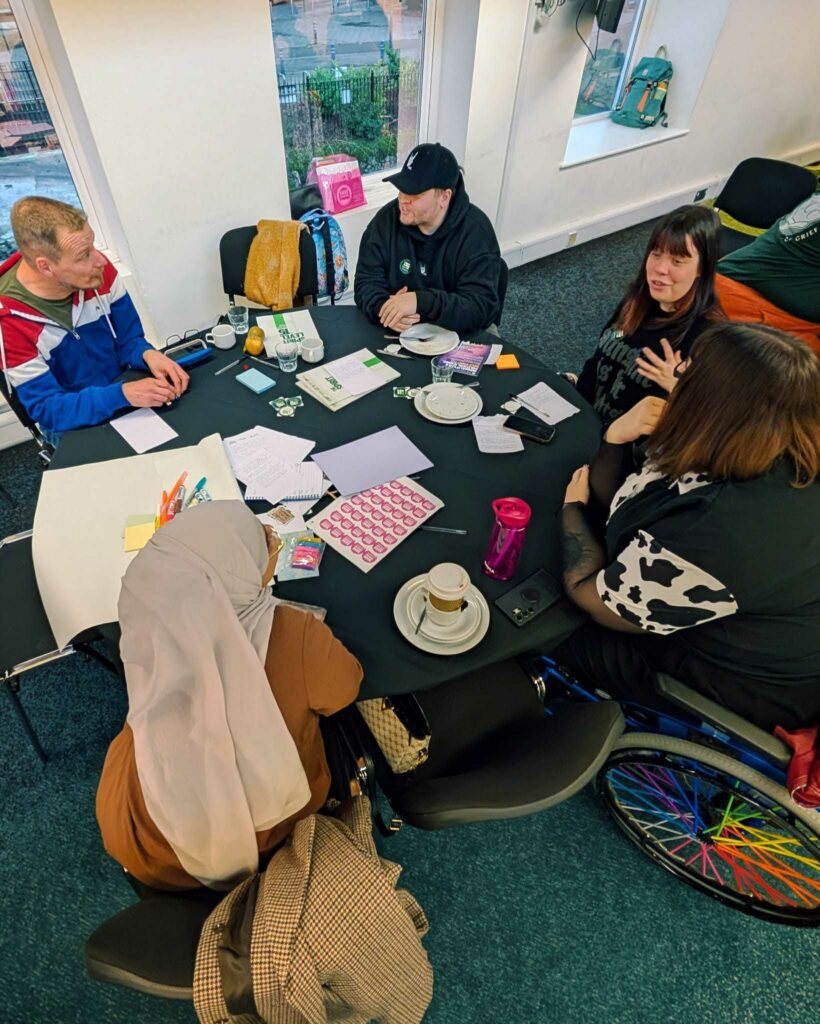
The interactive portion of the event allowed attendees to break into groups and identify specific barriers to participation. Several recurring themes emerged from these discussions:
- Transport and Connectivity: Many participants noted that while the city center offers a wealth of cultural opportunities, the cost and unreliability of public transport from the outskirts make these venues effectively inaccessible for many families.
- The "Prestige Barrier": There was a strong sentiment that traditional arts institutions can often feel unwelcoming to those from working-class backgrounds. Attendees called for more "neutral" community spaces where culture is decentralized and brought directly into neighborhoods.
- Hidden Costs: Beyond ticket prices, the cost of childcare, refreshments, and appropriate clothing were cited as deterrents that prevent low-income residents from engaging with the arts.
- The Loss of Third Spaces: The closure of pubs, community halls, and youth clubs—often referred to as "third spaces" (distinct from home and work)—has left a vacuum in the city’s social life, particularly for young people and the elderly.
Analysis of Implications for Future Policy
The Re-imagining a Better Brum event serves as a critical case study for how the Socio-Economic Duty (Section 1 of the Equality Act 2010) could be more effectively implemented. While the duty requires public bodies to consider how their decisions can reduce the inequalities of outcome which result from socio-economic disadvantage, advocates at the workshop argued that it is often treated as a "tick-box exercise" rather than a guiding principle for urban planning.
The film Conversations of Change provides a qualitative dataset that complements traditional economic metrics. It suggests that a city’s health should not only be measured by its GDP or the height of its luxury apartment blocks, but by the ability of its poorest citizens to participate in its cultural life. The implications for Birmingham are clear: without a dedicated strategy to subsidize cultural access and protect community-owned spaces, the city risks becoming a bifurcated environment where culture is the exclusive domain of the elite.
Conclusion and Next Steps
The Equality Trust has indicated that the findings from the January 29 workshop will be compiled into a report to be shared with local councilors, members of Parliament, and regional policymakers. The goal is to advocate for a "Cultural Social Contract" that guarantees a minimum level of arts and recreation access for all residents, regardless of their financial standing.
The success of the Community Reporter model has also prompted interest from other cities across the UK looking to replicate the program. By equipping citizens with the means to document their own socio-economic struggles, The Equality Trust is fostering a new form of civic engagement that challenges the top-down narrative of urban regeneration.
As Birmingham looks toward the remainder of the decade, the voices captured in the Conversations of Change film remain a poignant reminder of the work that remains. The project underscores the fact that "re-imagining a better Brum" is not just a creative exercise, but a political and economic necessity. The collaboration between the Barrow Cadbury Trust, Aston University, local festivals, and grassroots activists represents a growing movement that refuses to accept inequality as an inevitable feature of modern city life. Through continued advocacy and the amplification of community voices, the organizers hope to transform Birmingham into a city where "equality is real" for every resident, regardless of their postcode or bank balance.