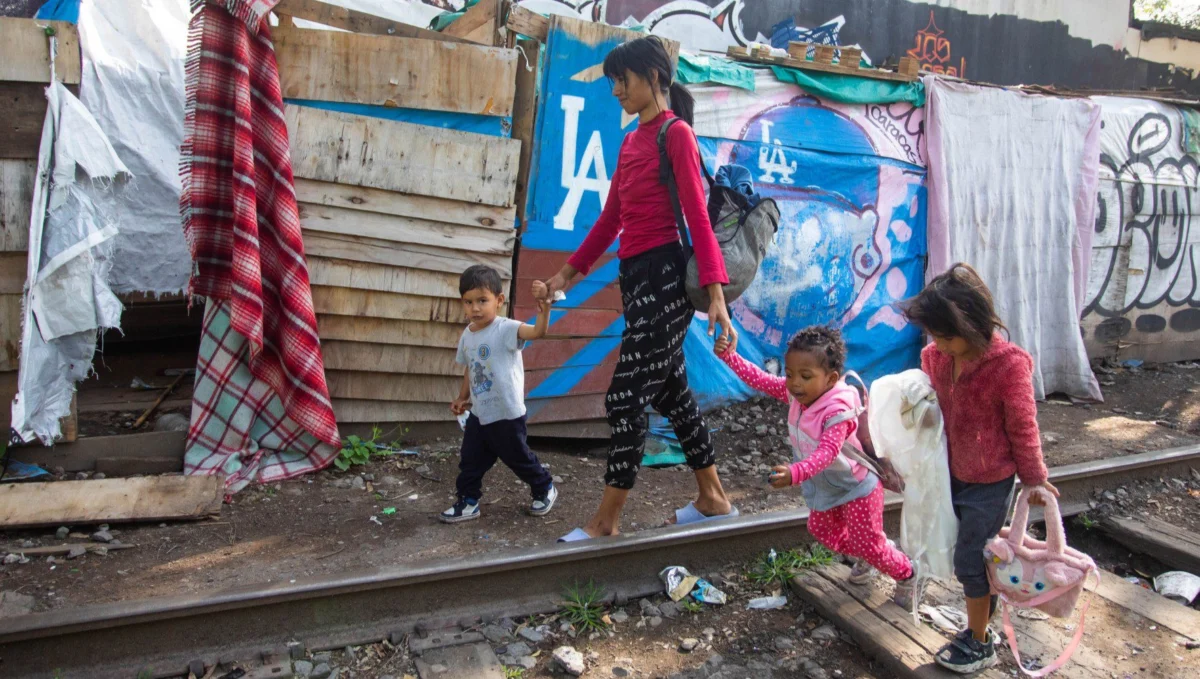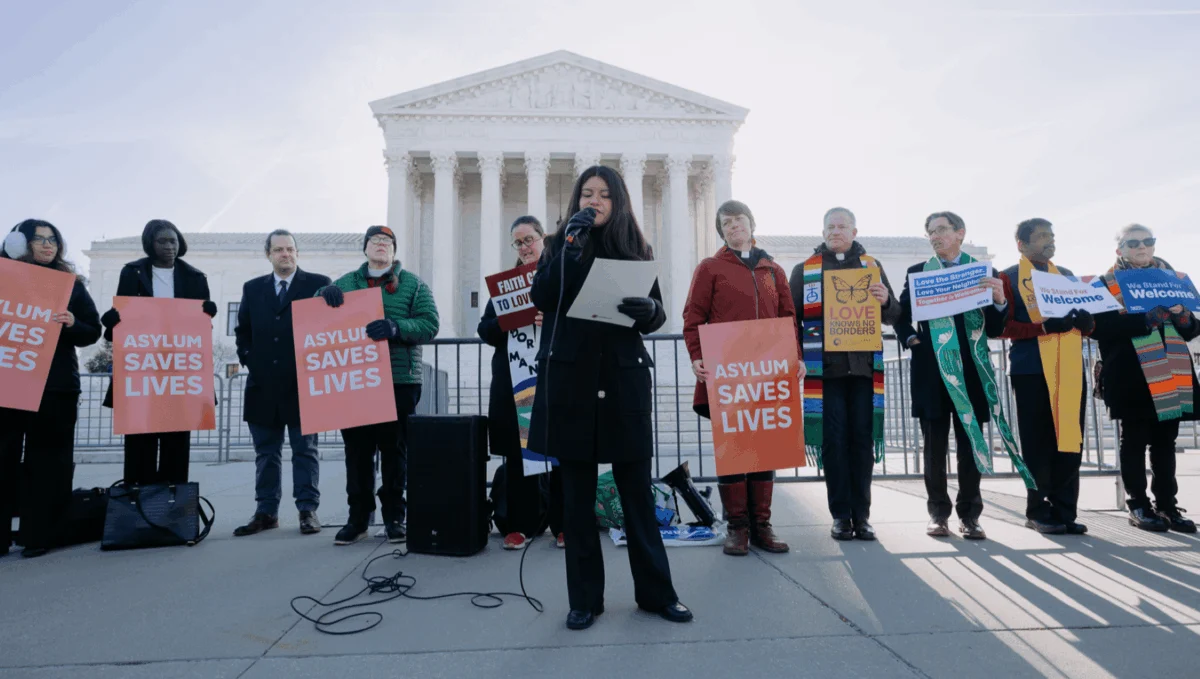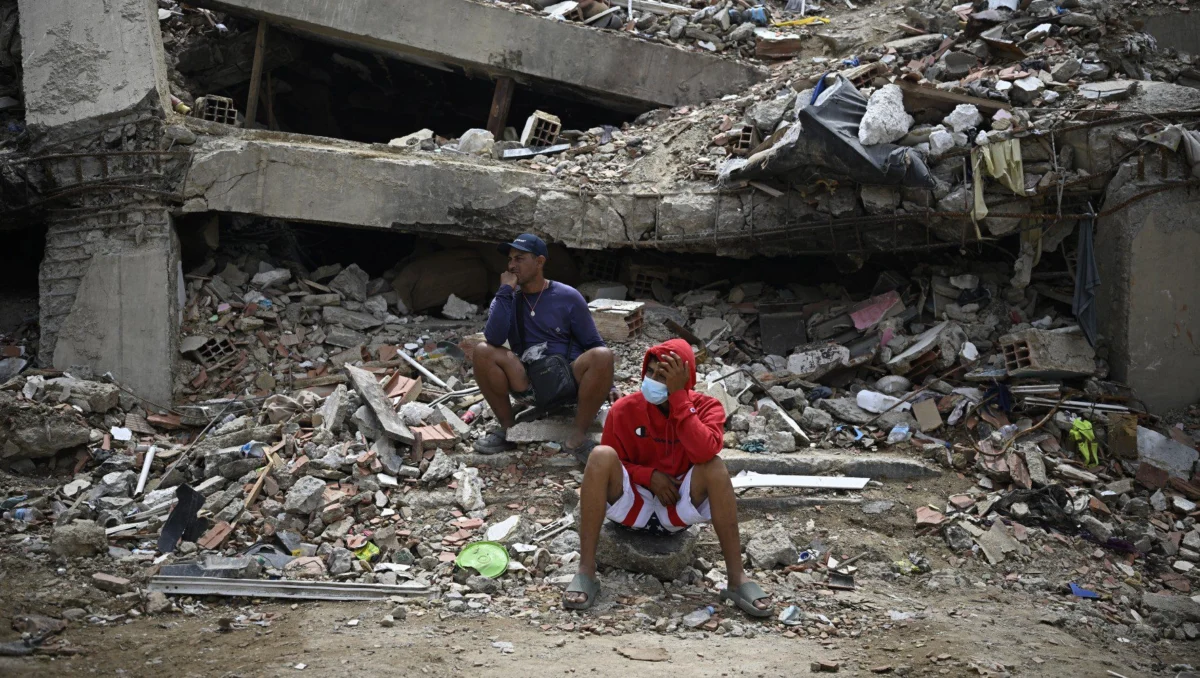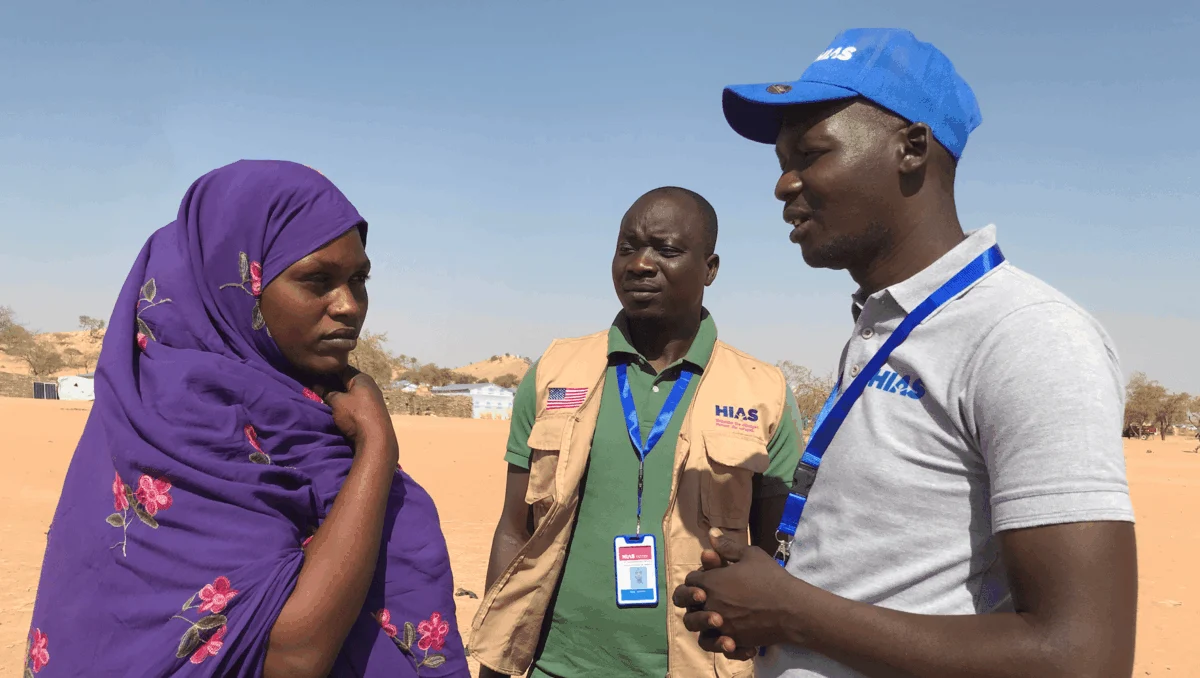
Since the outbreak of the devastating civil war in Sudan in April 2023, Chad has found itself at the epicenter of one of the world’s largest and most urgent humanitarian crises. The conflict has forced nearly one million Sudanese nationals to seek refuge across the border, overwhelming already strained resources in Chad’s eastern refugee camps. These new arrivals join a long-standing population of displaced individuals, some of whom have been living in these camps for nearly two decades, creating a complex and compounding humanitarian challenge. The influx of Sudanese refugees has not only strained local capacities but also exacerbated the critical situation for existing refugee populations and host communities, particularly in light of significant cuts to international humanitarian aid. HIAS, an organization with over two decades of experience providing support in Chad, continues its vital work amidst these escalating challenges.
The Evolving Landscape of Displacement in Chad
Chad has long been a destination for refugees, but the current situation is unprecedented in scale and urgency. The country now hosts over 1.8 million displaced people, boasting the highest number of refugees per capita in Africa. The primary origins of these populations include Sudan, the Central African Republic (CAR), Nigeria, and Cameroon. These diverse groups arrived in Chad at various times since 2001, driven by a confluence of factors including relentless violence, pervasive political instability, systemic persecution, and the increasingly devastating impacts of climate change.
The current wave of displacement, however, is overwhelmingly dominated by the exodus from Sudan. The brutal conflict between the Sudanese government and the Rapid Support Forces (RSF) has created a catastrophic internal displacement crisis within Sudan, affecting over 14 million people. Since mid-April 2023 alone, an estimated 900,000 individuals have crossed into Chad, fleeing not only the direct violence of the civil war but also a surge in ethnic violence, particularly in the Darfur region. While Chad has historically maintained an open-door policy for refugees, its own resources are severely limited. With over 40% of its own population already requiring humanitarian assistance, the sheer volume of new arrivals places an immense burden on the nation’s already fragile infrastructure and social services.
Compounding Challenges for Refugees and Host Communities
The challenges faced by refugees and displaced persons in Chad are multifaceted and severe. Access to adequate food and shelter remains a persistent struggle for many. Opportunities for sustainable livelihoods are scarce, forcing many into precarious economic situations. Women and girls are particularly vulnerable, facing a heightened risk of violence both during their perilous journeys and within the confines of the refugee camps.
Beyond immediate survival needs, refugees and their host communities grapple with limited access to essential services. Healthcare facilities are often overburdened and under-resourced, clean water is a scarce commodity, and educational opportunities are severely restricted. This pervasive lack of basic necessities leaves these vulnerable populations highly susceptible to exploitation and entirely dependent on fluctuating humanitarian aid.
The impact of recurring environmental shocks further compounds these difficulties. Chad is highly vulnerable to climate change, with frequent droughts and devastating floods taking a heavy toll on agricultural livelihoods and exacerbating widespread food insecurity. In 2024, the Chadian government was compelled to declare a state of food emergency for the third consecutive year, underscoring the severity of the crisis. Despite these mounting domestic pressures, Chad’s commitment to welcoming refugees has remained steadfast for over two decades, a testament to the resilience and humanitarian spirit of the Chadian people.
The Devastating Impact of Humanitarian Aid Cuts
The already dire situation in Chad has been critically exacerbated by significant reductions in international humanitarian aid. In early 2025, the United States, a major donor, implemented substantial cuts to its global humanitarian aid budget, with Chad experiencing a particularly sharp decline. Humanitarian funding for Chad plummeted from approximately $338 million in 2024 to just $112 million in 2025, representing a staggering decrease of nearly 67 percent.
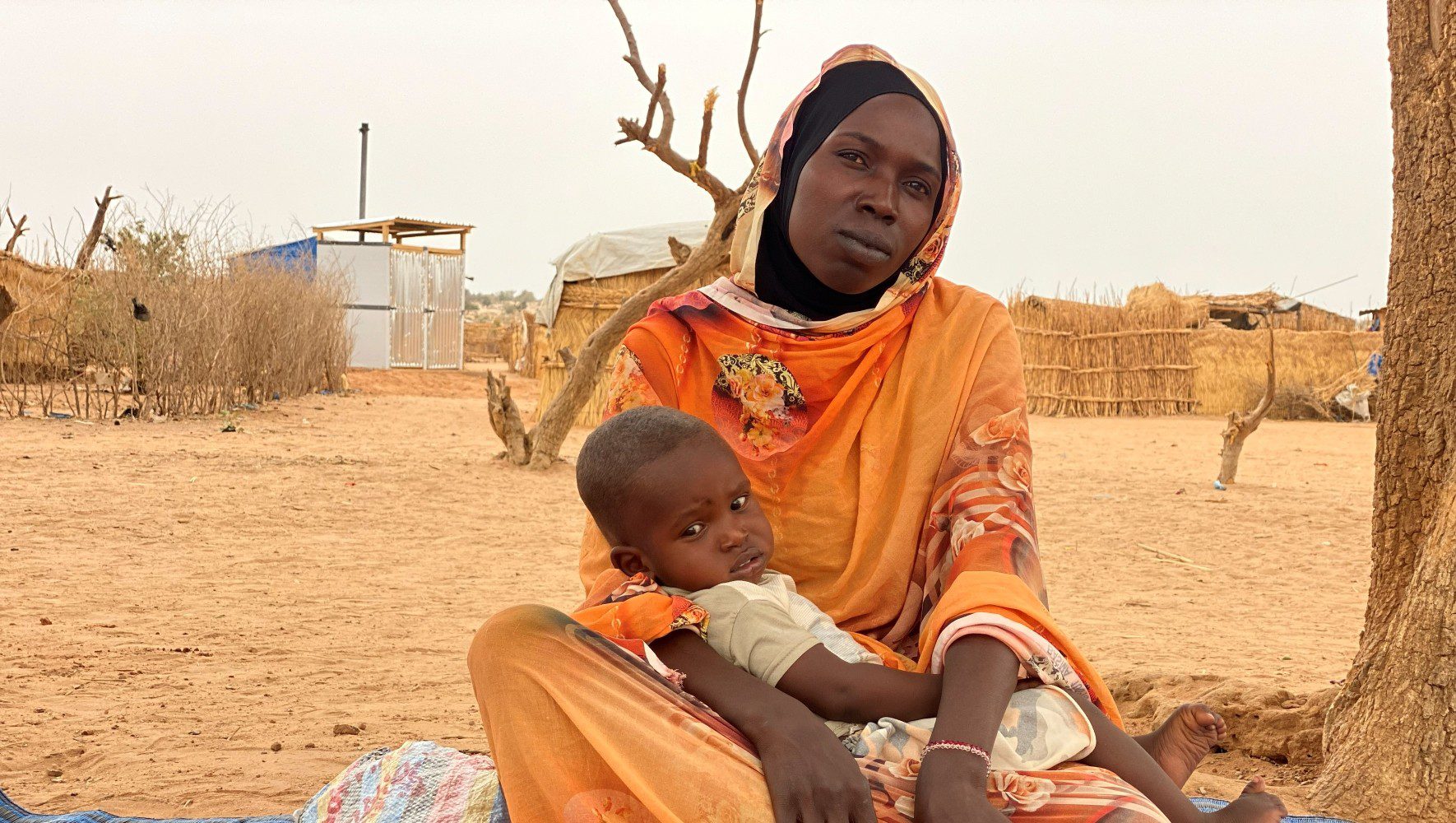
These drastic funding cuts have had immediate and devastating consequences. The reduction in food assistance has led to increased malnutrition rates, particularly among children. Health services have been scaled back, leaving many without access to essential medical care. Protection programs, crucial for supporting survivors of sexual and gender-based violence, have faced significant gaps, leaving the most vulnerable without the support they desperately need.
The repercussions of these aid cuts extend beyond immediate survival. Refugees are losing their livelihoods and access to vital mental health support, hindering their ability to cope with the profound trauma of war and displacement. The decreased availability of lifesaving aid is directly contributing to increased rates of malnutrition, inadequate shelter, and a disturbing rise in sexual and domestic violence against women and girls. Children, as always, bear the brunt of these crises, facing even more limited access to food, clean water, and educational opportunities. Many refugees arriving at the border have found themselves stranded, lacking the financial means to reach more secure shelter within the established camps.
HIAS’s Enduring Commitment to Refugee Protection in Chad
Despite the overwhelming challenges and the precarious funding landscape, HIAS Chad remains resolutely committed to its mission of supporting refugees, internally displaced persons, and host communities. With over two decades of operational experience in the country, HIAS has developed deep expertise in navigating complex humanitarian environments. The organization’s approach focuses on strengthening community-based protection networks and fostering peaceful coexistence between refugee populations and their Chadian hosts.
HIAS Chad actively collaborates with the Chadian government and a network of other humanitarian organizations to ensure a coordinated and effective response. In emergency situations, HIAS provides critical protection services and addresses the most pressing basic needs of newly arrived refugees.
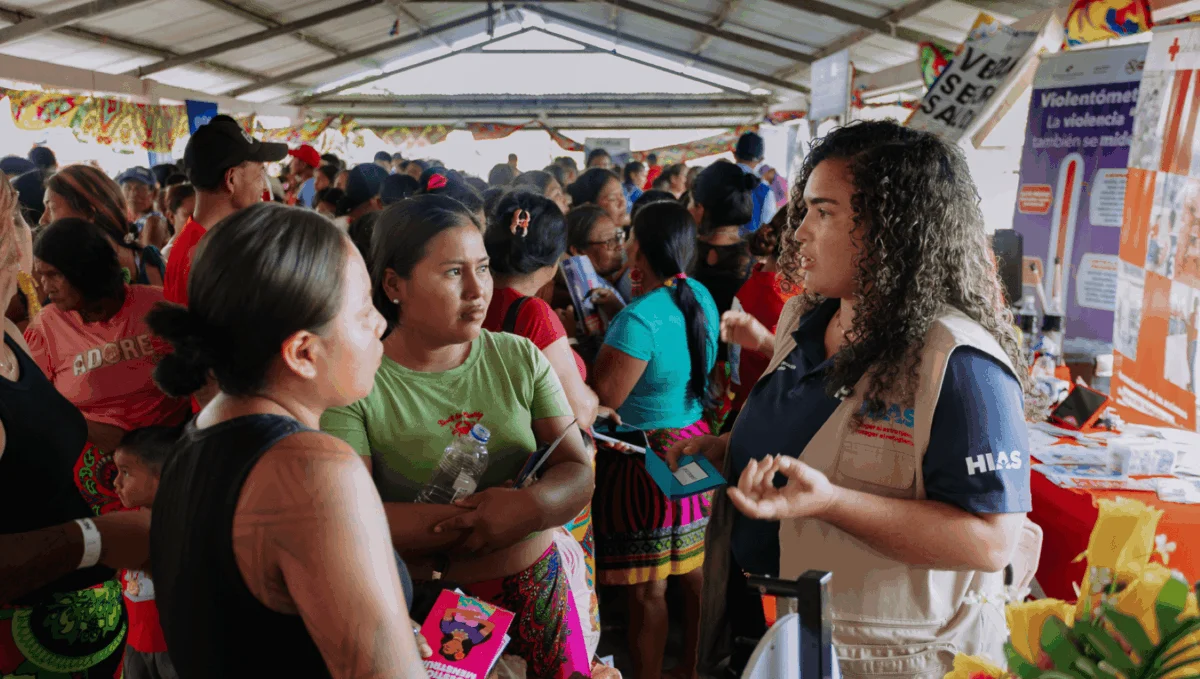
On a daily basis, HIAS staff are on the ground, delivering essential, life-saving assistance. Their interventions include providing crucial mental health support to help individuals cope with trauma, offering economic assistance to empower refugees and foster self-reliance, and implementing targeted programs aimed at ending violence against women and girls. Furthermore, HIAS is involved in the distribution of essential food and non-food items, as well as the implementation of economic projects designed to help refugees establish sustainable income sources. This comprehensive approach aims to not only address immediate needs but also to build resilience and promote long-term well-being for displaced populations in Chad.
A Broader Context: The Sudan Crisis and Regional Instability
The ongoing civil war in Sudan is not merely a domestic conflict; it has profound regional implications. The mass displacement into neighboring countries like Chad, South Sudan, and Ethiopia places immense pressure on already fragile economies and humanitarian systems. The conflict has also heightened the risk of cross-border tensions and further instability in an already volatile region.
The protracted nature of displacement, coupled with insufficient international support, risks creating a generation of stateless individuals with limited access to education, healthcare, and economic opportunities. This can foster long-term dependency and create fertile ground for further radicalization and social unrest. The international community faces a critical juncture where sustained and adequate humanitarian assistance is not only a moral imperative but also a strategic necessity for regional stability. The resilience of countries like Chad in continuing to host refugees, despite their own limitations, underscores the urgent need for renewed global commitment and solidarity. The current crisis in Chad serves as a stark reminder of the devastating human cost of conflict and the indispensable role of humanitarian organizations in mitigating its impact.