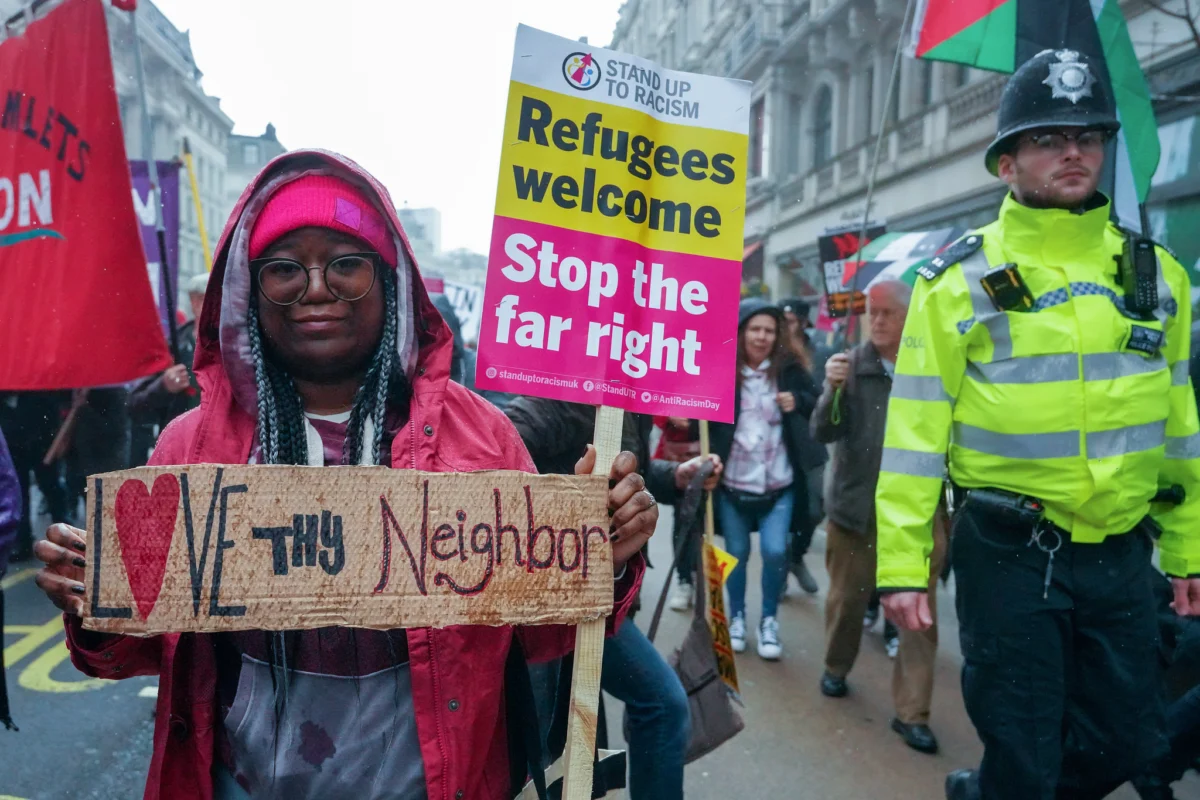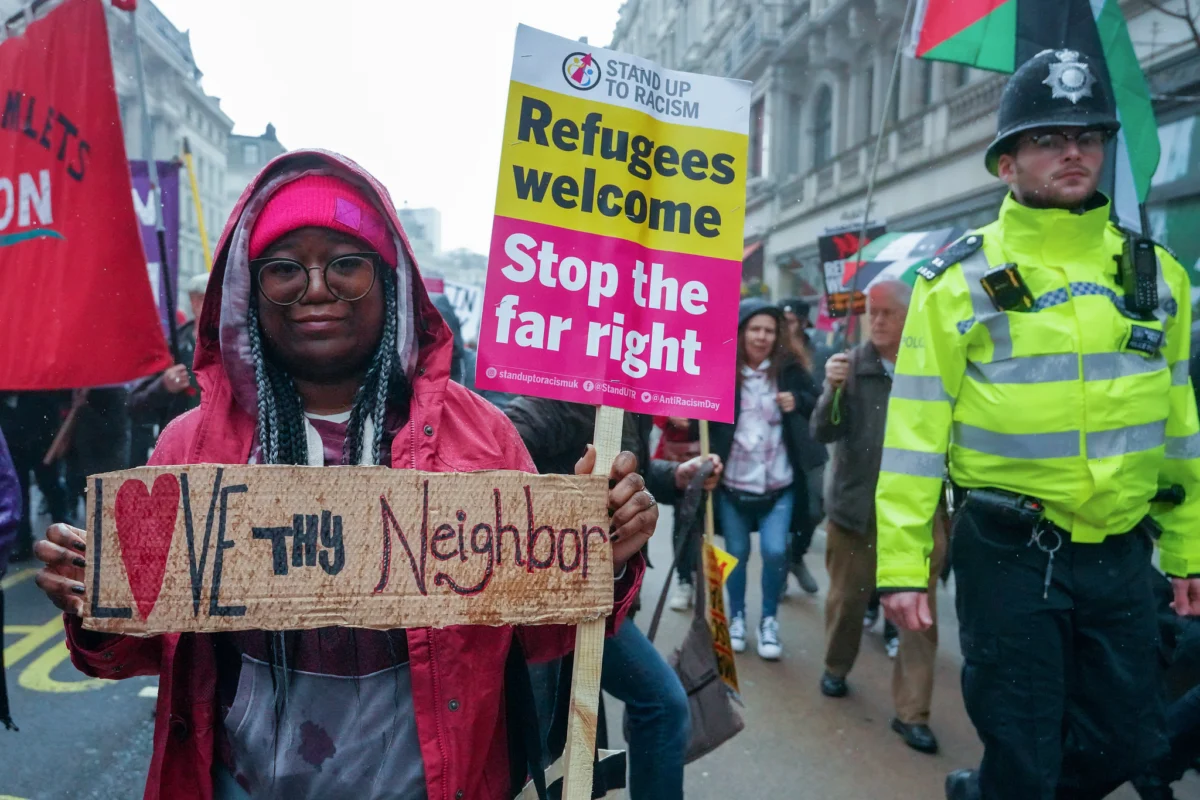
The legal framework governing human rights and equality in the United Kingdom, long considered a global benchmark for civil liberties, is currently facing an unprecedented period of scrutiny and potential retrenchment. As of March 2026, the constitutional safeguards provided by the Human Rights Act 1998 and the Equality Act 2010 are no longer viewed as immutable fixtures of the British state, but rather as contested battlegrounds in a shifting political landscape. Legislative shifts, media consolidation, and evolving party platforms have converged to create a climate where the fundamental protections against discrimination and state overreach are being actively re-evaluated.
The Legislative Foundation: A Chronology of Protection
The current architecture of UK rights is the result of decades of incremental progress, largely driven by the lessons of the 20th century. Following the devastation of World War II, the United Kingdom played a pivotal role in drafting the European Convention on Human Rights (ECHR) in 1950. This was an effort to ensure that the atrocities witnessed during the war could "never again" be repeated by a sovereign state against its own citizens.
In 1998, the New Labour government codified these international obligations into domestic law through the Human Rights Act. This allowed UK citizens to seek redress for human rights violations in domestic courts rather than having to escalate cases to the European Court of Human Rights in Strasbourg. Key protections included the right to life, freedom from torture, the right to a fair trial, and the right to privacy.
The Equality Act 2010 followed, consolidating over 116 separate pieces of legislation into a single act. This landmark law provided a legal shield for individuals based on nine "protected characteristics": age, disability, gender reassignment, marriage and civil partnership, pregnancy and maternity, race, religion or belief, sex, and sexual orientation. The Act was designed to streamline the legal process for addressing discrimination in the workplace, public services, and private businesses.
Political Divergence and the Risk of Regression
Despite the historical significance of these acts, the last decade has seen a growing political movement aimed at diluting their influence. Critics within the Conservative Party have frequently argued that the Human Rights Act restricts the government’s ability to deport foreign criminals and manage national security. During various administrations, proposals were tabled to replace the Act with a "British Bill of Rights," which civil liberties groups argued would significantly weaken the ability of individuals to hold the state accountable.
By 2026, the political landscape has fragmented further. The Reform UK party has explicitly pledged to scrap the Equality Act entirely, characterizing it as a bureaucratic burden that stifles free speech and economic efficiency. Conversely, the Labour Party, while maintaining a commitment to the core tenets of the legislation, has signaled a willingness to review how rulings from the European Court of Human Rights are integrated into UK law, reflecting a cautious approach to the ongoing debate over national sovereignty.
Civil liberties organizations, such as Liberty and Amnesty International, have drawn parallels between the current UK climate and recent legal regressions in the United States. The reversal of established precedents in the US has served as a warning to UK advocates that long-standing rights can be dismantled if the political and judicial will exists to do so.
Media Consolidation and the Misinformation Cycle
The debate over human rights is not occurring in a vacuum; it is heavily influenced by a media landscape that has seen significant consolidation. Currently, approximately 90% of the UK’s newspaper circulation is controlled by just three billionaire-owned companies. Research by media watchdogs suggests that this concentration of power has facilitated a decades-long campaign to undermine public trust in equality legislation.
The use of "clickbait" headlines and the framing of human rights as "special treatment" for marginalized groups have been identified as central tactics in this campaign. By presenting human rights as a zero-sum game—where the protection of one group is portrayed as a loss for another—certain media outlets have fostered a "divide-and-rule" narrative. This misinformation often ignores the reality that the Equality Act protects everyone; for example, it protects a pregnant woman from being fired, a disabled person from being denied service, and a religious person from being harassed in the workplace.
The "Dormant" Clause: Socio-Economic Inequality
One of the most significant, yet overlooked, aspects of the Equality Act 2010 is Section 1, known as the socio-economic duty. This clause requires public bodies to consider how their decisions can reduce the inequalities of outcome caused by socio-economic disadvantage. While the governments of Scotland and Wales have commenced this duty, it remains dormant in Westminster.
The Equality Trust and other advocacy groups have long argued that the failure to implement this section has hindered the UK’s ability to tackle systemic poverty and regional inequality. By not requiring central government departments to account for the impact of their policies on the poorest members of society, critics argue that the state has allowed wealth gaps to widen, further destabilizing the social contract.
Supporting Data: The Reality of Discrimination
Data from the Office for National Statistics (ONS) and the Equality and Human Rights Commission (EHRC) highlight the continued necessity of these legal protections. In the years leading up to 2026, reports have shown:
- Workplace Inequality: Disabled employees earn, on average, 13.8% less than non-disabled employees, and the "motherhood penalty" continues to affect the career progression of women in the private sector.
- Hate Crimes: Despite legal protections, reported hate crimes based on race and sexual orientation have seen periodic spikes, often correlating with inflammatory political rhetoric.
- Access to Justice: Funding cuts to legal aid have made it increasingly difficult for individuals from lower-income backgrounds to bring discrimination claims under the Equality Act, creating a "rights gap" between those who can afford legal representation and those who cannot.
Official Responses and Civil Society’s Defense
The Equality and Human Rights Commission (EHRC) has maintained a formal stance that any changes to the Equality Act or the Human Rights Act must not result in a reduction of protections. In a recent statement, a spokesperson for the EHRC emphasized: "The Equality Act is a vital piece of legislation that ensures everyone in our society has the opportunity to thrive without fear of prejudice. Any reform must be evidence-based and aimed at strengthening, not weakening, these protections."
Similarly, Vanessa Boon, a Senior Policy and Advocacy Leader at The Equality Trust, has highlighted the danger of taking these rights for granted. Boon notes that rights can be eroded "quietly" through narrowed legal interpretations, reduced guidance for employers, and the persistent underfunding of enforcement agencies. The Equality Trust’s current focus remains on the commencement of the socio-economic duty at the national level, viewing it as a critical tool for long-term societal stability.
Fact-Based Analysis of Implications
The potential repeal or significant weakening of the Equality Act 2010 would have far-reaching implications for British society. Without these protections:
- Employment: The legal recourse for unfair dismissal based on pregnancy, age, or race would be jeopardized, potentially leading to a more volatile and less equitable labor market.
- Public Services: Government agencies would no longer be legally mandated to ensure their services are accessible to disabled citizens, potentially excluding millions from essential infrastructure.
- Social Cohesion: The removal of a standardized legal framework for equality could exacerbate social tensions, as marginalized communities lose the "shield" that protects them from systemic bias.
Furthermore, withdrawing from or diluting the influence of the Human Rights Act could impact the UK’s international standing. As a founding member of the Council of Europe, the UK’s adherence to the ECHR is often seen as a prerequisite for its participation in various international treaties and trade agreements. A significant departure from these norms could complicate the UK’s diplomatic relations and its reputation as a champion of the rule of law.
Conclusion: The Path Forward
The state of rights in the UK in 2026 is a reminder that legal protections are not self-sustaining. They require a combination of political will, an informed public, and robust enforcement mechanisms. While the Human Rights Act and the Equality Act have provided a safety net for millions, the current pressures from political actors and media interests suggest that the defense of these rights is becoming a central issue of the current era.
As civil society organizations like The Equality Trust continue to advocate for the strengthening of these laws—particularly through the commencement of the socio-economic duty—the broader public debate remains focused on a fundamental question: whether the UK will continue to uphold the post-war consensus on universal rights, or whether it will move toward a more fragmented and discretionary system of legal protection. The outcome of this debate will likely define the social and legal character of the United Kingdom for generations to come.