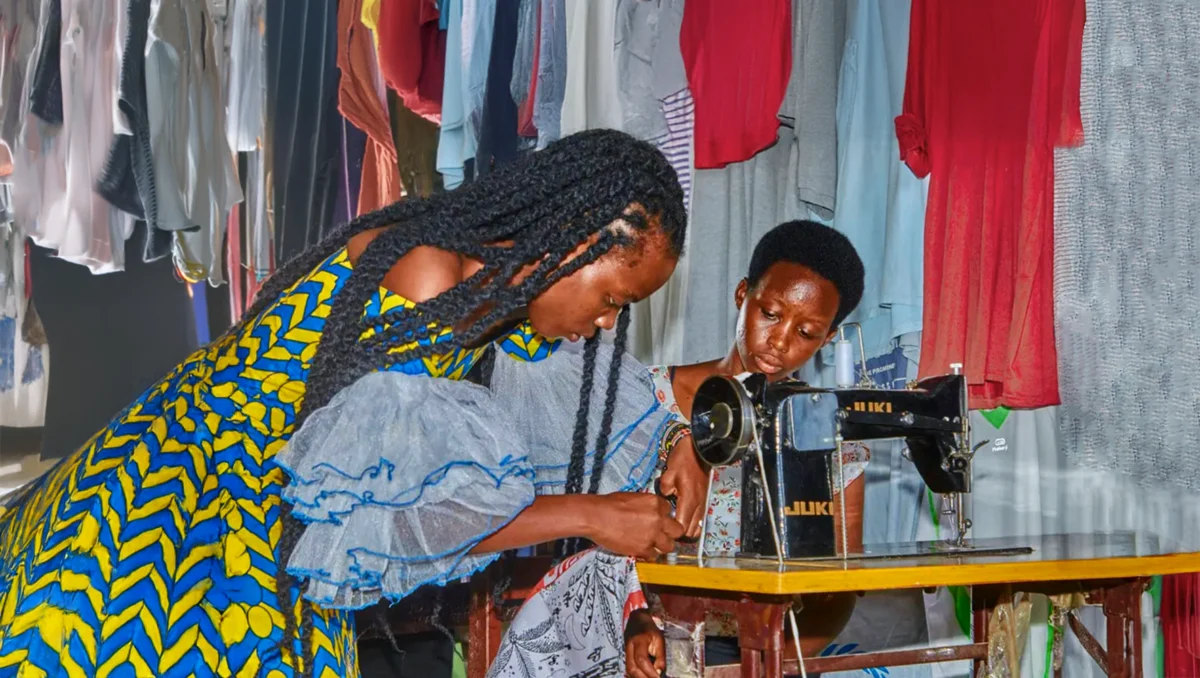
Nairobi, Kenya – March 4, 2026 – A severe reduction in humanitarian aid from major international donors, including the United States and European governments, has plunged refugees in Kenya into an increasingly precarious situation over the past year. The cascading effects of these funding cuts are forcing individuals and families to make agonizing choices, leading to widespread withdrawal of children from educational institutions, forfeiture of essential medical care, and a deepening crisis of hunger and malnutrition. While these challenges impact all refugees, women and girls bear a disproportionately heavy burden, experiencing heightened risks of domestic and sexual violence, increased school dropout rates for girls, and further marginalization in terms of food allocation within households.
This stark reality is acutely felt on the ground, as highlighted by Doris Kawira, HIAS Kenya Country Director. "The funding cuts in Kenya’s refugee response are not just numbers on a spreadsheet," Kawira stated. "They are felt more acutely by women and girls. We are seeing safe spaces close, fewer services, and girls dropping out of school because their families can no longer afford necessities. The cuts are pushing girls into further vulnerabilities and increasing risks of early marriage, exploitation, and abuse. We risk reversing years of progress in protection and empowerment."
The ramifications of these aid reductions are not isolated to Kenya. Globally, women and girls are consistently identified as the most vulnerable populations during times of crisis and resource scarcity. Data from UN Women consistently illustrates that in humanitarian emergencies, women and girls are often the "always on the frontline," facing exacerbated risks of gender-based violence, diminished access to education, and greater food insecurity. For instance, in many protracted refugee situations, the caloric intake for women and girls is often lower than that of men and boys within the same family unit, a practice that can have devastating long-term health consequences.
A Growing Mental Health Crisis Amidst Worsening Conditions
The erosion of essential support services, particularly in the realm of mental health, is a growing concern. For individuals like Linah, a young woman born in Kenya to Ugandan refugee parents and an aspiring electrical engineering student, the impact of these cuts has been profound. Linah’s dreams of a career in engineering were abruptly halted last year due to insurmountable financial barriers. Her attempts to secure internships and employment were repeatedly met with rejection, often citing her refugee status as an impediment. The cumulative stress, feelings of isolation, and pervasive self-doubt began to take a significant toll on her mental well-being.
"I felt like I would never become someone substantial," Linah confided, reflecting on a period of deep despair. Her situation, while individual, mirrors the experiences of countless refugees in Kenya who are grappling with the psychological fallout of displacement, economic hardship, and the erosion of support systems.
The World Health Organization (WHO) has long recognized the critical link between humanitarian crises and mental health. According to WHO estimates, mental health conditions are prevalent in populations affected by conflict and displacement, with rates often significantly higher than in general populations. The lack of accessible and culturally sensitive mental health services in such contexts exacerbates suffering and hinders recovery.
HIAS Kenya’s Self-Help Plus Program: A Beacon of Hope
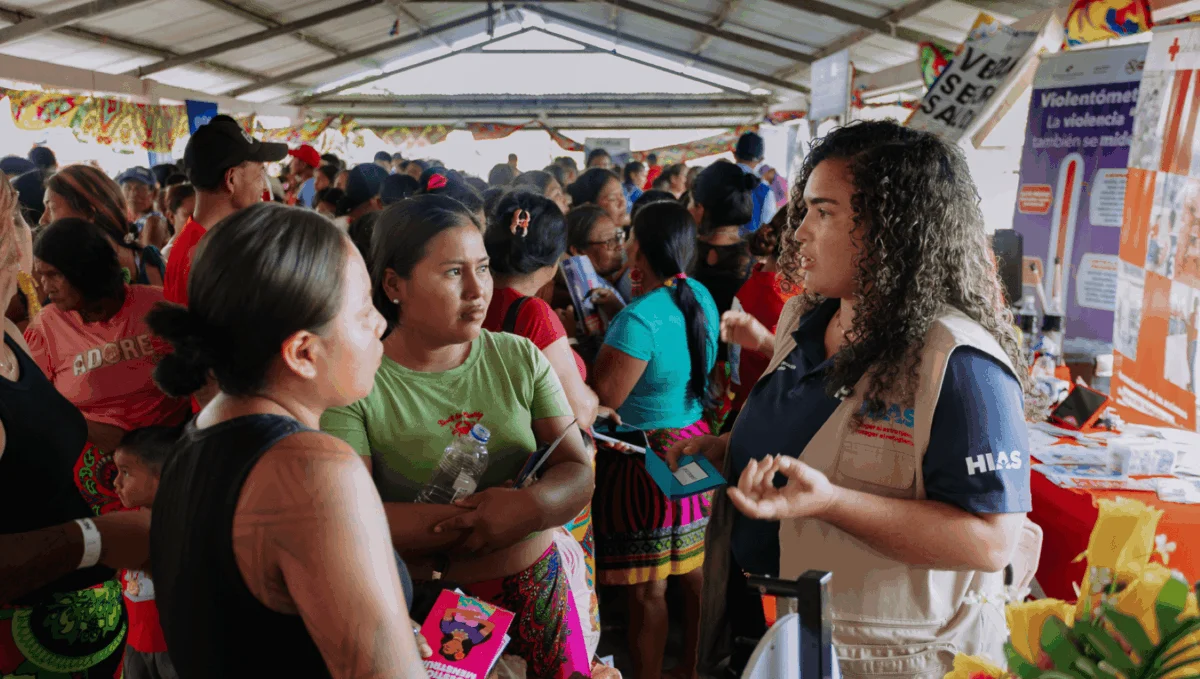
In response to these escalating needs, HIAS Kenya, with crucial support from the European Civil Protection and Humanitarian Aid Operations (ECHO), is continuing to provide vital services, including mental health care, violence prevention, and economic assistance to refugees. One such initiative is the Self-Help Plus program, a structured, five-session group stress-management program developed by the WHO.
Linah’s journey to recovery began when a community leader, recognizing her distress, referred her to HIAS Kenya’s Self-Help Plus program. The program provided her with a structured approach to managing her stress and emotions, with grounding exercises proving particularly effective. Crucially, the program offered a sense of community. Being surrounded by peers facing similar challenges helped Linah realize she was not alone in her struggles.
"What made the program successful for me is that I connected with other people, from the participants to the facilitator to the content being shared," she explained. "It made me feel like I truly belong and that I am not alone." This sense of belonging and shared experience is fundamental to psychological healing, especially for individuals who have experienced prolonged isolation and marginalization.
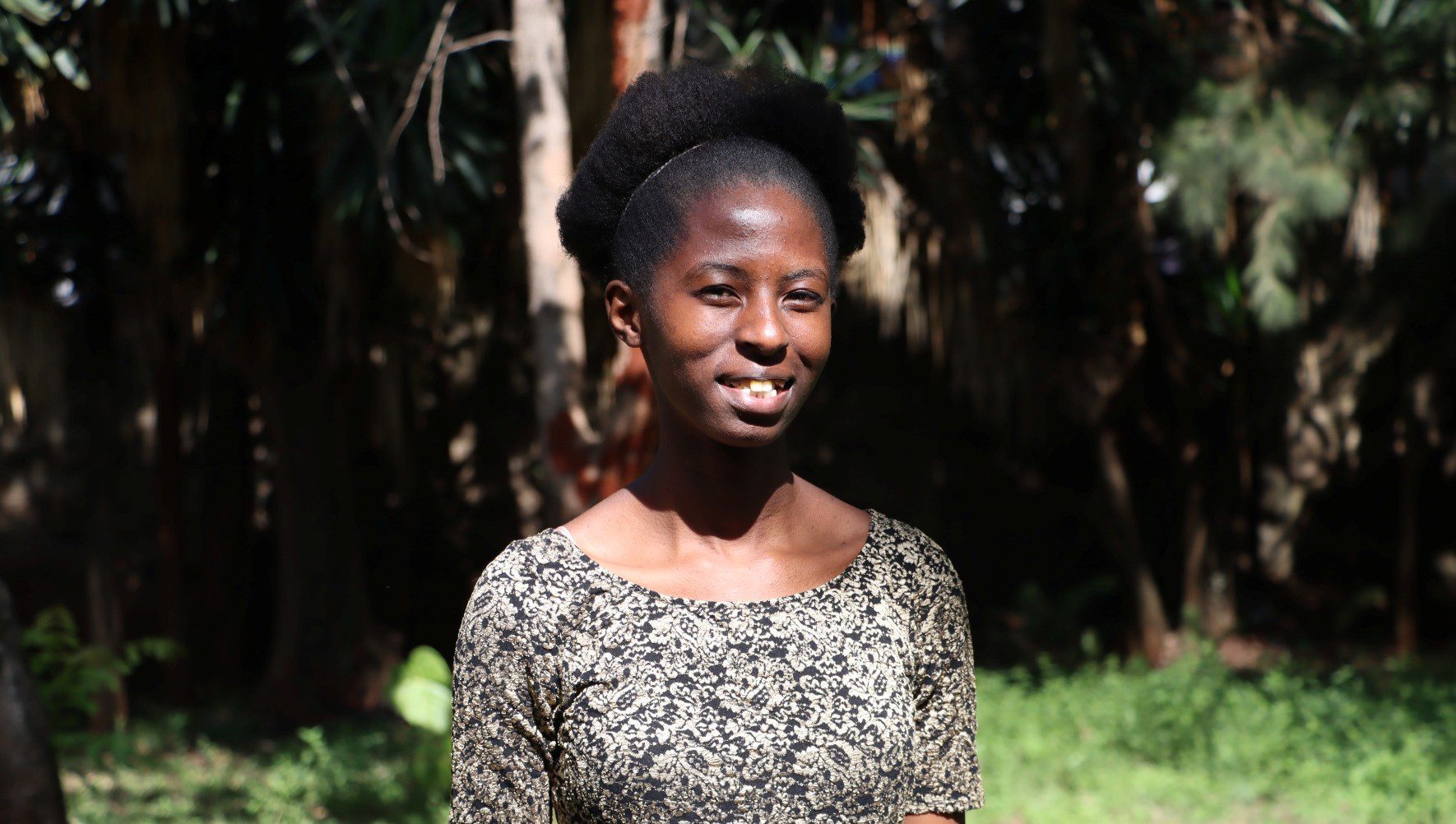
Before participating in the program, Linah often withdrew socially, avoided speaking up, and engaged in negative self-comparison, particularly on social media. The Self-Help Plus intervention marked a significant turning point. Today, she describes herself as "a whole new being." Linah now makes decisions with confidence, integrates grounding skills into her daily life, and approaches challenges with a more balanced and clear perspective. She has also learned to address conflicts at home with maturity and emotional stability, a marked departure from her previous tendency to withdraw.
"Challenges are part of everyday life, but learning how to cope with them ensures that we face life head-on," Linah stated, embodying the resilience fostered by the program.
Expanding the Impact: Peer Support and Community Resilience
Linah’s transformation extends beyond her personal well-being. Armed with the tools and confidence gained from the Self-Help Plus program, she has become a peer supporter, offering guidance and comfort to friends and community members experiencing mental health crises. Her journey has evolved from that of a participant to a valuable resource within her community.
"Self-Help Plus groups have equipped refugees with practical tools to manage stress, cope with trauma, and rebuild a sense of control over their lives," Doris Kawira elaborated. "In this setting where formal mental health services are limited, these groups are creating safe spaces for people – especially women and girls – to support one another, strengthen resilience, and regain hope for the future."
The impact of such programs is underscored by the fact that mental health support is often overlooked in the broader landscape of humanitarian aid distribution. A poignant statement from a Somali refugee woman in Kenya recently articulated this deficit: "Most of the women here require mental support for their peace of mind, and we do not have that." This sentiment highlights a critical gap in current aid efforts.
Through her newfound skills and confidence, Linah was eventually able to acquire IT skills, leading to a part-time job that has kept her educational aspirations alive. She remains committed to completing her diploma and pursuing a career as an engineer. She expresses profound gratitude for the multifaceted support system that enabled her current confidence, encompassing community leaders, county initiatives, and HIAS Kenya’s targeted mental health interventions.
"There’s a calming effect and a sense of belonging that comes with these sessions," Linah shared. "Mental health is often overlooked, but through programs like Self-Help Plus, we finally have a place to speak openly."
The Unwavering Commitment of HIAS Kenya
Despite the prevailing challenges and the difficult decisions humanitarian organizations are forced to make due to reduced budgets, HIAS Kenya remains steadfast in its commitment to assisting as many refugees as possible, with a particular emphasis on mental health support. The organization recognizes that scaling back these services would have devastating consequences.
"As HIAS, we cannot afford to scale back mental health support for refugee women," Doris Kawira asserted. "They are carrying the weight of displacement, caregiving, trauma, and economic hardship. When we support refugee women’s mental health, we are safeguarding the resilience of entire communities."
The current situation in Kenya, marked by significant aid cuts, serves as a microcosm of a global challenge. The disproportionate impact on women and girls, particularly in the realm of mental health, demands urgent attention and sustained international commitment. Investing in programs like HIAS Kenya’s Self-Help Plus is not merely an act of charity; it is an investment in the fundamental well-being and future of displaced populations, and by extension, in the stability and resilience of the communities they inhabit. The continued provision of comprehensive humanitarian aid, including robust mental health services, is crucial to preventing a further descent into crisis for vulnerable refugee populations.