The virtual halls of the advocacy organization Compass were filled to capacity on February 4, 2026, as more than 500 participants gathered online to witness the official launch of The Good Society, the latest work by Professor Kate Pickett. The event, which featured a panel of prominent intellectuals and political figures, marked a significant milestone in the ongoing discourse regarding social equity and economic restructuring in the United Kingdom. Professor Pickett, a renowned epidemiologist at the University of York and a leading voice in the study of social determinants of health, used the platform to outline a vision for a future predicated on shared prosperity rather than concentrated wealth. The launch event served not only as a promotional vehicle for the book, published by Penguin, but as a strategic forum for discussing the practical implementation of egalitarian policies in a post-industrial economy.
A Convergence of Reformist Thought
The launch was characterized by the participation of an "all-star" guest list, reflecting the broad cross-sectoral support for Professor Pickett’s research. Joining Pickett were Baroness Ruth Lister, a peer and emeritus professor known for her extensive work on poverty and citizenship; George Monbiot, the environmental activist and Guardian columnist; and Caroline Lucas, the former leader of the Green Party. Each panelist brought a distinct perspective to the discussion, ranging from the legislative challenges of welfare reform to the intersection of environmental sustainability and economic justice.
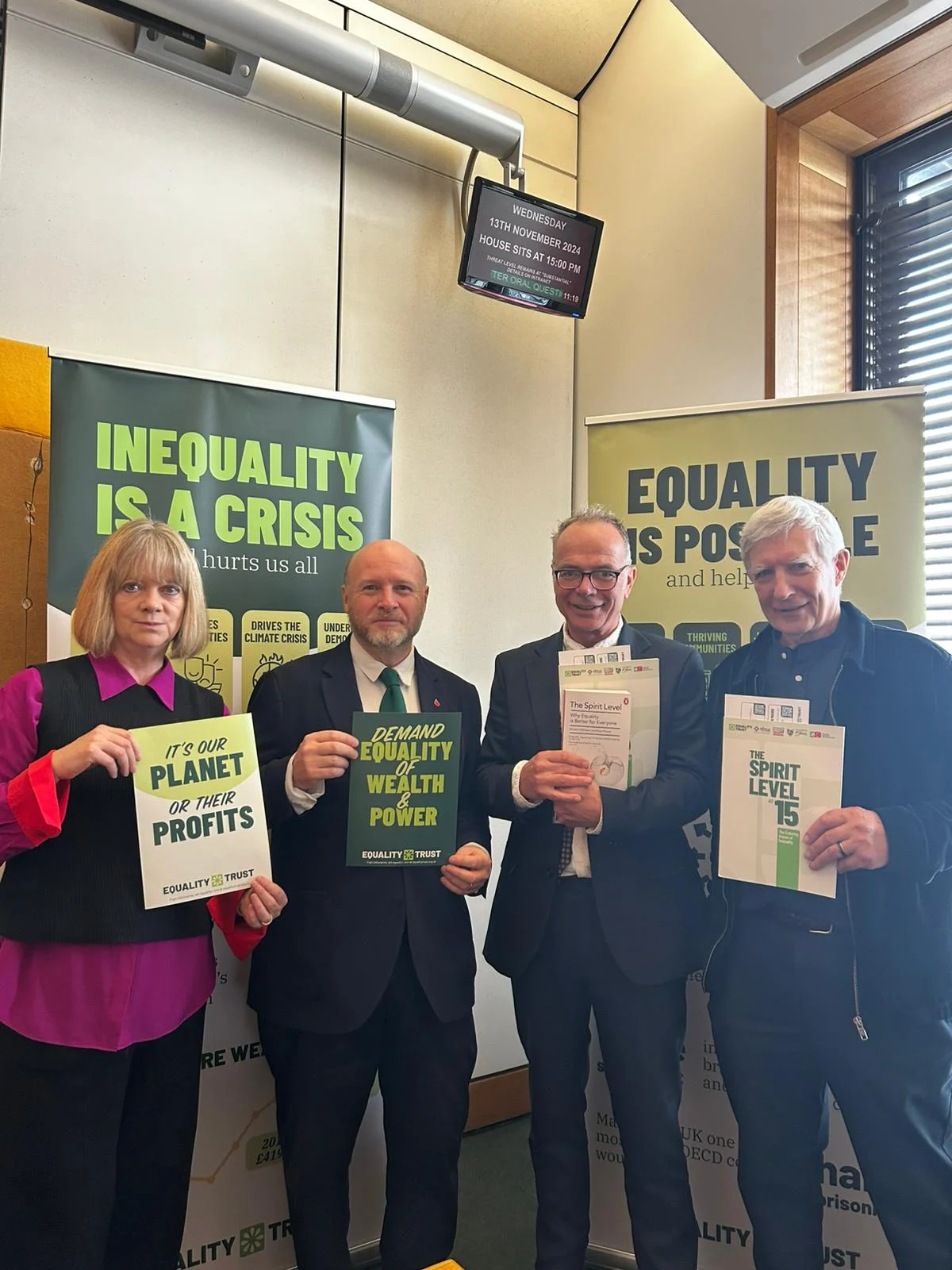
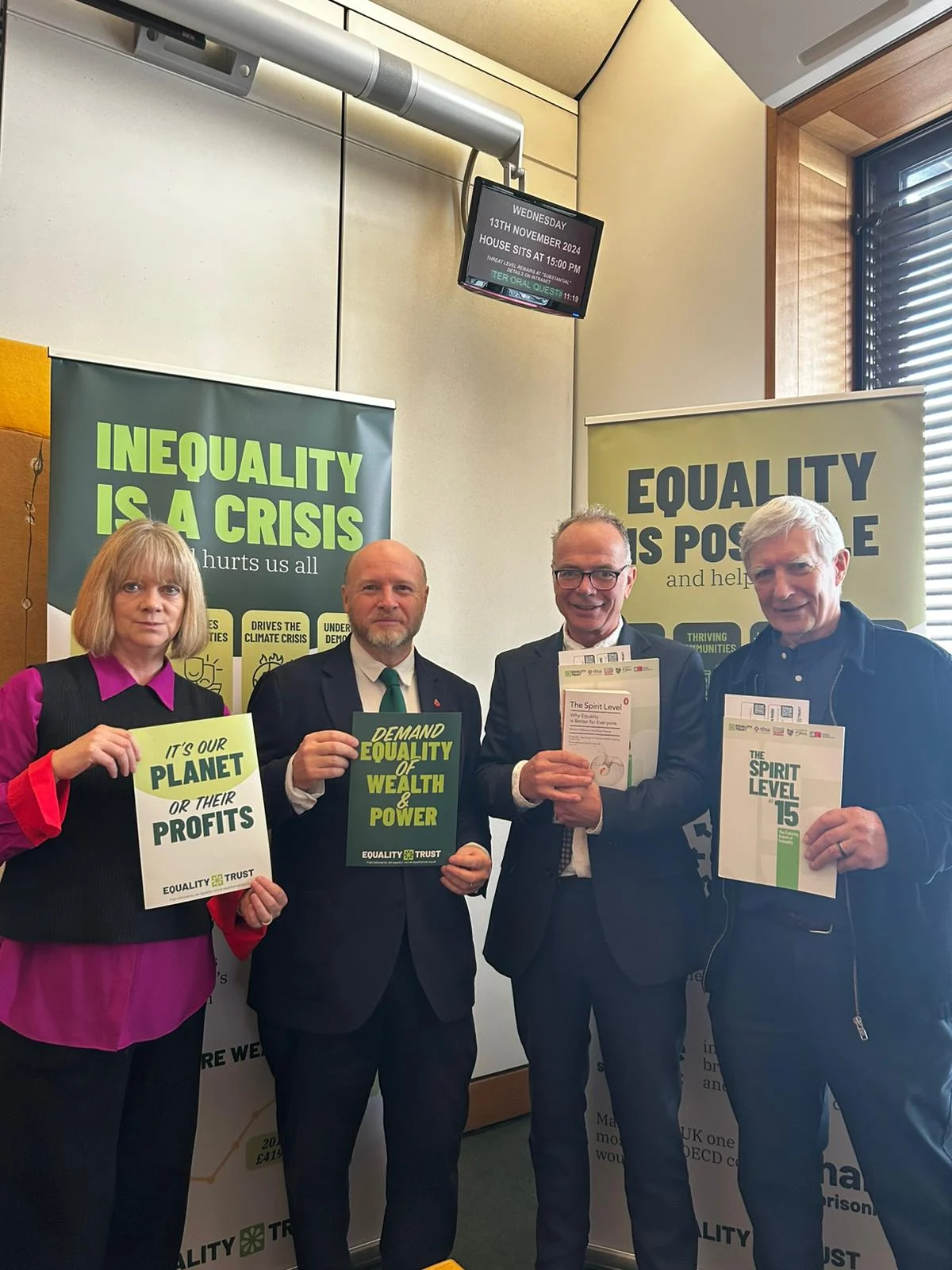
The collaboration with Compass, an organization dedicated to building a more democratic and equal society, underscored the political relevance of Pickett’s findings. Since helping to found The Equality Trust in 2009, Professor Pickett has been at the forefront of the movement to demonstrate, through empirical data, how high levels of inequality correlate with a wide range of social ills, including declining public health, increased crime rates, and reduced social mobility. The Good Society is positioned as a culmination of this work, offering a blueprint for moving beyond the diagnosis of social problems toward the construction of a resilient, equitable community.
Chronology of a Movement: From The Spirit Level to The Good Society
The publication of The Good Society represents the latest chapter in a nearly two-decade-long intellectual journey for Professor Pickett. To understand the significance of the 2026 launch, it is necessary to examine the timeline of her influence on British and international social policy:
- 2009: Professor Pickett and Richard Wilkinson co-author The Spirit Level: Why More Equal Societies Almost Always Do Better. The book becomes a global sensation, providing a statistical foundation for the argument that inequality harms everyone in a society, not just the poor.
- 2009 (Late): The Equality Trust is established to campaign for the reduction of social and economic inequality in the UK, utilizing the research findings of Pickett and Wilkinson.
- 2014-2018: Pickett’s research gains further traction as international bodies like the OECD and the IMF begin to acknowledge that extreme income inequality can stifle economic growth.
- 2019: Pickett and Wilkinson release The Inner Level, exploring the psychological impact of inequality, including its links to anxiety, depression, and narcissism.
- 2020-2023: The global pandemic and subsequent cost-of-living crisis highlight the vulnerabilities of unequal societies, leading to a resurgence of interest in Pickett’s work.
- February 4, 2026: The Good Society is launched, focusing on the proactive steps needed to build a "well-being economy" that prioritizes human and planetary health over GDP growth.
Empirical Foundations of The Good Society
The central thesis of Pickett’s work, and the primary driver behind the 500-person attendance at the launch, is rooted in robust data. During the event, references were made to the persistent wealth gap in the United Kingdom and its broader implications. According to data from the Office for National Statistics (ONS) and the Gini coefficient—a standard measure of income distribution—the UK remains one of the most unequal countries among high-income nations.
Supporting data discussed in the context of the book launch suggests that the top 10% of households in the UK hold approximately 43% of the nation’s wealth, while the bottom half of the population shares less than 10%. Professor Pickett’s research indicates that such disparities are not merely economic issues but are directly linked to social outcomes. For instance, in more equal societies, life expectancy is higher, infant mortality is lower, and there is a higher level of social trust.
The panel discussed how The Good Society addresses the "triple crisis" of the 2020s: economic instability, social fragmentation, and climate change. George Monbiot highlighted the data connecting private wealth accumulation with ecological degradation, arguing that a "good society" must necessarily be one that operates within planetary boundaries. Caroline Lucas added that the "well-being economy" metrics proposed in the book offer a more accurate reflection of national success than traditional economic indicators.
Perspectives from the Panel
The reactions from the guest speakers provided a multifaceted view of the book’s potential impact. Baroness Ruth Lister emphasized the importance of dignity and agency in the welfare system. She noted that The Good Society provides a framework for social security that moves away from punitive measures and toward a system that empowers citizens. Lister argued that the book’s focus on "universal basic services"—including transport, internet access, and healthcare—is essential for fostering a sense of belonging and participation.
George Monbiot focused on the narrative shift required to achieve Pickett’s vision. He remarked that the dominance of neoliberal ideology had atomized society, leading to a "loneliness epidemic" that Pickett’s work seeks to cure through the restoration of the commons. Monbiot’s contribution underscored the idea that economic reform is inextricably linked to the restoration of community bonds.
Caroline Lucas spoke to the political feasibility of the proposals within The Good Society. She noted that while the ideas might have seemed radical a decade ago, the current political climate, marked by a growing disillusionment with "business as usual," has created a window of opportunity for bold policy shifts. Lucas praised the book for providing a "pragmatic utopia"—a vision that is ambitious yet grounded in academic rigor.
Analysis of Implications for Public Policy
The launch of The Good Society comes at a time when policymakers are increasingly searching for alternatives to traditional economic models. The implications of Pickett’s work are significant for several key areas of governance:
1. Taxation and Wealth Redistribution:
The book advocates for a more progressive tax system, including wealth taxes and the closing of loopholes that benefit the ultra-wealthy. The argument is that reducing the gap between the top and bottom of the income scale is the most effective way to improve overall national well-being.
2. Public Health Strategy:
By identifying inequality as a "social toxin," Pickett’s work suggests that health departments should focus as much on economic policy as on medical interventions. Reducing poverty and narrowing the wealth gap could potentially save the National Health Service (NHS) billions of pounds by reducing the prevalence of lifestyle-related and stress-induced illnesses.
3. Environmental Policy:
The concept of "The Good Society" integrates social justice with environmental sustainability. The analysis suggests that more equal societies are better at collective action and more willing to adopt the changes necessary to combat climate change, as the burdens of transition are shared more fairly.
4. Education and Social Mobility:
Pickett’s data shows that social mobility is higher in countries with lower inequality. The Good Society proposes reforms to the education system that prioritize equal opportunity from early childhood, aiming to break the cycle of inherited privilege.
Conclusion and Future Outlook
The event concluded with a call to action, urging the 500 attendees and the wider public to engage with the themes of the book and advocate for systemic change. The recording of the event, which has since been made available online, serves as a resource for grassroots organizers and policymakers alike.
As the United Kingdom navigates the complexities of the mid-2020s, the ideas presented in The Good Society are likely to remain at the center of the national conversation. The Equality Trust, the organization Pickett helped found, continues to use her research to lobby for legislative changes, such as the implementation of the Socio-economic Duty of the Equality Act 2010, which would require public bodies to consider how their decisions can reduce poverty and inequality.
Professor Kate Pickett’s latest contribution reinforces the argument that a "good society" is not a distant ideal but a measurable goal that can be achieved through deliberate policy choices and a shift in social priorities. With the backing of figures like Monbiot, Lucas, and Lister, and the support of organizations like Compass, the movement for a more equal society appears to be gaining renewed momentum, driven by a combination of academic excellence and a growing public demand for a fairer future.